






Introduction
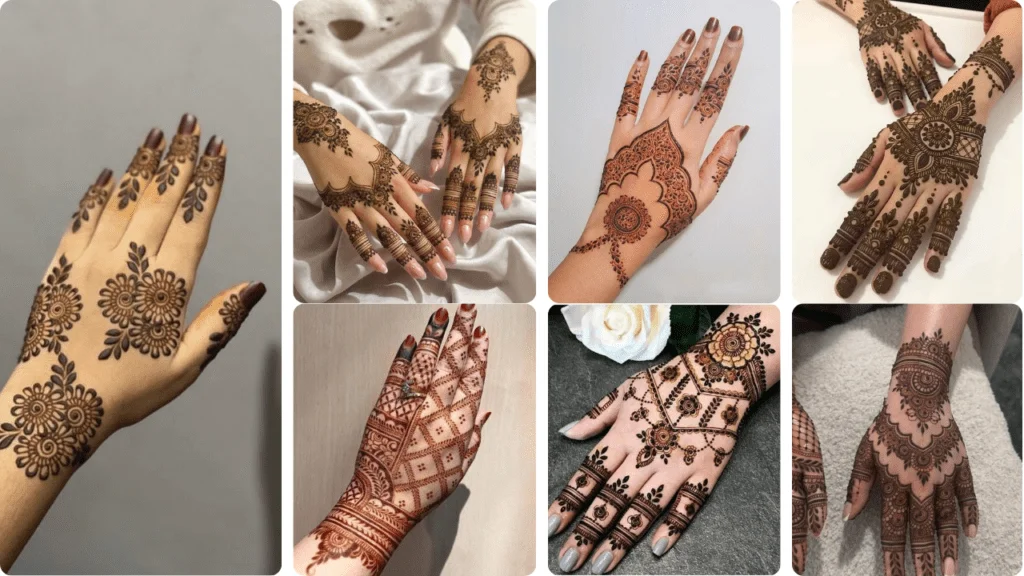
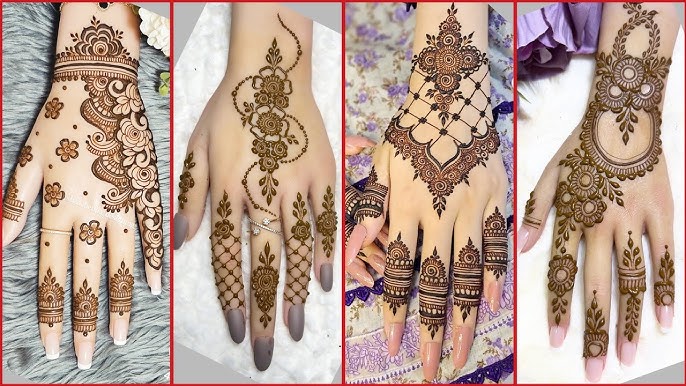
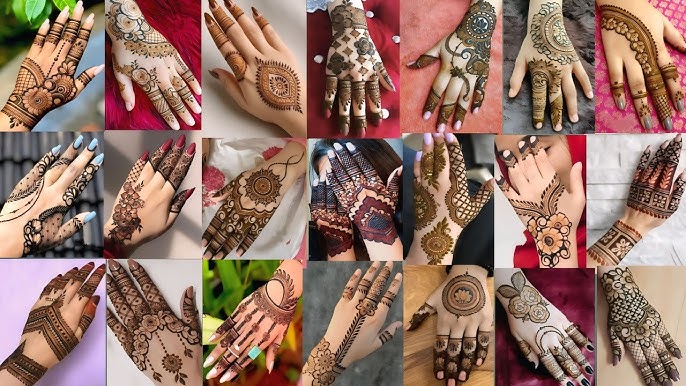
Back hand mehndi design has always been the most visible and celebrated canvas in henna art — it faces outward during every greeting, gesture, photograph, and celebration moment throughout the day. In 2026, it has evolved into an extraordinary fusion of traditional heritage, contemporary minimalism, and deeply personal artistic expression. The biggest change in 2026 is restraint — designs are cleaner, lighter, and more thoughtful. Filling every inch is no longer the goal.
Why Back Hand Mehndi Design Is So Special
The flat smooth surface of the back hand provides an ideal canvas for bold flowing compositions — showcasing pattern details with extraordinary clarity in every lighting condition. Back hand is constantly on display while holding accessories, adjusting jewellery, greeting guests, or posing for candid photographs throughout celebrations. Modern women in 2026 want designs that look sophisticated without feeling physically heavy throughout long wedding weeks and festival celebrations.
Latest Back Hand Mehndi Design Trends 2026
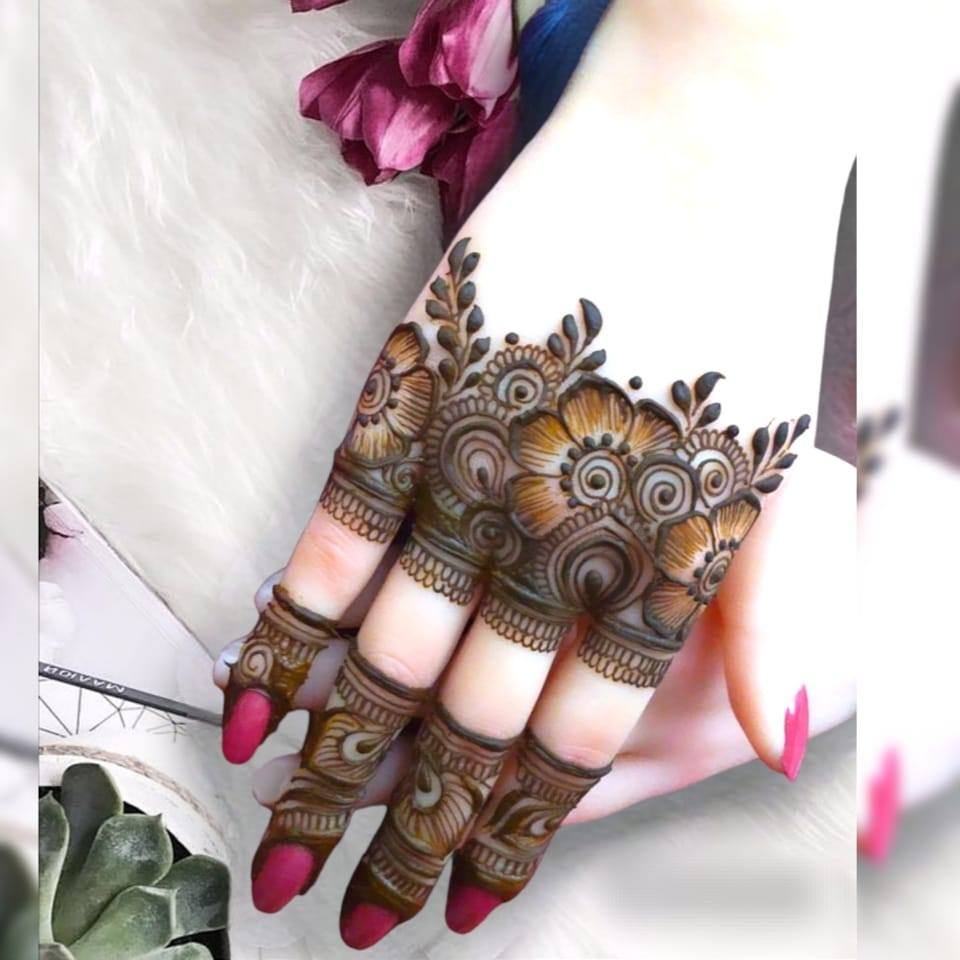
Personalization leads all 2026 trends — brides request hidden partner initials, wedding date numerals, couple silhouettes, and meaningful personal symbols woven throughout compositions. These personal touches transform standard patterns into emotionally meaningful living autobiography on skin. Jewelry-inspired back hand mehndi is one of the most exciting 2026 trends — mimicking bracelets, rings, and chains through mehndi lines and dots, complete with delicate haath phool chains from wrist to fingers. Key modern features include geometric shapes, negative space, delicate florals, mandalas, dot work, and asymmetrical layouts.
Simple Back Hand Mehndi Design for Beginners
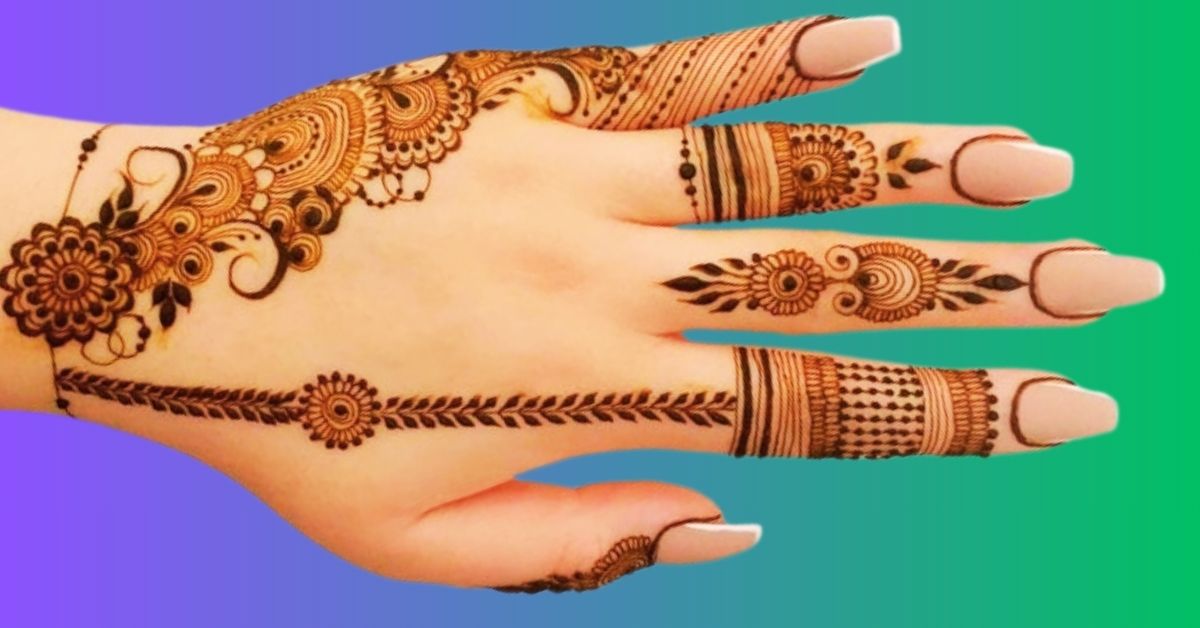
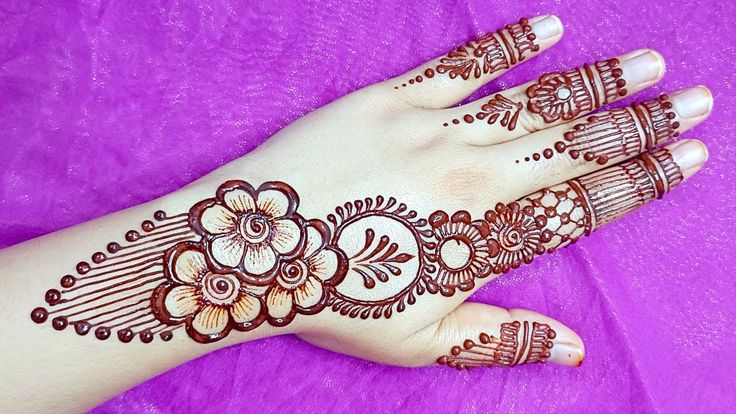
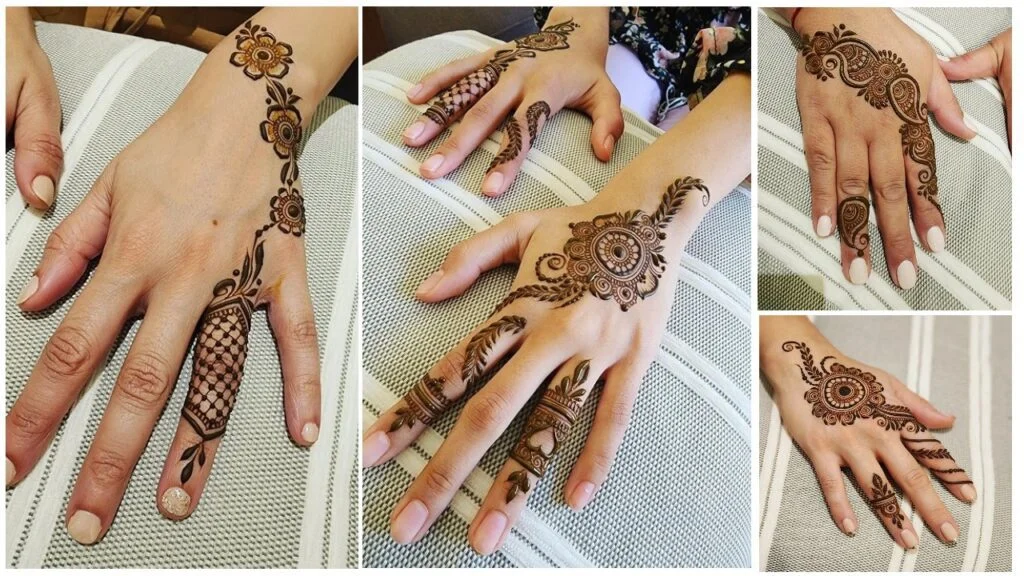
Bracelet or cuff style wraps around the wrist like jewelry and connects to a small motif on the back of the hand — looks stylish, takes less time, requires no advanced skills. Minimal back hand designs using basic leaves, dots, and straight lines are ideal for first-time users wanting a clean modern look. Single statement floral compositions placed precisely on the back hand center photograph more beautifully than cluttered traditional patterns covering every available space.
Arabic Back Hand Mehndi Design — Bold and Breathtaking
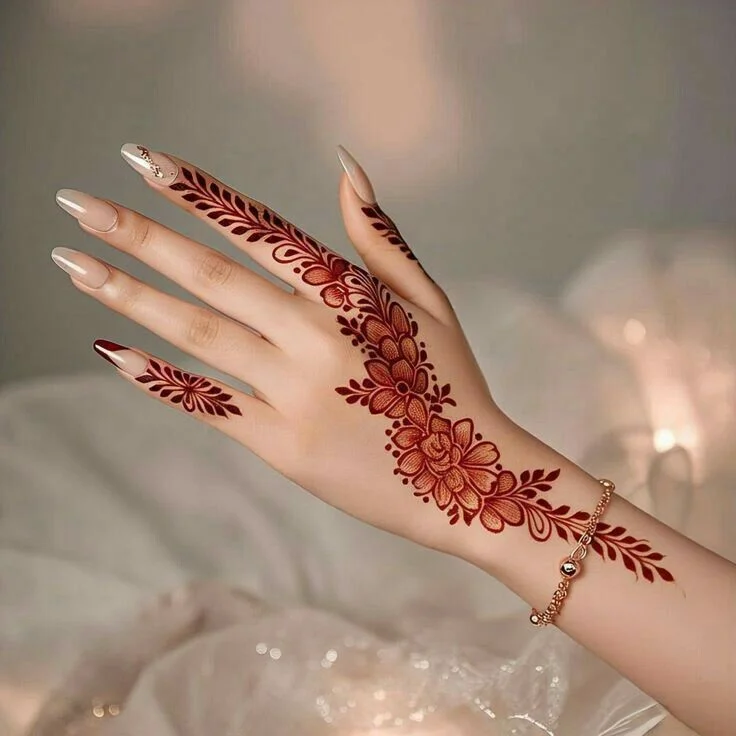
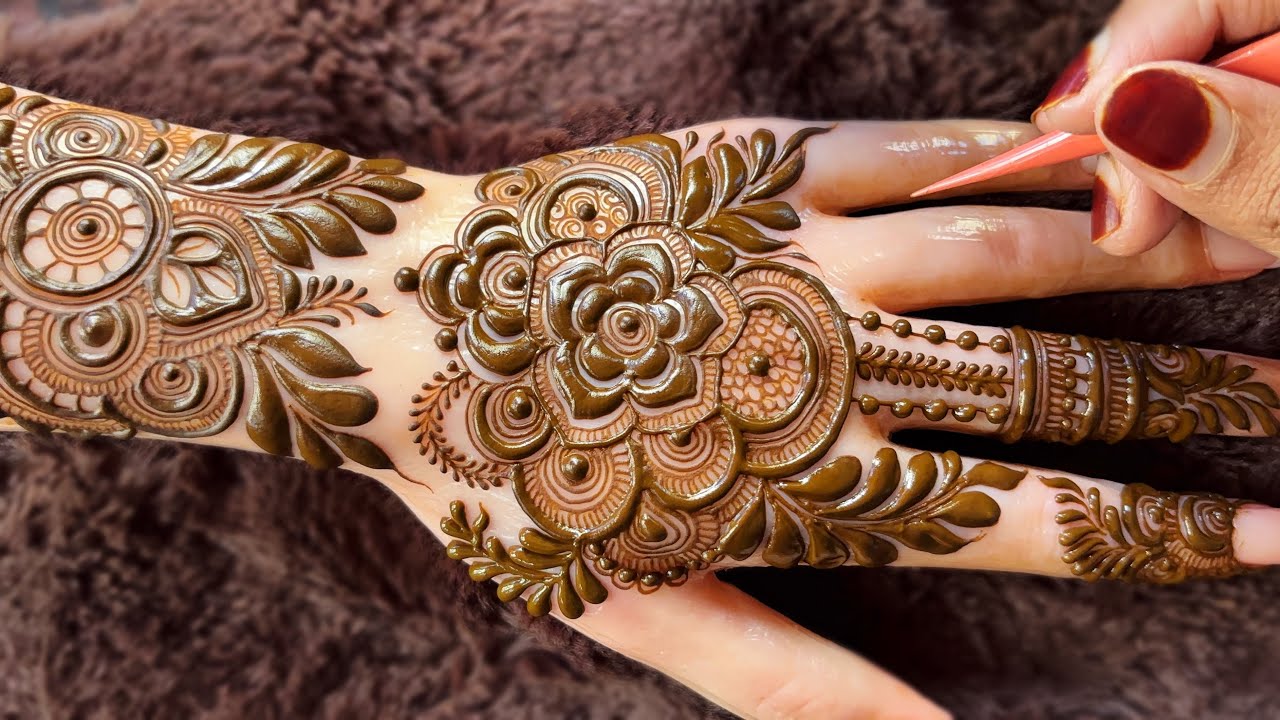
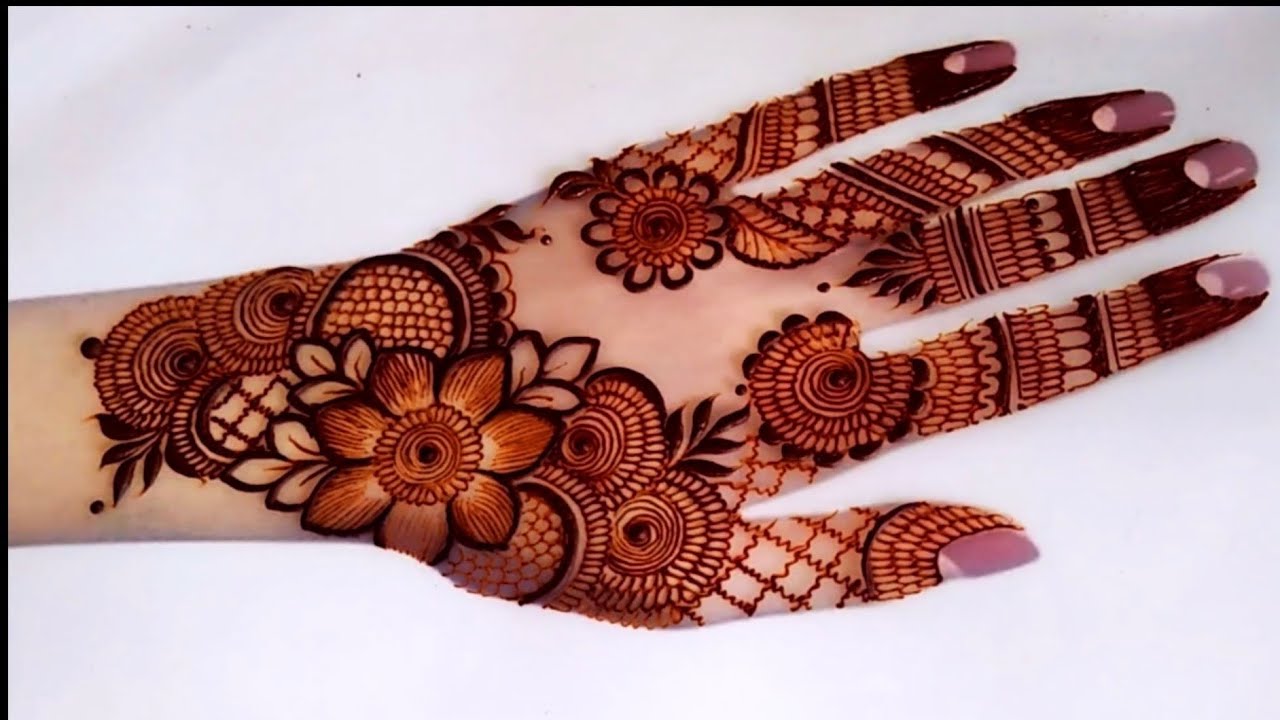
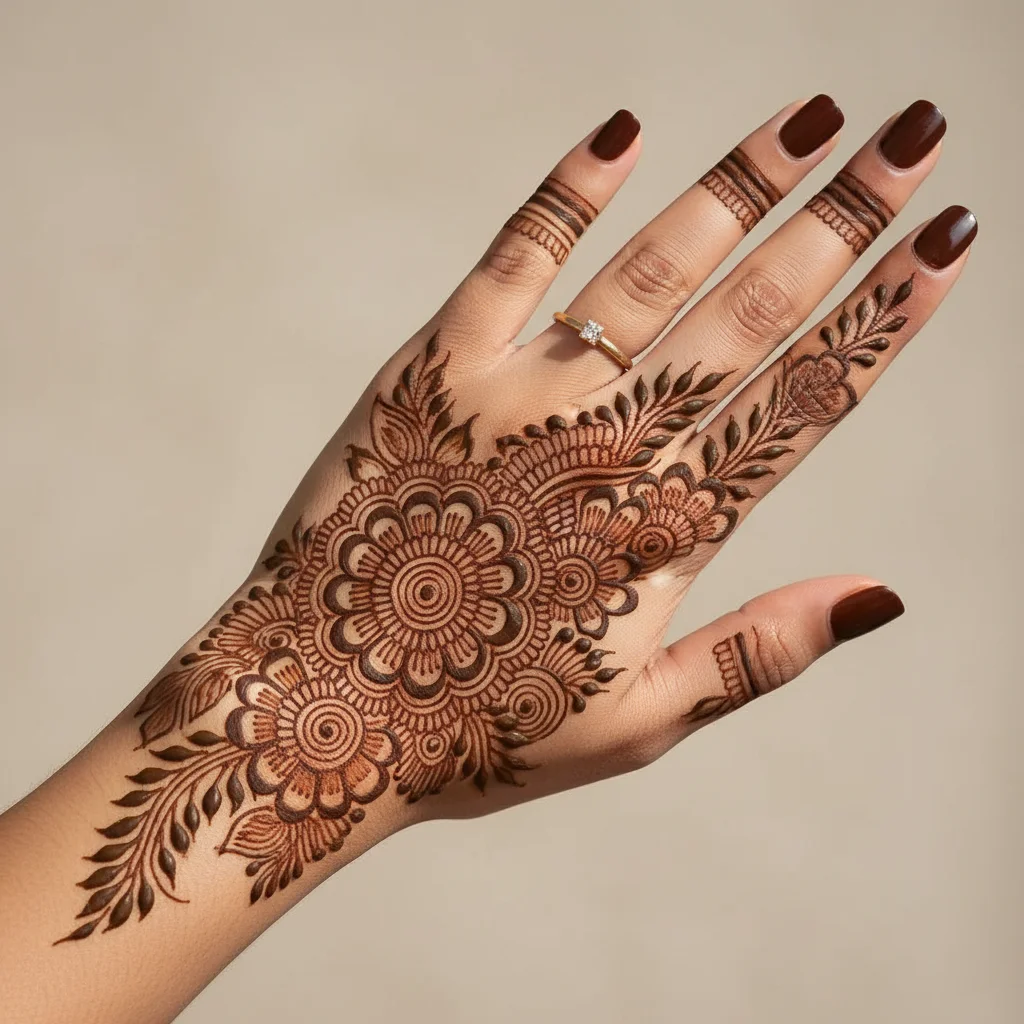
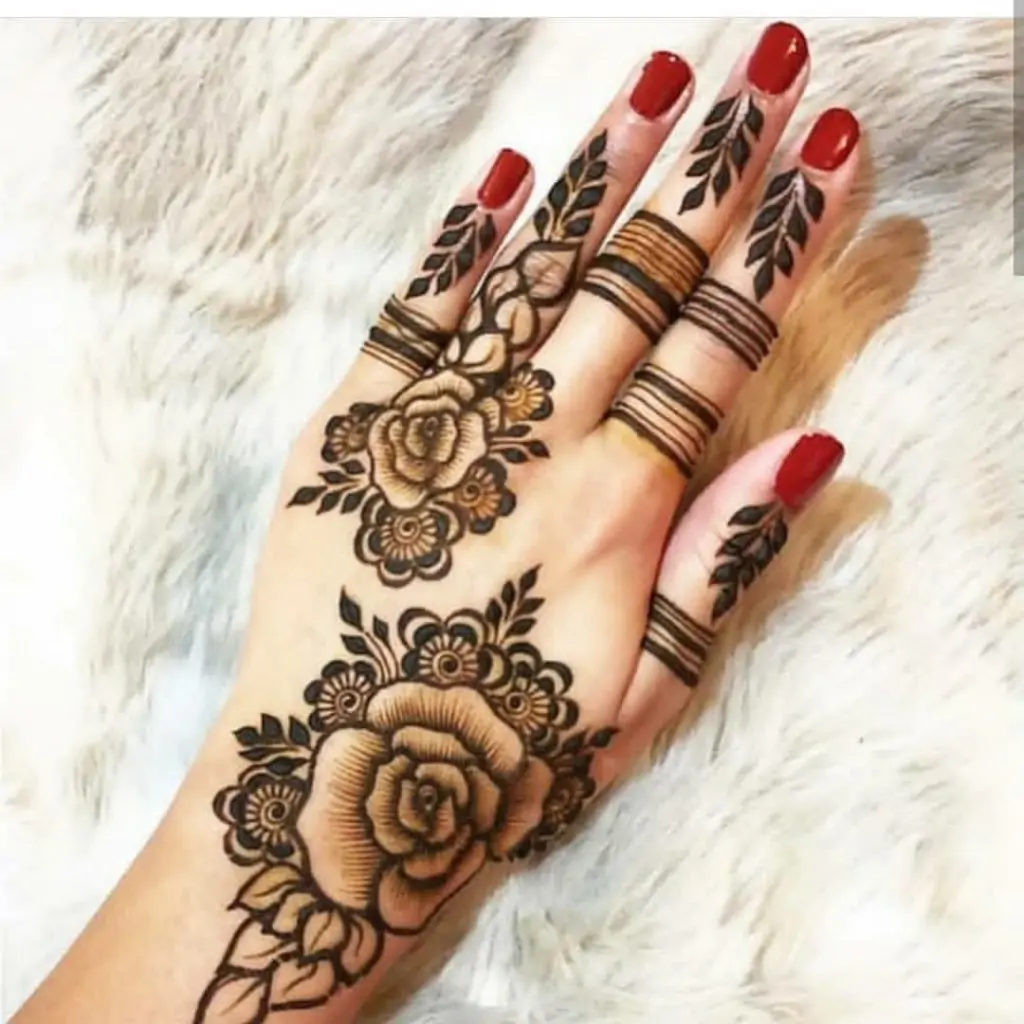
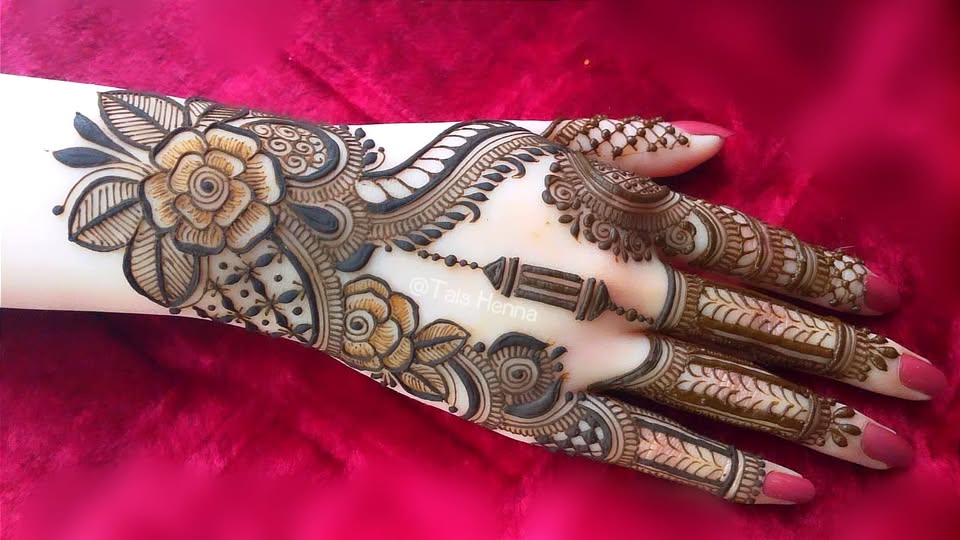
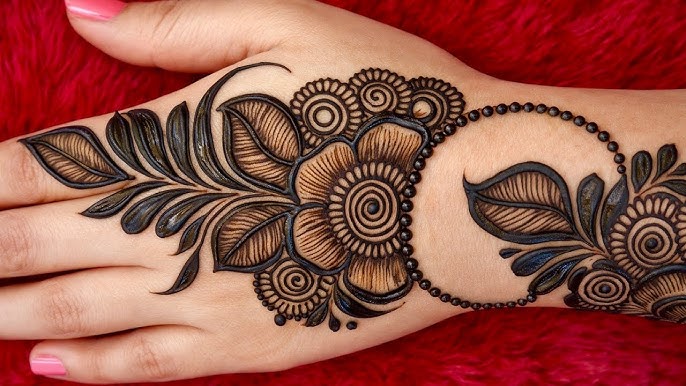
Arabic back hand mehndi dominates all global trends in 2026 — bold flowing strokes, large floral compositions, generous negative space creating breathtaking visual impact that is both simple and sophisticated. Rose motifs, leaf trails, and paisley patterns start from the wrist and flow diagonally toward the fingers — this diagonal flow gives the hand a longer more elegant appearance. Fingertip detailing with small dots, vines, or delicate blossoms balances the entire composition. Draw one large floral on the back hand, connect with thin leafy vines, and leave generous negative space — the most trending minimal yet rich style across Instagram and Pinterest 2026.
Bridal Back Hand Mehndi Design 2026
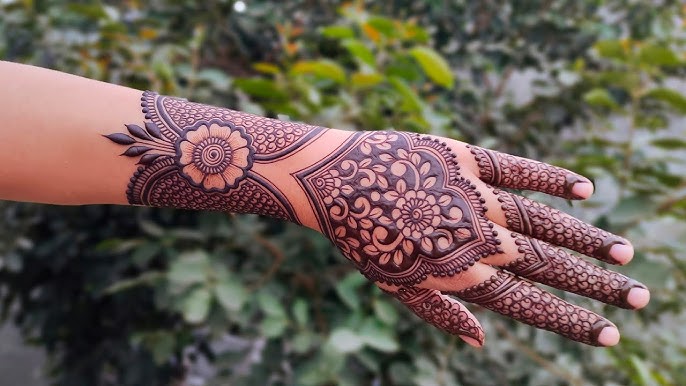
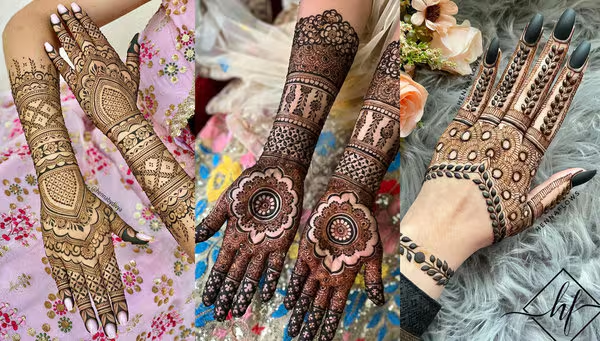
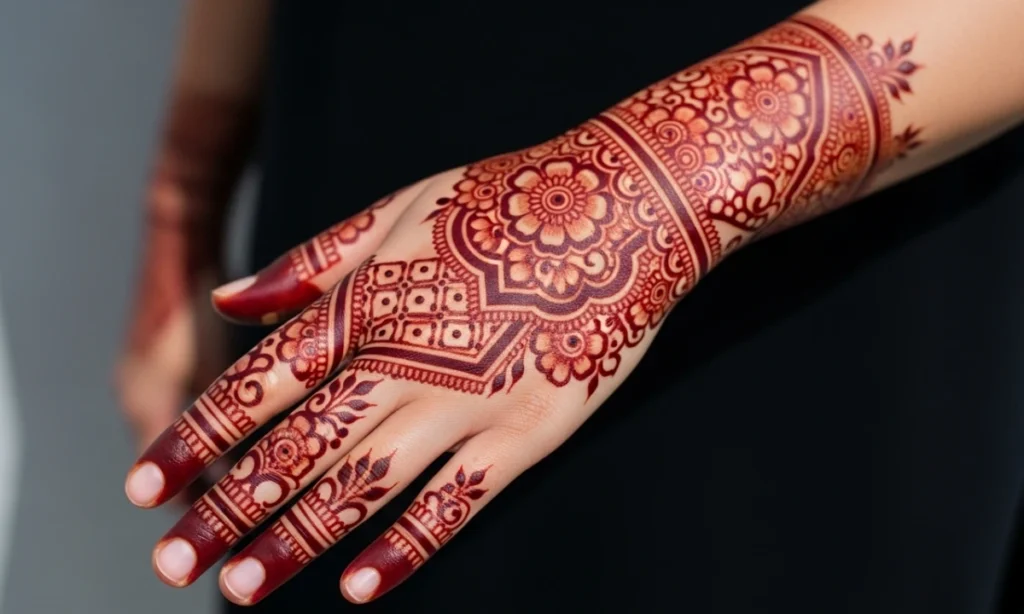
Full bridal back hand covers entire area from wrist to fingertips — intricate mesh (jaali), lotus, paisley, mandalas, and bride-groom figures, rich in symbolism signifying love, prosperity, and good fortune. Personalized elements include groom’s name hidden within patterns, wedding date numerals woven into border elements, and couple portrait silhouettes in central medallions. Modern 2026 also embraces the half-and-half approach — one hand elaborate traditional, the other minimal contemporary — creating fascinating visual dialogue between tradition and modernity.
Mandala Back Hand Mehndi Design
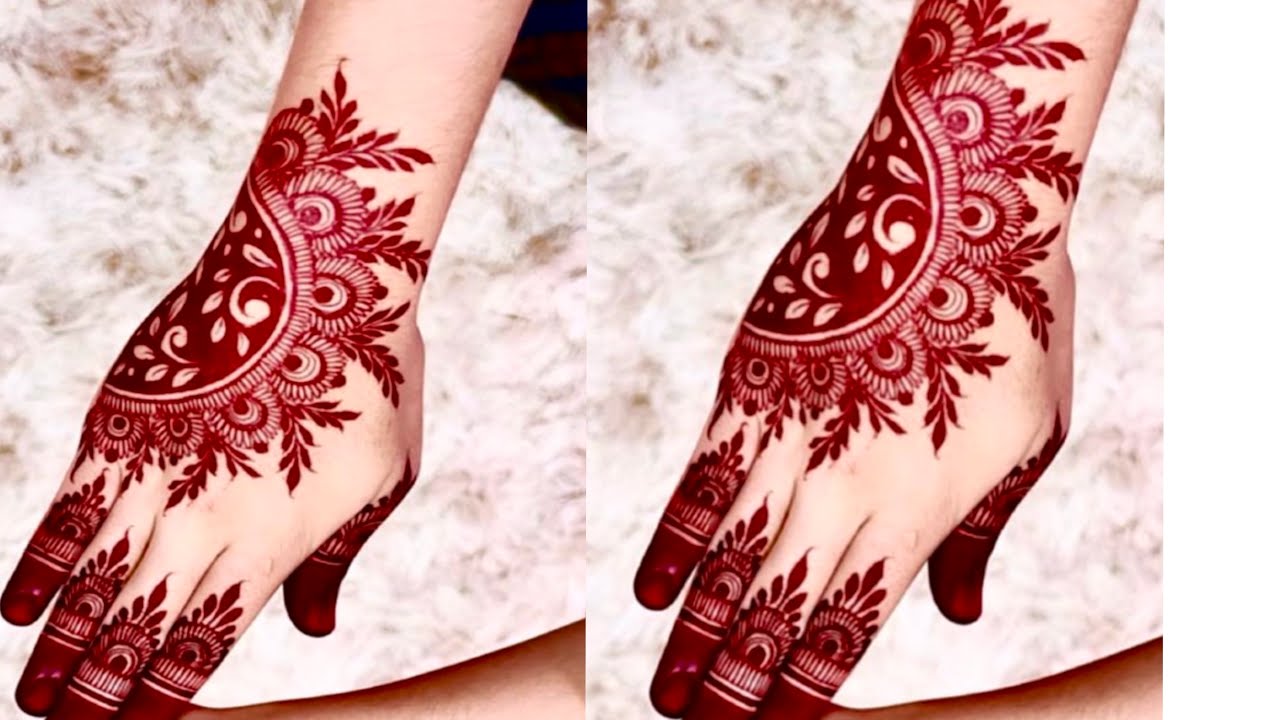
Back hand mehndi design centered around a perfectly balanced mandala — circular motif drawn in center radiating outward with layers of triangles, petals, dots, and fine lines — looks visually powerful and gives a modern twist to classic mehndi. Fingers styled with geometric elements or left bare for a chic minimal aesthetic. Half-mandala placed at wrist extending toward back hand center creates ultra-modern compositions with less application time. Dual-layered overlapping mandala compositions create extraordinary dimensional visual effects.
Peacock Back Hand Mehndi Design
Peacock designs are among the most iconic in mehndi — bird’s body centered on back hand, tail feathers fanning elegantly toward fingertips, fingers decorated with small dots or linear patterns. Bold outlines for peacock body, fine detailing inside feathers. Modern 2026 minimalist interpretations feature just the peacock’s elegant outline with strategic negative space interior. Single peacock feather compositions create elegant elongated designs flowing naturally wrist toward fingertips — detailed eye patterns, scale textures, and curved barb lines within each feather.
Floral Vine Back Hand Mehndi Design
Flowers arranged diagonally starting from wrist or thumb trailing up to index or middle finger — evergreen choice bringing soft romantic vibe. Rose trail featuring large detailed roses connected by elegant curving stems creates most romantically beautiful compositions for brides, engagement ceremonies, and romantic occasions. Mixed botanical combining roses, lotus, small daisies, and abstract blooms creates garden-inspired designs where different flowers reveal themselves throughout celebration events.
Geometric Back Hand Mehndi Design 2026
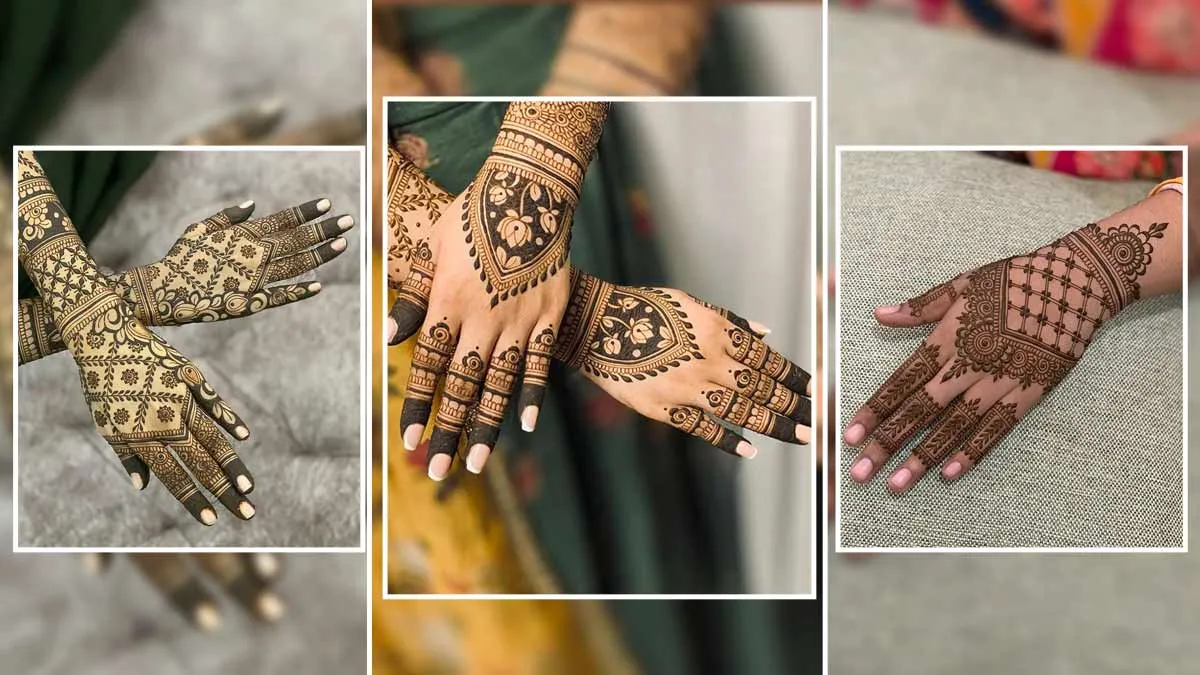
Triangles, diamonds, hexagons, chevrons, and intersecting lines create sophisticated modern back hand mehndi appealing to fashion-forward contemporary women. Pairs magnificently with modern outfits, minimalist jewelry, and destination wedding aesthetics. Negative space geometric creates two-layer compositions where bare skin channels form visible shapes within otherwise filled geometric areas — appearing far more complex than actual execution. Sacred geometry incorporating Fibonacci spirals and golden ratio proportions creates intellectually sophisticated compositions.
Jharokha Back Hand Mehndi Design
Royal architectural heritage through lattice window-inspired patterns evoking Rajasthani palace and Mughal ceremonial grandeur. The ornate jharokha frame creates perfect visual focal point on back hand center — within the latticed arch, artists place floral compositions, couple portraits, or meaningful symbols. May include groom’s name hidden in pattern or wedding date details. Modern 2026 includes geometric minimalist interpretations with simple clean arches for contemporary brides wanting traditional connection through modern sensibility.
Back Hand Mehndi Design for Eid 2026
Applying mehndi is an integral part of Eid festivities celebrated worldwide. Crescent-integrated compositions, star pattern bands, and contemporary Arabic florals honor Islamic geometric heritage. Simple floral art and patterns have always been favorites — quick-applying designs allow entire families to receive beautiful back hand mehndi before Eid prayers begin at dawn. Crescent moon as central back hand motif surrounded by star elements and geometric fillers creates deeply meaningful Eid-specific compositions.
Back Hand Mehndi Design for Kids
Small simple back hand designs — butterflies, hearts, stars, animals — apply quickly before young patience disappears. Always use 100% natural chemical-free henna — never use black chemical henna with dangerous PPD on children regardless of color preference. Simple butterfly designs, small central flowers, and dotted star patterns create adorable compositions children proudly show every family member. Quick 5 to 10 minute application keeps young participants cooperative — one beautifully executed simple design is always far better than five rushed incomplete ones.
Step By Step Tutorial
Step 1 — Select Design Style: Choose good-quality cone with thin tip for better control and cleaner lines. Practice a few strokes on paper to get comfortable.
Step 2 — Prepare Back Hand: Clean thoroughly removing all moisturizer, lotion, and oil. Avoid moisturizing or applying oils before application — completely clean dry skin produces dramatically better color.
Step 3 — Plan Composition: Visualize complete design mentally — identify where central focal element sits and how supporting patterns extend toward wrist and fingers. Mental clarity prevents hesitation and uneven lines.
Step 4 — Begin With Central Focal Element: Start with most important design element — mandala center, large floral, peacock body, geometric focal shape, or jharokha frame. Light pressure, let design flow naturally — rushing leads to uneven lines.
Step 5 — Add Supporting Elements Outward: Build complementary surrounding elements extending naturally from central focal point toward wrist and fingertips. Supporting elements should frame and enhance rather than compete with central focal composition.
Step 6 — Manage Negative Space Intentionally: Protect empty negative space throughout. One common mistake is overcrowding — strategic emptiness creates the modern breathable aesthetic that makes 2026 designs genuinely beautiful.
Expert Tips
Fresh natural henna from verified reliable sources is the single most critical factor for final color intensity and line clarity. Support application elbow firmly on stable cushioned surface throughout entire process for maximum hand steadiness. Photograph in natural window light using vertical format immediately after paste drying — then again at 24 to 48 hour peak color for most stunning social media-worthy images.
Aftercare for Darkest Color
Keep paste on minimum 8 to 10 hours — overnight with secure wrapping produces darkest most vibrant results. Apply traditional lemon-sugar solution gently 2 to 3 times throughout drying process. Avoid all water contact complete 24 hours after removing dried paste — the single most critical aftercare decision. Twice-daily natural oil — coconut, olive, or mustard — creates protective barriers preventing premature fading throughout design’s complete 2 to 3 week lifecycle.
Frequently Asked Questions
Q: What makes back hand different from front hand designs? Back hand is constantly on display during natural hand movements and photography. The flat surface showcases pattern clarity better than curved palm.
Q: Best for beginners? Simple bracelet cuff styles, single large floral designs, minimal vine trails, and basic dot work — require only basic cone control and produce beautiful results with minimal practice.
Q: How long does application take? Simple designs 20 to 40 minutes. Medium complexity Arabic or floral designs 1 to 2 hours. Elaborate bridal back hand requires 2 to 4 hours.
Q: Which style photographs best for social media? Geometric patterns, bold Arabic florals, mandala compositions, and peacock designs. High-contrast modern designs with strategic negative space perform dramatically better on Instagram and Pinterest than dense traditional patterns.
Q: How to make color darker naturally? Keep paste on 8 to 10 hours minimum, apply lemon-sugar solution while drying, avoid water completely for 24 hours after removal, moisturize twice daily with natural oils.
Q: Can beginners apply at home? Absolutely — back hand is ideal for self-application because the flat surface is easier to see and control than curved palm. Practice on paper first, use quality fine-tip henna, work in good lighting.
Q: Most trending styles in 2026? Minimal negative space compositions, jewelry-inspired haath phool styles, bold Arabic florals, sacred mandala art, geometric architectural patterns, personalized bridal designs, and botanical illustration vine trails.
Q: How long does color last? 1 to 3 weeks depending on skin type, application quality, paste contact time, and aftercare consistency. Color peaks at 24 to 48 hours after removal then gradually fades naturally.
Q: Materials needed for home application? Fresh natural henna cone with fine tip, tissue paper for cleanup, lemon-sugar sealing solution, and natural oil for aftercare.