



Introduction
Mehendi design simple styles have completely taken over as the most loved and most searched henna category in 2026 — modern women want genuine elegance without exhausting complexity, heavy coverage, or hours of uncomfortable sitting. Simple mehendi designs prove that thoughtful clean artistry creates far more sophisticated beauty than busy overcrowded patterns ever could.
Why Mehendi Design Simple Is the Biggest Trend of 2026
The biggest change in 2026 is restraint — designs are cleaner, lighter, and more thoughtful. Heavy full-hand designs are still chosen for weddings but are no longer the default. Women want designs they can comfortably carry throughout long celebrations — looking beautiful in morning ceremony photos and still fresh in late-night shots. Simple mehendi also fades more gracefully than dense patterns, maintaining visual clarity and elegance for days.
Simple Arabic Mehendi Design — Most Popular Choice
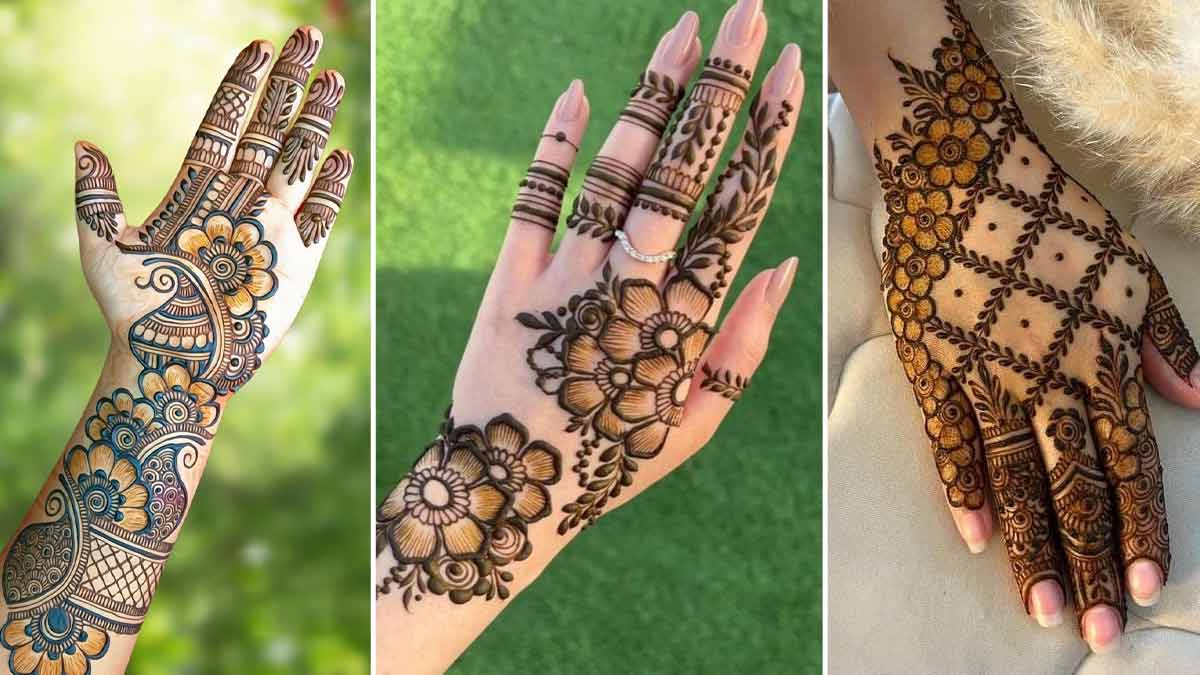
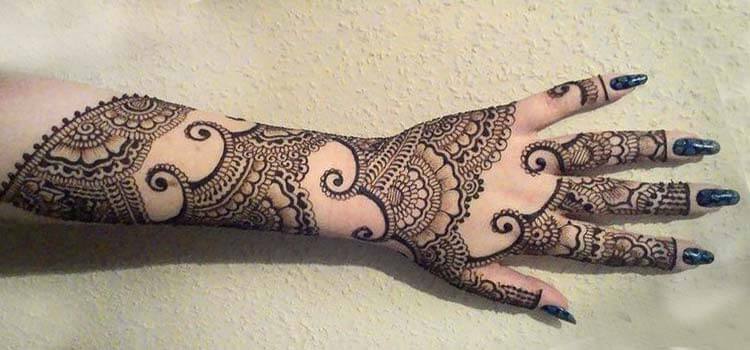
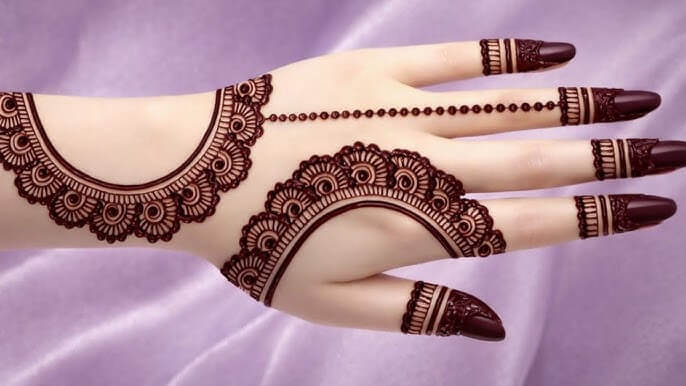
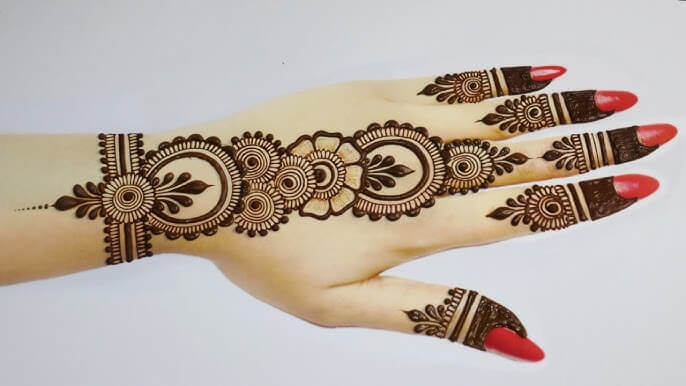
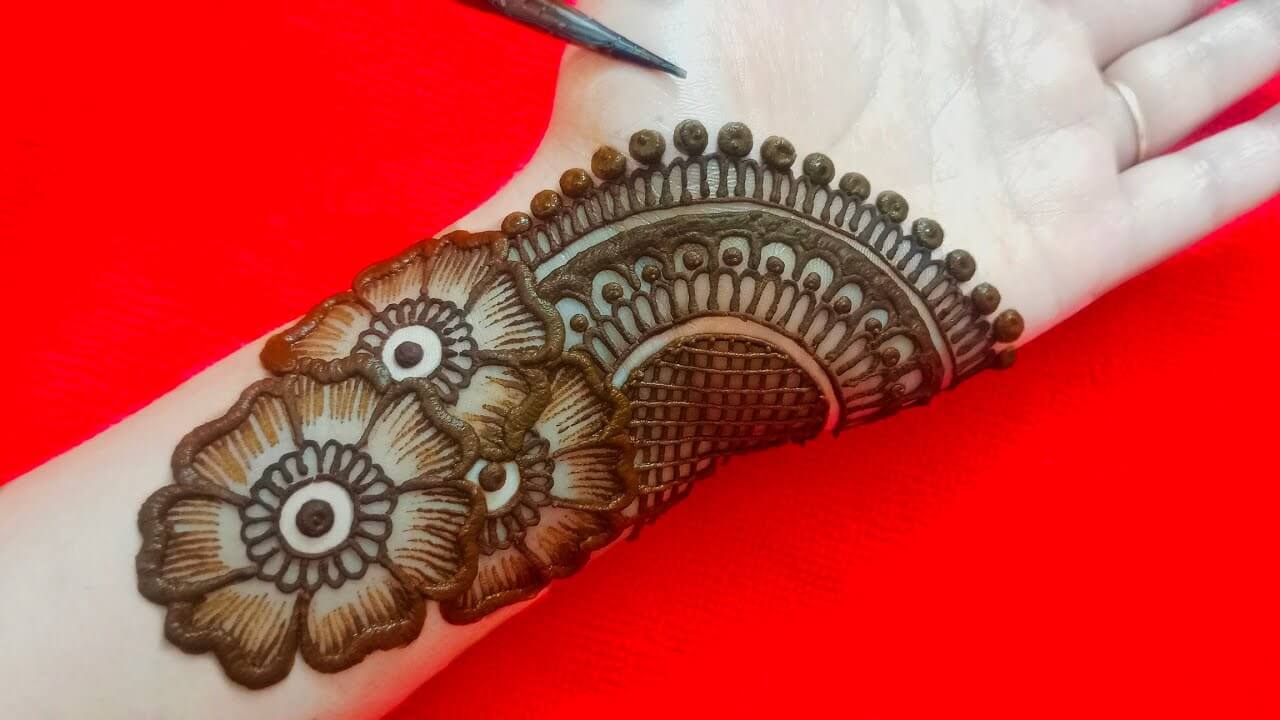
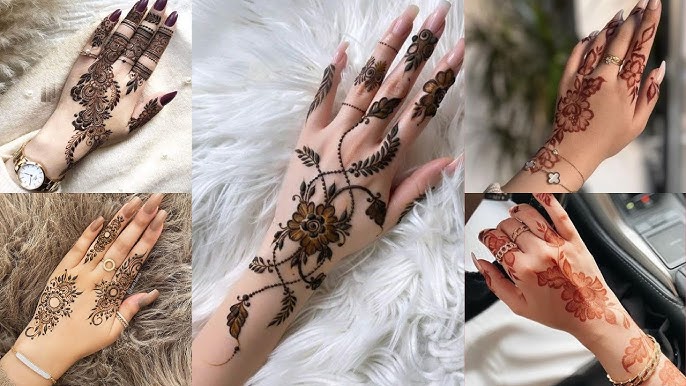
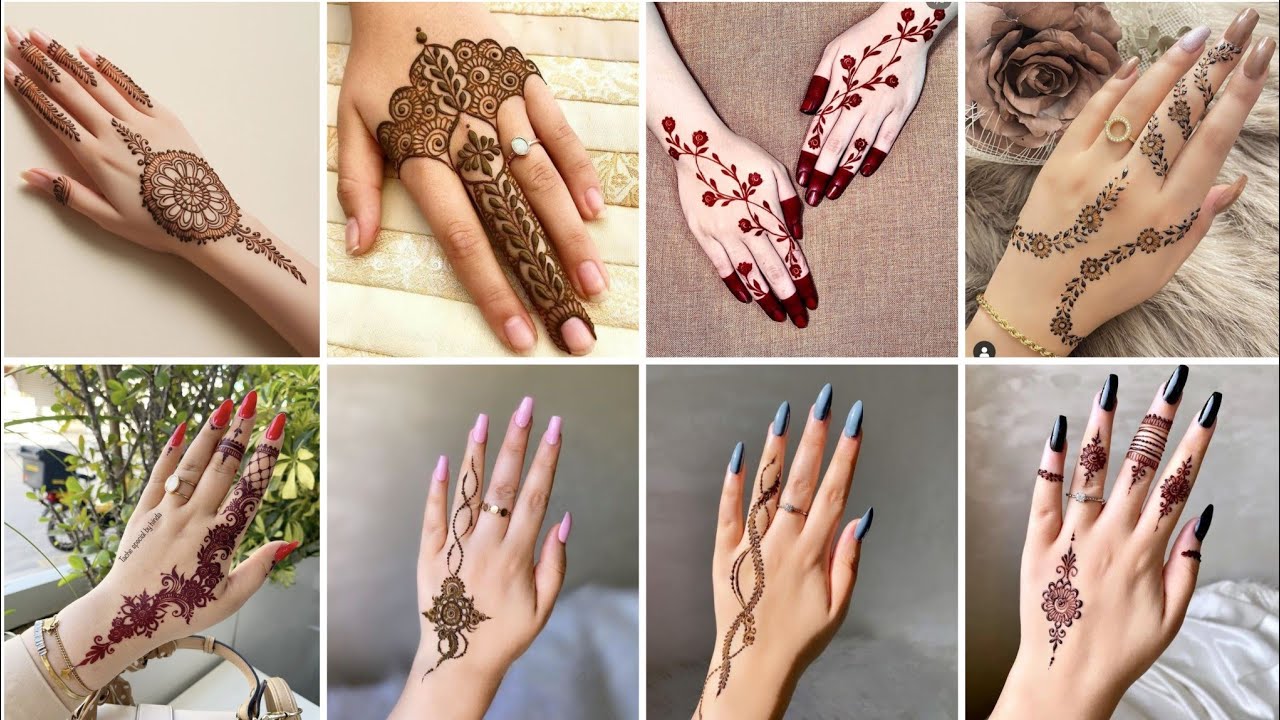
Simple Arabic mehendi design stands as the single most searched and saved simple style in 2026 — delivering maximum visual sophistication through minimum complexity. Uses flowing bold strokes, large open florals, and generous negative space creating clean breathable compositions. Rose motifs, leaf trails, and paisley patterns start from the wrist and flow diagonally — this diagonal flow enhances the hand giving it a longer more elegant appearance. Applies faster than every other style — ideal for busy festival mornings and multiple family decoration sessions.
Simple Mehendi Design for Front Hand
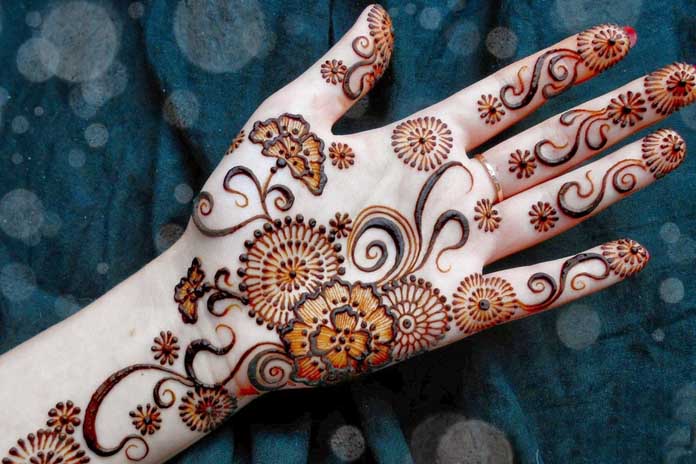
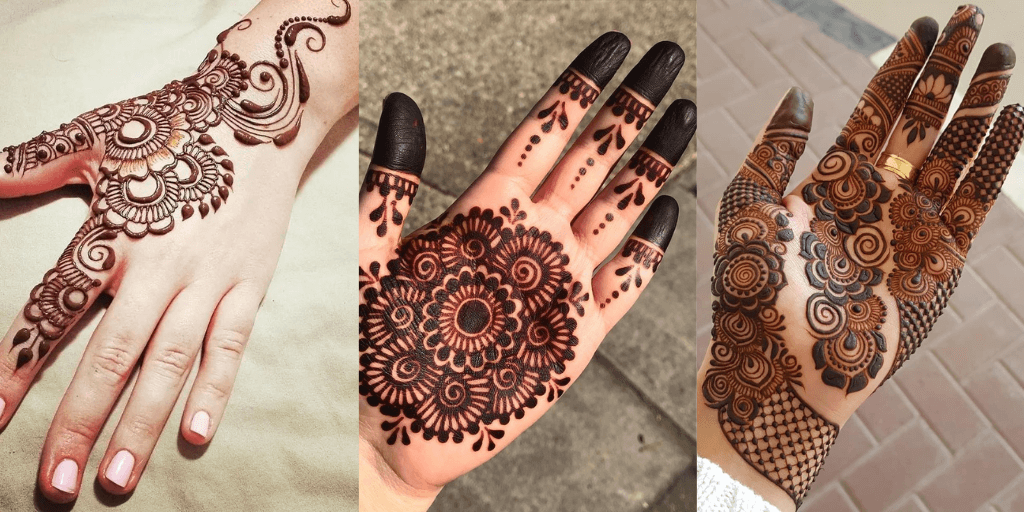
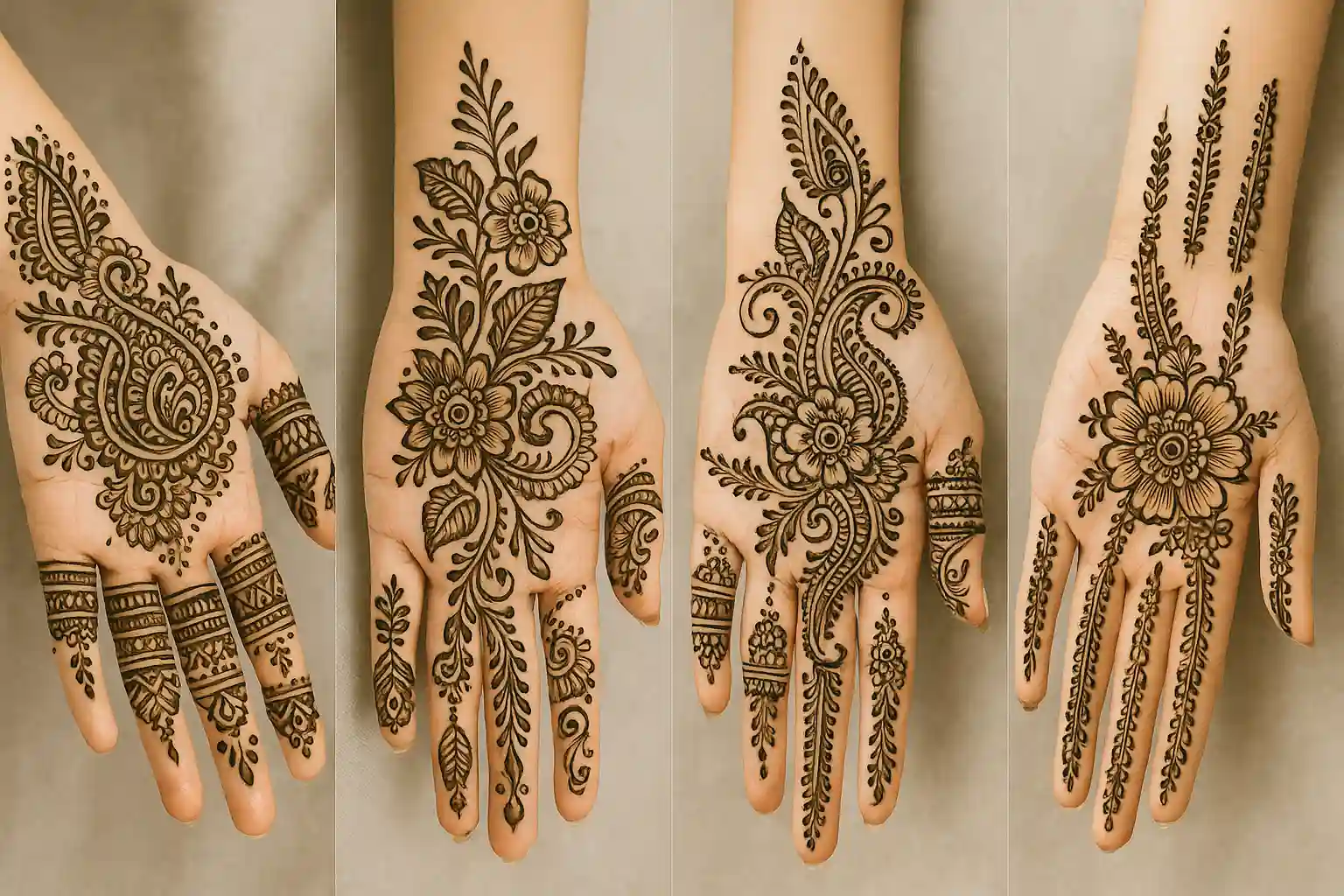
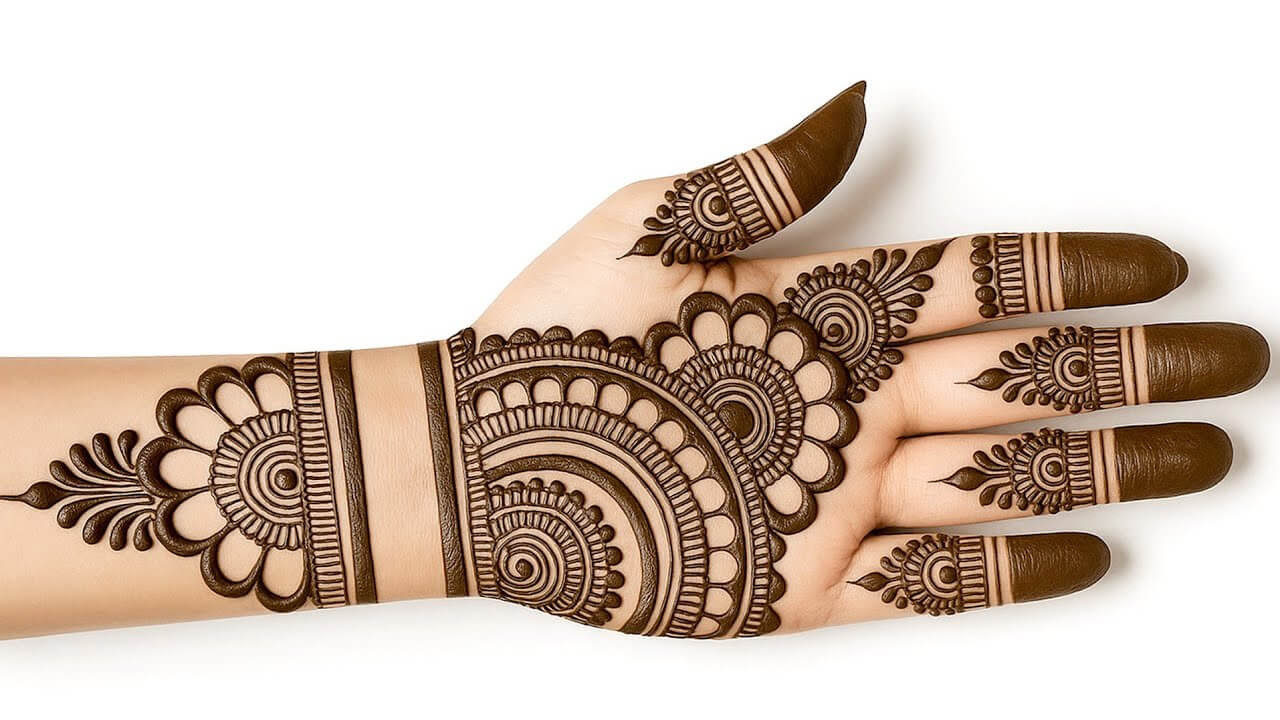
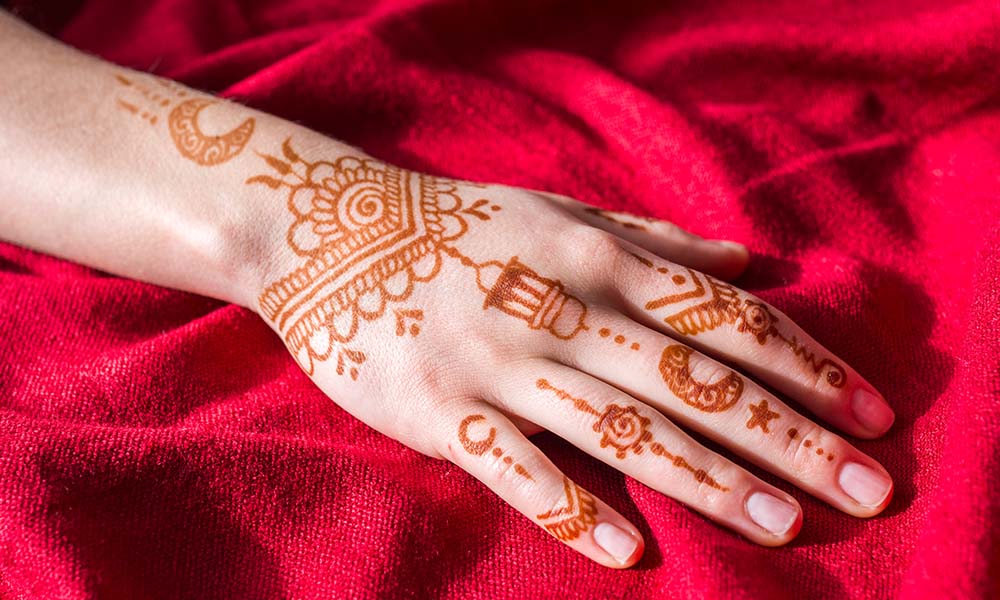
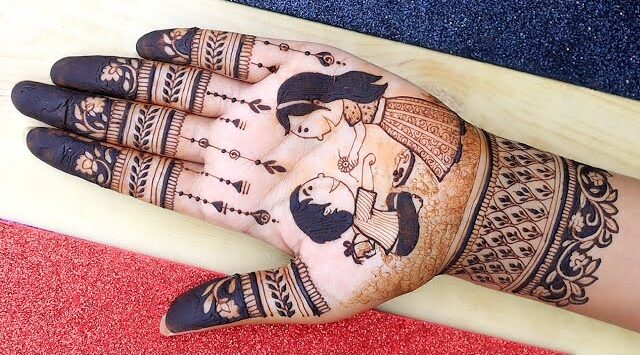
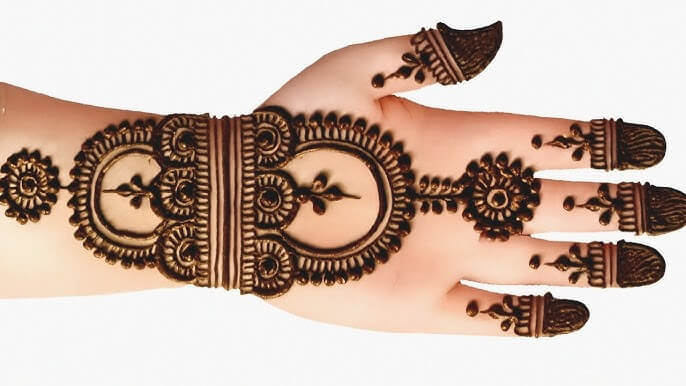
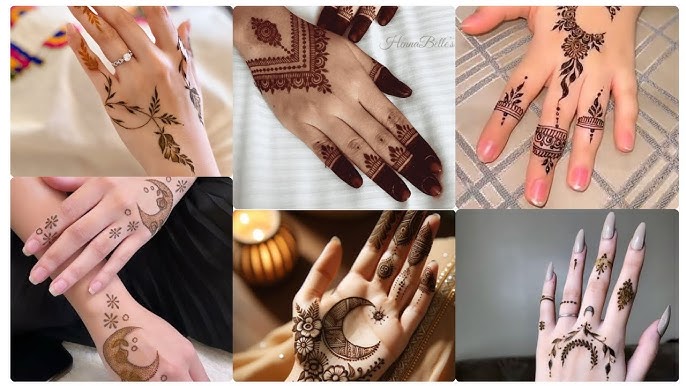
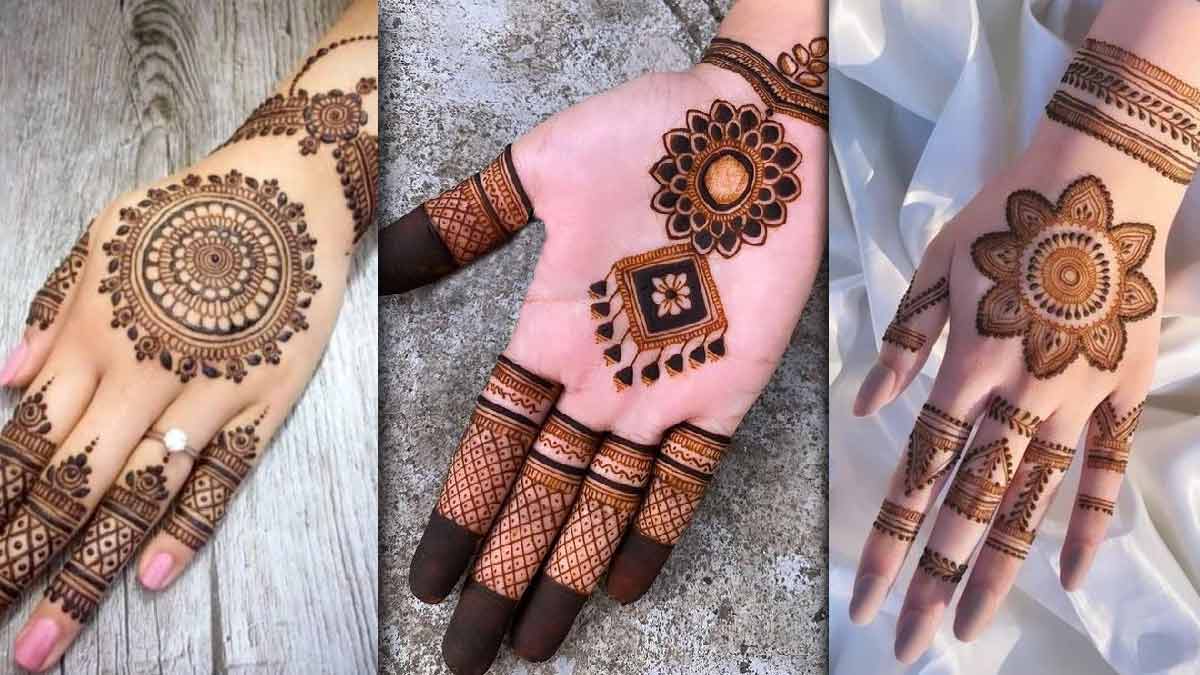
Simple front hand styles include central mandala with light finger detailing, single lotus bloom radiating from palm center, delicate vine trailing from wrist toward fingers, minimal dot arrangements in geometric formations, and simple floral sprays in the palm corner. The most loved 2026 style features a central mandala combined with soft floral patterns extending naturally toward fingers — enough detail to look finished while remaining elegantly breathable. Chand-inspired crescent moon motifs are subtle, symbolic, and look stunning on the palm.
Simple Mehendi Design for Back Hand
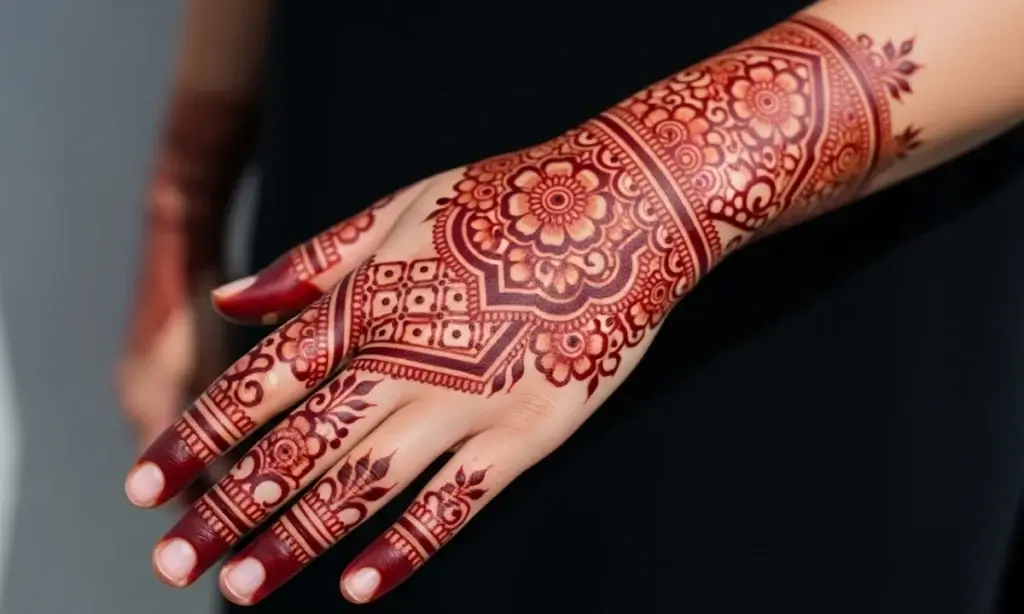
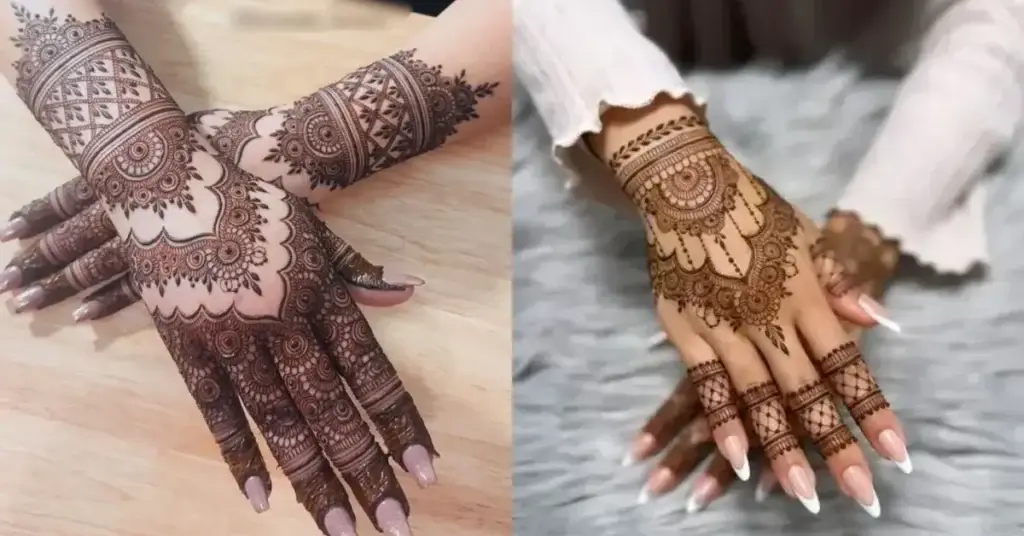
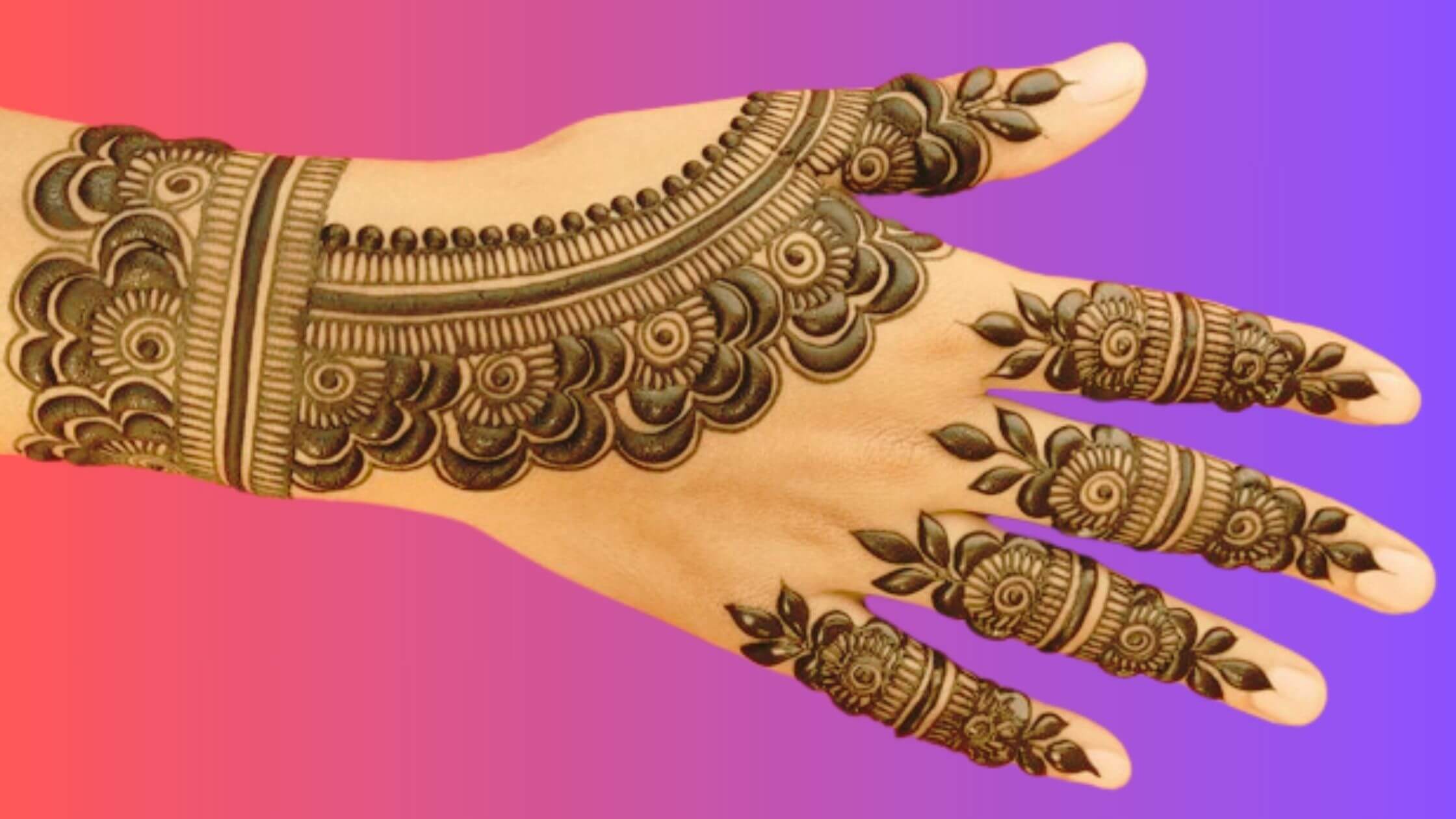
Simple mehendi design for back hands creates stylish lightweight compositions — increasingly popular for the comfort-focused 2026 philosophy. Ideas include floral vine trails from wrist toward fingertips, bracelet style bands wrapping elegantly around the wrist, diagonal Arabic florals, minimal leaf compositions, and geometric band patterns. Bracelet or cuff style wraps around the wrist like jewelry connecting to a small motif on the back — looks stylish, takes less time, requires no advanced skills. Ideal for bridesmaids, sisters of the bride, and brides wanting subtle understated elegance.
Simple Bridal Mehendi Design 2026
Modern brides in 2026 confidently choose elegant restraint over heavy full-coverage expectations. Trending styles include moonlit motifs, clean half-hand patterns, leafy trails, delicate jharokhas, and strategic negative space. Personalized elements — partner’s name hidden in patterns, wedding date in border details, couple silhouettes in central medallions — create deeply meaningful compositions. Half-hand simple bridal mehndi keeps things neat, breathable, and super stylish throughout every ceremony and photographic session.
Minimal Mehendi Design Simple for Modern Women
Strategic negative space uses empty skin areas as deliberately planned design elements — creating visual sophistication that dense overcrowded patterns cannot replicate. Floating element minimal designs place isolated small motifs — single flower, delicate mandala, or minimal vine — with extraordinary spatial awareness on otherwise bare skin. Jharokha style is trending everywhere in 2026 — royal palace-inspired compositions that feel architecturally sophisticated yet surprisingly quick to apply.
Simple Mehendi Design for Beginners
Start with basic shapes like dots, lines, and gentle curves to build essential hand control. Practice on paper before applying to skin — dramatically improves confidence, line consistency, and design proportion. Use a quality cone with a fine tip — fresh high-quality henna makes the single biggest difference. Rest the application elbow on a flat stable surface throughout the entire process for consistent professional-quality lines.
Simple Mehendi Design for Kids
Simple mehendi design for kids applies in 5 to 10 minutes maximum — keeping young participants happy, cooperative, and genuinely excited. Butterfly, heart, star, and small flower designs are recognizable beloved shapes. Animal-themed designs featuring tiny elephants, small birds, or cute paw prints apply quickly and create memorable moments. Always use 100% natural chemical-free henna — never use black chemical henna containing dangerous PPD on children’s skin under any circumstances.
Simple Mehendi Design for Eid 2026
Crescent moon motifs, Islamic geometric elements, and festive Arabic florals apply quickly for entire families before morning prayers. Simple floral art and elegant patterns have always been favorites for Eid — they honor tradition without extended uncomfortable application sessions. Crescent and star designs carry deep Islamic cultural significance. Geometric band designs inspired by Islamic architectural patterns create sophisticated contemporary festival henna.
Simple Mehendi Design for Diwali and Other Festivals
Diwali: elegant diya lamp motifs, minimal lotus flowers symbolizing Goddess Lakshmi, and prosperity symbols — bright simple patterns reflecting the Festival of Lights spirit. Karva Chauth: romantic moon symbols, gentle couple motifs, and delicate floral compositions applying in 30 to 45 minutes. Teej: fresh floral patterns, nature-inspired vine compositions, and traditional motifs connecting women to ancient seasonal celebration traditions.
Step By Step Simple Mehendi Design Tutorial
Step 1 — Choose the Right Design: Beginners choose dot-and-flower patterns, intermediate applicators attempt simple Arabic florals or minimal mandala compositions.
Step 2 — Prepare Henna and Skin: Quality fine-tip cone with fresh henna. Clean hands thoroughly removing all moisturizer, lotion, and oil — clean dry skin produces significantly darker final color.
Step 3 — Practice on Paper First: Dramatically improves confidence, line consistency, and design proportion before applying to skin.
Step 4 — Start With Central Element: Begin with the most important element — central flower, mandala, or statement motif — positioned precisely in the palm or back hand center. Light pressure, let design flow naturally without rushing.
Step 5 — Add Supporting Elements: Extend complementary supporting elements from central focal point toward wrist and fingers. Keep supporting elements lighter and less detailed than the central composition.
Step 6 — Allow Proper Drying Time: Let dry fully. Minimum 4 to 6 hours for deeper stain — avoid washing with water immediately after application.
Expert Tips
Use quality fine-tip cone with fresh henna — old dried henna produces disappointing light results regardless of skill. Keep elbow rested on flat surface throughout for maximum steadiness. Focus on symmetry — balanced patterns look more professional. Practice balancing similar patterns on both hands before important occasions.
Aftercare for Darkest Color
Leave paste on minimum 4 to 6 hours — overnight produces richest darkest results. Apply lemon juice on dried mehendi to make color significantly darker. Scrape — do not wash — dried paste off. Avoid soap for several hours after removal. Apply coconut or olive oil twice daily to maintain richness throughout complete development period.
Frequently Asked Questions
Q: Most popular simple mehendi design in 2026? Minimal mandala with light finger detailing — elegant, balanced, and photographs beautifully for every occasion.
Q: Easiest for complete beginners? Dot-and-flower combinations, simple vine trails, bracelet wrist bands, and basic geometric finger patterns.
Q: How long does application take? 20 to 45 minutes depending on complexity. Minimal bracelet styles take 15 to 20 minutes; detailed Arabic or mandala compositions take 45 to 60 minutes maximum.
Q: Does simple look as good as heavy traditional? Absolutely — simple designs often look more sophisticated and photograph more beautifully. Strategic negative space creates elegance that busy overcrowded coverage cannot replicate.
Q: Can I apply at home without professional artist? Yes — practice on paper first, use quality fine-tip cone, work in good natural lighting, support your elbow, and start with simplest patterns.
Q: Best for kids? Butterfly, heart, star, flower, and small animal patterns — apply in 5 to 10 minutes using only 100% natural henna.
Q: How to make color darker? Keep paste on 6 to 8 hours minimum, apply lemon juice while drying, avoid water completely 24 hours after removal, moisturize twice daily with natural oils.
Q: Best for Eid? Simple Arabic florals, crescent and star compositions, and Islamic geometric band patterns — applying quickly for entire families before morning prayers.
Q: How long does it last? 1 to 2 weeks with proper aftercare — simple designs fade more gracefully maintaining visual clarity throughout natural fading process.
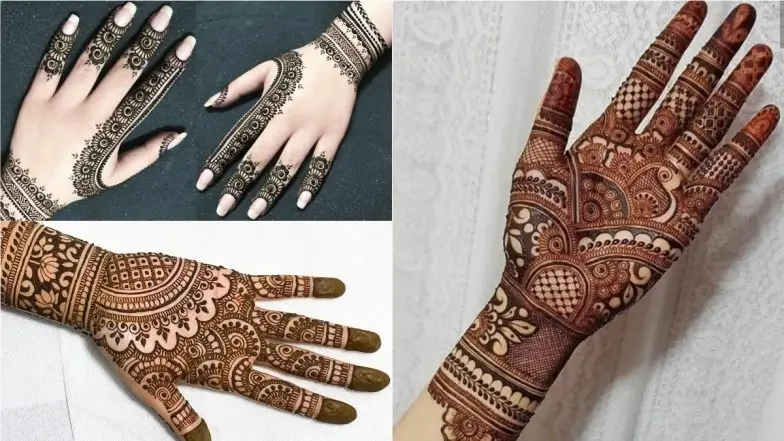
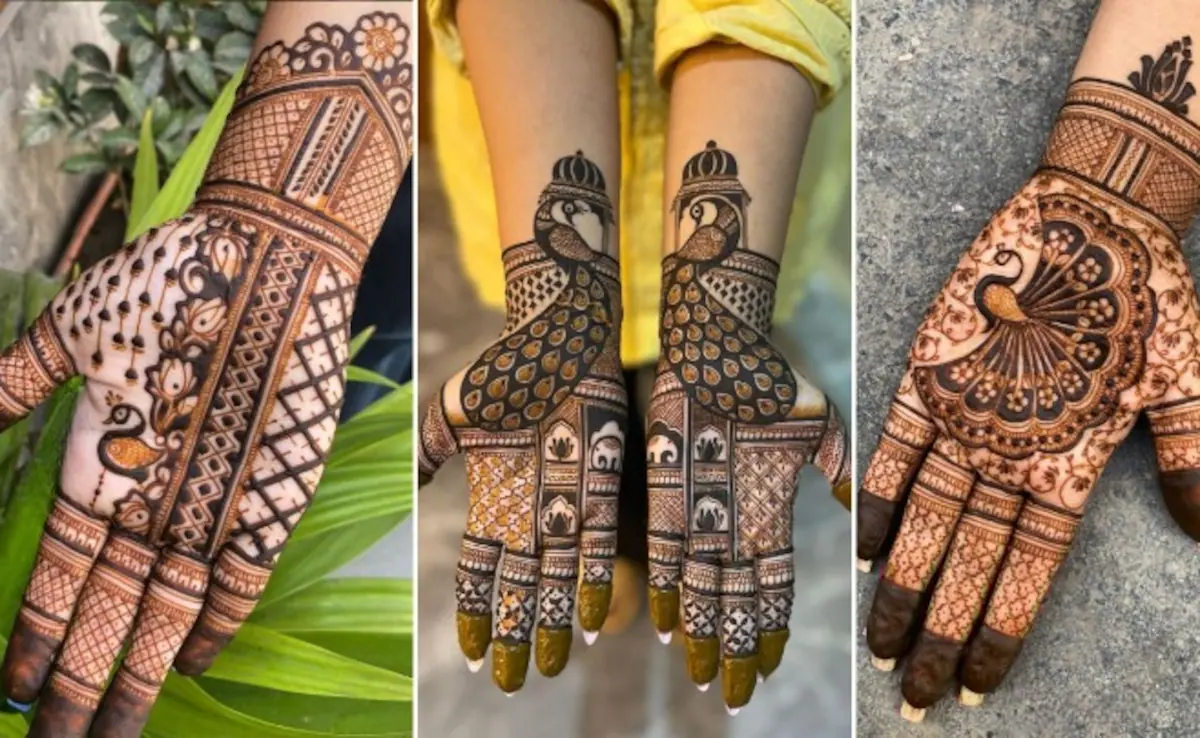
Q: Difference from heavy traditional mehndi? Simple uses strategic negative space, focused statement motifs, and minimal coverage. Traditional fills every surface with dense intricate patterns requiring hours of application.