
Introduction
Mehndi design has been a cherished form of body art for centuries, bringing joy and beauty to celebrations across cultures. This ancient tradition continues to evolve with modern patterns while honoring its rich cultural heritage.
Whether you’re preparing for a wedding, festival, or any special event, choosing the perfect mehndi design can transform your look. From simple patterns for beginners to intricate bridal designs, there’s a style for everyone.
What is Mehndi Design and Why is it Important?
Mehndi, also known as henna art, is created using a natural paste made from the powdered leaves of the henna plant (Lawsonia inermis). This beautiful tradition dates back thousands of years and holds deep cultural significance in Indian, Pakistani, Middle Eastern, and North African communities.
The application of mehndi is believed to bring good luck, prosperity, and happiness to those who wear it. In wedding ceremonies, the darkness of the bride’s mehndi is traditionally thought to symbolize the depth of love between the couple.
Beyond its cultural importance, mehndi serves as a natural skin protectant and creates stunning temporary designs. The reddish-brown stain typically lasts 1-3 weeks, making it a perfect alternative to permanent tattoos.
Popular Types of Mehndi Design Styles
Arabic Mehndi Design
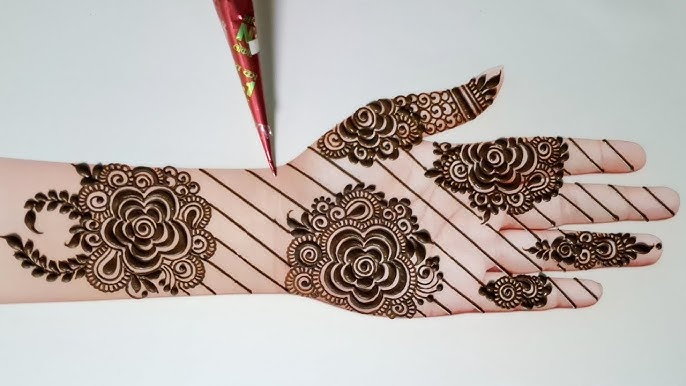
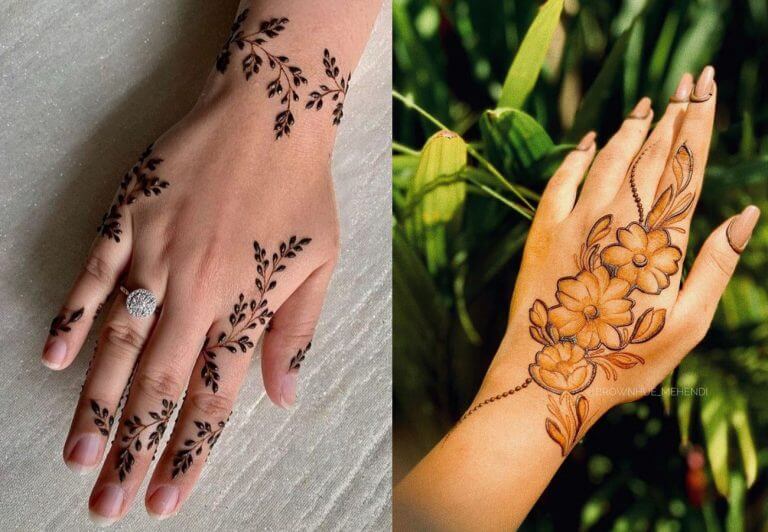
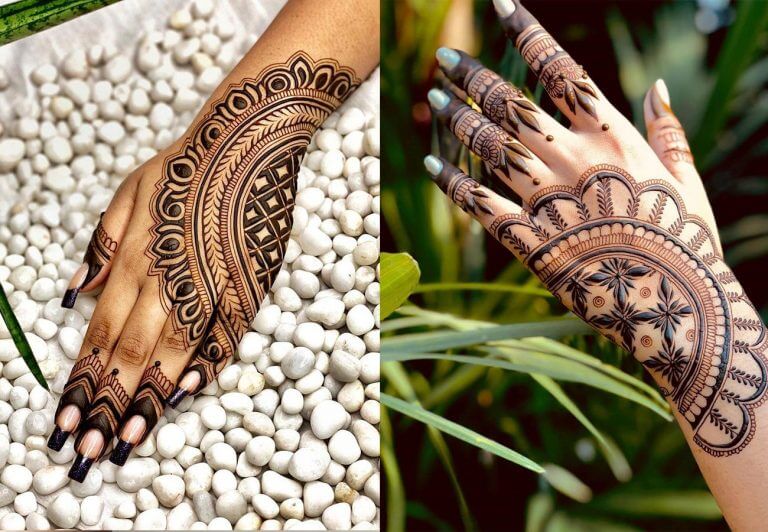
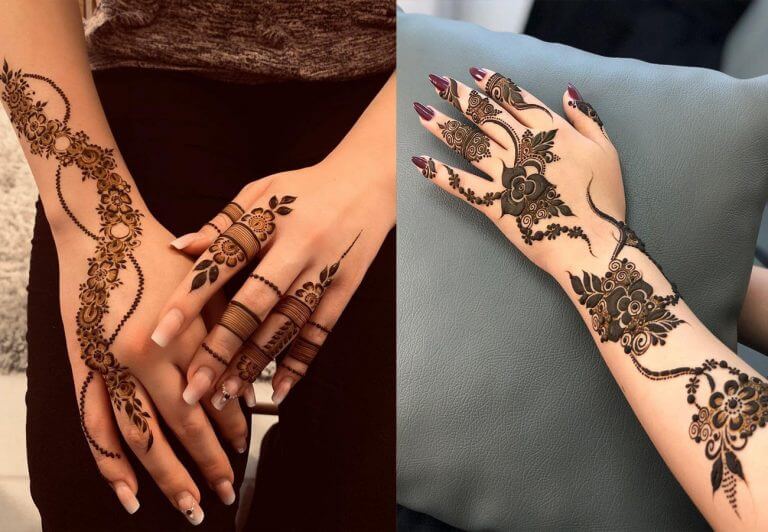
Arabic mehndi design features bold, flowing patterns with plenty of open space between elements. These designs typically include large floral motifs, leaves, and vines that create an elegant, modern look.
The beauty of Arabic patterns lies in their simplicity and bold strokes. They’re perfect for beginners and those who prefer minimalist aesthetics over heavy coverage.
Indian Mehndi Design
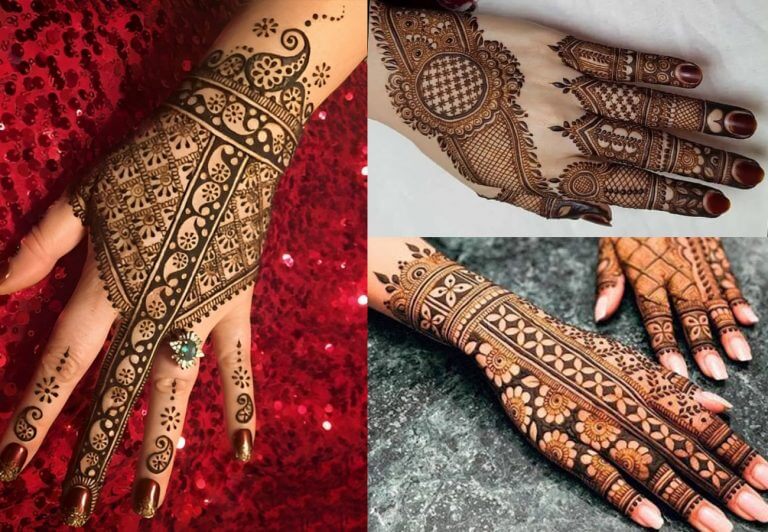
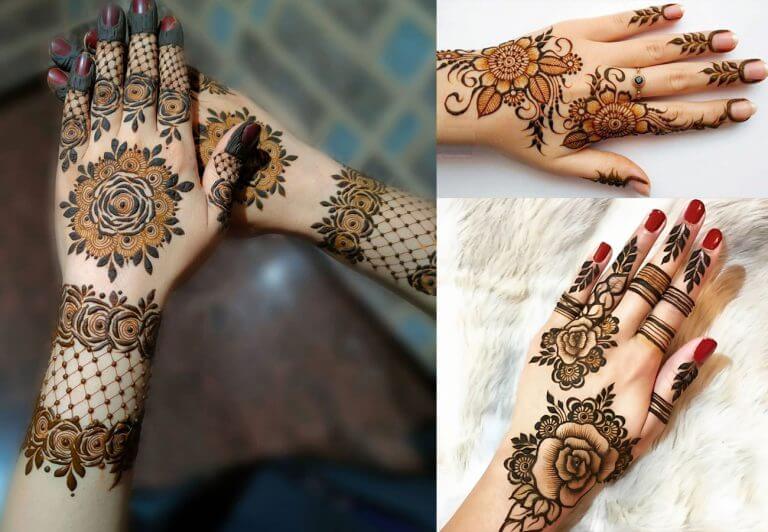
Indian mehndi design is known for its intricate details and full coverage patterns. These designs often feature paisley motifs, peacocks, mandalas, and fine line work that covers the entire hand and extends to the forearms.
Traditional Indian designs also incorporate cultural symbols like the lotus flower, elephants, and religious motifs. The complexity makes them ideal for brides and special occasions.
Pakistani Mehndi Design
Pakistani mehndi design combines the best of both Arabic and Indian styles. These patterns blend bold outlines with intricate filling work, creating a balanced and sophisticated appearance.
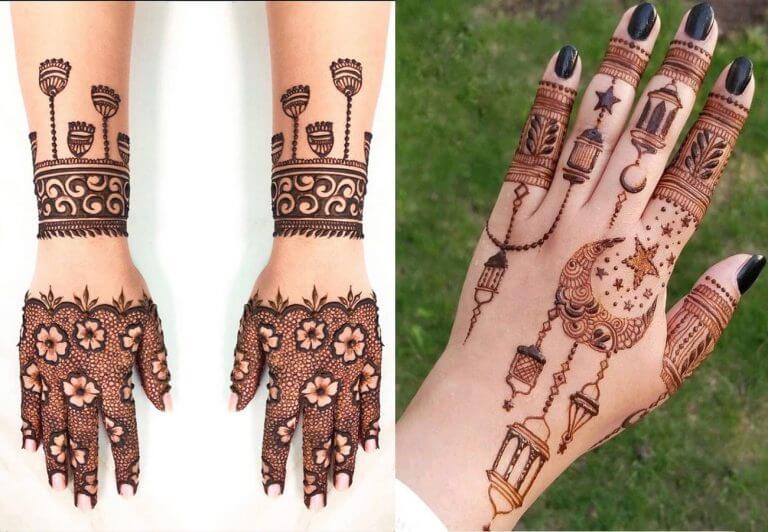
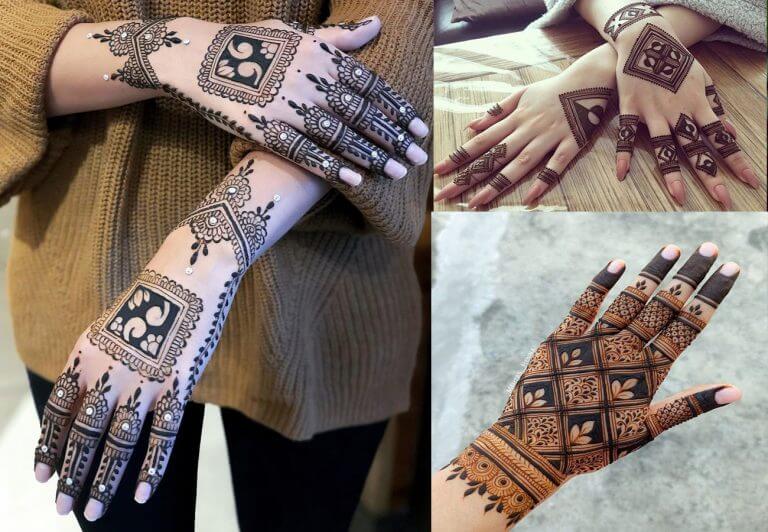
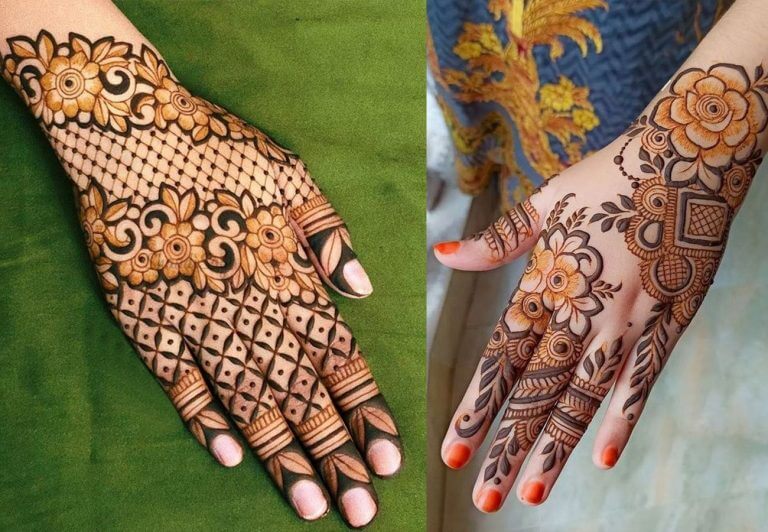
Pakistani designs often feature geometric patterns, checkered fills, and architectural elements like domes and jharokhas. They’re versatile enough for both casual and formal events.
Moroccan Mehndi Design
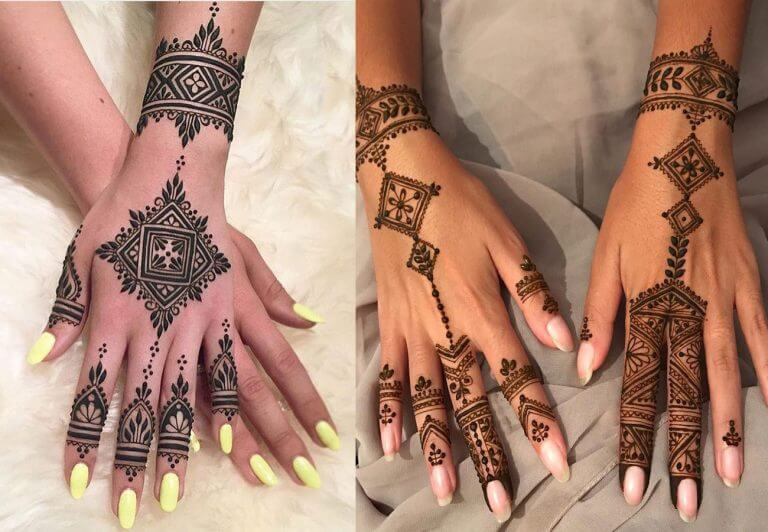
Moroccan mehndi design stands out with its geometric precision and symmetrical patterns. These designs feature diamonds, dots, straight lines, and angular shapes inspired by Moroccan architecture.
The stark geometric style creates a contemporary look that’s gaining popularity worldwide. It’s perfect for those who appreciate modern, architectural aesthetics.
Simple Mehndi Design for Beginners
Starting your mehndi journey doesn’t require complex skills. Simple mehndi design options are perfect for beginners, kids, and those who prefer minimalist beauty.
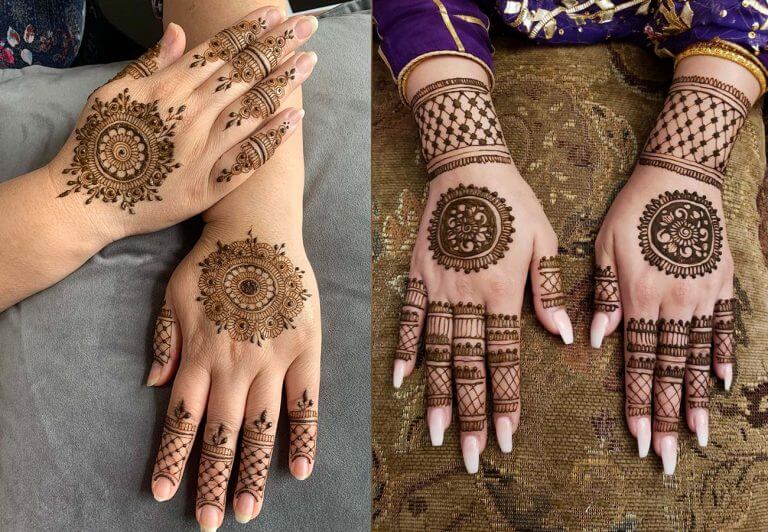
Basic patterns include finger designs, bracelet-style bands, single-finger trails, small florals on the back of hands, and minimalist dots and lines. These designs take less time to apply and are easier to practice.
Easy Front Hand Mehndi Design
Front-hand designs typically start with a central circular or floral motif on the palm. From there, delicate vines or patterns extend toward the fingers and wrist.
Beginners can start with a simple mandala in the center and add basic floral trails. This creates an elegant look without overwhelming complexity.
Back Hand Mehndi Design
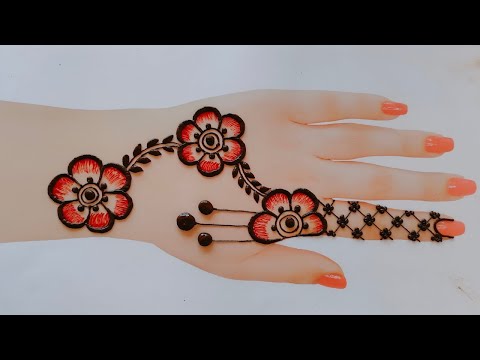
Backhand mehndi design offers ma ore visible canvas and is perfect for showcasing your artistic skills. Popular patterns include floral trails from wrist to fingers, peacock designs, Arabic-style bold florals, and mesh or net patterns.
The back of the hand is ideal for creating flowing, asymmetrical designs that move naturally with hand gestures. Many prefer backhand patterns for their visibility and aesthetic appeal.
Bridal Mehndi Design: Making Your Wedding Day Special
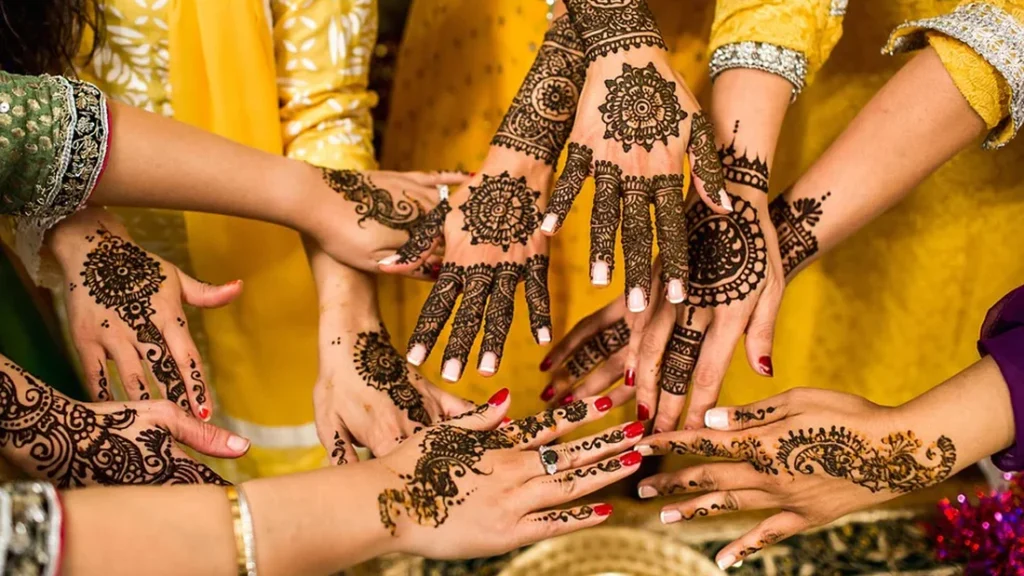
Bridal mehndi design holds immense importance in wedding traditions. The mehndi ceremony, usually held 1-2 days before the wedding, is a joyous celebration filled with music, dance, and bonding.
Brides typically opt for full coverage designs that extend from fingertips to elbows and from toes to knees. These elaborate patterns often take 4-8 hours to complete.
Trending Bridal Mehndi Design Elements
Modern brides are personalizing their mehndi with unique elements. Popular additions include couple portraits showing bride and groom, initials or names hidden in the design, significant dates or locations, and personalized symbols representing the couple’s story.
Some brides also incorporate modern elements like cartoon characters, travel themes, or professional symbols. These personal touches make the mehndi truly one-of-a-kind.
Dulhan Mehndi for Feet
Feet Mehndi design is equally important for brides. Traditional patterns include anklet designs, toe rings, floral coverage from toe to ankle, and matching motifs with hand designs.
The mehndi complements the overall bridal look and is especially visible when wearing traditional footwear. Many designs feature symmetrical patterns on both feet for balance and beauty.
Festival Mehndi Design Ideas
Beyond weddings, mehndi design plays a significant role in various festivals and celebrations. Each occasion calls for different styles and complexity levels.
Karva Chauth Mehndi Design
Karva Chauth is a special occasion where married women apply mehndi as part of the ritual. Designs often include moon and stars, peacocks symbolizing beauty and grace, traditional motifs with husband’s name, and elegant patterns that suit the festive occasion.
These designs typically cover the palms and fingers with medium complexity patterns. The focus is on beauty and cultural significance.
Eid Mehndi Design
Eid celebrations call for fresh, beautiful mehndi patterns. Popular choices include Arabic floral designs, minimal geometric patterns, simple yet elegant styles, and quick-drying designs for last-minute applications.
Eid mehndi tends to be lighter and simpler than bridal designs, allowing for comfortable wear during prayers and celebrations.
Diwali Mehndi Design
Diwali, the festival of lights, inspires mehndi designs featuring diyas (lamps), rangoli patterns, lotus flowers, and auspicious symbols. These designs celebrate prosperity, light, and new beginnings.
Many opt for traditional Indian patterns with religious symbols. The designs can range from simple to elaborate, depending on personal preference.
Modern Mehndi Design Trends in 2025
The world of mehndi is constantly evolving with fresh, innovative trends. Contemporary designs blend tradition with modern aesthetics.
Current trending styles include minimalist single-line designs, white henna for a contemporary twist, colored mehndi with glitters and gems, negative space designs, and fusion patterns mixing different cultural styles.
Finger Mehndi Design
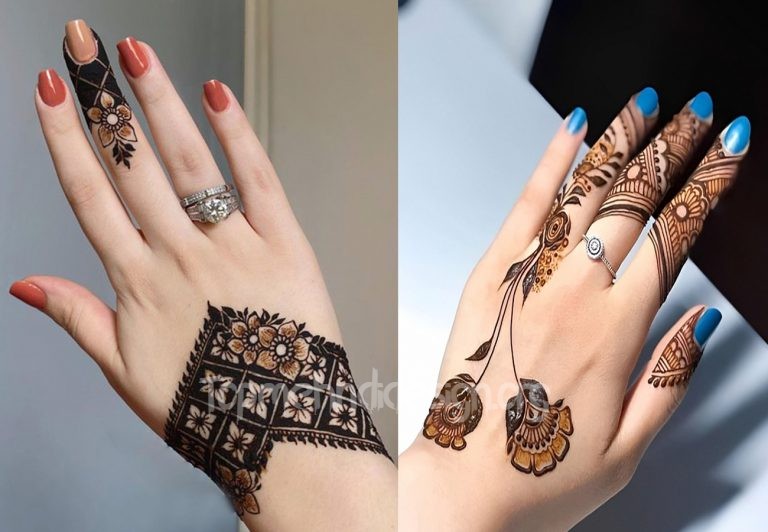
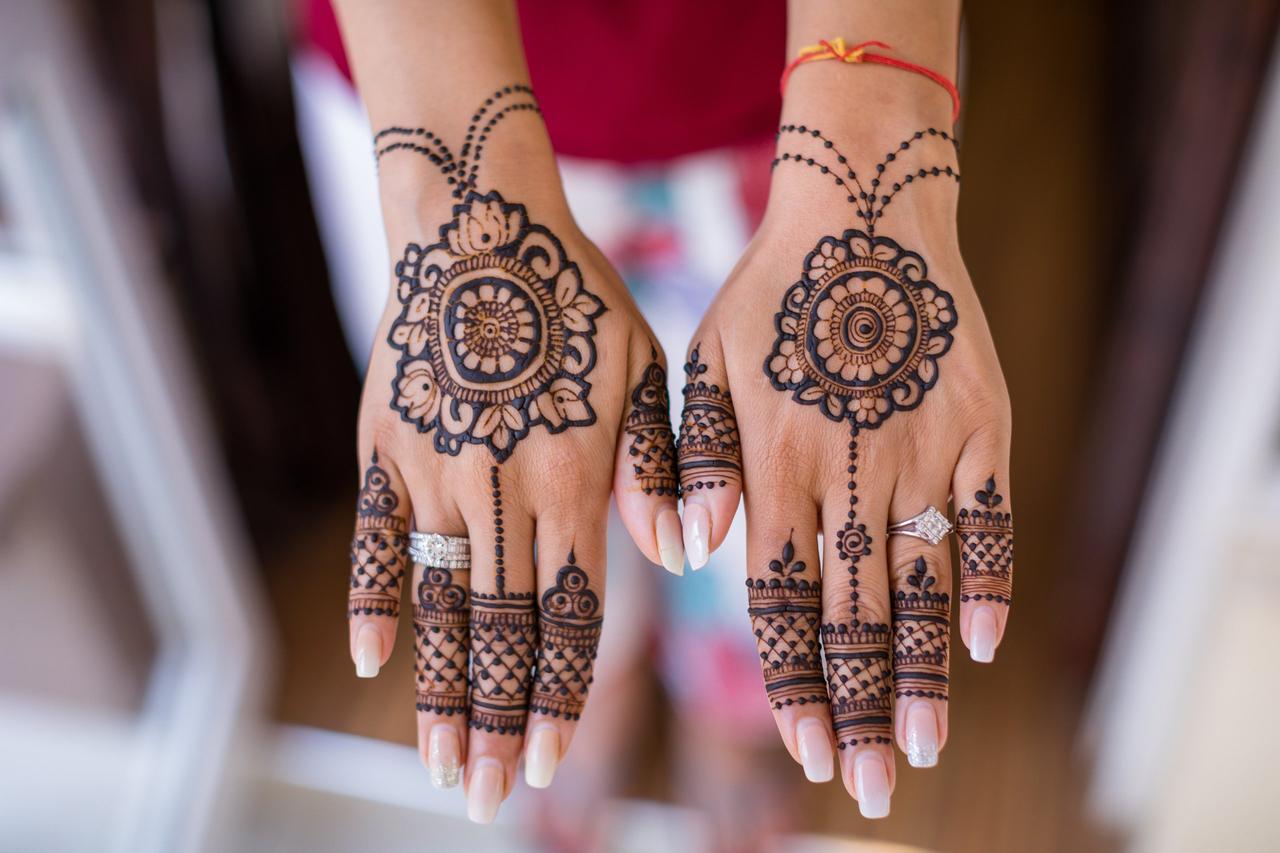
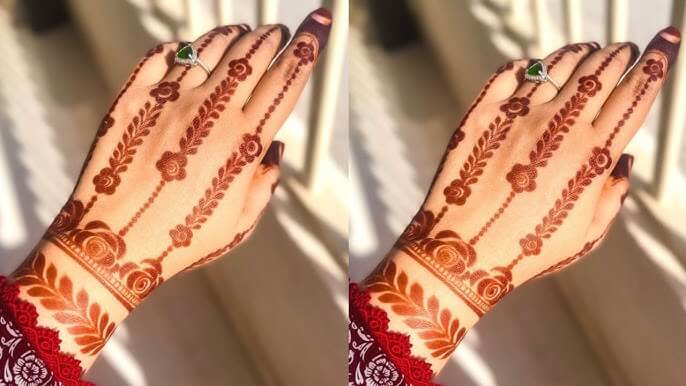
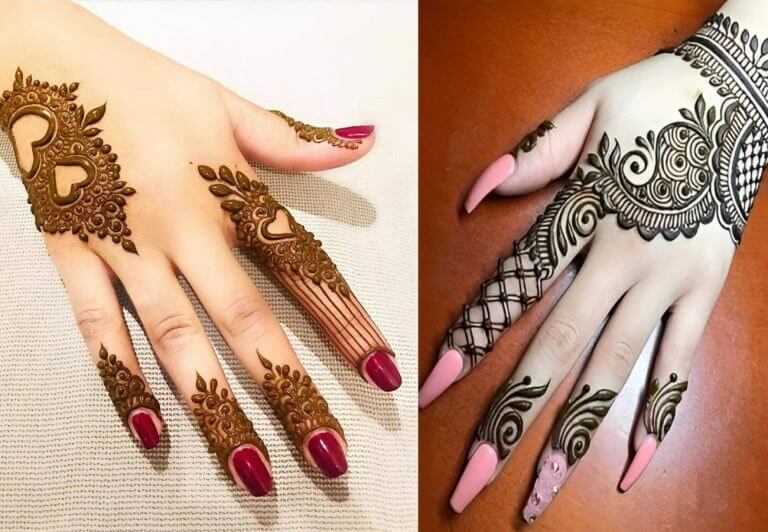
Finger-only mehndi has become incredibly popular for its subtle elegance. These designs include ring-style patterns on one or multiple fingers, dots and lines creating minimal art, floral or leaf tips, and geometric bands wrapping around fingers.
Finger designs are perfect for office settings, casual events, or when you want just a touch of mehndi beauty. They’re quick to apply and look sophisticated.
Wrist and Bracelet Mehndi Design
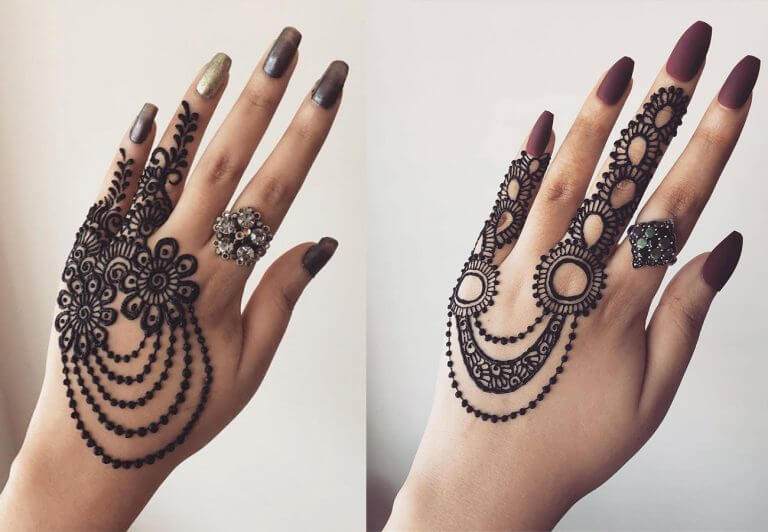
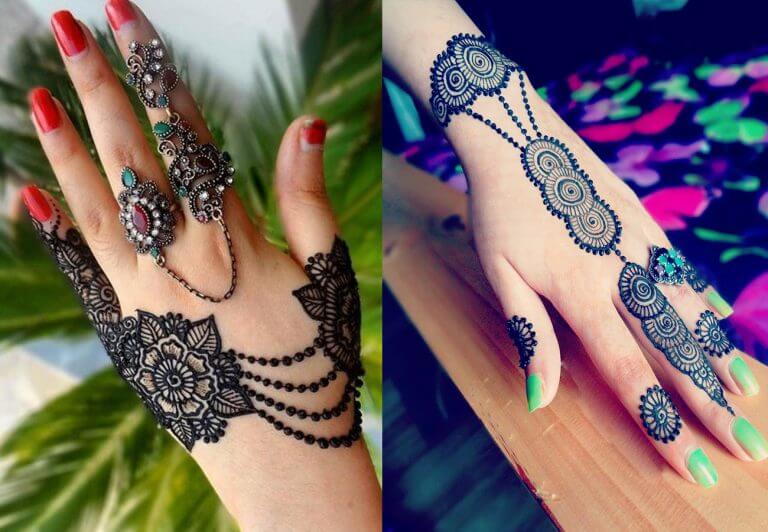
Bracelet-style mehndi creates the illusion of wearing jewelry. Popular patterns include mandala bracelets encircling the wrist, chain-link designs, floral bangles, and geometric bands.
These designs can stand alone or complement larger hand patterns. They’re particularly popular among working professionals who want subtle mehndi art.
How to Apply Mehndi Design at Home
Creating beautiful mehndi at home is easier than you think with the right techniques and practice.
Preparing the Perfect Mehndi Paste
For best results, use high-quality henna powder, mix with tea or coffee for darker stains, add lemon juice and sugar for paste consistency, and let it sit for 6-8 hours before application.
The paste should have the consistency of toothpaste for smooth application. Store in an airtight container in the refrigerator if not using immediately.
Application Tips for Beginners
Start with simple patterns to build confidence. Hold the cone at a 45-degree angle with steady hand pressure, practice on paper first, and begin from the center and work outward.
Keep tissues handy for mistakes and take breaks to avoid hand fatigue. Remember, practice makes perfect with mehndi art.
Getting Darker Mehndi Stain
To achieve a deep, dark mehndi color, keep the paste on for at least 6-8 hours, apply a lemon-sugar mixture while drying, scrape off paste gently without washing, and avoid water contact for 12-24 hours.
Heat also helps darken the stain. Some people apply clove smoke or heat their hands gently after removing the paste.
Mehndi Design for Different Occasions
Engagement Mehndi Design
Engagement ceremonies call for elegant yet not-too-heavy designs. Popular choices include half-hand coverage, minimal floral patterns, a couple of initials incorporated subtly, and contemporary fusion designs.
The engagement mehndi should complement your outfit without overwhelming your overall look. Medium coverage designs work best.
Birthday Mehndi Design
Birthday celebrations allow for fun, creative mehndi patterns. Consider age-themed designs, favorite cartoon characters for kids, trendy minimal designs for teenagers, and personalized elements reflecting hobbies.
Birthday mehndi can be playful and experimental. It’s a great time to try new styles without pressure.
Party and Function Mehndi Design
For casual parties and family functions, choose quick-drying patterns, medium coverage designs, modern geometric styles, and comfortable patterns that don’t restrict movement.
These designs should enhance your appearance without demanding too much time or aftercare attention during the event.
Mehndi Design Care and Maintenance
Proper aftercare ensures your mehndi lasts longer and develops a beautiful dark color. After removing the dried paste, avoid soap and water for 24 hours, moisturize regularly with natural oils, limit chlorine exposure from pools, and protect from excessive sun or heat.
The mehndi stain naturally fades over 1-3 weeks. Gentle exfoliation during bathing will gradually lighten the design.
Finding Mehndi Design Inspiration
With thousands of patterns available, finding inspiration is easier than ever. Browse Pinterest and Instagram for the latest trends, follow professional mehndi artists, save favorite designs in a personal collection, and attend mehndi workshops or watch tutorials.
Many mehndi artists share their work online, providing endless inspiration. Create a mood board of designs that resonate with your style.
Conclusion
Mehndi design is more than just body art—it’s a celebration of culture, tradition, and personal expression. Whether you choose simple minimalist patterns or elaborate bridal designs, mehndi adds beauty and meaning to life’s special moments.
Start with basic patterns, experiment with different styles, and gradually build your skills. The journey of learning mehndi is as rewarding as the final beautiful design on your hands.
Remember, every mehndi design tells a story. Make yours unique, meaningful, and perfectly suited to your personality and occasion.