Introduction
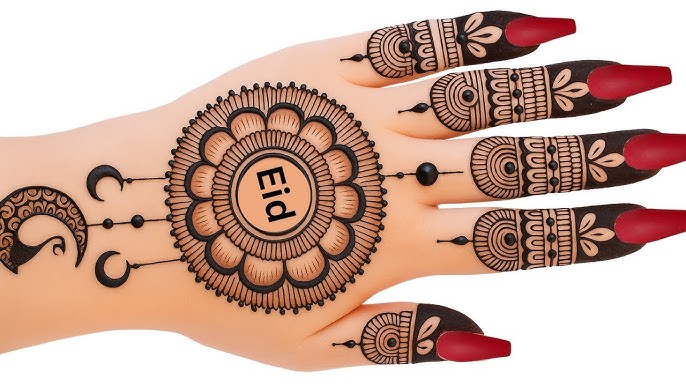
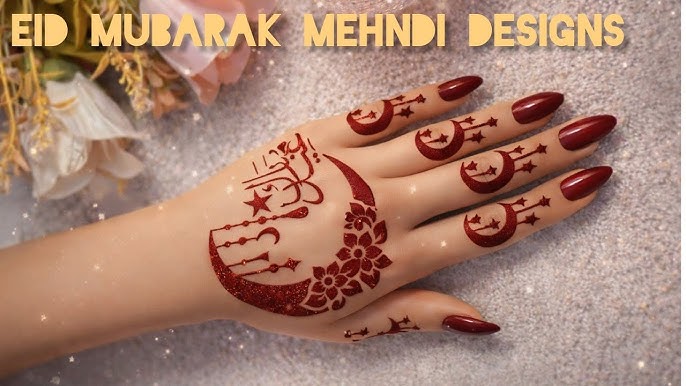
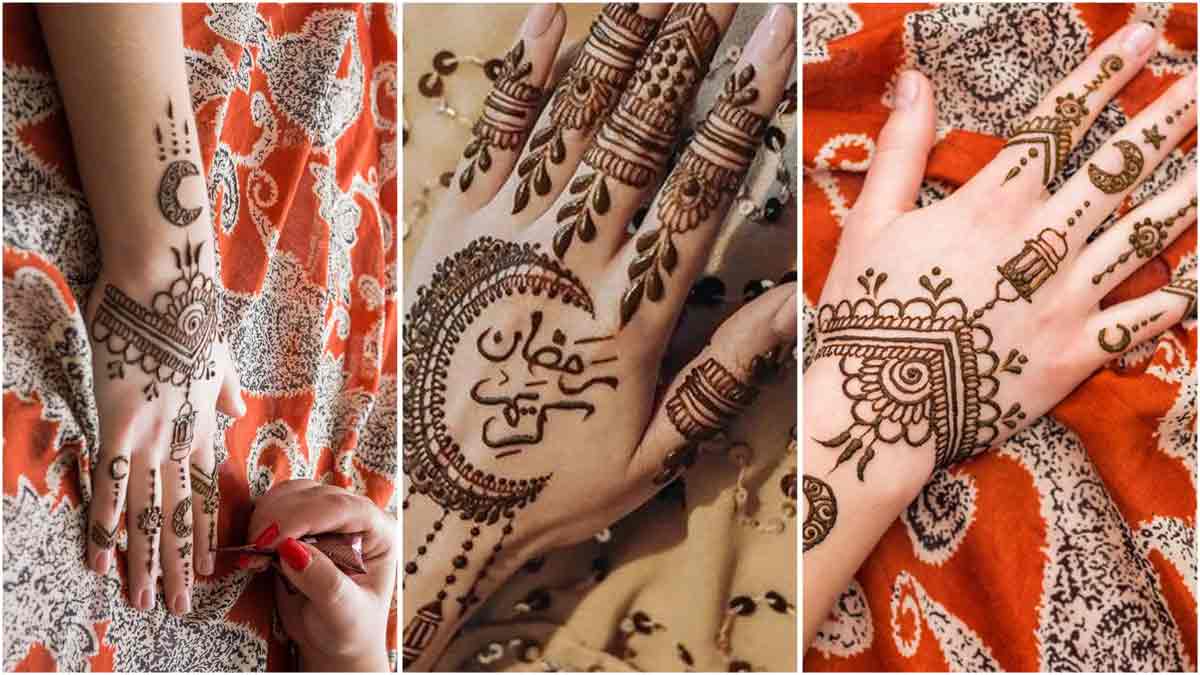
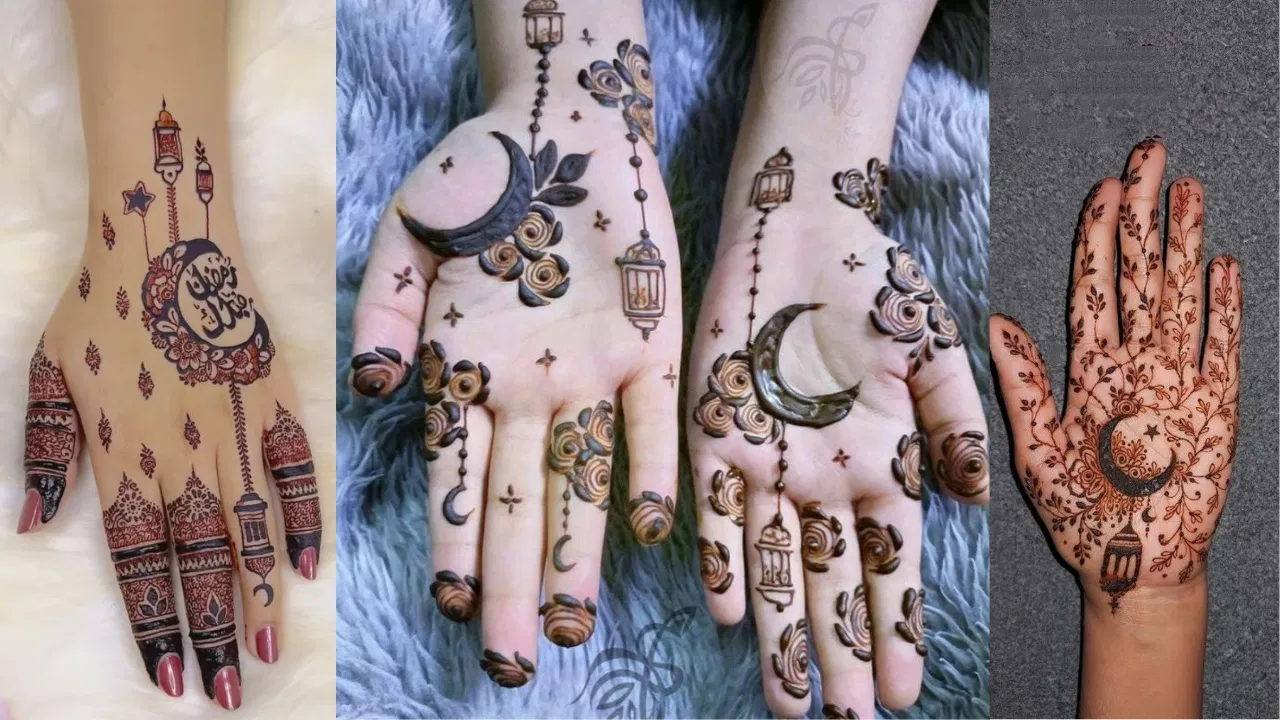
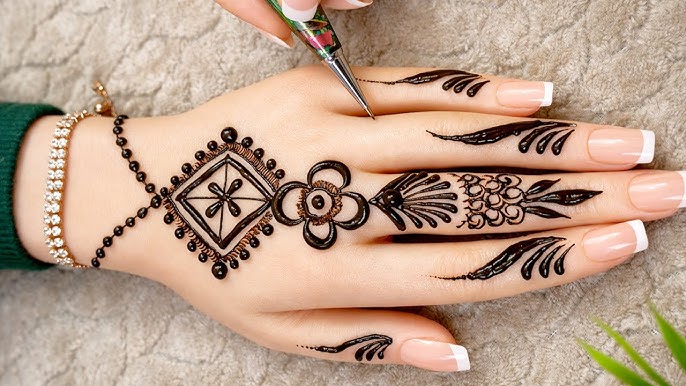
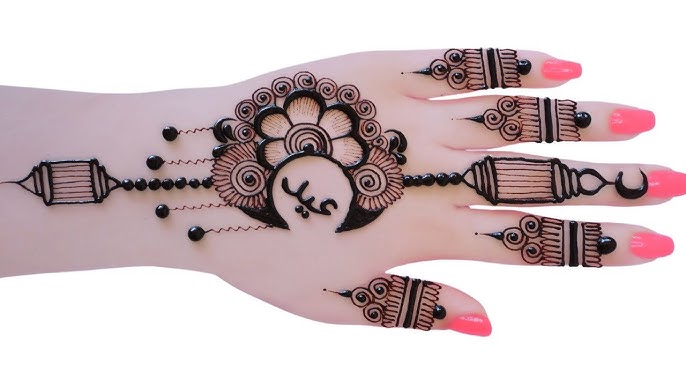
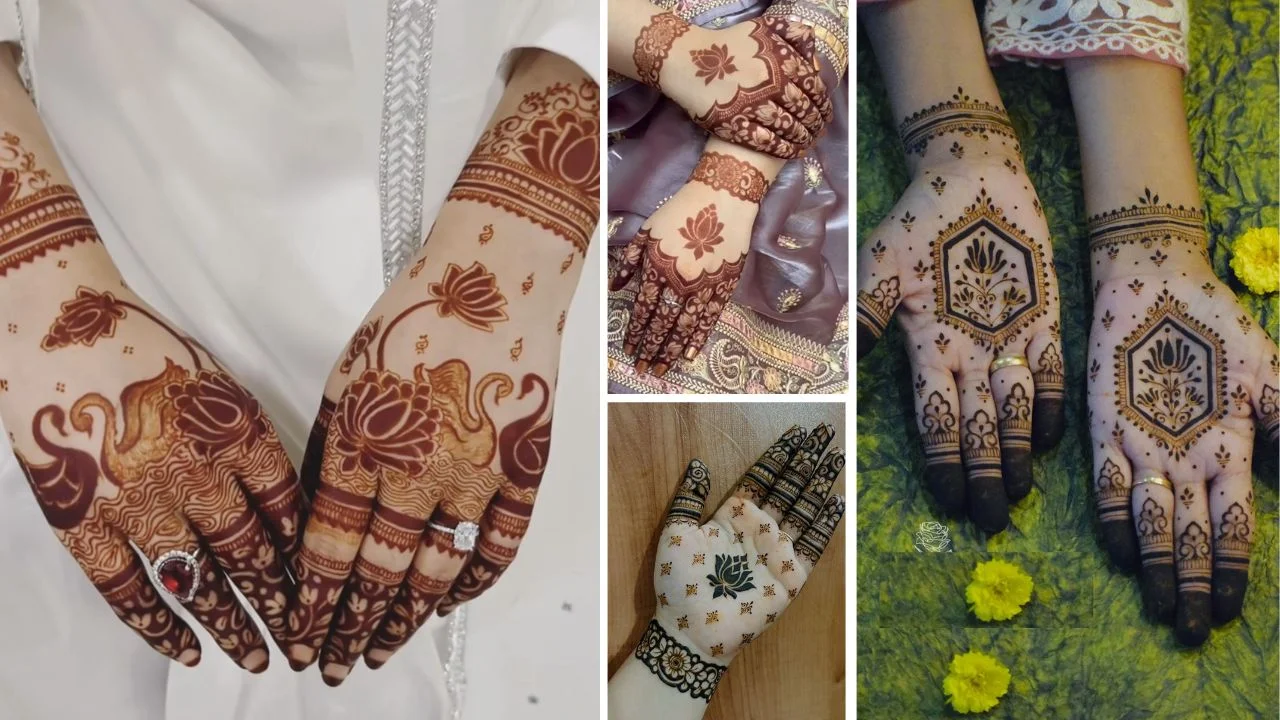
Ramadan mehndi design celebrates Islam’s most sacred month through meaningful henna artistry incorporating blessed symbols crescent moons, majestic mosques, illuminated lanterns, twinkling stars transforming hands into spiritual canvases honoring this holy period of fasting, prayer, and reflection.
These divinely-inspired patterns connect contemporary celebration with timeless Islamic tradition creating beautiful reminders of faith’s profound importance throughout every Ramadan day.
The spiritual significance of Ramadan mehndi design extends far beyond aesthetic decoration. Each applied symbol carries deep meaning crescent moon representing Islamic calendar beginning Ramadan’s blessed arrival, mosques honoring daily prayer commitments, lanterns illuminating spiritual darkness during this enlightened month.
When Muslim women adorn hands with these sacred patterns, they create wearable blessings accompanying them through Suhoor preparations, daytime fasting patience, Iftar celebrations, and Taraweeh prayers.
Understanding Ramadan’s Special Mehndi Significance
Ramadan mehndi design differs from casual festive patterns through intentional incorporation of meaningful Islamic symbols creating spiritual artistic expression rather than mere beautification.
Traditional mehndi celebrates various occasions generically; Ramadan-specific patterns honor this particular month’s sacred nature through deliberate symbol selection reflecting faith commitments and blessed observances.
The timing of Ramadan mehndi application follows Islamic lunar calendar creating unique annual variation. Chand Raat the blessed night moon sighting confirms Ramadan’s arrival traditionally sees women gathering for elaborate mehndi application sessions celebrating month’s sacred beginning.
Similarly, the night before Eid ul Fitr witnesses intensive mehndi preparation for upcoming celebrations marking Ramadan’s blessed conclusion.
Instagram and TikTok viral content featuring Ramadan mehndi design explodes annually as global Muslim community shares blessed patterns across social platforms.
Hashtags like #RamadanMehndi2026 and #IslamicHenna create virtual galleries inspiring millions seeking meaningful designs honoring sacred month appropriately while expressing contemporary aesthetic sensibilities.
Pakistani and Indian Muslim communities particularly embrace Ramadan mehndi tradition with elaborate patterns applied for Iftar gatherings, Taraweeh mosque attendance, charity events, family gatherings, and eventual Eid celebrations. This cultural practice unites faith observance with feminine beauty traditions creating blessed artistic expression.
Crescent Moon Mehndi Patterns
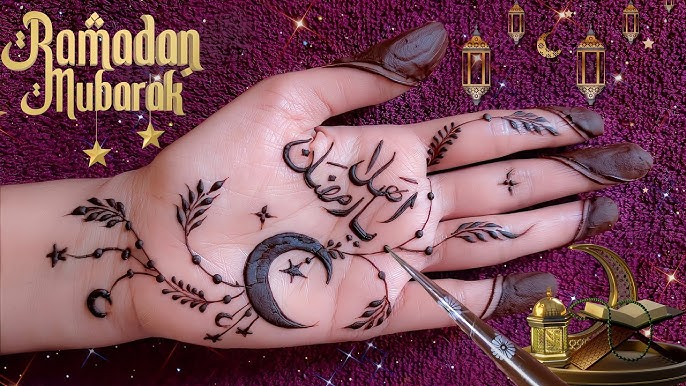
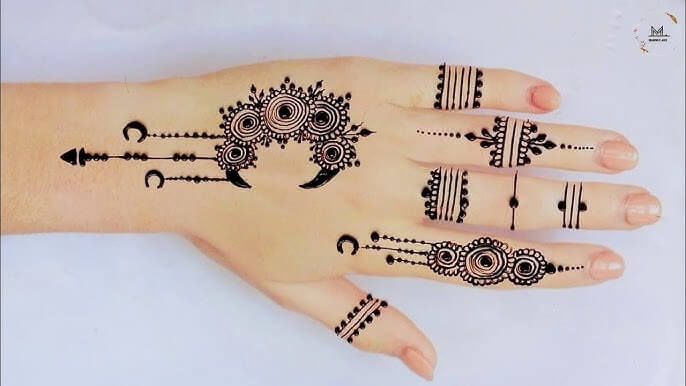
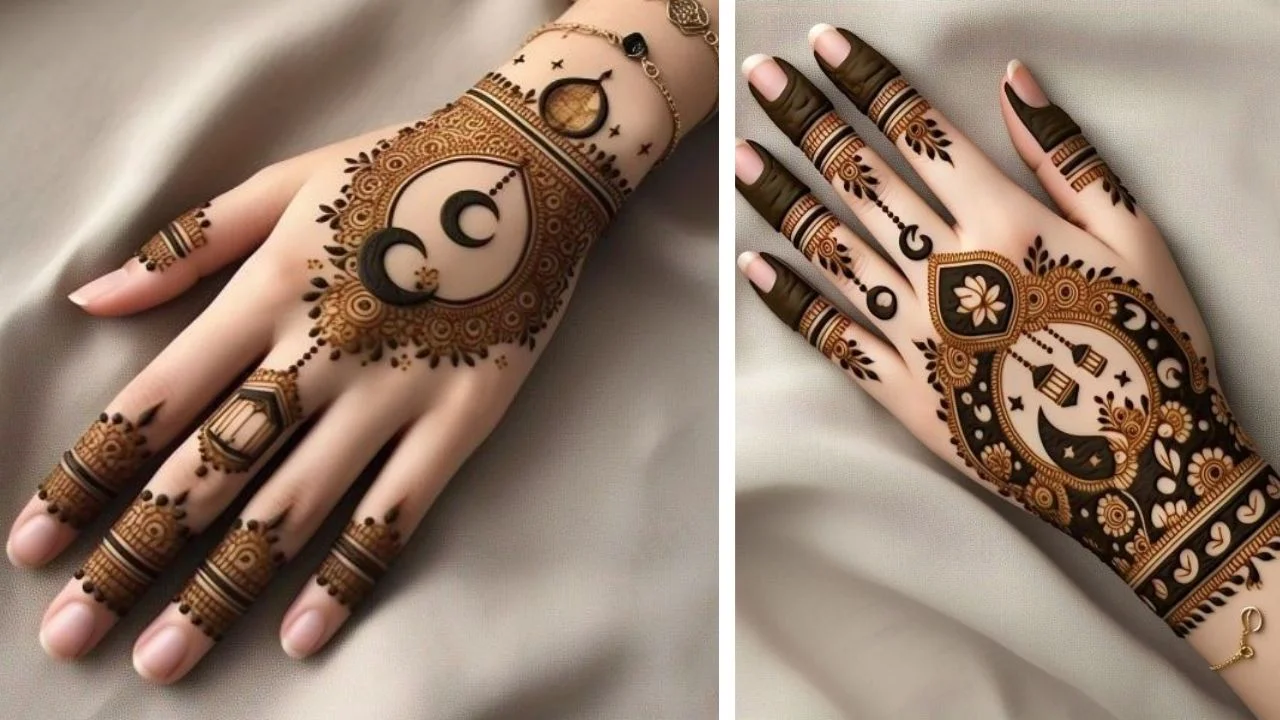
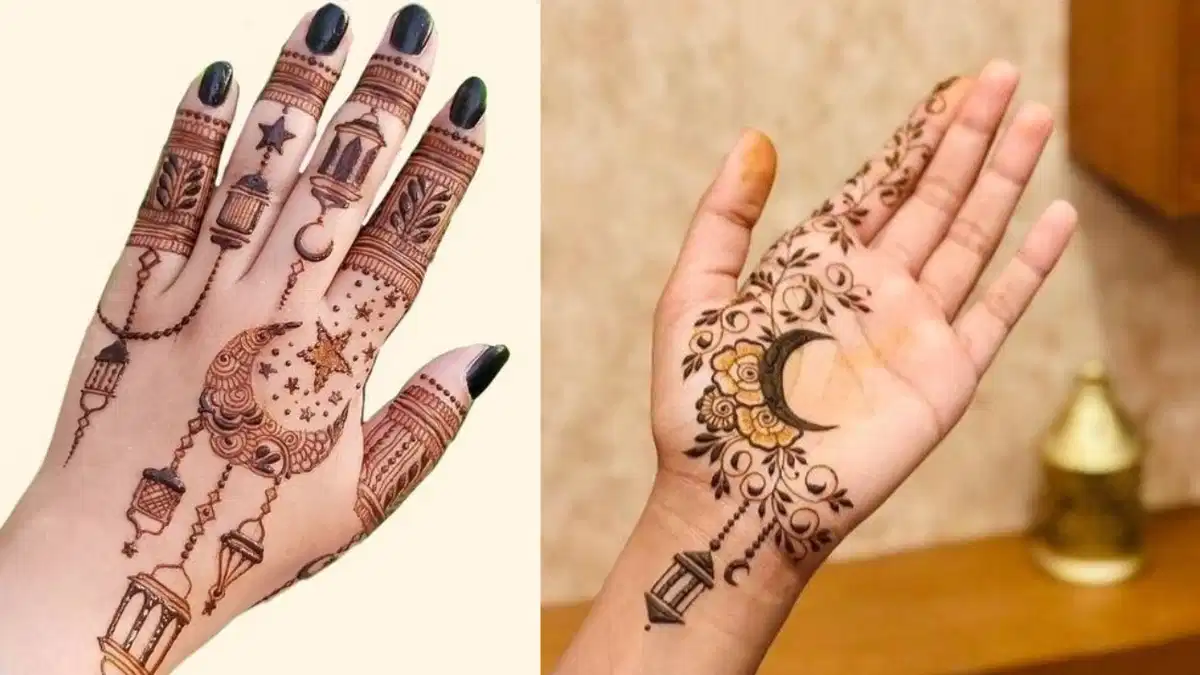
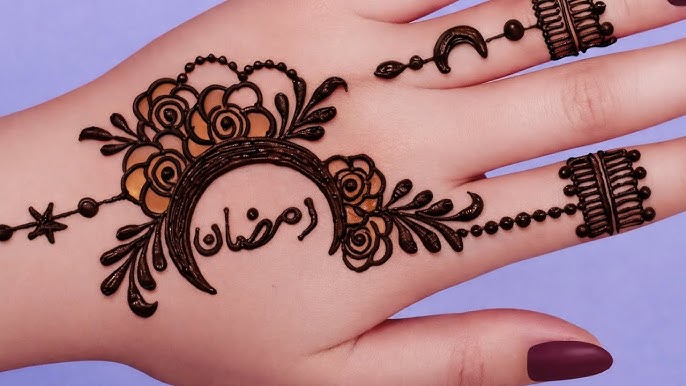
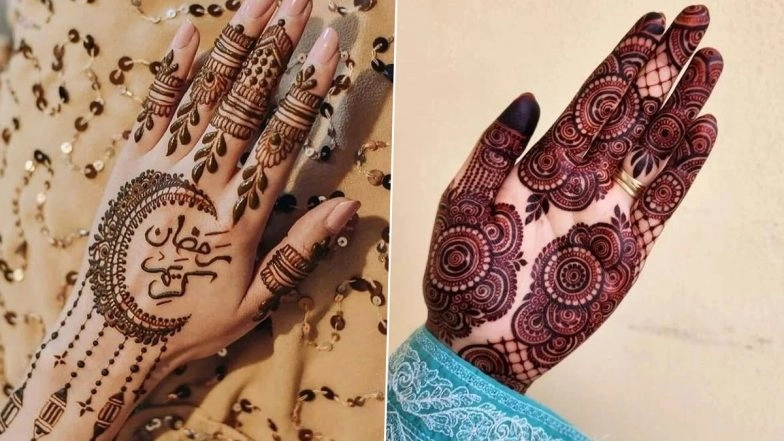
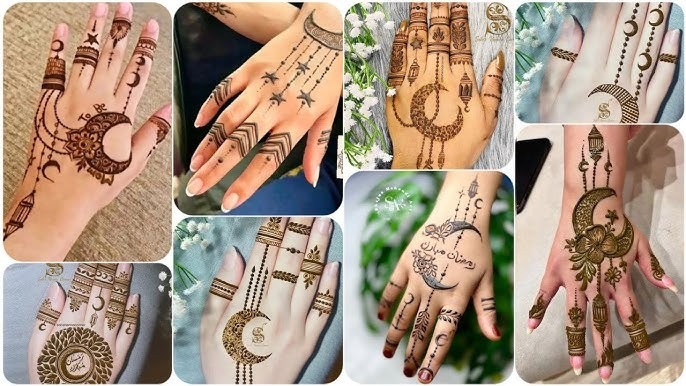
Ramadan mehndi design featuring crescent moon Islam’s most recognized symbol representing lunar calendar and blessed month.
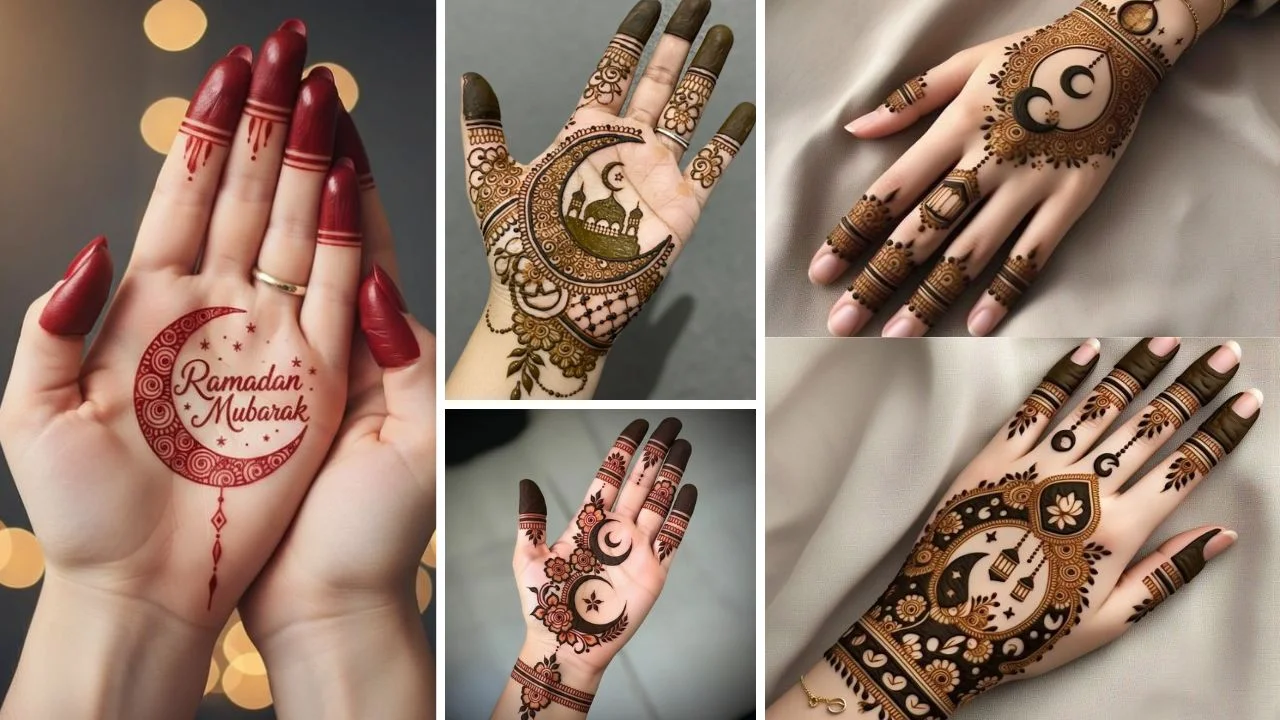
Classic Crescent Center: Large prominent crescent moon positioned palm center creates iconic Ramadan mehndi design. Add small stars scattered around moon representing blessed night sky during Taraweeh prayers. The crescent faces upward suggesting optimism and spiritual growth throughout sacred month.
Moon Phase Journey: Multiple crescents showing moon phases from new to full creates educational Ramadan mehndi design. This astronomical accuracy reflects Islamic calendar’s lunar foundation demonstrating how Ramadan dates shift annually. Position phases flowing across hand representing month’s blessed progression.
Floral Moon Combination: Crescent moon surrounded by delicate flowers creates balanced Ramadan mehndi design. Botanical elements soften geometric moon creating feminine spiritual aesthetic. Small jasmine or rose petals encircling crescent suggests earthly beauty honoring divine creation.
Moon and Star Duo: Traditional crescent paired with five-pointed star creates classic Islamic Ramadan mehndi design. This symbolic pairing appears on multiple Muslim-majority nation flags representing faith’s global presence. Position moon and star prominently ensuring clear recognition.
Mosque Silhouette Designs
Ramadan mehndi design incorporating mosque architecture honoring daily prayer commitments throughout sacred month.
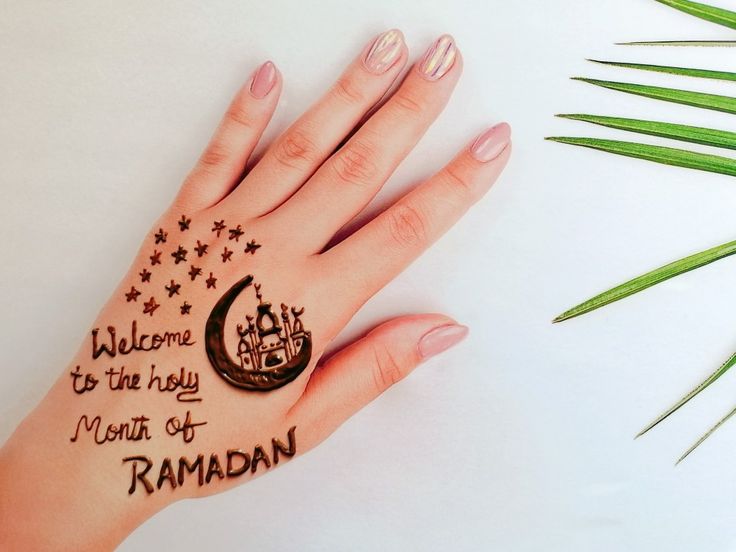
Simple Mosque Outline: Basic mosque silhouette featuring dome and single minaret creates recognizable Ramadan mehndi design. Clean architectural lines suit beginners while maintaining spiritual significance. Position mosque palm center or along fingers creating prayer-focused artistic statement.
Detailed Masjid Architecture: Elaborate mosque featuring multiple domes, several minarets, and architectural details creates sophisticated Ramadan mehndi design. Add small archways, Islamic geometric patterns on walls, and crescent moon atop main dome completing blessed structure.
Masjid-e-Nabawi Inspired: Green dome mosque design honoring Prophet Muhammad’s (PBUH) mosque in Medina creates deeply meaningful Ramadan mehndi design. While actual green color impossible with natural henna, architectural representation carries spiritual weight. Add small calligraphy reading “Madinah” beneath structure.
Ka’aba Mehndi: Simplified Ka’aba representation Islam’s holiest site in Mecca creates pilgrimage-inspired Ramadan mehndi design. Show cubic structure with decorative Kiswah (black cloth) covering suggested through geometric patterns. Surround with small worshippers in prayer position.
Hanging Lantern Patterns
Ramadan mehndi design featuring decorative lanterns (Fanoos) illuminating blessed month’s spiritual darkness.
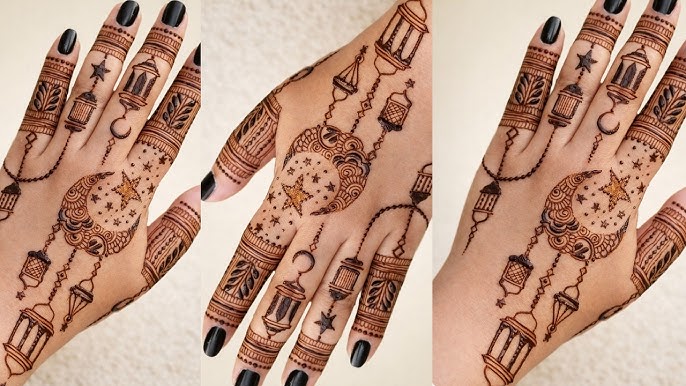
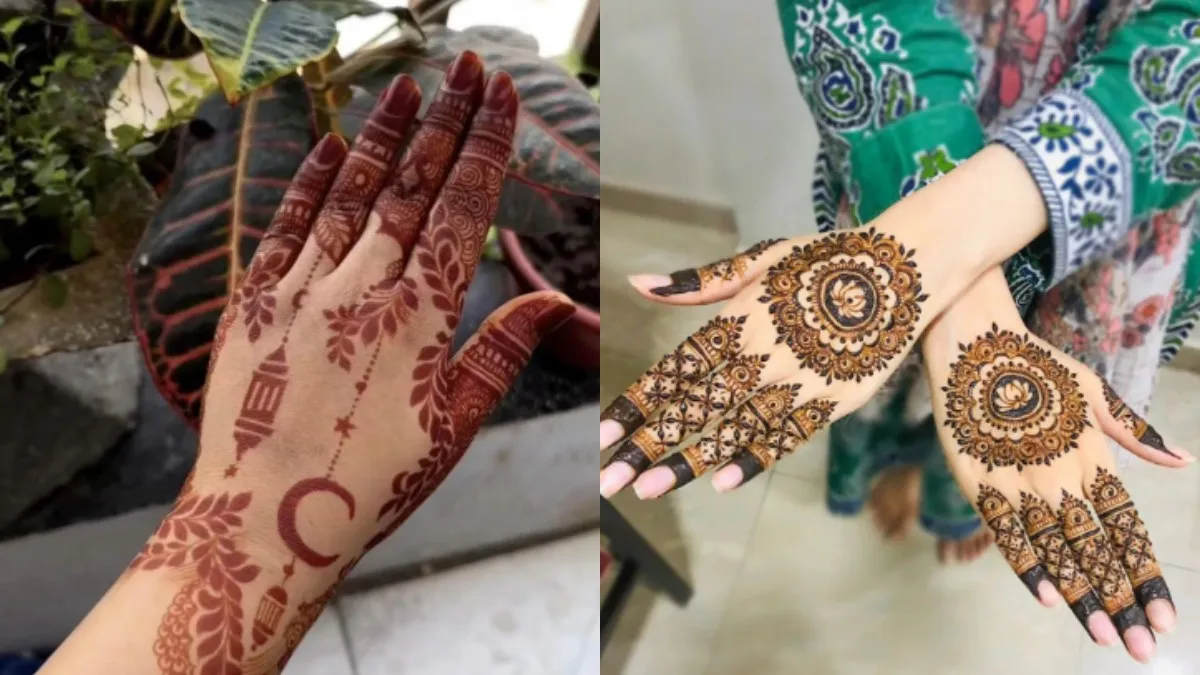
Traditional Fanoos: Classic Middle Eastern lantern with geometric panels and hanging chain creates festive Ramadan mehndi design. Show lantern suspended from wrist area with detailed panels and small flame inside. Add decorative beads along hanging chain creating dimensional effect.
Cluster Lantern Design: Multiple small lanterns grouped together creates abundant Ramadan mehndi design. Vary lantern sizes and hanging heights creating natural arrangement. Small stars scattered between lanterns suggests evening Iftar gatherings when families break fast together.
Lantern Border Pattern: Repeating miniature lanterns creating wrist bracelet or finger border produces decorative Ramadan mehndi design. This continuous pattern suits beginners through simple repetition while maintaining blessed theme appropriately.
Illuminated Lantern Detail: Large single lantern with internal flame details creates focal Ramadan mehndi design. Show radiating light lines extending from lantern suggesting spiritual illumination blessing entire hand. This symbolic representation honors Ramadan as month of divine guidance.
Islamic Calligraphy Mehndi
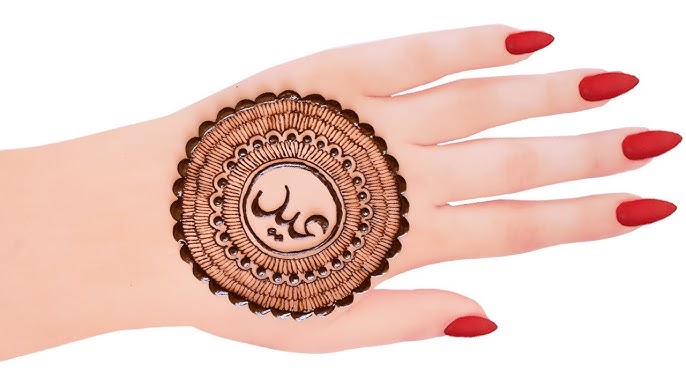
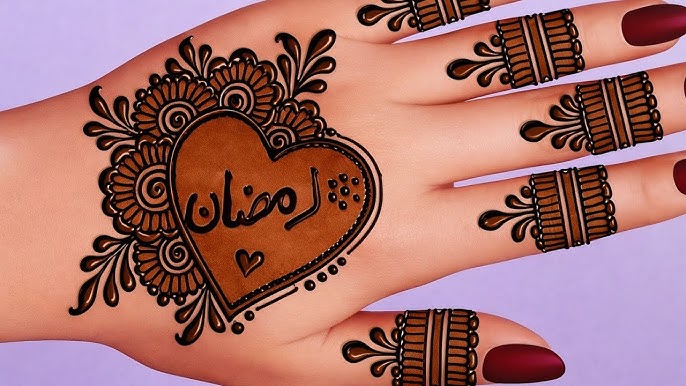
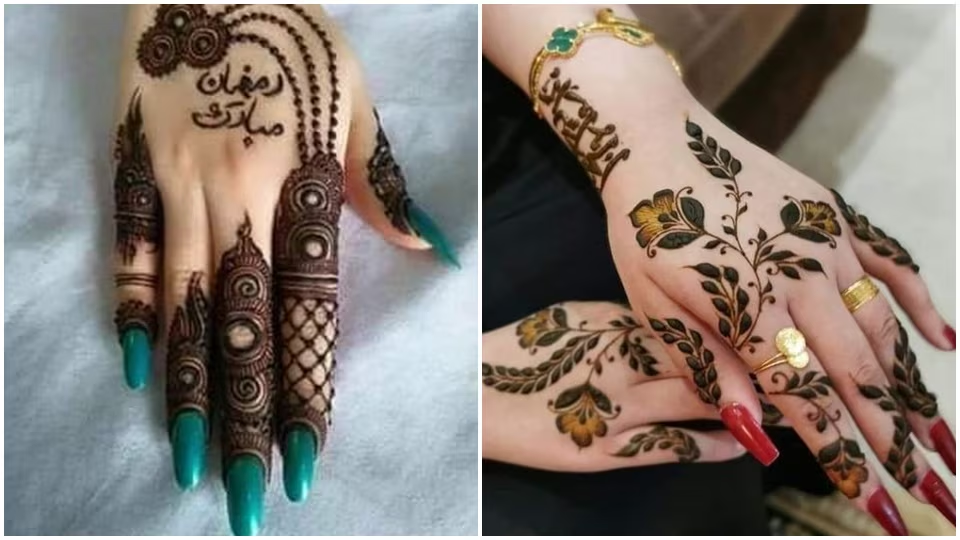
Ramadan mehndi design incorporating Arabic calligraphy creating blessed written prayers and remembrance.
Bismillah Pattern: “Bismillah ar-Rahman ar-Raheem” (In the name of Allah, the Most Gracious, the Most Merciful) written in flowing Arabic script creates sacred Ramadan mehndi design. This phrase begins every Quranic chapter and Muslim action creating appropriate blessed hand decoration.
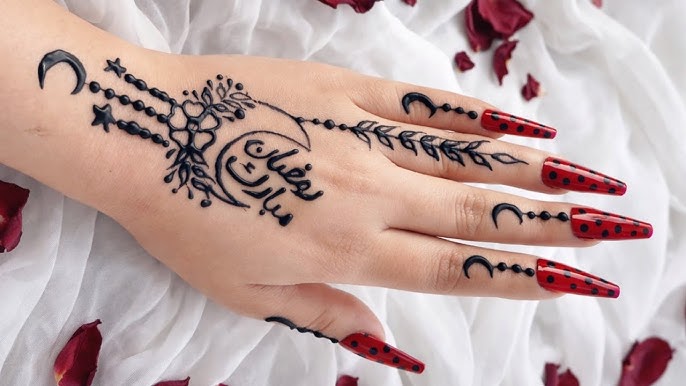
Ramadan Mubarak: “Ramadan Mubarak” (Blessed Ramadan) written in decorative Arabic calligraphy creates greeting-themed Ramadan mehndi design. This well-wish extends blessings to all who view pattern creating shared spiritual celebration.
Subhanallah Praise: “Subhanallah” (Glory be to Allah) in ornate calligraphy creates remembrance-focused Ramadan mehndi design. This praise phrase frequently recited during prayers and daily remembrance carries deep spiritual meaning throughout sacred month.
Mashallah Protection: “Mashallah” (As Allah has willed) written beautifully creates protection-themed Ramadan mehndi design. This phrase acknowledges divine will and guards against evil eye making it popular choice for blessed month decoration.
Star and Celestial Patterns
Ramadan mehndi design using stars and celestial elements representing blessed night sky during Taraweeh prayers.
Scattered Star Field: Multiple small five-pointed stars distributed across hand creates night-sky-inspired Ramadan mehndi design. Vary star sizes creating natural celestial appearance. Add tiny dots between stars suggesting distant galaxies honoring divine creation’s magnificence.
Star Shower Trail: Stars flowing from wrist toward fingers creates directional Ramadan mehndi design. This cascading pattern suggests shooting stars or blessed divine light descending upon faithful during sacred month creating hopeful spiritual imagery.
Geometric Star Mandala: Large geometric star pattern with multiple points creates mandala-style Ramadan mehndi design. Islamic geometric art traditions favor complex mathematical patterns reflecting divine order. Eight-pointed stars particularly significant in Islamic architecture appearing frequently in mosque decorations.
Crescent and Stars Sky: Crescent moon surrounded by multiple twinkling stars creates complete night-sky Ramadan mehndi design. This combination represents blessed evening when families gather for Iftar and later attend Taraweeh prayers under starlit skies.
Prayer Bead Rosary Designs
Ramadan mehndi design incorporating Tasbih (prayer beads) symbolizing constant remembrance throughout blessed month.
Complete Tasbih Circle: 99 or 33 small dots arranged in circle representing complete Islamic prayer bead strand creates devotional Ramadan mehndi design. Add small decorative marker every eleventh bead mimicking actual Tasbih division helping prayer counting.
Wrist Rosary Bracelet: Simple prayer bead pattern encircling wrist creates jewelry-inspired Ramadan mehndi design. Small uniform circles connected by thin chain suggests wearing blessed rosary throughout daily activities maintaining constant spiritual awareness.
Finger Prayer Counter: Miniature prayer beads decorating individual fingers creates portable remembrance Ramadan mehndi design. Each finger shows small bead section reminding wearer to engage constant Dhikr (remembrance) during fasting hours.
Tasbih with Hand of Fatima: Prayer beads combined with protective Hamsa hand symbol creates layered Ramadan mehndi design. This fusion acknowledges cultural practices while maintaining spiritual focus appropriate for blessed month observance.
Simple Quick Ramadan Patterns
Ramadan mehndi design applying rapidly perfect for busy fasting schedules and last-minute Iftar preparations.
Quick Crescent Wrist: Simple crescent moon outline on wrist takes 5 minutes creating fastest Ramadan mehndi design. Add three small stars quickly producing complete blessed pattern suitable despite limited time availability.
Miniature Mosque Finger: Tiny mosque outline on single finger applies in 3 minutes creating rapid Ramadan mehndi design. This minimal approach honors sacred month appropriately while accommodating extremely busy Ramadan schedules balancing fasting, prayer, work, and family.
Star Border Only: Simple star chain around wrist or along fingers creates 10-minute Ramadan mehndi design. Repetitive elements apply quickly while maintaining blessed theme visibility throughout daily Ramadan activities.
Single Lantern Palm: One detailed lantern in palm center takes 8 minutes producing balanced quick Ramadan mehndi design. Focus detail attention on single element creating quality result despite time constraints common during demanding fasting month.
Iftar Gathering Mehndi
Ramadan mehndi design perfect for hosting or attending blessed Iftar dinner parties breaking daily fast.
Festive Celebration Pattern: Elaborate combination incorporating multiple Ramadan symbols moon, stars, lanterns, mosque creates comprehensive Iftar gathering Ramadan mehndi design. This abundant coverage demonstrates special occasion significance while maintaining appropriate spiritual focus.
Elegant Moderate Coverage: Balanced patterns extending wrist to fingers creates suitable Iftar gathering Ramadan mehndi design. Moderate density allows comfortable eating and serving during blessed meal while maintaining beautiful appearance for social photography and gathering memories.
Host Appreciation Design: Special patterns incorporating food elements alongside spiritual symbols creates Iftar-host-themed Ramadan mehndi design. Small dates (symbolic Iftar-breaking food), water vessels, and dinner settings combined with crescents and stars acknowledge hosting blessings.
Guest Respectful Minimal: Light elegant patterns maintaining spiritual theme without overwhelming coverage creates respectful Iftar-guest Ramadan mehndi design. This restraint honors host’s special status while participating appropriately in blessed gathering traditions.
Taraweeh Prayer Mehndi
Ramadan mehndi design honoring nightly Taraweeh special prayers performed throughout blessed month.
Prayer Pose Silhouette: Simplified figure in prayer position creates devotional Ramadan mehndi design. This symbolic representation reminds wearer of prayer commitments throughout Ramadan days encouraging faithful Taraweeh attendance during blessed evenings.
Mosque Night Scene: Illuminated mosque under crescent moon and stars creates night-prayer-themed Ramadan mehndi design. This evening imagery specifically connects to Taraweeh timing performed after Isha prayer during Ramadan nights.
Prayer Mat Pattern: Geometric patterns suggesting prayer rug design creates worship-focused Ramadan mehndi design. Traditional Islamic prayer mat motifs mihrab arch, geometric borders, center medallion translate beautifully into henna artistry.
Standing Prayer Lines: Multiple vertical lines representing congregational prayer rows creates unity-themed Ramadan mehndi design. This pattern acknowledges communal Taraweeh practice where Muslims stand shoulder-to-shoulder in blessed prayer alignment.
Creating Perfect Ramadan Mehndi
Technical guidance executing flawless spiritual Ramadan mehndi design achieving respectful blessed results.
Symbol Accuracy: Ramadan mehndi design demands accurate Islamic symbol representation avoiding distortion or disrespect. Research proper crescent orientation, mosque architectural accuracy, and appropriate calligraphy scripts ensuring patterns honor rather than trivialize sacred elements.
Spiritual Intention: Apply Ramadan mehndi with conscious spiritual intention rather than casual decoration mindset. Begin with “Bismillah” acknowledging divine blessing. Consider pattern application as devotional act celebrating blessed month rather than merely cosmetic activity.
Respectful Placement: Avoid placing sacred text or holy symbols on feet or lower body areas considered disrespectful in Islamic tradition. Reserve blessed calligraphy and mosque images for hands maintaining appropriate reverence throughout design planning.
Clean Simple Lines: Ramadan mehndi design benefits from clean execution honoring spiritual subject matter. Rushed sloppy application disrespects sacred symbols. Invest appropriate time ensuring quality results worthy of blessed patterns being created.
Ramadan Mehndi for Different Ages
Spiritual patterns appropriate for various age groups celebrating blessed month together.
Children’s Simple Ramadan: Quick easy patterns simple crescents, single stars, basic lanterns create child-appropriate Ramadan mehndi design. Young participants appreciate blessed month inclusion through age-suitable quick application maintaining enthusiasm throughout process.
Teen Modern Spiritual: Contemporary patterns combining traditional Islamic symbols with trendy aesthetics creates teen-friendly Ramadan mehndi design. Instagram-optimized compositions photograph beautifully while maintaining appropriate spiritual focus honoring sacred month.
Adult Traditional Blessed: Comprehensive elaborate patterns incorporating multiple sacred elements creates mature Ramadan mehndi design. Detailed mosque architecture, complete calligraphy verses, and abundant celestial symbols demonstrate deep spiritual appreciation.
Elderly Meaningful Symbols: Simple clear patterns featuring most personally meaningful Islamic symbols creates elder-appropriate Ramadan mehndi design. Large visible elements compensate for vision changes while delivering complete spiritual satisfaction through beloved blessed imagery.
Ramadan Mehndi Aftercare
Achieving darkest stain while maintaining blessed pattern clarity through proper spiritual care.
Standard henna aftercare applies keep paste on 6-8 hours minimum, avoid water contact 12 hours after removal, apply natural oils daily. However, Ramadan mehndi carries additional considerations: fasting women may prefer overnight application avoiding disruption to Suhoor or Iftar preparations.
Wudu (ritual ablution) before daily prayers requires water contact potentially affecting mehndi longevity. Apply mehndi on days when extended paste retention possible, perhaps weekends allowing overnight keeping without prayer washing interference. Use oil-based protection before wudu minimizing water penetration.
Conclusion
Ramadan mehndi design in 2026 transforms blessed Islamic symbols crescent moons, majestic mosques, illuminated lanterns, sacred calligraphy into wearable spiritual art honoring Islam’s most sacred month. These meaningful patterns accompany faithful women through fasting days, blessed prayers, Iftar celebrations, and eventual Eid joy creating constant beautiful reminders of this holy period’s profound spiritual significance.
The wisdom of Ramadan mehndi tradition lies in understanding that genuine beauty emerges from spiritual devotion rather than mere aesthetic pursuit. When henna application honors divine blessing, celebrates prophetic tradition, and maintains appropriate reverence, it transforms from temporary decoration into blessed artistic worship.
Explore all 70+ Ramadan mehndi designs now and celebrate 2026’s blessed month through meaningful Islamic henna artistry honoring spiritual significance while expressing contemporary creative beauty! 🌙✨
FAQS
Q: What is Ramadan mehndi design?
A: Ramadan mehndi design incorporates Islamic symbols crescent moons, mosques, lanterns, stars, calligraphy creating blessed henna patterns specifically honoring Islam’s sacred fasting month. These spiritual designs celebrate Ramadan through meaningful artistic expression.
Q: When should I apply Ramadan mehndi?
A: Apply Ramadan mehndi during Chand Raat (moon sighting night beginning Ramadan), before Iftar gatherings, preceding Taraweeh prayers, or the night before Eid ul Fitr. Timing depends on personal preference and celebration participation.
Q: Are there Islamic rules about mehndi application?
A: Apply mehndi on hands and feet only avoid placing sacred text or symbols on lower body areas. Use natural henna only (avoid black henna chemicals). Apply with respectful spiritual intention honoring blessed symbols being created.
Q: Can I apply Ramadan mehndi while fasting?
A: Yes! Natural henna application doesn’t break fast. However, paste removal often requires water contact, so plan application timing around Suhoor or Iftar when eating/drinking permitted. Overnight application works well.
Q: Does mehndi affect wudu (ritual ablution)?
A: Dried henna stain doesn’t prevent water reaching skin during wudu stain considered permeable. Fresh wet paste creates barrier, so remove completely before prayer ablution. Apply mehndi after final daily prayer when possible.
Q: What Ramadan symbols are most meaningful?
A: Crescent moon represents Islamic calendar and blessed month arrival. Mosques honor daily prayer commitments. Lanterns symbolize spiritual illumination. Stars reflect blessed night sky. Calligraphy carries sacred words and remembrance.
Q: Can beginners create Ramadan mehndi?
A: Absolutely! Simple crescents, basic stars, miniature lanterns, and single mosque outlines provide beginner-friendly options. Start with quick 10-15 minute patterns maintaining blessed theme through simple recognizable Islamic symbols.
Q: How long does Ramadan mehndi last?
A: Ramadan mehndi lasts 1-3 weeks with proper care. However, daily wudu for prayers accelerates fading. Oil hands before ablution minimizing water penetration. Reapply mehndi weekly throughout Ramadan maintaining blessed decoration.
Q: Should mehndi be elaborate or simple for Ramadan?
A: Personal preference determines elaboration level. Comprehensive patterns suit special Iftar gatherings or Eid preparation. Simple patterns work daily wear throughout fasting month. Both approaches honor Ramadan appropriately when applied with spiritual respect.
Q: Can men apply Ramadan mehndi?
A: Islamic tradition permits men applying simple henna on palms for religious occasions. Some Muslim men apply minimal mehndi during Ramadan or Eid. However, elaborate decorative patterns typically remain feminine cultural practice throughout most Muslim communities.