Introduction
Eid mehndi design celebrates the joyous Islamic festivals of Eid ul-Fitr and Eid ul-Adha through beautiful henna patterns featuring crescents, stars, mosques, and Arabic calligraphy.
As Ramadan culminates and Chaand Raat arrives, millions of Muslim women and girls worldwide gather to beautify their hands with meaningful mehndi designs that honor their faith while expressing personal style and cultural heritage.
Whether you seek traditional Islamic symbols for spiritual connection, elegant Arabic patterns for sophisticated beauty, or simple quick designs for last-minute Chaand Raat preparations, this comprehensive guide presents over 20 Eid mehndi design ideas with cultural context and practical techniques.
Discover meaningful motifs, learn proper application methods, and explore how contemporary Muslim women blend tradition with modern aesthetics in 2026.
Why Eid Mehndi Design Holds Special Significance
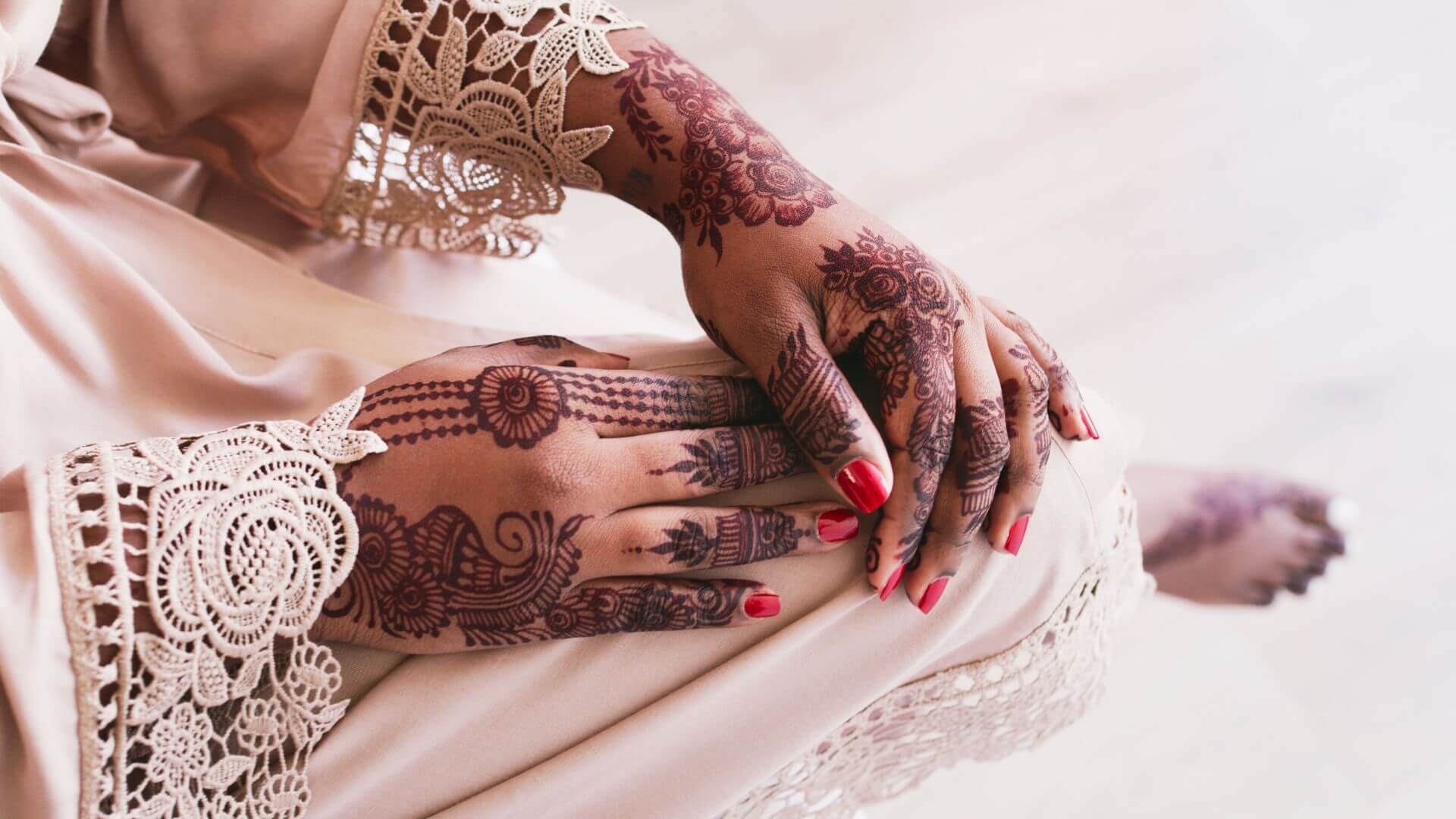
Eid mehndi design carries deep spiritual and cultural meaning within Muslim communities worldwide. Applying henna before Eid celebrations represents purification, blessing, and the marking of sacred time following the holy month of Ramadan. The tradition connects modern Muslims to centuries of Islamic artistic heritage while creating joyful family bonding experiences.
Chaand Raat, the night before Eid ul-Fitr when the crescent moon appears signaling Ramadan’s end, transforms into a magical celebration where markets buzz with activity and mehndi artists work through the night. Women and girls of all ages gather to beautify their hands, creating shared memories that strengthen community bonds and cultural continuity.
The symbolic elements in Eid mehndi design crescents representing the Islamic lunar calendar, stars symbolizing divine guidance, mosques honoring sacred spaces transform decorative art into meaningful spiritual expression. Each motif carries intention beyond beauty, making Eid mehndi a form of worship and gratitude celebrating the successful completion of fasting and devotion.
Traditional Eid Mehndi Design Motifs and Their Meanings
Crescent Moon Mehndi Designs for Eid
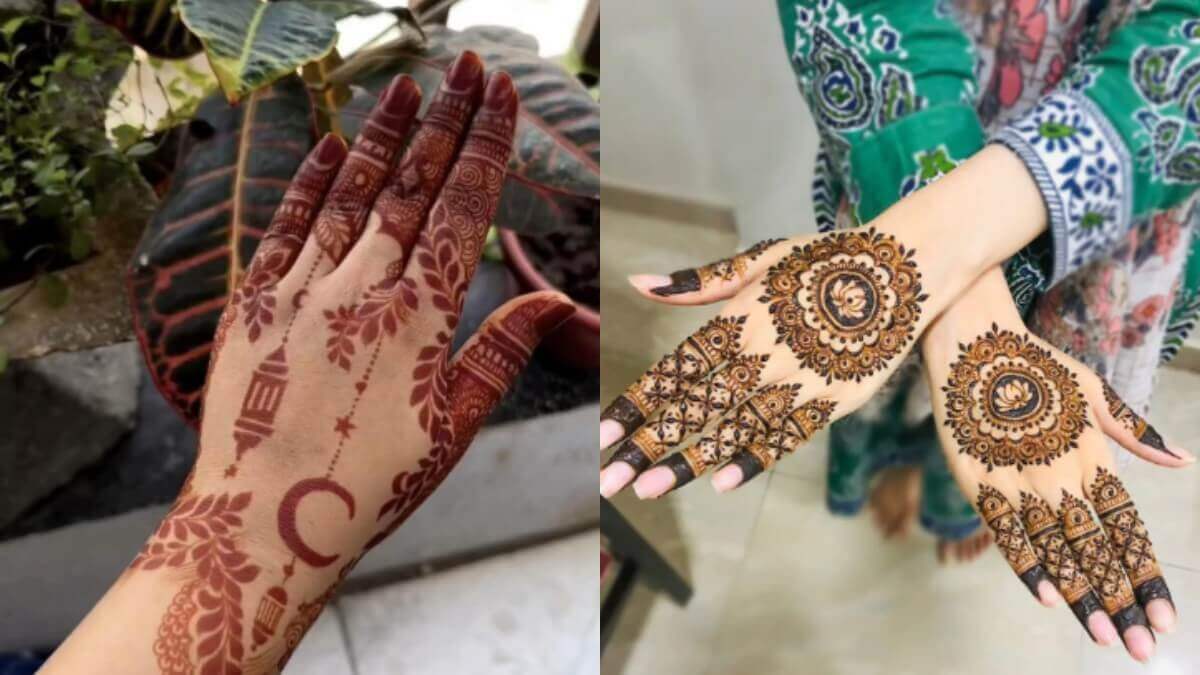
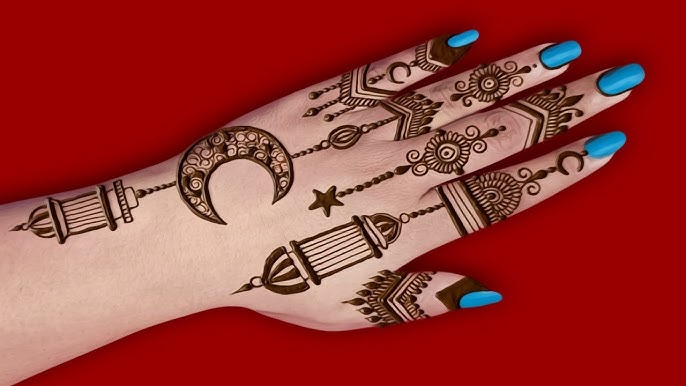
Crescent moon patterns dominate Eid mehndi design as the most iconic Islamic symbol representing the lunar calendar guiding Muslim life and worship. The hilal (crescent) marks the beginning of Islamic months, making it especially significant for Eid celebrations following moon sightings.
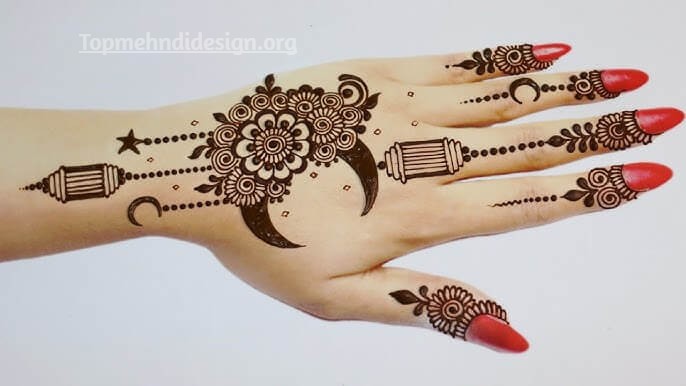
Traditional crescent mehndi features the moon positioned prominently on palms or back hands, often accompanied by twinkling stars creating celestial scenes.
Some designs show crescents holding stars, symbolizing divine protection and guidance. The curved graceful shape lends itself beautifully to henna artistry while carrying profound spiritual meaning.
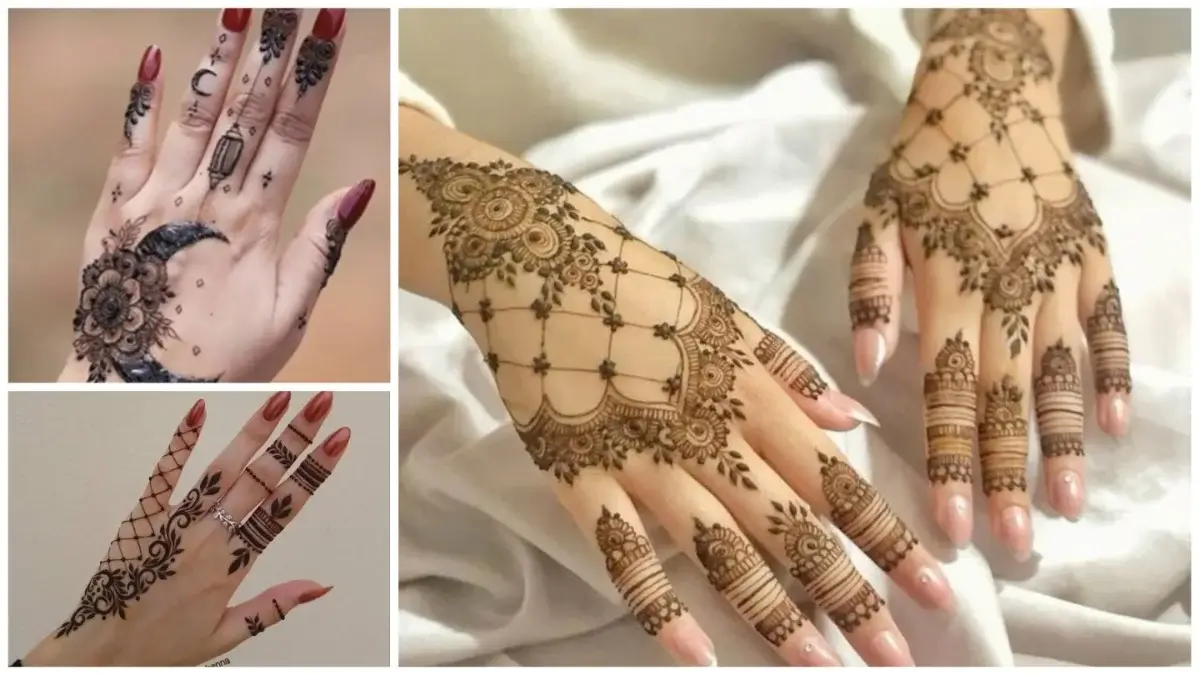
Modern interpretations incorporate multiple crescent sizes scattered across hands or create negative space crescents where surrounding henna frames moon-shaped blank areas. Both approaches honor tradition while offering contemporary aesthetic appeal suitable for fashion-conscious young Muslim women.
Star Patterns in Eid Mehndi Design
Star motifs in Eid mehndi design symbolize divine light, guidance, and the countless blessings Allah bestows upon believers. The eight-pointed Rub el Hizb star holds particular Islamic significance, often appearing in mosque architecture and religious artistry.
Traditional Eid mehndi scatters stars across hands creating night sky effects, sometimes surrounding crescent moons in classic lunar compositions. Some designs feature single large stars as palm centerpieces with detailed geometric filling demonstrating the precision characteristic of Islamic art.
Contemporary star patterns range from delicate scattered dots suggesting distant constellations to bold geometric arrangements showcasing mathematical precision. The versatility of star shapes allows artists to create designs suitable for every preference from minimalist modern to traditionally elaborate.
Mosque and Minaret Mehndi Designs
Mosque architecture appears in Eid mehndi design honoring the sacred spaces central to Muslim worship and community life. These patterns typically show mosque silhouettes with distinctive domes and minarets creating instantly recognizable Islamic imagery.
Detailed mosque mehndi incorporates architectural elements like jharokhas (ornamental windows), arches, and geometric patterns inspired by actual mosque decoration. Some designs feature specific mosques holding personal significance – the Kaaba in Mecca, Masjid al-Nabawi in Medina, or local community mosques connecting individual faith to specific places.
Modern mosque mehndi balances symbolic representation with artistic interpretation, sometimes showing minimalist outlines rather than detailed architecture. This approach maintains spiritual significance while allowing quicker application suitable for busy Chaand Raat schedules when multiple hands await decoration.
Arabic Calligraphy in Eid Mehndi
Arabic calligraphy transforms Eid mehndi design into sacred text art featuring prayers, blessings, and meaningful phrases. Common inscriptions include “Eid Mubarak” (Blessed Eid), “Bismillah” (In the Name of Allah), and “Alhamdulillah” (All Praise to Allah) written in beautiful flowing Arabic script.
The artistic challenge lies in rendering Arabic text legibly while maintaining aesthetic beauty – skilled artists master calligraphic styles ensuring religious phrases read correctly without sacrificing decorative appeal. Some incorporate Quranic verses or Hadith quotations carrying deep spiritual significance.
Modern calligraphy mehndi often integrates text with floral or geometric elements creating compositions where sacred words flow naturally among decorative patterns. This fusion honors Islamic artistic traditions combining geometric precision with organic flowing forms characteristic of mosque decoration throughout Muslim history.
Beautiful Eid Mehndi Design Styles for 2026
Arabic Style Eid Mehndi Designs
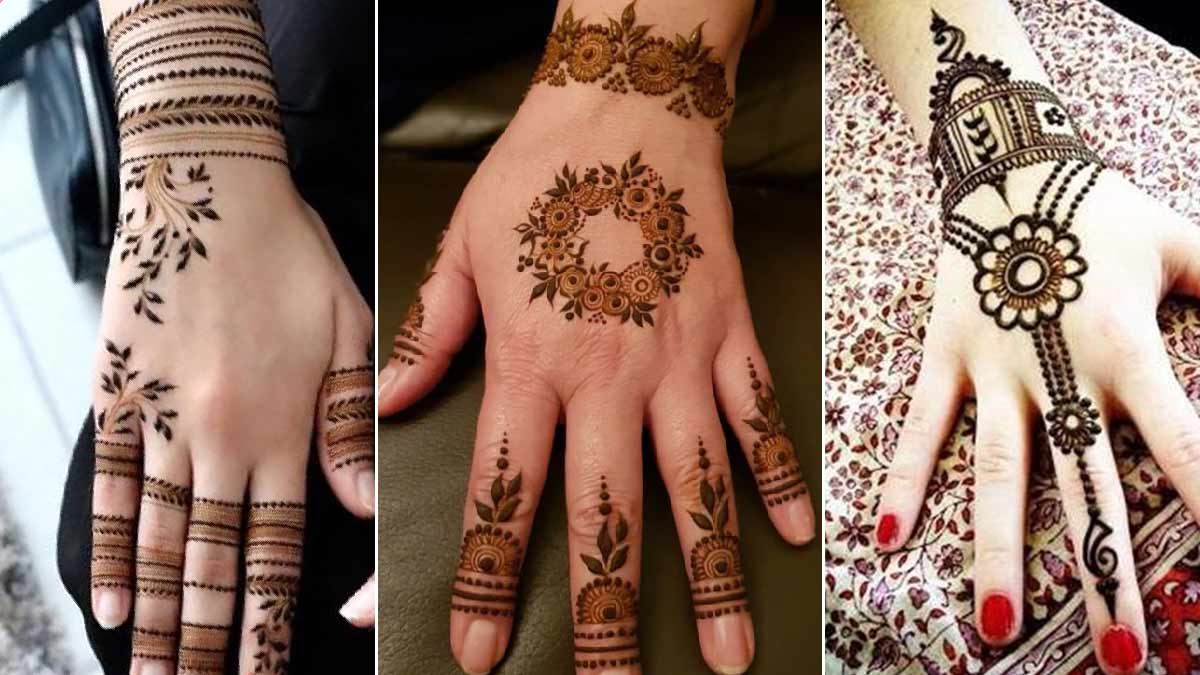
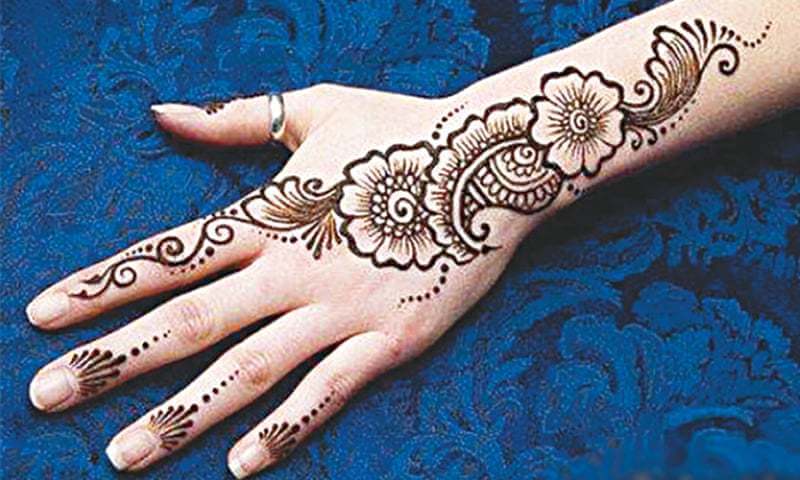
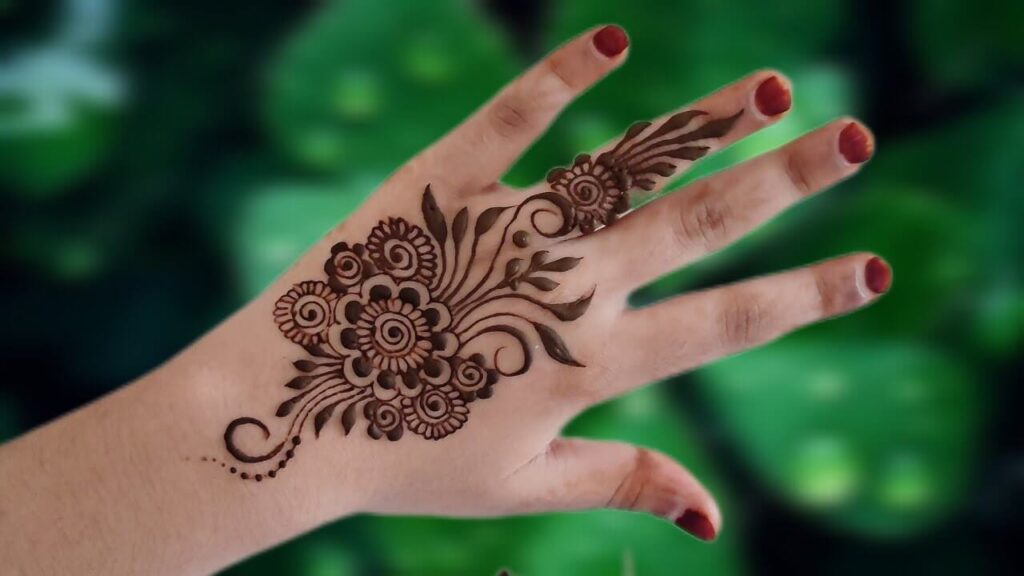
Arabic style Eid mehndi design features bold flowing lines, large floral motifs, and generous negative space creating elegant sophistication. This approach perfectly suits Eid celebrations where women desire beautiful decoration without overwhelming density requiring hours of application time.
Traditional Arabic Eid patterns incorporate roses, jasmine, and other flowers alongside vines and leaves creating natural organic beauty. The characteristic open areas between elements prevent visual crowding while showcasing jewelry beautifully an important consideration when Eid outfits include elaborate bangles and rings.
Contemporary Arabic Eid mehndi adds crescent moons and stars to classic floral vocabulary, creating fusion designs honoring both Arabic aesthetic traditions and Islamic symbolic requirements. This combination delivers the best of both worlds cultural authenticity meeting practical time consciousness.
Pakistani Eid Mehndi Patterns
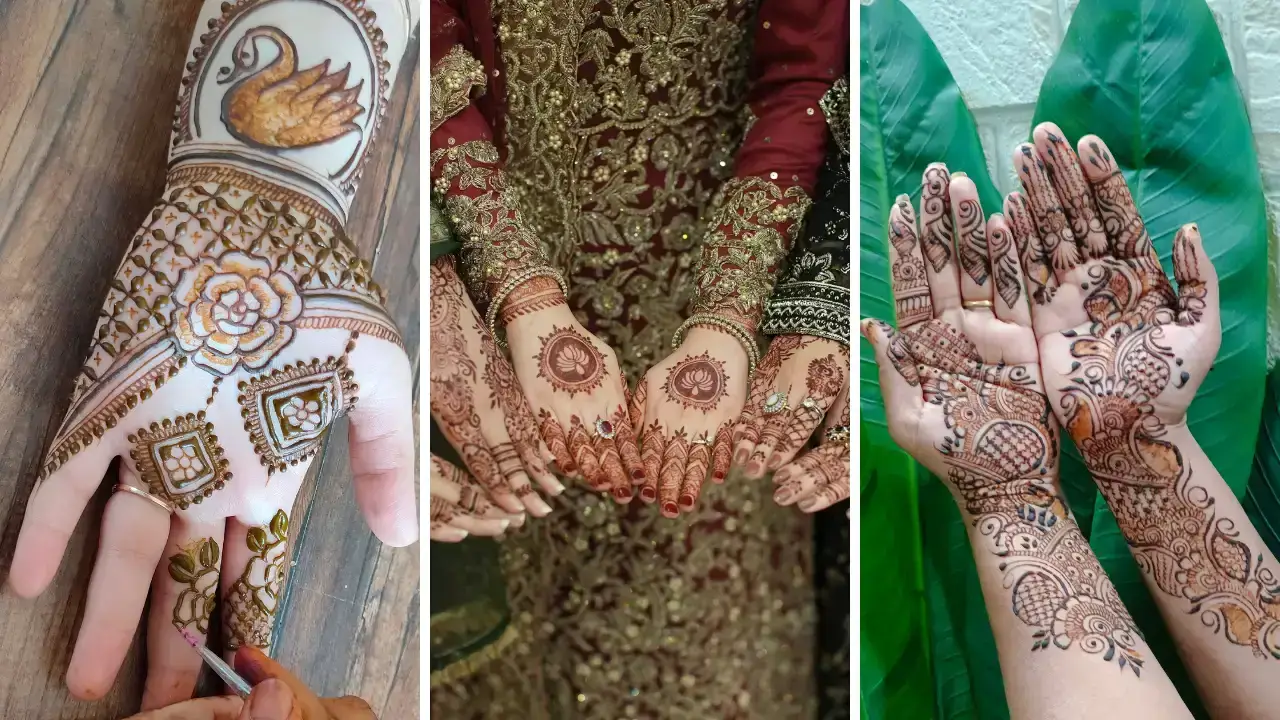
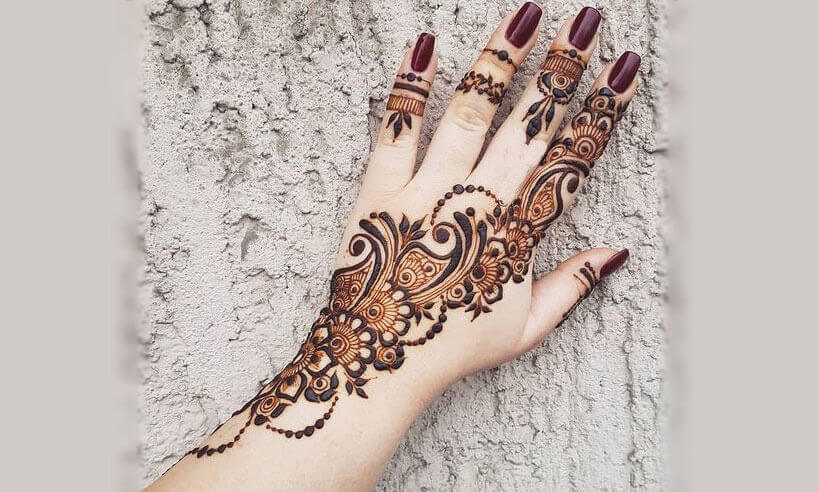
Pakistani Eid mehndi design blends Indian intricate filling with Arabic flowing elements creating distinctive patterns popular across South Asian Muslim communities. These designs typically feature more coverage than pure Arabic styles while maintaining lighter touch than traditional Indian density.
Jaali (mesh) work appears prominently in Pakistani Eid mehndi alongside peacock feathers, paisleys, and elaborate florals. The incorporation of crescent moons and Islamic symbols makes these patterns particularly suitable for Eid while maintaining the detailed artistic complexity Pakistani mehndi is famous for.
Minimalist Modern Eid Mehndi
Minimalist Eid mehndi design appeals to contemporary Muslim women seeking spiritual expression through understated elegance. Simple crescent outlines on wrists, delicate star trails on fingers, or single mosque silhouettes on palms create meaningful decoration without extensive time investment.
The minimalist approach works particularly well for professional women or those with busy schedules who still want to participate in Eid mehndi traditions. Quick application (15-30 minutes) produces beautiful results suitable for modern lifestyles while maintaining cultural and spiritual connections.
Moroccan Geometric Eid Designs
Moroccan Eid mehndi design showcases geometric precision reflecting North African Islamic artistic traditions. Bold triangles, hexagons, diamond patterns, and intricate tessellations create mathematical beauty honoring the Islamic Golden Age’s geometric innovations.
These structured patterns differ dramatically from organic floral designs, offering striking alternatives for those appreciating architectural precision. The clean lines and symmetrical arrangements photograph spectacularly, making Moroccan geometric mehndi increasingly popular for Eid social media sharing.
Eid ul-Fitr vs Eid ul-Adha Mehndi Designs
Eid ul-Fitr Mehndi Celebrating Ramadan’s Completion
Eid ul-Fitr mehndi design celebrates the successful completion of Ramadan fasting with joyful, lighter patterns reflecting the festival’s happy relieved spirit. Chaand Raat before Eid ul-Fitr becomes mehndi central with families gathering for beautification sessions filled with songs, sweets, and celebration.
Popular Eid ul-Fitr motifs include crescent moons prominently displayed since moon sighting marks Ramadan’s end, dates and palm trees representing iftar traditions, and generous floral arrangements symbolizing new beginnings. The emphasis falls on celebration, gratitude, and community joy after a month of spiritual discipline.
Time constraints during Chaand Raat often necessitate quicker designs since mehndi artists serve numerous clients in single nights. This practical reality drives popularity of Arabic-style Eid ul-Fitr mehndi offering impressive results through efficient application techniques.
Eid ul-Adha Mehndi Honoring Sacrifice
Eid ul-Adha mehndi design honors Prophet Ibrahim’s willingness to sacrifice his son in obedience to Allah, making patterns for this festival slightly more solemn and traditional. While still celebratory, Eid ul-Adha mehndi often incorporates more devotional and traditional Islamic elements.
Common Eid ul-Adha motifs include Kaaba representations honoring Hajj pilgrims, mosques symbolizing community prayer, and traditional geometric patterns reflecting Islamic artistic heritage. The designs tend toward fuller coverage and more intricate detailing compared to Eid ul-Fitr’s lighter approach.
Since Eid ul-Adha doesn’t have the Chaand Raat rush, women often have more time for elaborate mehndi application. This allows for detailed work, personalization, and the patience required for creating truly magnificent designs honoring this important Islamic observance.
Quick Eid Mehndi Designs for Chaand Raat
Quick Eid mehndi design becomes essential during Chaand Raat when time pressures mount and everyone wants beautiful henna before morning prayers. These efficient patterns deliver impressive results in 15-30 minutes, perfect for last-minute preparations or when serving multiple family members.
Simple crescent and star combinations on palms with minimal surrounding decoration create complete looks quickly. Wrist band designs mimicking bangles with small hanging elements provide elegant decoration without palm coverage requiring extended application time.
Finger-focused designs featuring small crescents, stars, or Arabic script on each fingertip offer maximum impact through minimal coverage. These patterns work wonderfully when time absolutely doesn’t permit anything more elaborate but participation in Eid mehndi traditions remains important.
The key to successful quick Eid mehndi lies in choosing clean simple motifs executed confidently rather than attempting complexity under time pressure. A perfectly executed simple crescent creates more beautiful results than rushed elaborate patterns showing shaky lines and poor composition.
Application Tips for Perfect Eid Mehndi
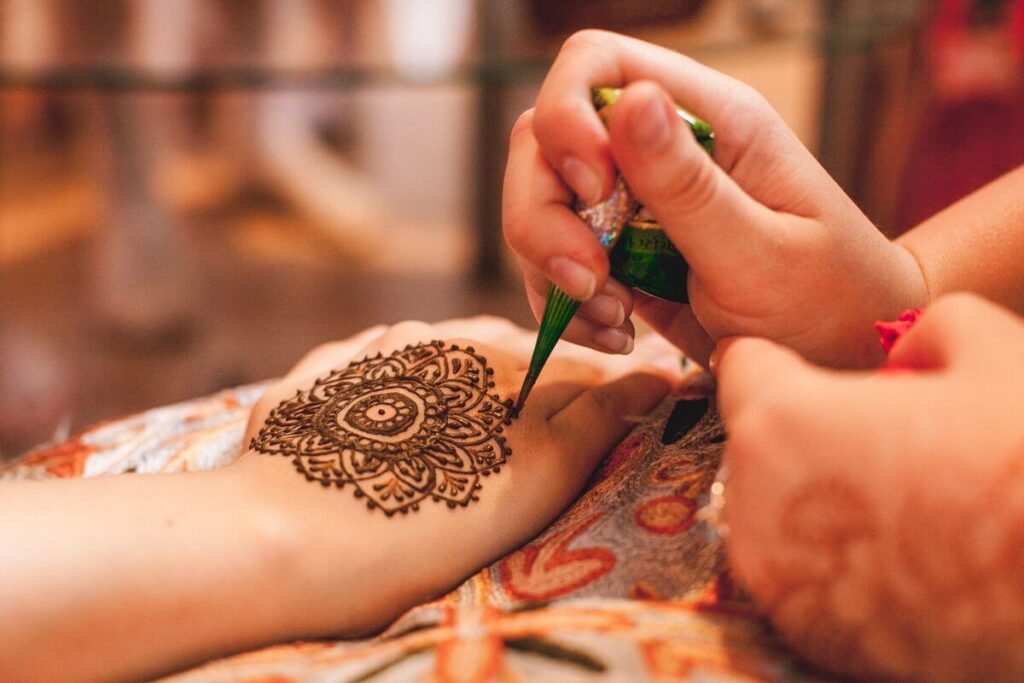
Successful Eid mehndi design application begins with quality natural henna paste free from harmful chemical additives. Purchase from reputable Islamic community suppliers or prepare your own using organic henna powder, lemon juice, sugar, and essential oils like eucalyptus or tea tree.
Timing matters for Eid mehndi apply during Chaand Raat or the day before Eid to ensure optimal color development by morning prayers. Wash hands thoroughly with soap removing all oils and lotions that prevent henna absorption, creating clean surfaces for maximum staining.
Work in well-lit areas and create comfortable sitting arrangements supporting steady hand positions. Chaand Raat excitement can make stillness challenging, but patient careful application produces far better results than hurried work compromised by movement and distraction.
Practice basic Eid motifs like crescents, stars, and simple mosque silhouettes on paper before attempting skin application. This builds confidence and muscle memory essential for smooth execution when decorating hands during the actual celebration.
Eid Mehndi Aftercare for Darkest Color
Achieving dark rich color with Eid mehndi design requires careful aftercare beginning from application completion. Keep henna paste on hands minimum 6-8 hours, ideally overnight, before gently scraping it off without water contact the next morning before Eid prayers.
Apply lemon-sugar mixture every hour during the wearing period by dabbing gently onto dried paste. This traditional technique seals the design and promotes deeper staining, significantly enhancing final color intensity visible during Eid celebrations.
After removing dried paste, avoid washing mehndi areas for 12-24 hours. Instead apply natural oils like coconut, olive, or mustard oil to moisturize designs and protect developing stains. The color continues darkening for 24-48 hours through oxidation.
Minimize water exposure during Eid day through careful hand washing and avoiding prolonged contact with water. These precautions help maintain beautiful dark mehndi throughout celebrations when hands remain visible during prayers, greetings, and family gatherings.
Latest Trends in Eid Mehndi Design 2026
Latest trends in Eid mehndi design for 2026 emphasize meaningful personalization alongside traditional Islamic symbols. Young Muslim women want designs honoring faith while expressing individual creativity and contemporary aesthetic preferences.
White henna accents combined with traditional brown designs create stunning contrast effects perfect for Eid evening gatherings and photography. The white paste shows brilliantly under lighting, adding dimensional beauty to classic patterns for social media sharing.
Negative space designs intentionally leaving areas bare create modern sophisticated looks appealing to fashion-forward young Muslims. This approach allows skin tone to become part of the artwork while maintaining meaningful Islamic symbolism through carefully placed crescent and star motifs.
Glitter applications and temporary gems enhance Eid mehndi for extra sparkle during celebrations. These embellishments work particularly well with simpler base patterns where decorative additions can shine without overwhelming visual composition.
Eid Mehndi for Children and Teenagers
Children’s Eid mehndi design focuses on simple quick patterns featuring playful elements kids love combined with meaningful Islamic symbols. Small crescents, stars, and simple mosque outlines applied to palms or fingertips allow young children to participate in traditions without extended sitting requirements.
Keep children’s Eid mehndi application under 15 minutes with designs emphasizing fun participation over intricate artistry. The experience of receiving mehndi alongside family members matters more than pattern complexity for young children excited about Eid celebrations.
Teenage Eid mehndi balances youthful contemporary style preferences with cultural and religious expectations. Teens want Instagram-worthy patterns honoring Islamic traditions while showcasing personal aesthetic through modern interpretations and trendy elements their peers will admire.
Arabic-style Eid mehndi with generous negative space particularly appeals to teenagers seeking sophisticated looks without appearing old-fashioned. Fusion designs combining Islamic symbols with minimalist execution satisfy desires for both cultural authenticity and contemporary visual appeal.
Finding Professional Eid Mehndi Artists
Selecting skilled Eid mehndi artists ensures beautiful results and culturally appropriate designs. Research local artists through Instagram and Facebook, examining portfolios specifically for Islamic-themed work demonstrating understanding of religious symbolism and cultural sensitivity.
Book early for Chaand Raat when demand peaks and top artists become fully reserved. Many artists within Muslim communities offer special Eid services, often working through the night serving multiple clients during this busiest mehndi season.
Verify that artists use only natural henna without harmful chemical additives, particularly avoiding black henna containing dangerous para-phenylenediamine. Professional Muslim artists typically understand Islamic preferences for natural pure products and maintain appropriate modesty during application.
Discuss your vision for Eid mehndi including preferred Islamic symbols, desired coverage level, and any specific elements holding personal spiritual significance. Good artists appreciate clear communication and can offer creative suggestions based on expertise while respecting your religious and aesthetic preferences.
Conclusion
Eid mehndi design represents beautiful intersection of faith, art, and cultural celebration uniting Muslim women worldwide through shared traditions. From simple crescents honoring the Islamic calendar to elaborate mosque architectures celebrating sacred spaces, each pattern carries meaning transcending mere decoration.
Whether you choose traditional Arabic elegance, Pakistani intricate beauty, or modern minimalist sophistication, Eid mehndi offers patterns suited to every preference and lifestyle. The magic of Chaand Raat when families gather for beautification creates memories strengthening bonds between generations while honoring Islamic heritage.
As you prepare for your next Eid celebration, remember that the perfect mehndi design is one connecting you to faith, making you feel confident and beautiful, and allowing joyful participation in beloved traditions.
Choose patterns resonating with your heart, honor Islamic symbolism’s deeper meaning, and celebrate each Eid with gratitude expressed through the timeless art of henna. Eid Mubarak!