




Introduction
Mehandi design has been an integral part of Indian culture and celebrations for thousands of years. This ancient art form continues to captivate hearts with its intricate patterns and deep cultural significance.
Whether you’re planning for a wedding, festival, or special occasion, choosing the right mehandi design can make all the difference. This comprehensive guide will help you discover the perfect henna patterns that suit your style and event.
What is Mehandi Design and Why is it So Popular?
Mehandi design refers to the beautiful patterns created on hands and feet using henna paste. The natural dye from henna leaves creates a stunning reddish-brown color that can last for weeks.
People around the world love mehandi design because it’s temporary, natural, and incredibly beautiful. From simple minimalist patterns to elaborate bridal artwork, there’s a design for everyone.
Different Types of Mehandi Designs You Should Know
1. Arabic Mehandi Design
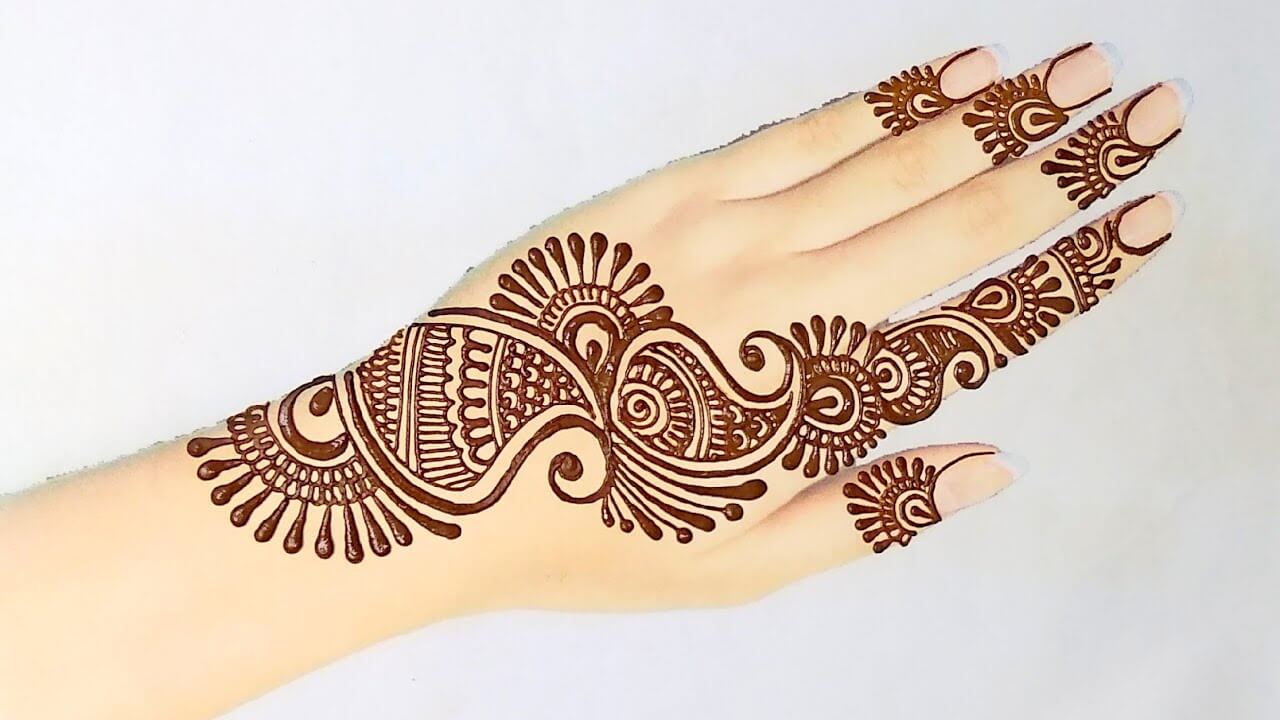
Arabic mehandi design is known for its bold, flowing patterns and large floral motifs. These designs typically feature open spaces and don’t cover the entire hand.
The beauty of Arabic patterns lies in their simplicity and elegance. They’re perfect for beginners and those who prefer a modern, less dense look.
2. Indian Mehandi Design
Indian mehandi design is characterized by intricate patterns that cover the entire hand and feet. These designs often include peacocks, paisleys, and detailed mandala patterns.
Traditional Indian designs are ideal for weddings and religious ceremonies. They represent good fortune, prosperity, and marital bliss in Indian culture.
3. Pakistani Mehandi Design
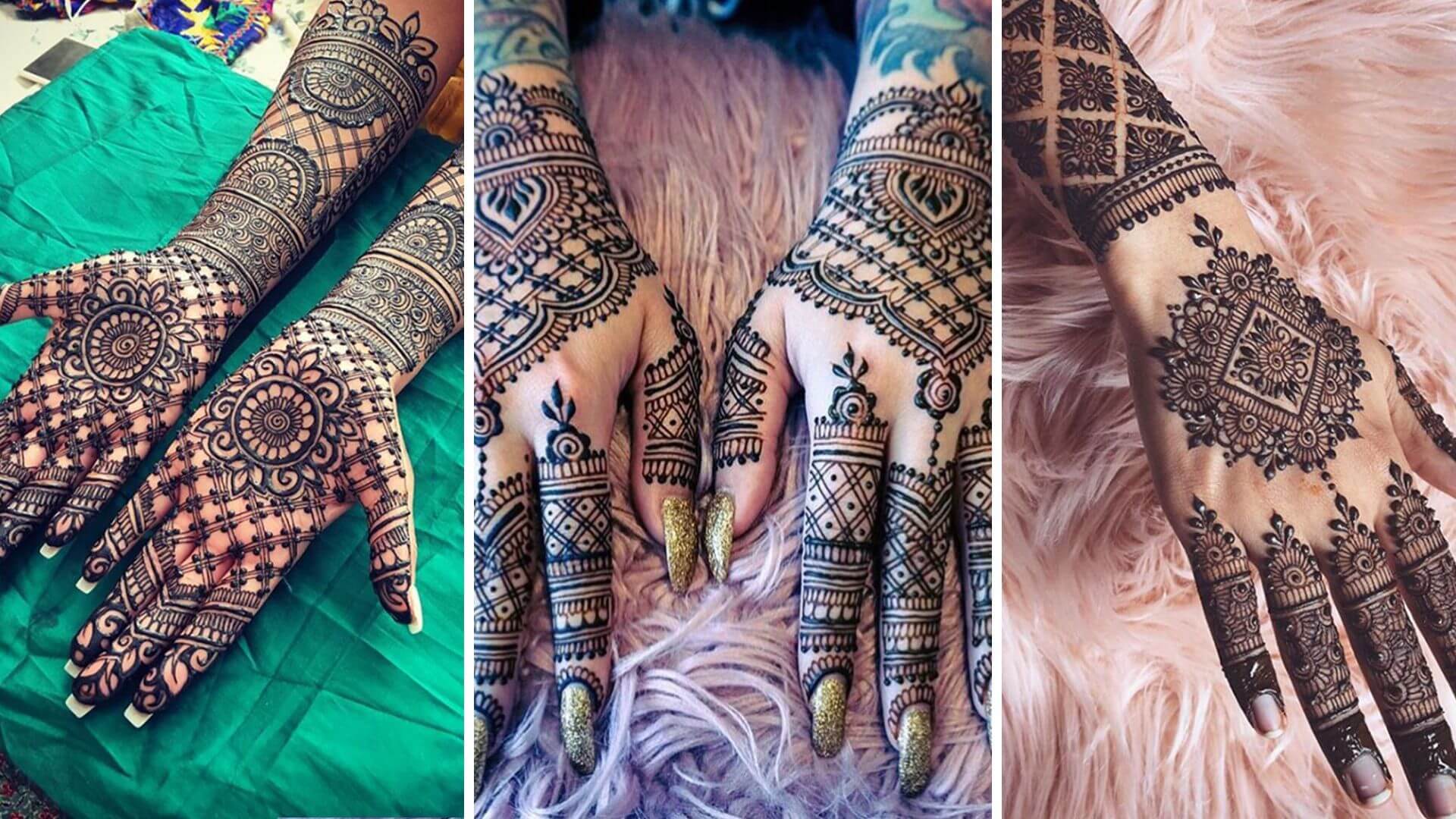
Pakistani mehandi design combines elements from both Indian and Arabic styles. These patterns feature detailed work with strategic open spaces.
The unique blend creates stunning visual effects that work beautifully for brides. Many modern mehandi artists prefer this fusion style for its versatility.
4. Moroccan Mehandi Design
Moroccan mehandi design features geometric patterns and bold lines. These designs are inspired by traditional Moroccan art and architecture.
The angular shapes and symmetrical patterns create a contemporary look. They’re gaining popularity among young women who want something different.
5. Contemporary Mehandi Design
Contemporary mehandi design breaks traditional rules with modern elements. These patterns might include names, portraits, or abstract art.
Creative artists are constantly innovating with new styles and techniques. Minimalist designs and finger mehandi are trending in this category.
Popular Mehandi Design Patterns and Their Meanings
Peacock Motifs
Peacock designs symbolize beauty, grace, and elegance in mehandi art. The detailed feather patterns create stunning visual appeal on hands.
Brides especially love peacock mehandi because it represents eternal love. The intricate detailing showcases the artist’s skill and precision.
Floral Patterns
Floral mehandi designs are timeless classics that never go out of style. Roses, lotuses, and jasmine flowers are common choices.
Each flower carries its own meaning and cultural significance. Lotus represents purity while roses symbolize passion and love.
Mandala Designs
Mandala mehandi patterns feature circular, symmetrical designs radiating from a central point. These sacred symbols represent the universe and the spiritual journey.
The repetitive patterns create a meditative effect that’s visually stunning. Center palm mandalas are particularly popular for their balanced look.
Paisley Patterns
Paisley or mango motifs are quintessential elements in Indian mehandi design. These teardrop-shaped patterns represent fertility and good luck.
Traditional artists combine paisley with vines and flowers for elaborate designs. The curved lines flow beautifully across the hand’s natural contours.
Mehandi Design Ideas for Different Occasions
Bridal Mehandi Design
Bridal mehandi requires elaborate, full-coverage designs that are rich in detail. These patterns often include the couple’s initials hidden within the design.
Traditional bridal mehandi extends from fingertips to elbows and toes to knees. The darker the color, the deeper the love between bride and groom, according to tradition.
Festival Mehandi Design
Festival mehandi designs are usually simpler and quicker to apply than bridal patterns. Popular during Diwali, Eid, and Karwa Chauth, these designs balance beauty with practicality.
You can choose between traditional motifs and contemporary patterns based on preference. Many women prefer designs that dry quickly for festive celebrations.
Party Mehandi Design
Party mehandi designs are trendy, stylish, and often feature modern elements. These patterns work perfectly for casual celebrations and social gatherings.
Finger mehandi, wrist bands, and minimalist designs are popular party choices. They’re quick to apply and look fashionable with contemporary outfits.
Kids Mehandi Design
Kids mehandi designs feature simple, fun patterns like hearts, flowers, and butterflies. Children love designs with their favorite cartoon characters or animals.
These patterns should be easy to apply and quick-drying for restless kids. Always use natural, organic henna for children’s sensitive skin.
Simple Mehandi Design Tips for Beginners
Start with Basic Patterns
Begin your mehandi journey with simple dots, lines, and basic flowers. Practice these fundamental elements before attempting complex designs.
Draw on paper first to understand the flow and movement. Once comfortable, try simple finger designs or wrist patterns.
Use Quality Henna Paste
Quality henna paste makes a significant difference in color and application. Fresh, natural henna creates darker, longer-lasting stains.
Avoid chemical-laden cones that promise instant dark color but may cause allergies. Organic henna is safer and gives better results overall.
Practice Proper Application Techniques
Hold the mehandi cone at a 45-degree angle for better control. Apply consistent pressure to maintain uniform line thickness.
Work slowly and steadily, especially when creating curved lines. Remember that practice makes perfect in mehandi art.
Allow Proper Drying Time
Let mehandi dry completely on hands, which takes 2-4 hours minimum. The longer you keep it on, the darker the stain.
Avoid touching water for at least 12 hours after removing dried mehandi. Apply a lemon-sugar mixture before drying for enhanced color.
How to Make Your Mehandi Design Last Longer
Pre-Application Preparation
Exfoliate your hands and feet gently before applying mehandi. Clean skin helps the henna penetrate better for darker stains.
Avoid using oil-based moisturizers on the day of application. Oil creates a barrier that prevents proper color absorption.
Post-Application Care
After removing dried mehandi, apply a mixture of lemon juice and sugar. This helps darken the color and seal the design.
Keep your hands away from water for the first 24 hours. Heat exposure from steam or warm water darkens mehandi naturally.
Natural Color Enhancers
Apply eucalyptus or clove oil on dried mehandi for a deeper color. These natural oils help the henna stain develop properly.
Exposing hands to mild heat or steam can intensify the color. Be careful not to burn yourself during this process.
Maintenance Tips
Avoid chlorinated water and harsh soaps that fade mehandi quickly. Use natural, gentle cleansers for daily hand washing.
Apply coconut oil regularly to protect the design from fading. This creates a protective layer over the henna stain.
Latest Mehandi Design Trends in 2026
Minimalist Mehandi
Minimalist mehandi designs focus on clean lines and negative space. These modern patterns appeal to women who prefer subtle elegance.
Single-finger designs and delicate wrist bands are extremely popular now. Less is more in this contemporary trend.
Personalized Mehandi
Personalized mehandi includes names, dates, or meaningful quotes within designs. Couples often incorporate their love story into bridal mehandi.
This customization makes each design unique and memorable. Professional artists are mastering this skill to meet growing demand.
Colored Mehandi
While traditional henna is brown-red, colored mehandi adds vibrancy with safe colors. White mehandi creates stunning contrast on darker skin tones.
Glitter and colored cones enhance traditional designs for parties. Always ensure the products are skin-safe before application.
Geometric Patterns
Geometric mehandi features sharp lines, triangles, and modern shapes. This architectural approach creates striking, contemporary designs.
The clean, precise patterns work beautifully for fashion-forward individuals. They’re perfect for those who want something different from traditional florals.
Common Mehandi Design Mistakes to Avoid
Using Old or Chemical Henna
Old henna paste loses its dye potency and gives poor results. Chemical-laden henna can cause severe allergic reactions and skin damage.
Always check the freshness and ingredients before purchasing mehandi. Natural, organic henna is the safest and most effective choice.
Rushing the Application
Mehandi art requires patience and steady hands for best results. Rushing creates uneven lines and sloppy patterns.
Take your time with each element of the design. Quality matters more than speed in creating beautiful mehandi.
Ignoring Skin Preparation
Dirty or oily skin prevents henna from staining properly. Skipping preparation steps leads to light, patchy colors.
Proper cleansing and exfoliation are essential for vibrant results. These simple steps make a huge difference in final appearance.
Removing Mehandi Too Early
Peeling off mehandi before it’s completely dry gives lighter colors. Patience is crucial for achieving deep, rich stains.
Leave the dried paste on for at least 6-8 hours. Overnight application yields the darkest, most beautiful results.
Professional Mehandi Design Services vs DIY
When to Hire a Professional
Complex bridal mehandi requires professional expertise for perfect execution. Experienced artists bring creativity, precision, and years of practice.
Special occasions deserve the investment in professional services. They ensure beautiful, flawless designs that last longer.
Benefits of DIY Mehandi
DIY mehandi is budget-friendly and allows complete creative control. You can experiment with different patterns and styles freely.
Learning mehandi art is a valuable skill for personal use. Simple designs for festivals and casual events work well with DIY.
Finding the Right Mehandi Artist
Research portfolios and reviews before booking a mehandi artist. Look for specialists who excel in your preferred style.
Schedule a trial session for bridal mehandi to ensure satisfaction. Clear communication about expectations prevents disappointment.
Cost Considerations
Professional mehandi costs vary based on design complexity and artist experience. Bridal packages are generally more expensive than simple festival designs.
DIY mehendi only costs the price of henna cones and practice. Consider your budget and the occasion when making this decision.
Conclusion
Mehandi design is more than just temporary body art—it’s a celebration of culture, tradition, and beauty. From simple patterns for beginners to elaborate bridal designs, there’s infinite creativity in henna art.
Whether you choose professional services or a DIY application, mehandi adds special meaning to celebrations. Start with basic designs and gradually explore more complex patterns as your skills develop.
Remember that the best mehndi design is one that reflects your personal style and makes you feel beautiful. Embrace this ancient art form and create stunning memories with every application.
FAQs
How long does mehandi last?
Mehandi typically lasts 1-3 weeks, depending on care and skin type. Proper aftercare significantly extends the design’s lifespan.
Is mehandi safe during pregnancy?
Pure, natural henna is generally safe during pregnancy when applied to the hands. Avoid black henna, which contains harmful chemicals that could be dangerous.
How to remove mehandi quickly?
Soak hands in warm water with salt or baking soda. Gently scrub with lemon juice or use oil-based removers for faster fading.
Can mehandi cause allergies?
Natural henna rarely causes allergies in most people. Chemical additives in commercial henna can trigger serious allergic reactions.
What makes mehandi darker?
Quality henna, longer application time, and proper aftercare create darker stains. Body heat and avoiding water for 24 hours also help.