Introduction
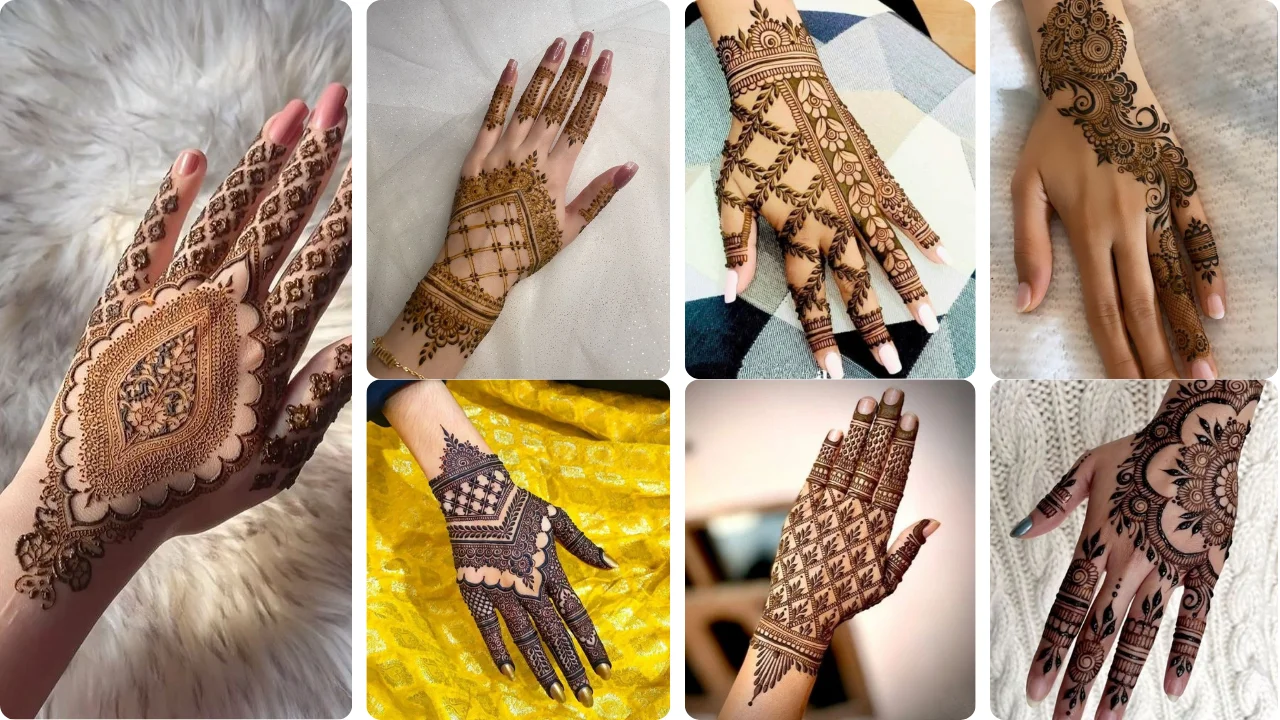
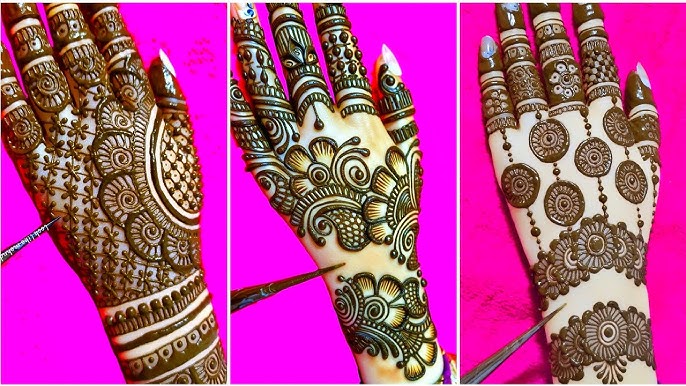
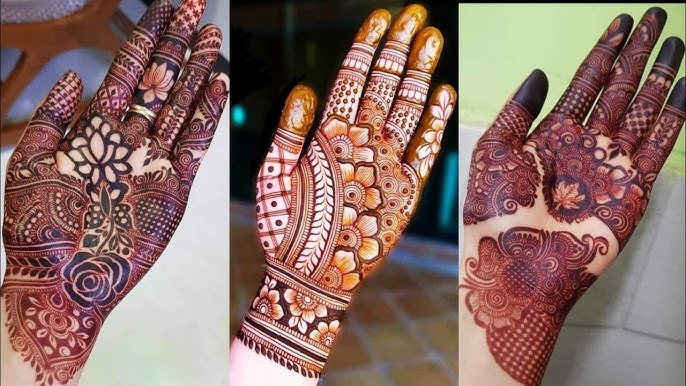
Mehandi ke design is the most beautiful and treasured art form that has been deeply woven into the cultural fabric of South Asia for thousands of years. From ancient bridal ceremonies to modern festival celebrations, mehandi ke design continues to inspire millions of women with rich symbolic meaning and breathtaking visual beauty.
In 2026, mehandi ke design has reached an extraordinary new creative peak where traditional heritage meets contemporary artistry and deep personal expression. Whether you are a bride searching for the perfect wedding mehndi, a girl preparing for Eid, or a complete beginner exploring henna for the very first time, this comprehensive guide covers every mehandi ke design style that exists today.
Why Mehandi Ke Design Is Loved By Everyone
Mehandi ke design holds a uniquely special place in South Asian culture because it speaks a universal language of beauty, celebration, and belonging. Every woman who applies mehandi ke design connects herself to centuries of ancestors who celebrated the same traditions with the same joy.
The temporary nature of mehandi ke design makes it the perfect form of self-expression because it allows complete creative freedom without permanent commitment. You can try bold elaborate patterns for one occasion and simple minimal designs for another, always matching your mood and event perfectly.
Mehandi ke design engages all the senses simultaneously – the earthy fragrance of natural henna, the cool feeling of paste on skin, the anticipation of watching color develop, and the pride of showing beautiful decorated hands. No other beauty ritual creates such a complete sensory celebration experience.
The gradual color darkening process of mehandi ke design creates magical anticipation that makes removing dried paste one of the most exciting beauty moments imaginable. Watching your design transform from green paste to rich reddish-brown is a beautiful ritual that never loses its enchantment.
Latest Mehandi Ke Design Trends 2026
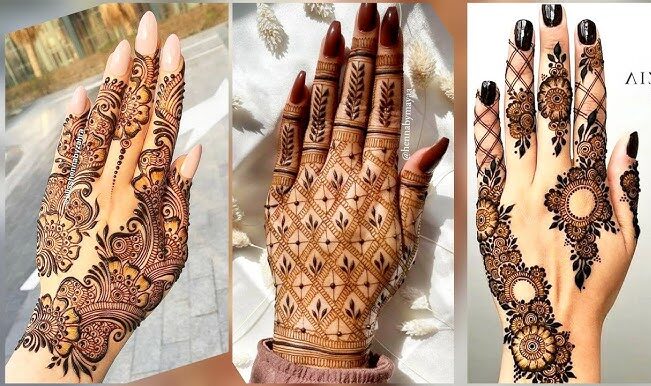
The latest mehandi ke design trends of 2026 celebrate individuality, personalization, and the brilliant fusion of traditional motifs with contemporary artistic vision. Modern women want unique designs reflecting their personal stories rather than copying generic patterns from outdated collections.
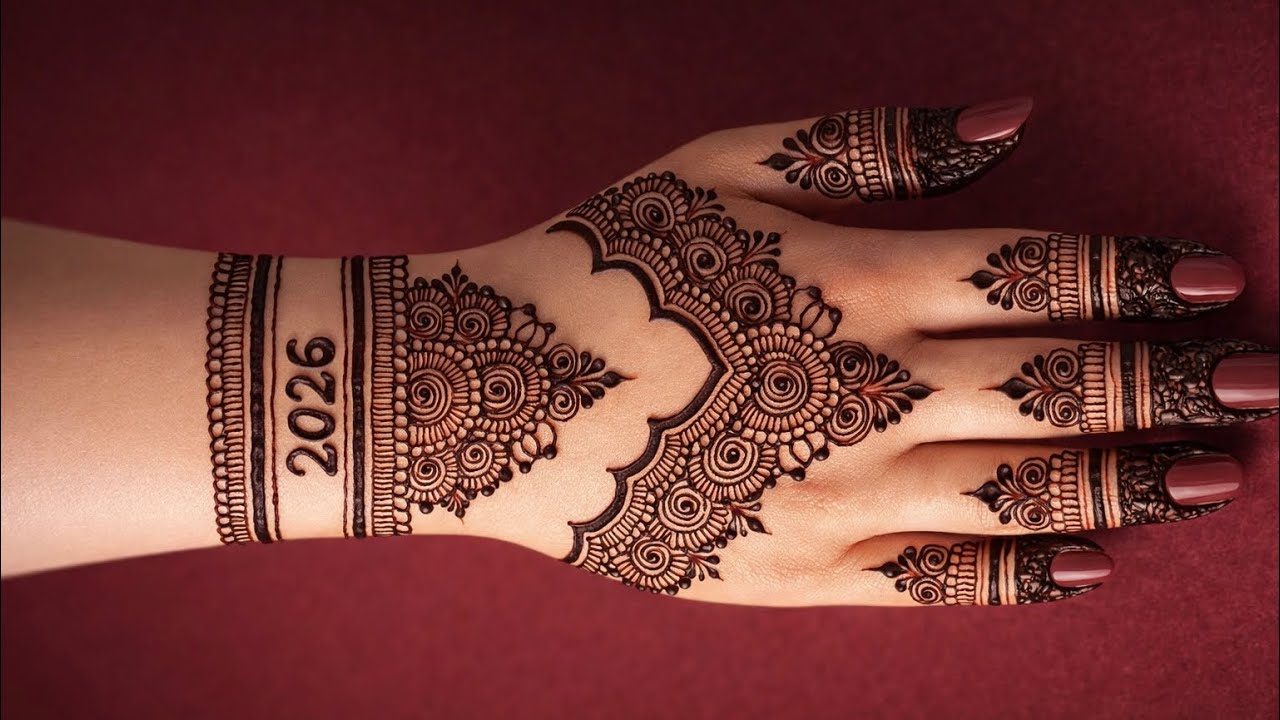
Personalization leads all 2026 trends – brides and women include meaningful dates, partner initials, couple silhouettes, special locations, and deeply personal symbols within their mehandi ke design compositions. These intimate details transform henna from surface decoration into deeply emotional living biography.
Negative space design has become the defining artistic movement in 2026 mehandi ke design philosophy. Strategic empty areas enhance pattern visibility dramatically while creating modern breathable aesthetics that feel genuinely sophisticated and contemporary rather than old-fashioned or overwhelming.
Fusion styles combining Arabic spaciousness with Indian intricacy represent the most exciting new creative territory in 2026 mehandi ke design world. Young women want Arabic artistic confidence combined with the rich symbolic depth of traditional Indian patterns in single unified compositions.
Simple Mehandi Ke Design for Everyday Beauty
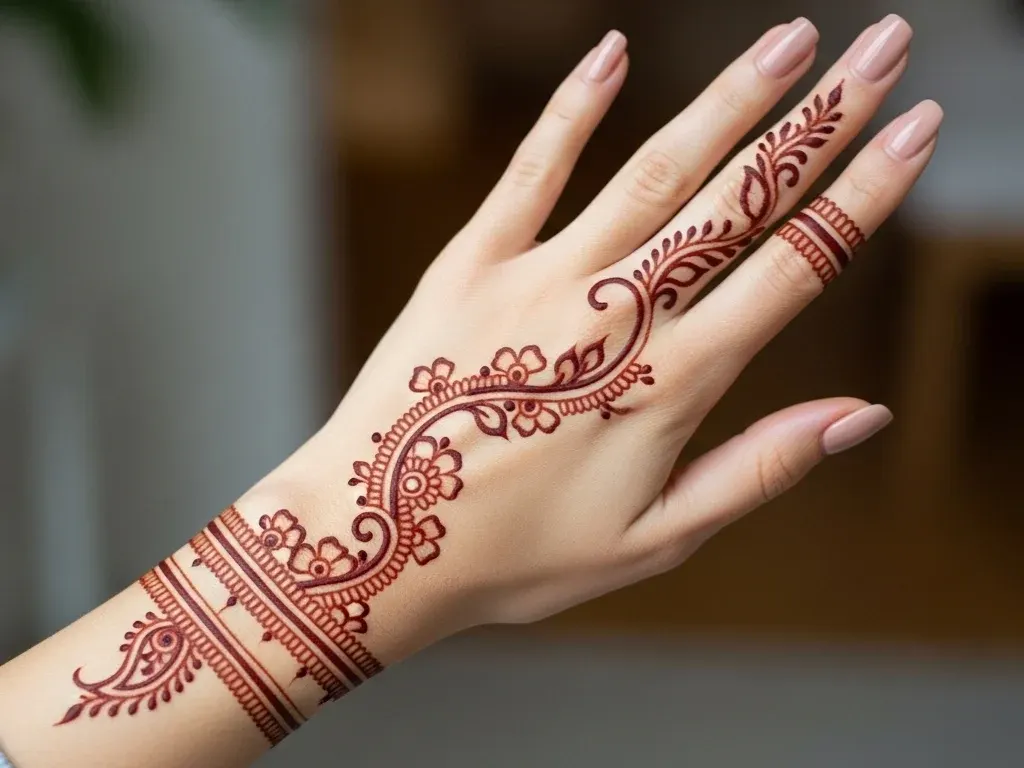
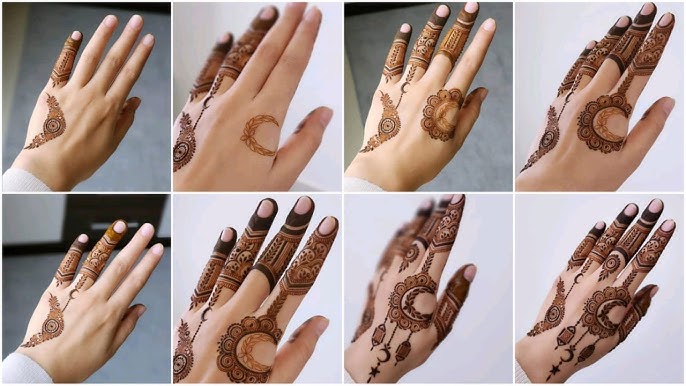
Simple mehandi ke design has captured hearts worldwide because elegant beauty should never require exhausting hours of complicated application or professional expertise. These clean graceful patterns deliver stunning professional-looking results that everyone can create with basic practice.
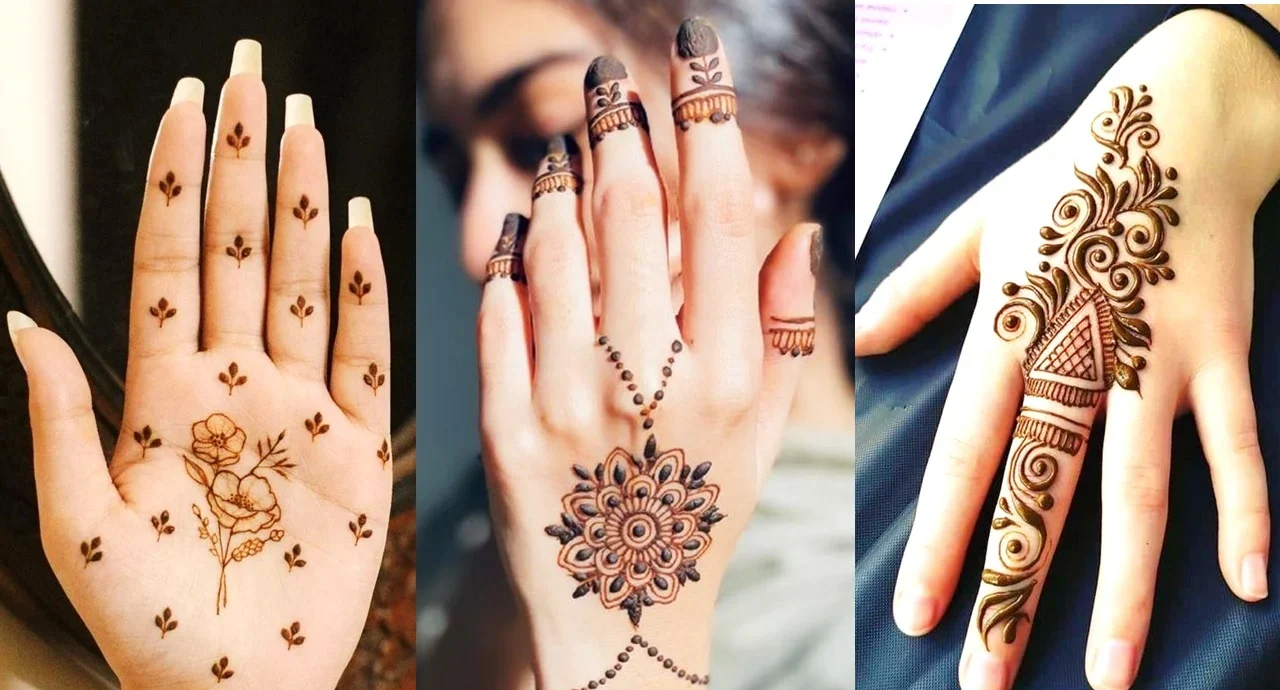
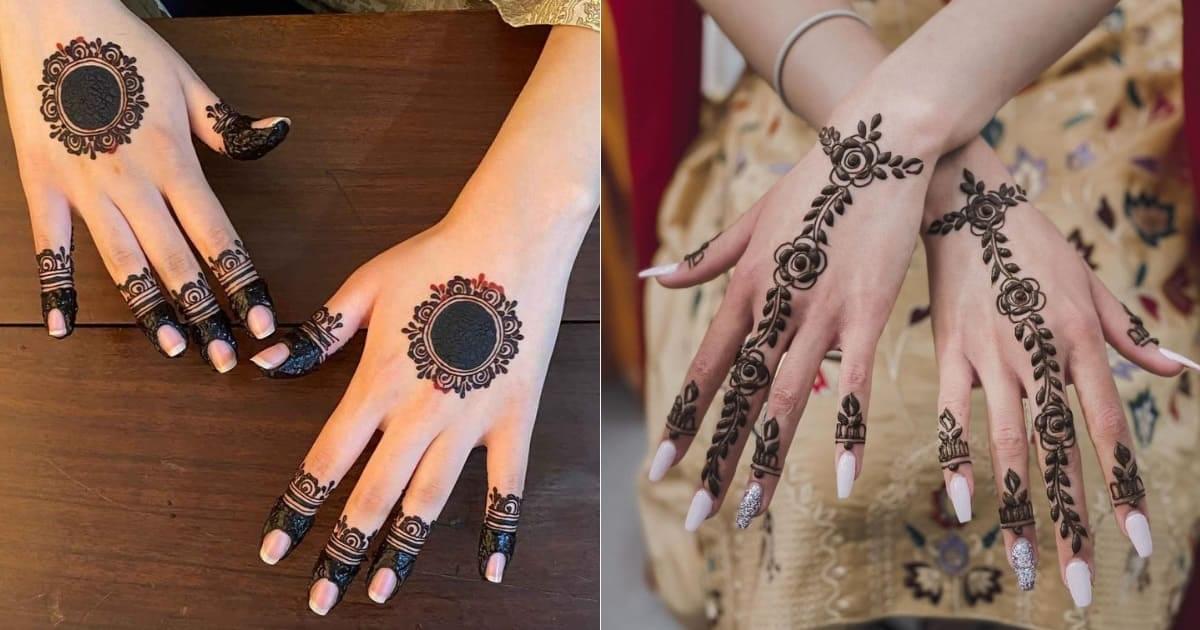
A single perfect flower placed in the palm center surrounded by carefully arranged dots and delicate leaves creates timeless simple mehandi ke design. This fundamental composition looks sophisticated and complete while requiring only the most basic henna cone skills imaginable.
Simple mehandi ke design suits office-going women, college students, working mothers, and anyone needing beautiful henna without disrupting their entire day. Most simple patterns apply in just 20-40 minutes – perfectly practical for busy festival mornings when multiple family members all need decoration.
The fading journey of simple mehandi ke design is particularly beautiful – as designs lighten gradually they maintain elegant appeal at every single stage. Many women prefer simple patterns specifically because they remain attractive even as color naturally develops and gracefully fades over days.
Arabic Mehandi Ke Design – Bold and Modern
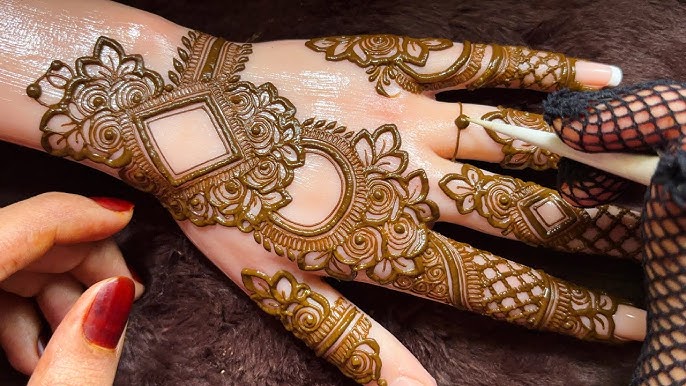
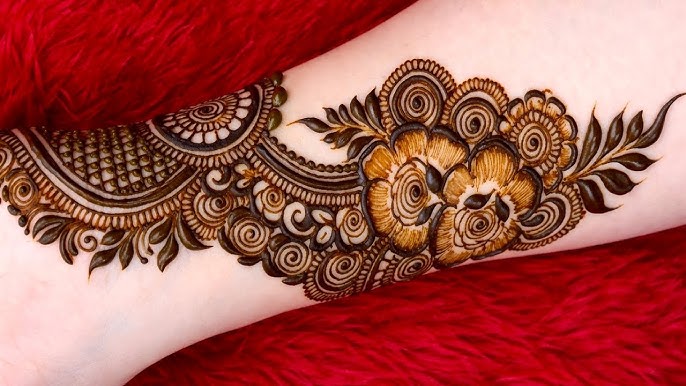
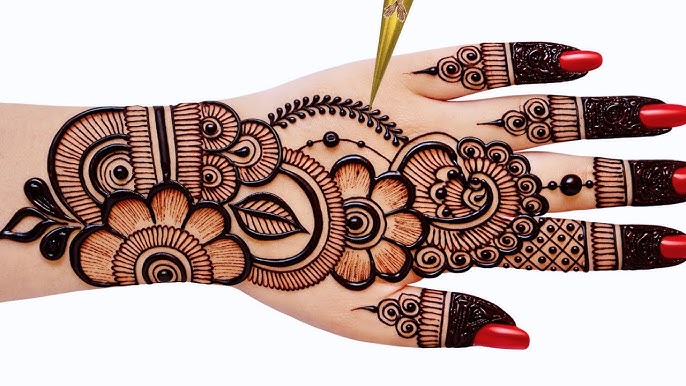
Arabic mehandi ke design dominates all global mehndi trends in 2026 with its unmistakable bold flowing strokes, large floral compositions, and generous artistic negative space. This style creates breathtaking visual impact while applying faster and drying quicker than dense traditional Indian coverage.
The defining quality of Arabic mehandi ke design is confident bold outlines creating clean recognizable shapes with immediate visual impact. These thick flowing strokes are naturally forgiving for beginners because the bold aesthetic accommodates slight imperfections without compromising overall design power.
Arabic mehandi ke design photographs extraordinarily well because high-contrast bold patterns create dramatic striking images in every lighting condition. Brides love how Arabic designs look equally stunning in professional wedding photography and casual smartphone selfies taken throughout celebrations.
In 2026, Arabic mehandi ke design beautifully incorporates personalized geometric elements, contemporary artistic touches, and meaningful cultural symbols. This constant creative evolution maintains Arabic mehndi’s position as the world’s most beloved and most widely searched henna style category.
Bridal Mehandi Ke Design – Wedding Perfection
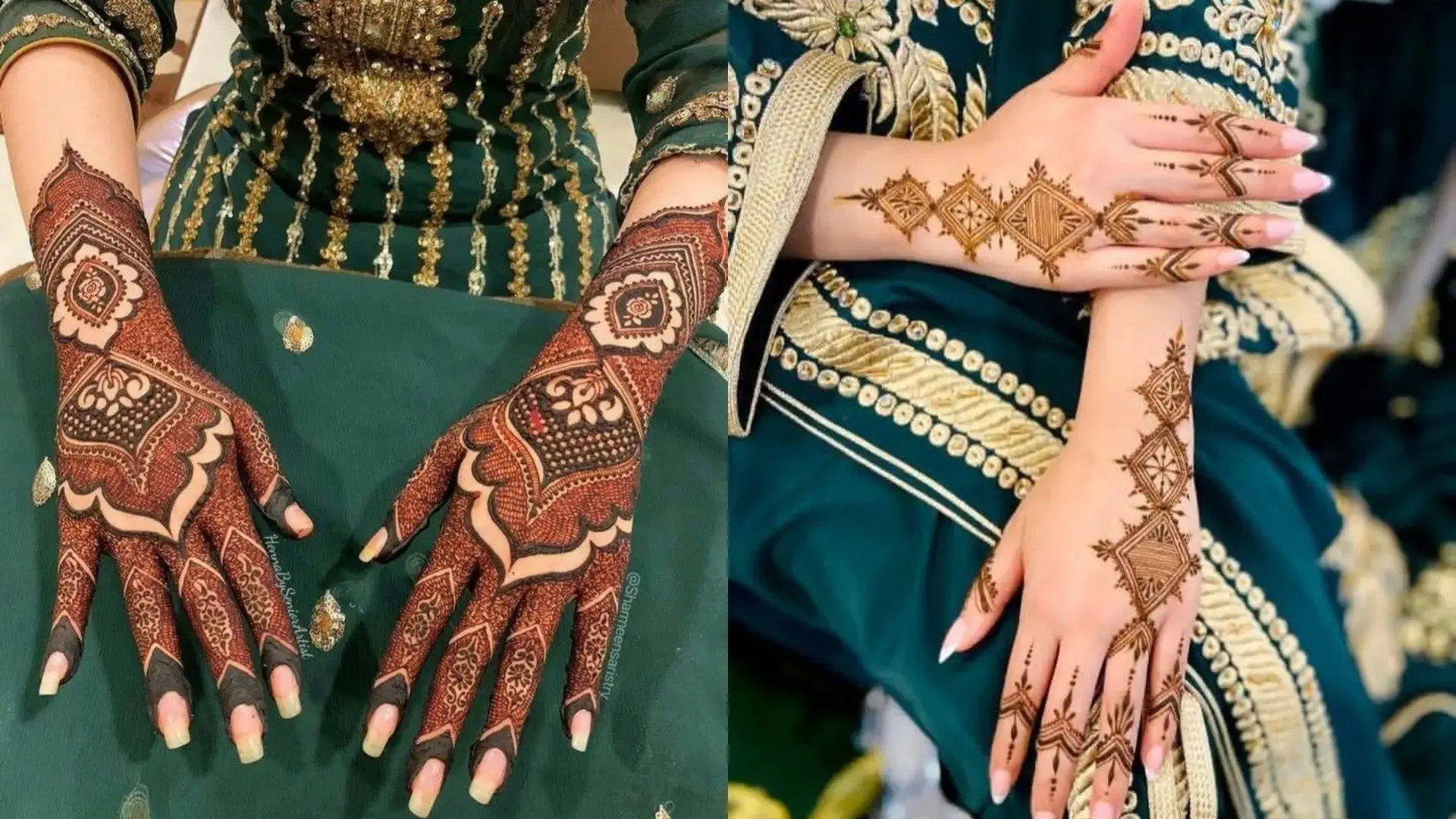
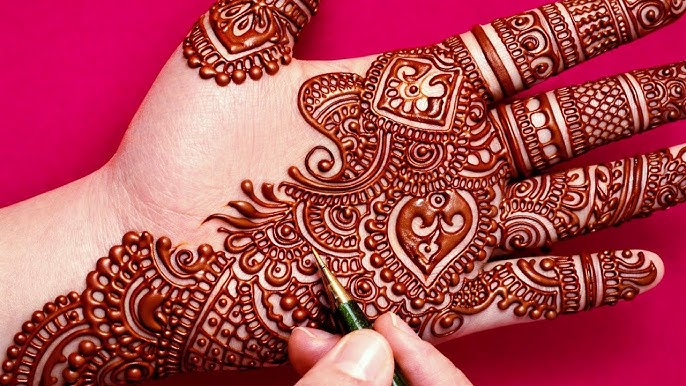
Bridal mehandi ke design represents the absolute pinnacle of henna artistry, transforming brides into extraordinary living masterpieces on their most sacred and celebrated day. These elaborate designs carry centuries of spiritual symbolism and ancestral blessings within every single pattern element.
Modern bridal mehandi ke design in 2026 includes deeply personalized storytelling elements making every bride’s henna completely unique and emotionally meaningful. Couple portraits rendered in fine henna lines, wedding venue illustrations, meaningful song lyrics, and hidden names all appear within contemporary bridal compositions.
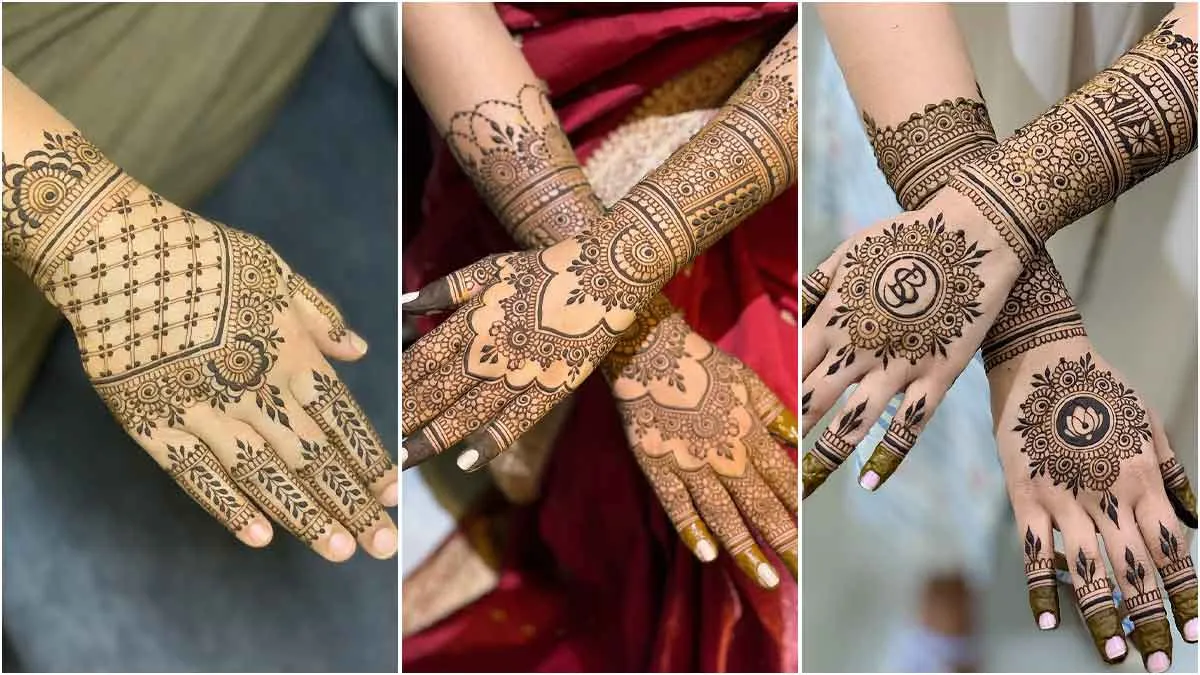
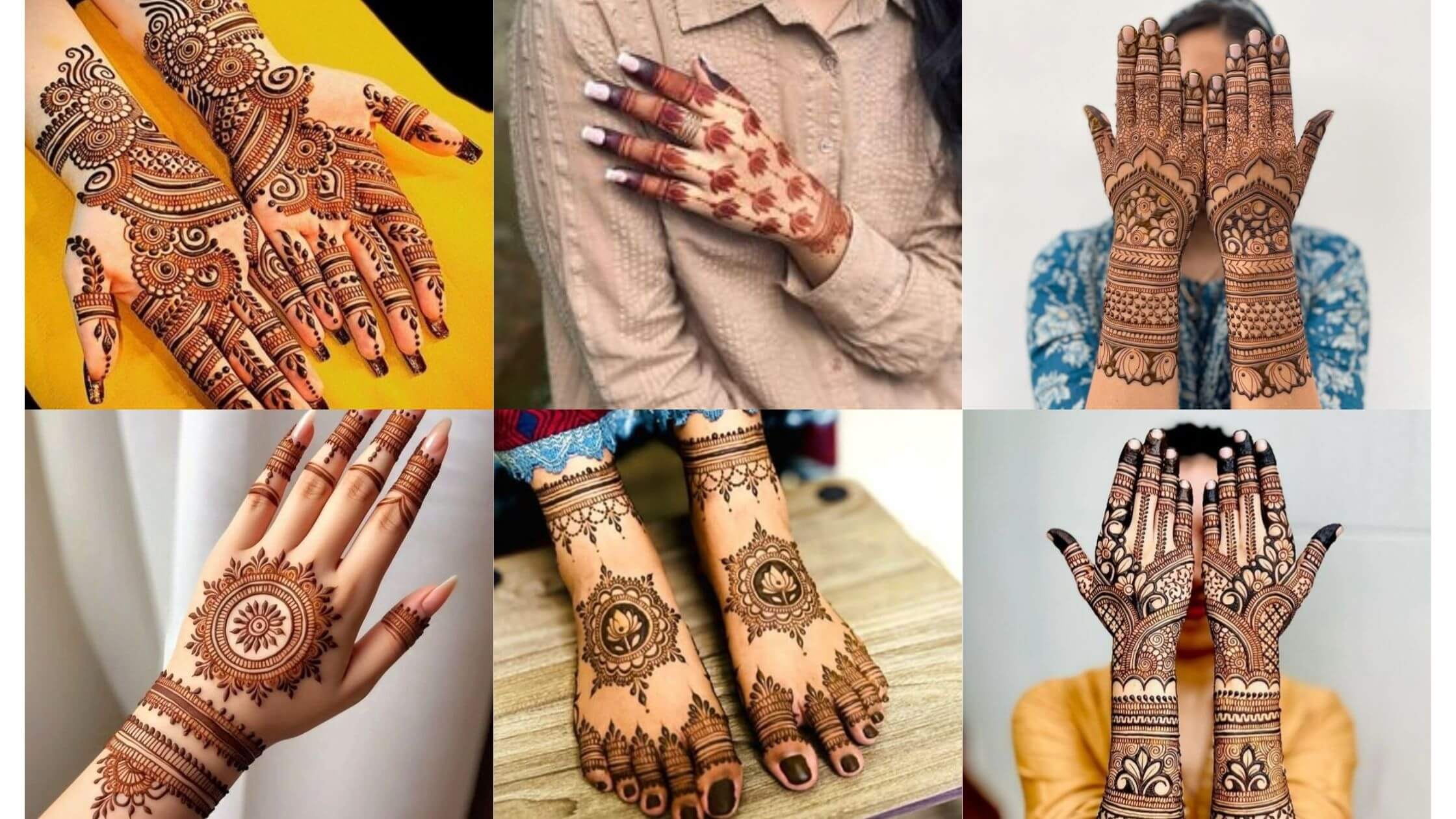
The most beloved bridal mehandi ke design motifs include mandala patterns symbolizing unity and wholeness, lotus flowers representing spiritual purity and new beginnings, peacocks signifying divine grace and beauty, paisleys carrying fertility blessings, and jharokha frames evoking royal grandeur. Each motif connects brides to beautiful ancient traditions.
Bridal mehandi ke design application requires 3-6 hours of skilled dedicated work depending on design complexity and coverage area. This precious time investment creates spectacular results that remain beautifully visible throughout the entire wedding week while continuing to develop deeper darker color for 48 hours after application.
Front Hand Mehandi Ke Design
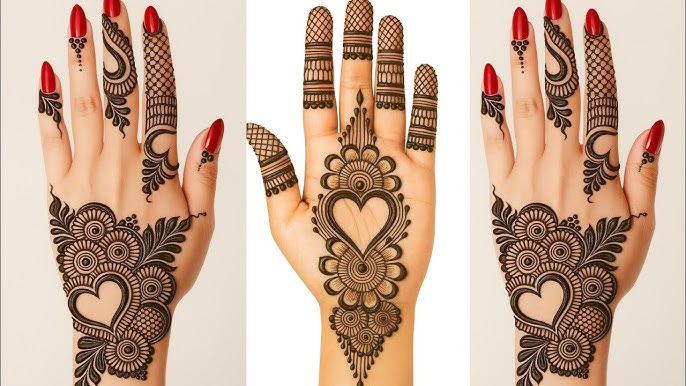
Front hand mehandi ke design holds the most sacred ceremonial position because palms face outward during every blessing, prayer, greeting, and photograph. The palm’s flat visible surface provides ideal canvas for central focal motifs receiving maximum visibility throughout entire celebration days and nights.
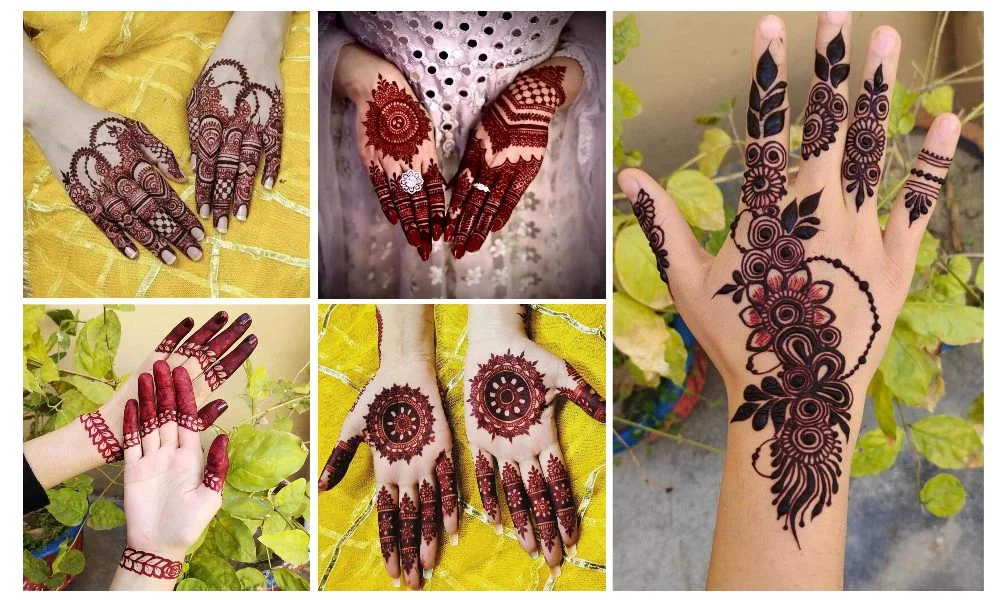
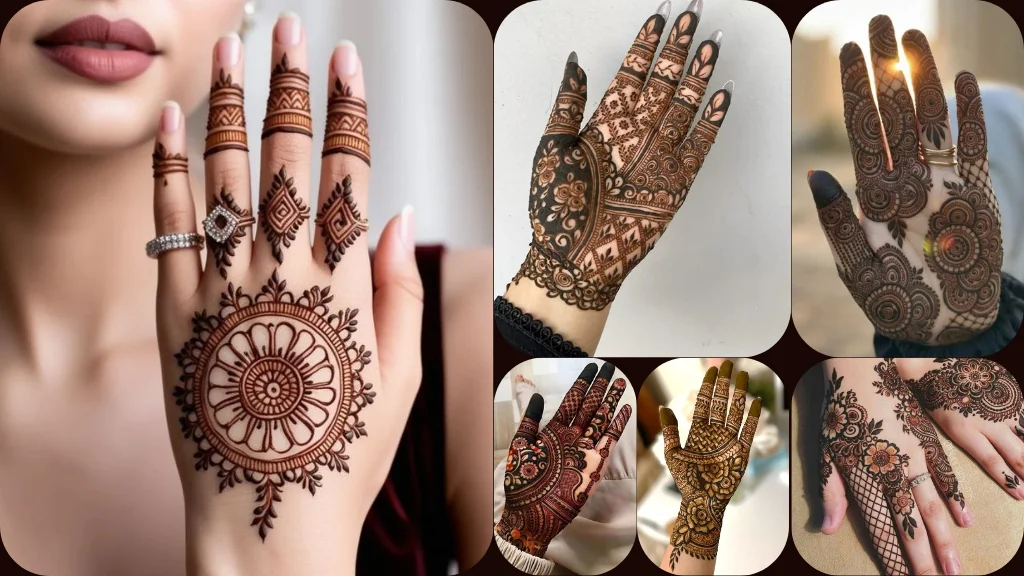
Mandala-centered front hand mehandi ke design creates mesmerizing circular compositions carrying deep spiritual significance of wholeness, cosmic unity, and eternal balance. The systematic repetitive nature of mandala construction makes these stunning designs surprisingly achievable for beginners following structured guidance.
Lotus front hand mehandi ke design symbolizes spiritual purity and new beginnings making it perhaps the most meaningful choice for brides beginning their married life journey. The flower’s elongated petals radiate beautifully from a central oval creating natural visual flow across the entire palm area.
Many brides turn front hand mehandi ke design into a visual love story by incorporating hidden names, wedding dates, couple portraits, and meaningful personal symbols. These intimate elements create interactive moments during wedding ceremonies when guests discover these precious hidden details.
Back Hand Mehandi Ke Design
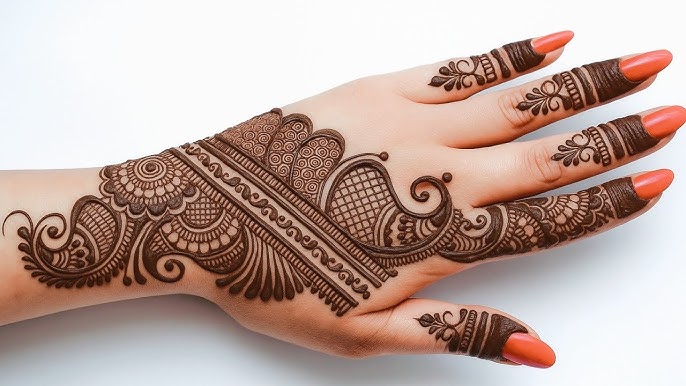
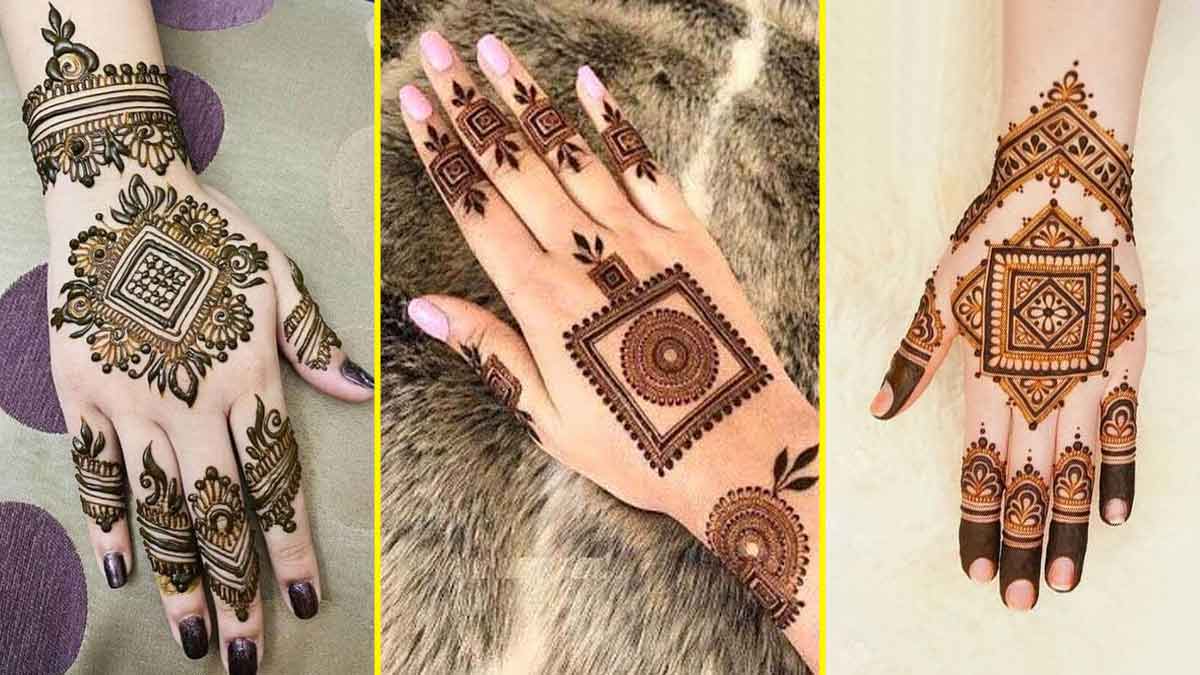
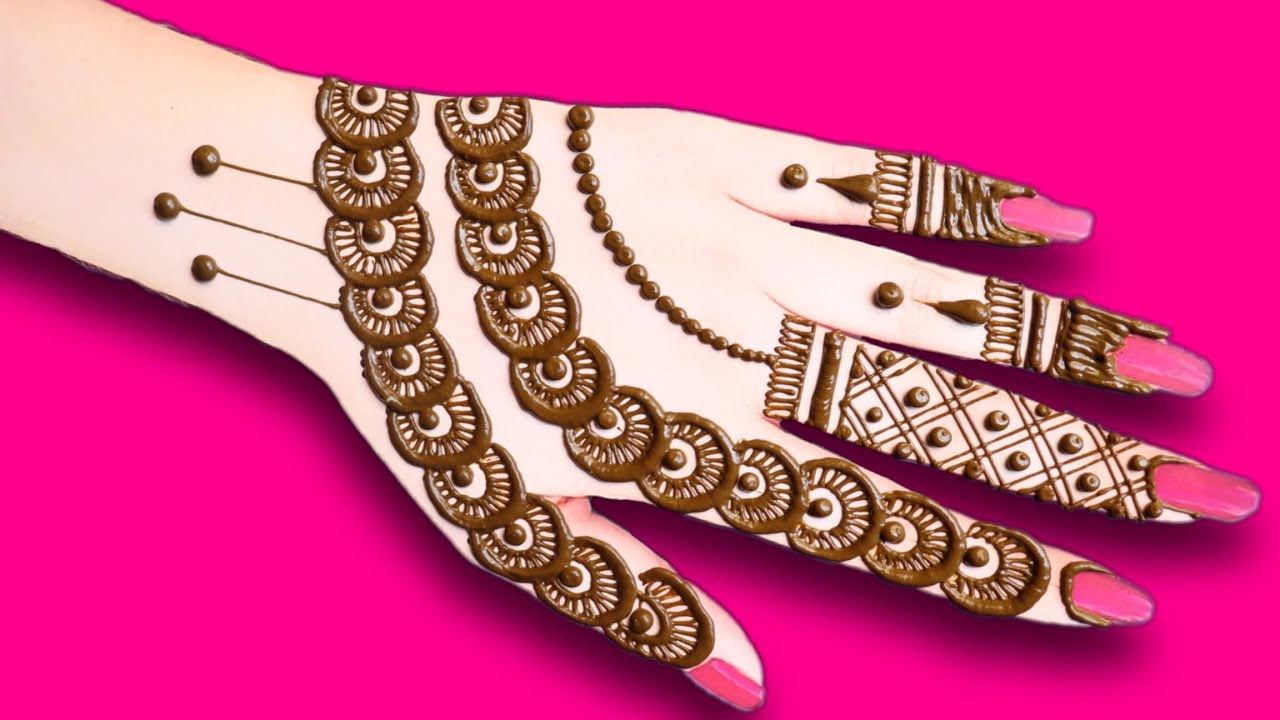
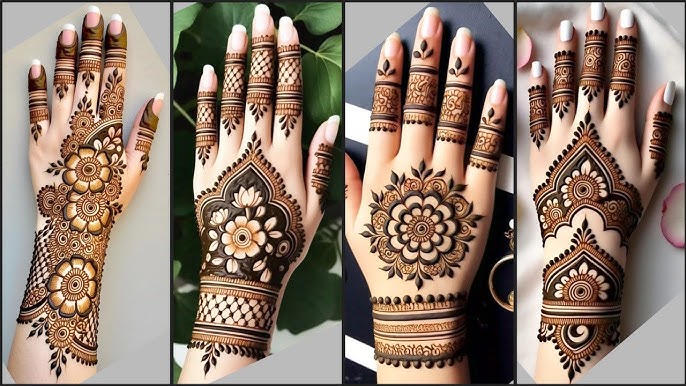
Back hand mehandi ke design offers wonderful creative freedom through its larger more visible canvas that catches attention from every angle throughout celebrations. The back hand’s expanse allows flowing vines, bold statement flowers, architectural geometric patterns, and contemporary art to create dramatic visual impact.
Peacock back hand mehandi ke design creates majestic royal aesthetics with the bird’s body positioned centrally and tail feathers fanning elegantly outward toward fingertips. This natural design flow follows the hand’s structure perfectly while creating spectacular photographic results from every possible angle.
Geometric back hand mehandi ke design brings architectural contemporary precision to traditional henna art through clean calculated shapes and lines. Triangles, diamonds, hexagons, and intersecting patterns create sophisticated modern compositions appealing strongly to fashion-forward contemporary women.
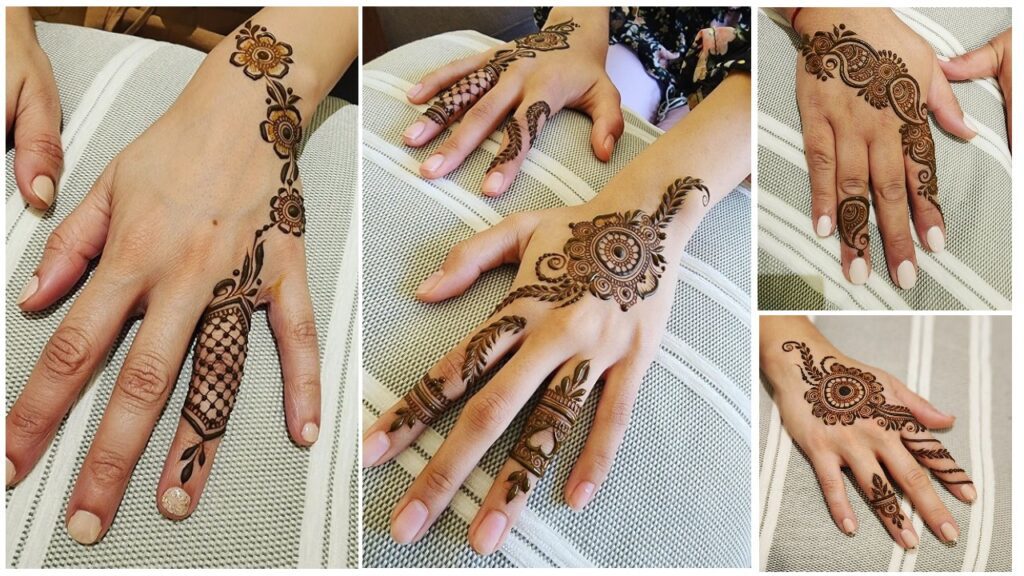
Vine trail back hand mehandi ke design features graceful botanical elements flowing naturally from wrist toward fingertips. These organic trailing patterns follow the hand’s natural contours creating harmonious compositions that appear effortlessly beautiful and move gracefully with hand gestures.
Mehandi Ke Design for Eid Celebrations
Mehandi ke design holds special festive significance during Eid celebrations, transforming the holy occasion into a complete sensory cultural experience. Crescent moon and star patterns carry deep Islamic geometric heritage making Eid mehandi ke design particularly meaningful for celebrating communities worldwide.
Traditional Eid mehandi ke design features flowing Arabic patterns with crescent accents, geometric compositions, and festive elements honoring the holy celebration’s spiritual essence. These designs apply beautifully and quickly allowing multiple family members to receive henna before Eid prayers begin at dawn.
New Eid mehandi ke design trends for 2026 incorporate contemporary Islamic geometric art within traditional crescent and star compositions creating sophisticated modern festival patterns. These updated designs honor religious heritage while embracing contemporary aesthetic sensibilities that resonate powerfully with younger celebrating generations.
Quick application Eid mehandi ke design has become essential for busy families preparing for multiple Eid activities simultaneously. Simple complete designs taking just 20-30 minutes per person ensure every family member receives beautiful henna without the morning becoming stressful or rushed.
Mehandi Ke Design for Diwali and Other Festivals
Diwali mehandi ke design celebrates the magnificent festival of lights through diya lamp motifs, lotus flowers symbolizing Goddess Lakshmi, peacocks representing divine beauty, and prosperity symbols inviting abundant blessings. Bright festive patterns perfectly reflect the celebration’s joyful illuminated spirit.
Karva Chauth mehandi ke design holds deeply romantic significance for married women expressing devoted love and profound spiritual commitment to their life partners. Moon symbols, couple silhouettes, romantic floral compositions, and meaningful marital symbols create deeply personal designs for this emotionally important occasion.
Teej mehandi ke design celebrates the monsoon season with fresh floral patterns, nature-inspired compositions, and traditional motifs connecting women to ancient seasonal celebration traditions. The festive designs honor feminine power and marital devotion through beautiful artistic expression.
Every Indian festival has its own distinct mehandi ke design aesthetic that honors the occasion’s specific cultural meaning and symbolic significance. Choosing festival-appropriate patterns shows cultural knowledge and deep respect that families and communities universally appreciate and admire.
Mehandi Ke Design for Kids
Mehandi ke design for children brings pure infectious joy to little faces through playful patterns featuring butterflies, hearts, stars, animals, and cartoon-inspired motifs. Children absolutely love seeing recognizable beloved shapes appear on their small hands during family celebrations and festivals.
Quick 5-10 minute application times are completely essential for kids’ mehandi ke design because children’s patience and ability to sit still are naturally very limited. Single butterflies, small hearts, or dotted star patterns create instant happiness without requiring extended uncomfortable sitting periods that children resist.
Always use 100% natural chemical-free henna for children’s sensitive skin, performing thorough patch tests 24 hours before any full application. Black chemical henna contains dangerous PPD causing severe allergic reactions and must absolutely never be used on children under any circumstances whatsoever.
Animal-themed mehandi ke design works wonderfully for young children who love nature and wildlife. Tiny elephant processions along wrists, small birds in flight, and paw print trails across palms create adorable designs that children excitedly show to every single family member at celebrations.
Step By Step Mehandi Ke Design Tutorial
Learning mehandi ke design through structured step-by-step guidance builds lasting confidence and consistently beautiful results for all skill levels.
Step 1 – Prepare Properly: Select fresh natural henna from trusted sources and clean hands thoroughly removing all oils, lotions, and moisturizers completely. Perfectly clean dry skin dramatically improves henna adhesion producing significantly darker final mehandi ke design color results.
Step 2 – Visualize Before Starting: Plan your complete mehandi ke design composition mentally before touching cone to skin. Clear mental visualization prevents hesitation that creates uneven lines and poorly proportioned design compositions that disappoint.
Step 3 – Start With Your Central Focal Point: Begin with the most important central design element – flower, mandala, peacock, geometric shape – positioned precisely in palm or wrist area. Perfect central placement successfully anchors the entire mehandi ke design composition.
Step 4 – Build Supporting Elements Outward: Add complementary surrounding elements including dots, small leaves, delicate vines, and secondary florals that naturally frame and enhance your central motif beautifully. Supporting elements complete rather than compete with your focal point.
Step 5 – Extend Toward Fingers And Wrist: Extend lighter simpler patterns from palm toward fingers and downward across wrist for cohesive complete appearance. Finger and wrist elements should always remain lighter and simpler than central design to maintain proper visual hierarchy.
Step 6 – Complete With Finishing Details: Fill remaining empty spaces strategically with small dots, short curved accent lines, or tiny leaf shapes creating professional polished completion. These finishing touches make entire mehandi ke design feel intentionally complete rather than unfinished.
Expert Tips for Perfect Mehandi Ke Design
Fresh natural henna from reliable verified sources represents the single most critical factor determining your mehandi ke design final color intensity and line clarity quality. Chemical-laden or old henna produces consistently disappointing results regardless of application skill or technique employed.
Supporting your application elbow firmly on a stable cushioned surface maintains the hand steadiness absolutely essential for creating clean precise mehandi ke design lines and shapes. Unsupported arms create progressive trembling making consistent professional-quality pattern work increasingly difficult over time.
Begin every design element with thin light initial strokes that you can confidently thicken and reinforce afterward as needed. Starting thin provides essential corrective flexibility that thick heavy initial strokes never allow once henna paste contacts skin.
Practice your chosen mehandi ke design multiple times on paper before attempting it on skin for any important occasion. Paper practice builds genuine muscle memory and design familiarity translating directly into more confident and professional-looking skin application results every time.
Aftercare for Darkest Mehandi Ke Design Color
Maintaining henna paste contact for minimum 8-10 hours dramatically increases final color depth and lasting richness in any mehandi ke design style. The longer natural henna contacts skin the more deeply lawsone dye molecules penetrate producing significantly richer and darker lasting beautiful staining.
Apply traditional lemon juice and sugar solution gently on drying mehandi ke design multiple times throughout the paste’s drying process. This time-tested technique creates moisture-sealing barrier consistently producing measurably darker final color compared to completely untreated drying paste.
Avoiding all water contact for complete 24 hours after removing dried paste represents the single most critical aftercare decision for darkest possible mehandi ke design color. Water exposure during this crucial oxidation period significantly prevents proper color development and final darkening results.
Twice-daily natural oil application – coconut, olive, or mustard oil – creates protective barriers preventing premature color fading while maintaining vibrant richness throughout the complete mehandi ke design lifecycle. Daily moisturizing extends beautiful mehndi life significantly and keeps hands soft.
Conclusion
Mehandi ke design represents one of humanity’s most beautiful and enduring artistic traditions, connecting generations of women through shared creativity, cultural pride, and celebratory joy throughout history. Whether you choose simple minimalist patterns or elaborate bridal masterpieces, your mehandi ke design tells a uniquely personal story.
The 2026 trends celebrate personalization, artistic innovation, and deep respect for cultural heritage simultaneously and equally. From bold Arabic compositions to intricate traditional coverage, from modern geometric fusion to spiritually meaningful mandala art, mehandi ke design offers infinite creative possibilities for every personality and occasion.
Choose designs making you feel authentically beautiful, honoring your cultural connections, and reflecting your unique personality and story. Your mehandi ke design is far more than decoration – it is living art celebrating life’s most important moments in the most beautiful possible way imaginable.
Explore all 100+ stunning mehandi ke design patterns today and discover the perfect henna art transforming your hands into exquisite canvases of tradition, beauty, and deeply personal expression! 🌸
FAQS
Q: What does mehandi ke design mean?
A: Mehandi ke design means “mehndi designs” in Urdu and Hindi – referring to beautiful henna art patterns applied on hands, feet, and arms for weddings, festivals, and special celebrations across South Asia.
Q: Which mehandi ke design is trending most in 2026?
A: Personalized bridal designs with couple portraits, minimal negative space patterns, Arabic fusion styles, deconstructed mandalas, and geometric compositions are the most trending mehandi ke design styles in 2026.
Q: How long does mehandi ke design application take?
A: Simple mehandi ke design takes 20-40 minutes. Medium complexity takes 1-2 hours. Elaborate bridal mehandi ke design requires 3-6 hours complete application depending on coverage, intricacy, and design complexity.
Q: How can I make my mehandi ke design darker naturally?
A: Keep paste on 8-10 hours minimum, apply lemon-sugar solution while drying, maintain warm temperature, avoid water completely for 24 hours after removal, and moisturize twice daily with natural oils for maximum color.
Q: Can beginners create mehndi ke design at home?
A: Absolutely! Simple flower, dot, and vine mehandi ke design patterns are perfect for home beginners. Practice basic shapes on paper first, use quality fresh henna, support elbow firmly, and start with simple patterns.
Q: Is mehandi ke design safe for children?
A: Natural brown henna mehandi ke design is completely safe for children with proper patch testing. NEVER use black chemical henna on children as it contains dangerous PPD causing severe allergic reactions and skin damage.
Q: What materials are needed for mehandi ke design at home?
A: Fresh natural henna cone, tissue paper for cleanup, lemon-sugar sealing solution, and natural oil for aftercare are the four essential items enabling beautiful professional-quality mehandi ke design results at home.
Q: How long does mehandi ke design color last on hands?
A: Mehandi ke design typically lasts 1-3 weeks depending on skin type, application quality, paste contact time, and aftercare consistency. Color peaks beautifully at 24-48 hours after application then gradually fades.
Q: What is the difference between mehandi ke design and henna design?
A: Mehandi ke design and henna design refer to the same beautiful art form. Mehandi is the South Asian term while henna is the Arabic/English term for the same natural plant-based temporary body art tradition.
Q: Which mehandi ke design style is best for beginners?
A: Simple Arabic mehandi ke design with bold flowing strokes is ideal for beginners because thick bold lines are forgiving and quick to apply. Single flower patterns and vine trails are also perfect starting points.