




Introduction
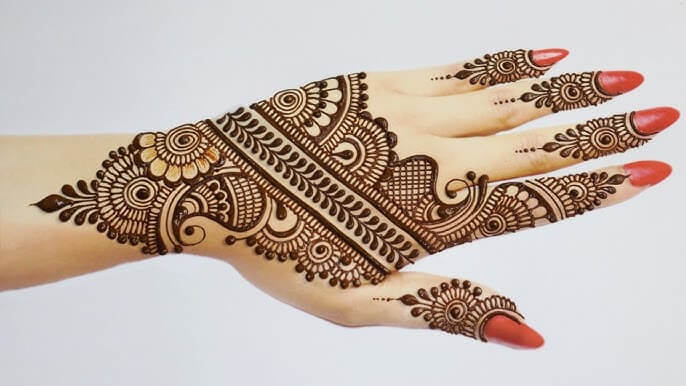
Arabic henna designs have become the most sought-after style of mehndi art worldwide, celebrated for their bold floral patterns, flowing vines, and elegant use of negative space.
These stunning designs transform hands and feet into canvases of beauty, combining traditional Middle Eastern artistry with contemporary fashion trends that appeal to modern brides and style enthusiasts alike.
Whether you are planning a wedding, preparing for Eid celebrations, or simply want to adorn yourself with beautiful body art, this comprehensive guide covers everything you need to know about Arabic henna designs.
From understanding what makes them unique to choosing the perfect pattern and caring for your henna, we provide expert insights that will help you achieve gorgeous, long-lasting results.
What Makes Arabic Henna Designs Special?
Arabic henna designs stand out from other mehndi styles through the distinctive characteristics that make them instantly recognizable. The hallmark of these designs is their generous use of space, creating breathing room that prevents the hand from looking overcrowded or heavy.
Unlike Indian or Pakistani mehndi that often covers every inch of skin, Arabic henna designs feature bold, flowing lines that typically start from one side of the hand and gracefully extend toward the fingers.
The patterns emphasize large floral motifs, curved vines, and leaf clusters that create movement and flow, making these designs both elegant and comfortable to wear for extended periods.
The beauty of Arabic henna designs lies in their versatility – they work equally well for brides seeking dramatic impact and for everyday occasions requiring simpler elegance. The quick application time compared to dense Indian patterns makes them practical choices for busy modern lifestyles while still delivering stunning visual results.
History and Cultural Significance of Arabic Henna
Arabic henna designs have deep roots in Middle Eastern culture, where henna art has been practiced for thousands of years. Ancient civilizations across the Arabian Peninsula, North Africa, and parts of Asia used henna not only for decoration but also for its cooling properties and medicinal benefits.
Traditionally, Arabic henna designs were applied during weddings, religious celebrations like Eid, and other significant life events. The patterns often carried symbolic meanings, with flowers representing joy and new beginnings, while vines symbolized devotion and eternal connections between loved ones.
Today, Arabic henna designs have evolved beyond their cultural origins to become a global phenomenon. Modern artists blend traditional motifs with contemporary elements, creating fusion styles that honor heritage while embracing innovation and personal expression.
Top 10 Trending Arabic Henna Designs for 2026
1. Bold Floral Arabic Henna Designs
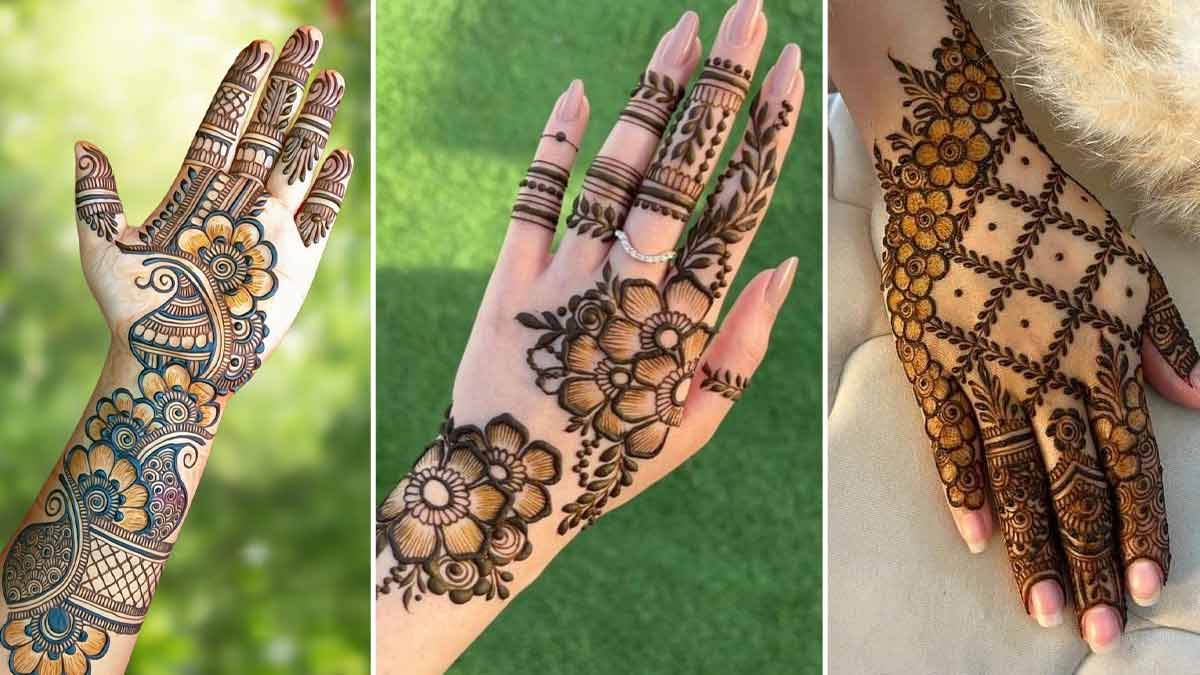
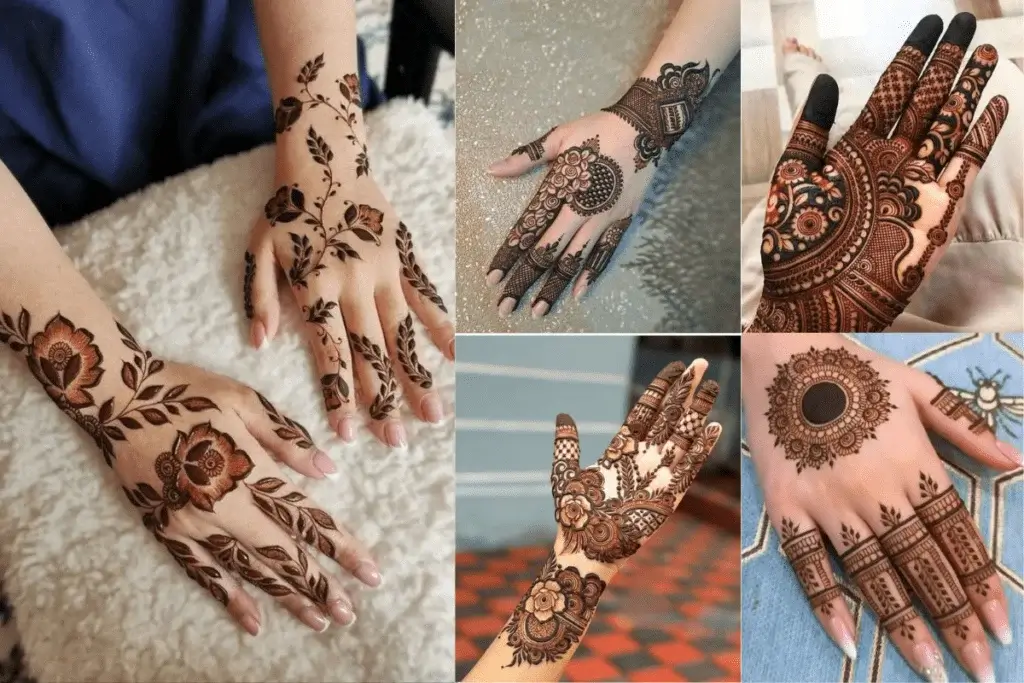
Bold floral Arabic henna designs dominate the 2026 trends with oversized roses, lotuses, and abstract flowers taking center stage. These statement blooms typically appear on the palm or back of the hand, surrounded by complementary leaves and swirls that enhance the main focal point.
The modern approach to floral Arabic patterns emphasizes thick, confident lines that create dramatic impact. Artists are experimenting with layered petals, shaded centers, and detailed stamens that bring depth and dimension to traditional flower motifs.
2. Minimalist Arabic Henna Designs
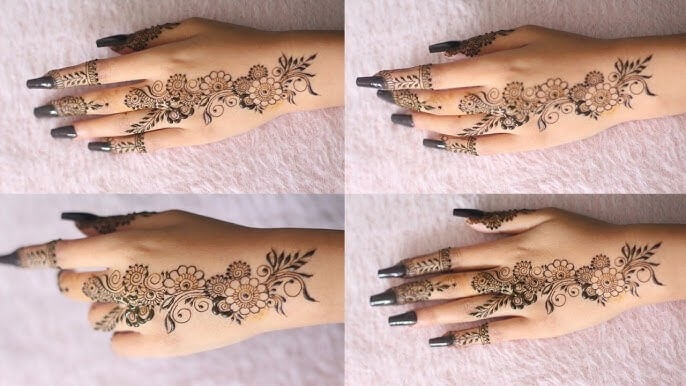
Minimalist Arabic henna designs represent the growing trend toward simplicity and negative space. These patterns feature single flowing vines with sparse leaf placement, delicate finger trails, or small accent flowers that create maximum impact with minimal coverage.
Perfect for professional settings or casual gatherings, minimalist Arabic designs offer sophistication without overwhelming the hand. They dry quickly, require less maintenance, and showcase jewelry beautifully, making them ideal choices for modern women balancing tradition with contemporary lifestyle demands.
3. Bridal Arabic Henna Designs
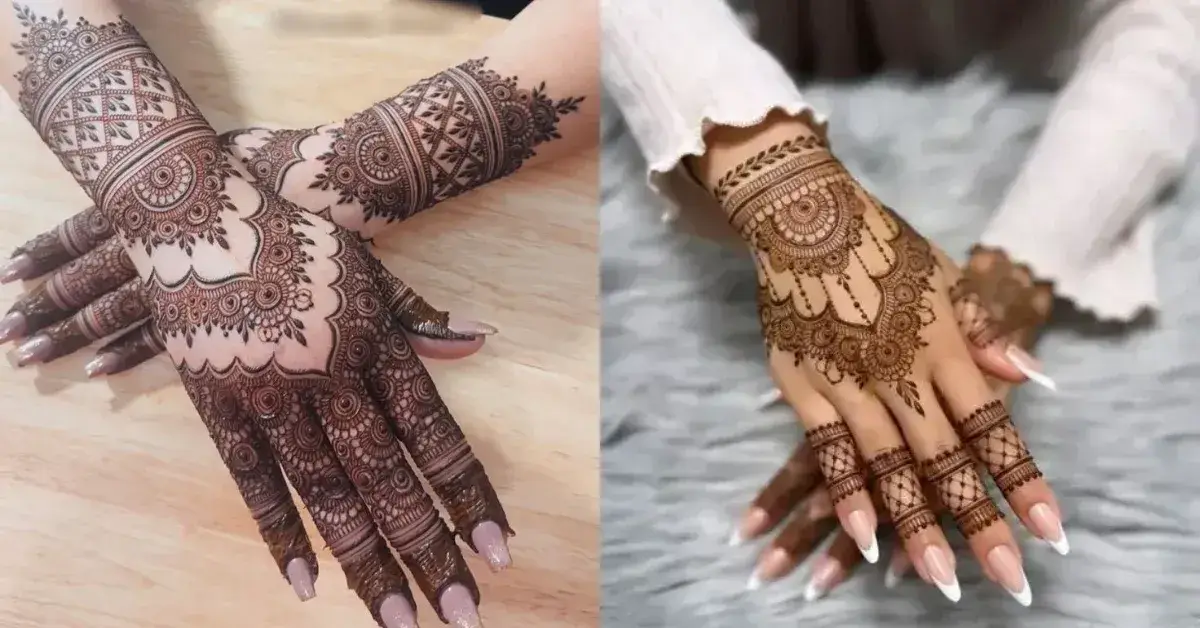
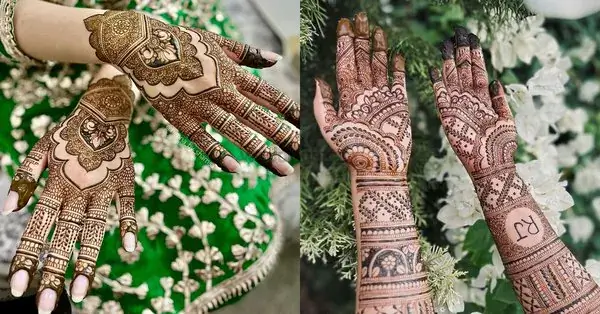
Bridal Arabic henna designs combine the elegance of traditional Arabic patterns with the density required for wedding celebrations. These designs extend from fingertips to forearms, featuring intricate florals, peacock feathers, and paisleys while maintaining the characteristic flowing Arabic style.
Modern brides are personalizing their Arabic henna with hidden elements like groom initials, wedding dates, or portrait elements blended seamlessly into the design. The fusion of Arabic boldness with Indian detailing creates stunning bridal mehndi that photographs beautifully and makes lasting impressions.
4. Geometric Arabic Henna Patterns
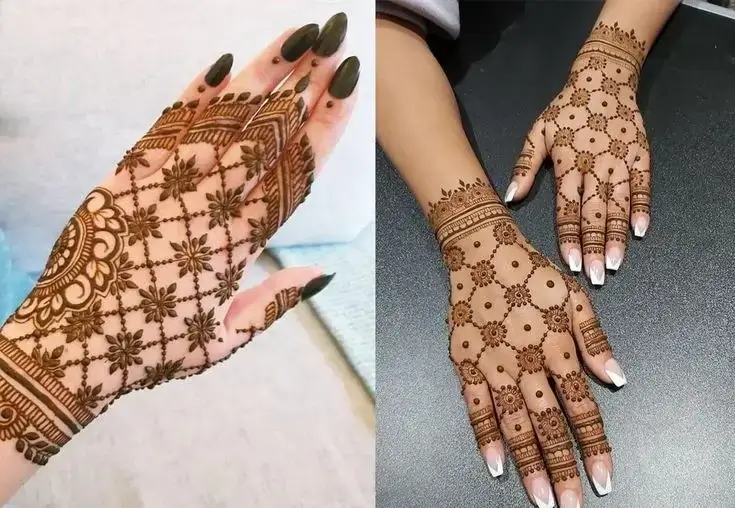
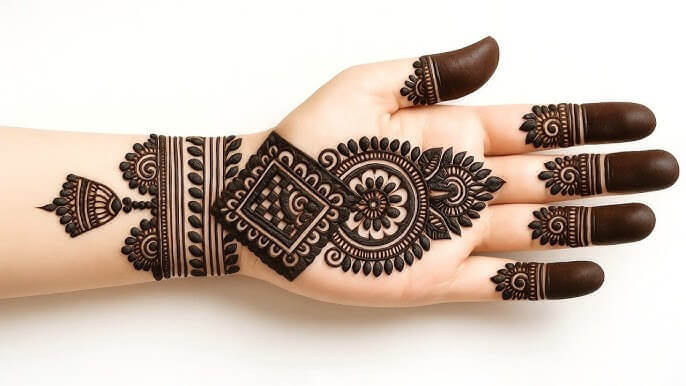
Geometric Arabic henna designs blend traditional Middle Eastern patterns with mathematical precision. Clean lines, symmetrical shapes, hexagons, and triangular arrangements create contemporary looks that appeal to modern aesthetic sensibilities.
These structured patterns work wonderfully for those who prefer architectural beauty over organic florals. The geometric approach to Arabic henna creates bold statements that look equally stunning in photographs and real life, making them popular choices for fashion-forward individuals.
5. Finger-Trail Arabic Designs
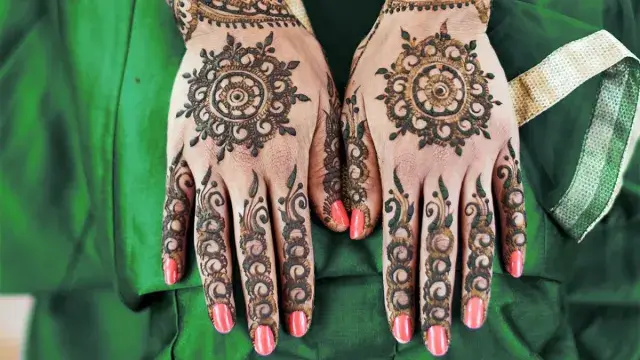
Finger-trail Arabic henna designs feature delicate vines or floral chains that flow from the wrist across the hand and extend onto each finger. This continuous movement creates visual harmony that elongates the hand and draws attention to elegant finger positions.
The 2026 trend emphasizes asymmetrical finger trails where each finger receives unique attention rather than identical patterns. This personalized approach makes every hand a one-of-a-kind artwork while maintaining the cohesive flow characteristic of Arabic designs.
6. Paisley-Infused Arabic Henna
Paisley-infused Arabic henna designs incorporate the beloved teardrop motif into flowing Arabic patterns. These fusion designs combine Indian paisley elements with Arabic boldness, creating unique patterns that bridge different cultural traditions.
The paisleys in Arabic designs tend to be larger and bolder than their Indian counterparts, with fewer internal details and more emphasis on clean outlines. This creates a perfect balance between intricate traditional elements and modern simplicity.
7. Bracelet-Style Arabic Henna
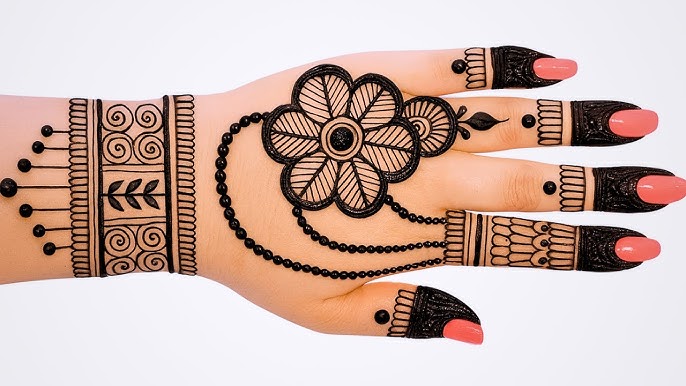
Bracelet-style Arabic henna designs wrap around the wrist like jewelry, featuring chain-like patterns, floral bands, or geometric borders. These designs create the illusion of wearing ornate accessories while keeping the palm and fingers relatively free.
Perfect for those who want visible henna without full hand coverage, bracelet designs work beautifully for everyday wear and professional environments. They can be as simple as a single line pattern or as elaborate as multi-layered cuffs with hanging pendants and charms.
8. Lotus-Centered Arabic Designs
Lotus-centered Arabic henna designs feature the sacred flower as the primary focal point, typically placed in the palm center with flowing Arabic elements radiating outward. The lotus symbolizes purity, enlightenment, and new beginnings, making it particularly meaningful for weddings and spiritual occasions.
Modern interpretations of lotus Arabic designs incorporate creative shading techniques and layered petals that create three-dimensional effects. The combination of spiritual symbolism with elegant Arabic styling results in designs that are both beautiful and meaningful.
9. Khaleeji (Gulf-Style) Arabic Henna
Khaleeji Arabic henna designs originate from the Gulf region and feature extremely bold, thick lines with generous negative space. These patterns are characterized by large floral blocks, dramatic curves, and minimal fine detailing that creates a striking visual impact.
The Khaleeji style has gained international popularity for its contemporary aesthetic and quick application time. These designs photograph exceptionally well and are perfect for those who appreciate modern, fashion-forward henna art.
10. Fusion Arabic-Indian Henna Designs
Fusion Arabic-Indian henna designs represent the creative marriage of two distinct styles. These patterns combine Arabic flowing lines and negative space with Indian intricate filling, paisleys, and dense patterns, creating unique designs that offer the best of both traditions.
Modern brides especially love fusion designs because they provide the bold impact of Arabic mehndi with the detailed richness of Indian patterns. This combination allows for personalized creativity while honoring multiple cultural influences.
Arabic Henna Designs for Different Occasions
Wedding Arabic Henna Designs
Wedding Arabic henna designs require careful planning to create memorable bridal artwork. These designs typically extend from fingertips to elbows on arms and from toes to knees on legs, featuring elaborate florals, peacock motifs, and personalized elements.
Bridal Arabic henna balances traditional elegance with modern innovation, often incorporating hidden portraits, initials, or meaningful symbols. The application process can take 4-6 hours, so brides should plan accordingly and choose experienced artists who specialize in bridal work.
Eid and Festival Arabic Henna
Eid and festival Arabic henna designs strike a perfect balance between celebratory beauty and practical application time. These patterns focus on hand coverage with simpler foot designs, allowing for quicker completion while still creating festive impact.
Popular motifs for Eid include crescents, stars, and geometric patterns combined with traditional Arabic florals. Festival designs should be applied 1-2 days before the celebration to ensure optimal color development and longevity throughout the festivities.
Party and Casual Arabic Henna
Party and casual Arabic henna designs emphasize quick, stylish patterns perfect for spontaneous occasions. Simple wrist cuffs, finger trails, or single palm flowers provide elegant decoration without extensive time commitment.
These minimalist Arabic designs complement contemporary fashion and work well for dinner parties, social gatherings, or just adding a touch of beauty to everyday life. They typically take 15-30 minutes to apply and dry quickly for convenient wear.
How to Choose the Perfect Arabic Henna Design
Choosing the perfect Arabic henna design requires considering your personal style, occasion, and practical factors. Start by browsing various design galleries and identifying patterns that resonate with your aesthetic preferences and the event you are attending.
Consider your outfit when selecting designs. Traditional clothing pairs beautifully with elaborate Arabic patterns, while modern attire often looks best with minimalist styles. Think about how much time you can dedicate to application and aftercare, as more complex designs require greater commitment.
Consult with your henna artist about what designs work best for your hand shape and skin tone. Some patterns elongate the hand, while others create width or emphasize specific features. Professional artists can customize Arabic designs to flatter your unique attributes.
Step-by-Step Application Process
Proper application ensures your Arabic henna designs develop rich color and last longer. Begin by thoroughly cleaning your hands with soap to remove oils, lotions, and dirt that could prevent henna from staining properly.
Professional artists typically start Arabic designs from the wrist area and work toward the fingers, establishing the main flowing vine or central motif first. Supporting elements like leaves, flowers, and decorative details are added around the primary pattern to create balance and completeness.
During application, keep your hand steady and relaxed – tension causes shakiness that affects line quality. Allow each section to dry slightly before moving to adjacent areas to prevent smudging. The entire process for moderate Arabic designs typically takes 1-2 hours.
Caring for Your Arabic Henna Design
Proper aftercare maximizes the color intensity and longevity of your Arabic henna designs. Keep the dried paste on your skin for at least 6-8 hours, or ideally overnight, before scraping it off gently without using water.
After removing the paste, apply a lemon-sugar mixture to seal the design and enhance darkening. Avoid washing the henna area with water for 12-24 hours to allow the stain to fully develop and oxidize to its darkest shade.
Protect your Arabic henna from excessive water exposure, harsh soaps, and chlorine. Apply natural oils like coconut or olive oil daily to moisturize the design area and extend its life, which typically ranges from 1-3 weeks depending on care and skin type.
DIY Arabic Henna at Home
Creating beautiful Arabic henna designs at home is achievable with practice and the right techniques. Start with high-quality natural henna cones or prepare your own paste using organic henna powder, lemon juice, sugar, and essential oils.
Practice basic Arabic elements like flowing vines, leaves, and simple flowers on paper before applying to skin. Begin with easy wrist cuffs or finger trails, gradually progressing to more complex patterns as your confidence and skill develop.
Watch online tutorials specifically focused on Arabic henna techniques to learn proper cone holding, pressure control, and line consistency. Remember that even professional artists started as beginners – patience and regular practice are the keys to mastering this beautiful art form.
Common Mistakes to Avoid
The biggest mistake when applying Arabic henna designs is overworking patterns and losing the characteristic negative space. Arabic mehndi beauty comes from a balance between decorated and empty areas – avoid the temptation to fill every gap.
Never use black henna or chemically enhanced products that promise instant dark color. These dangerous mixtures contain harmful substances that can cause severe allergic reactions, permanent skin damage, and scarring. Always choose natural, organic henna for safe application.
Avoid rushing the drying process or washing henna too soon after application. Premature removal significantly reduces color intensity and longevity. Plan your timing carefully to allow proper paste drying and stain development for best results.
Latest Trends in Arabic Henna 2026
The latest trends in Arabic henna designs for 2026 emphasize personalization and creative fusion. Couples are incorporating their love stories through custom illustrations, meaningful symbols, and hidden elements that make their mehndi uniquely theirs.
White henna accents combined with traditional brown designs create stunning contrast effects, gaining popularity on social media. Glitter applications, colored henna, and temporary gems add extra dimension to classic Arabic patterns for special occasions.
Sustainability consciousness is influencing henna choices, with growing demand for organic, locally-sourced ingredients and eco-friendly packaging. Minimalist designs continue trending as people seek elegant simplicity that complements modern lifestyles while honoring traditional artistry.
Finding the Right Arabic Henna Artist
Selecting a skilled Arabic henna artist ensures your designs turn out exactly as envisioned. Research local artists by examining their portfolios on Instagram, Pinterest, and Facebook, paying special attention to their Arabic-style work specifically.
Schedule consultations to discuss your vision and assess whether the artist understands your style preferences. Ask about their experience with Arabic designs, typical application times, and pricing structure before making commitments.
Professional Arabic henna artists should use only natural henna without harmful additives and maintain hygienic practices. Read reviews from previous clients about their experiences, reliability, and results to make informed decisions for your important occasions.
Arabic Henna for Different Skin Tones
Arabic henna designs work beautifully across all skin tones, though the final color varies based on individual body chemistry. Fair skin typically shows reddish-orange stains, while medium skin tones develop rich brown colors, and darker skin achieves deep chocolate shades.
Design visibility differs by skin tone – bold Arabic patterns with generous negative space show exceptionally well on all complexions. Lighter skin may benefit from slightly thicker lines for better contrast, while darker tones can carry delicate details beautifully.
The key to gorgeous Arabic henna regardless of skin tone is using high-quality natural henna and following proper aftercare. Color development continues for 24-48 hours after paste removal, so be patient and allow the stain to fully mature before judging results.
Conclusion
Arabic henna designs represent a perfect fusion of ancient tradition and contemporary style, offering timeless beauty that transcends cultural boundaries. From bold floral statements to delicate minimalist patterns, the versatility of Arabic mehndi ensures there is a perfect design for everyone.
Whether you choose elaborate bridal artwork or simple everyday elegance, the flowing lines and elegant spacing of Arabic henna create stunning results that celebrate natural beauty. The art form continues evolving while maintaining its cultural roots, making it relevant for modern celebrations worldwide.
As you explore the world of Arabic henna designs, remember that practice, patience, and proper care are essential for achieving gorgeous, long-lasting results. Embrace this beautiful tradition, make it your own through personal touches, and enjoy the creative journey of transforming your hands into temporary canvases of artistic expression.