





Introduction
Arabic mehndi design has taken the world by storm with its bold strokes, flowing patterns, and elegant simplicity that captivates everyone. These beautiful henna designs offer the perfect blend of tradition and modernity, making them the top choice for brides, festival lovers, and mehndi enthusiasts worldwide.
Unlike heavily detailed Indian patterns, Arabic designs celebrate negative space and graceful curves that make your hands look sophisticated and classy. Whether you’re planning your wedding, celebrating Eid, attending a festival, or simply love adorning your hands with beautiful art, this complete guide will transform you into an Arabic mehndi expert.
What Makes Arabic Mehndi Design Special and Unique?
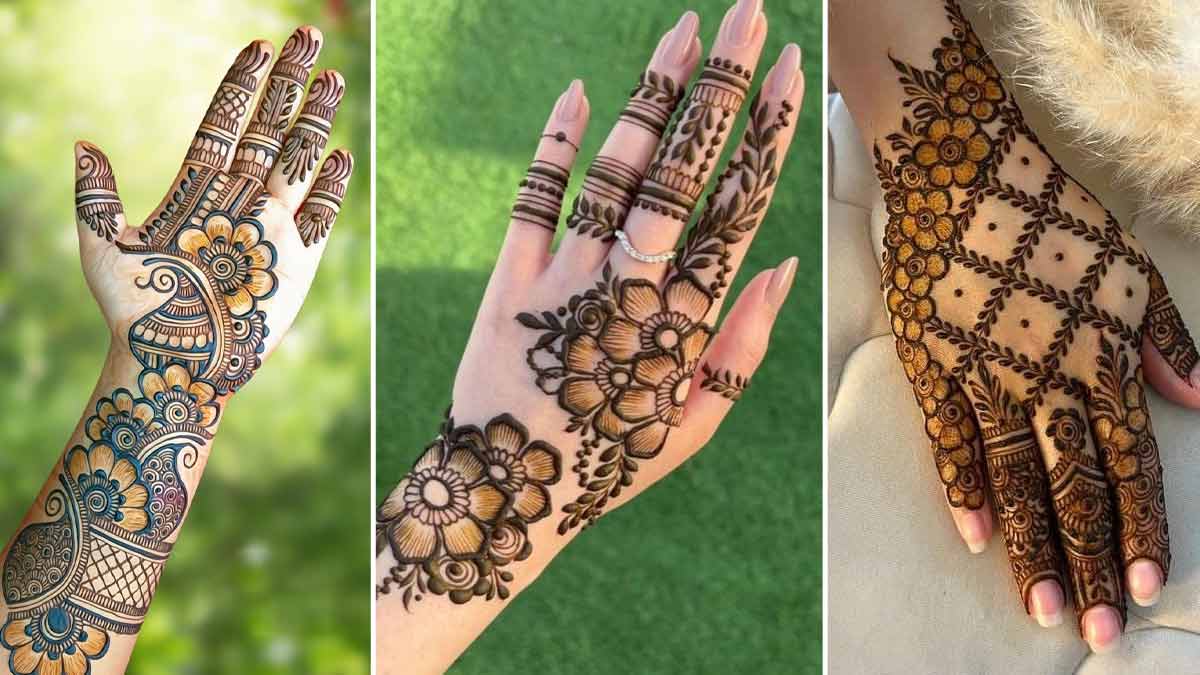
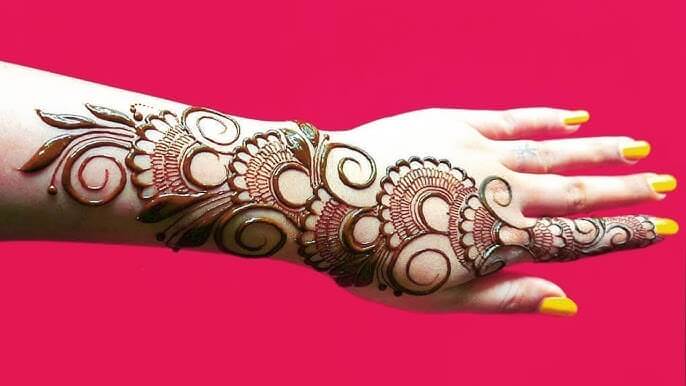
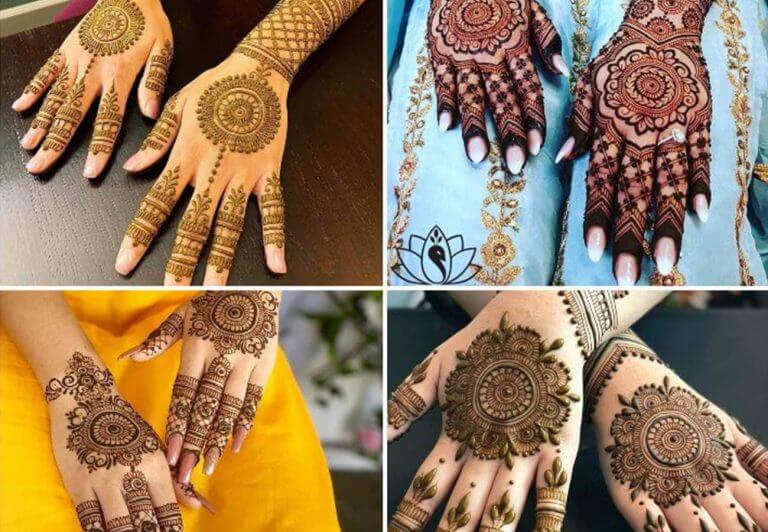
Arabic mehndi stands out from other styles because of its distinctive characteristics that everyone instantly recognizes. The bold, thick lines create dramatic contrast against your skin, while flowing vines and floral elements add natural beauty.
The generous use of empty space between patterns gives Arabic designs their signature airy, modern look. This negative space isn’t emptiness—it’s a deliberate design choice that makes the henna patterns pop and creates visual breathing room.
Key Characteristics of Arabic Mehndi Patterns
Free-flowing designs move naturally across your hands without rigid boundaries or strict geometric constraints. The patterns dance and flow like nature itself, creating organic beauty that looks effortless.
Large floral motifs dominate Arabic mehndi, with roses, lotuses, and abstract flowers serving as focal points. These bold blooms command attention and create stunning visual anchors for the overall design.
Bold strokes and thick lines define the Arabic style, making these patterns visible from a distance. The confidence in each stroke creates impact without needing intricate filling or heavy detailing.
Minimal shading keeps Arabic designs clean and crisp, though modern variations do incorporate subtle shading for depth. The focus remains on strong outlines and clear patterns rather than complex internal details.
Top 15 Arabic Mehndi Design Patterns That Everyone Loves
1. Classic Arabic Floral Design
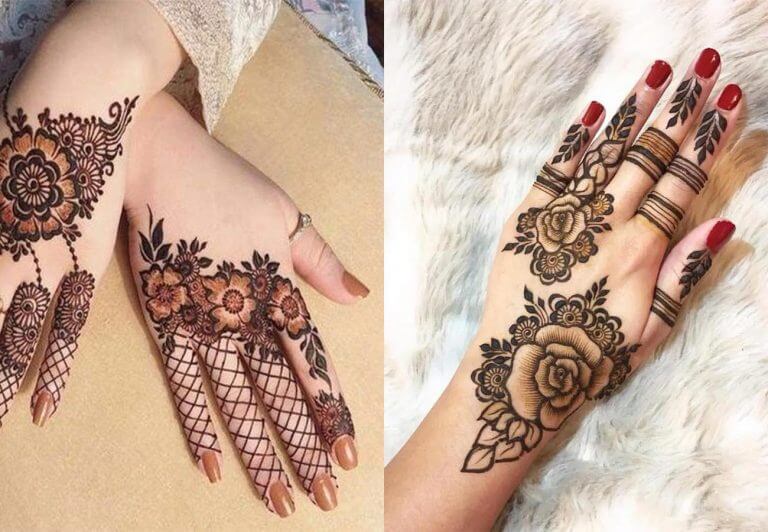
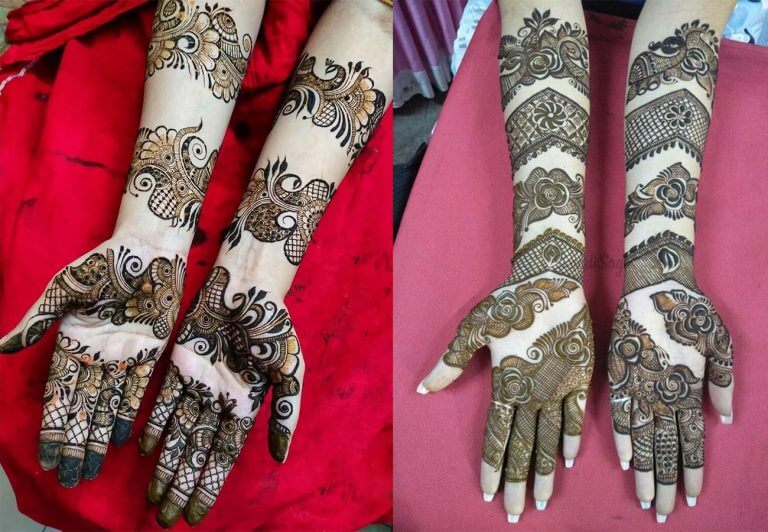
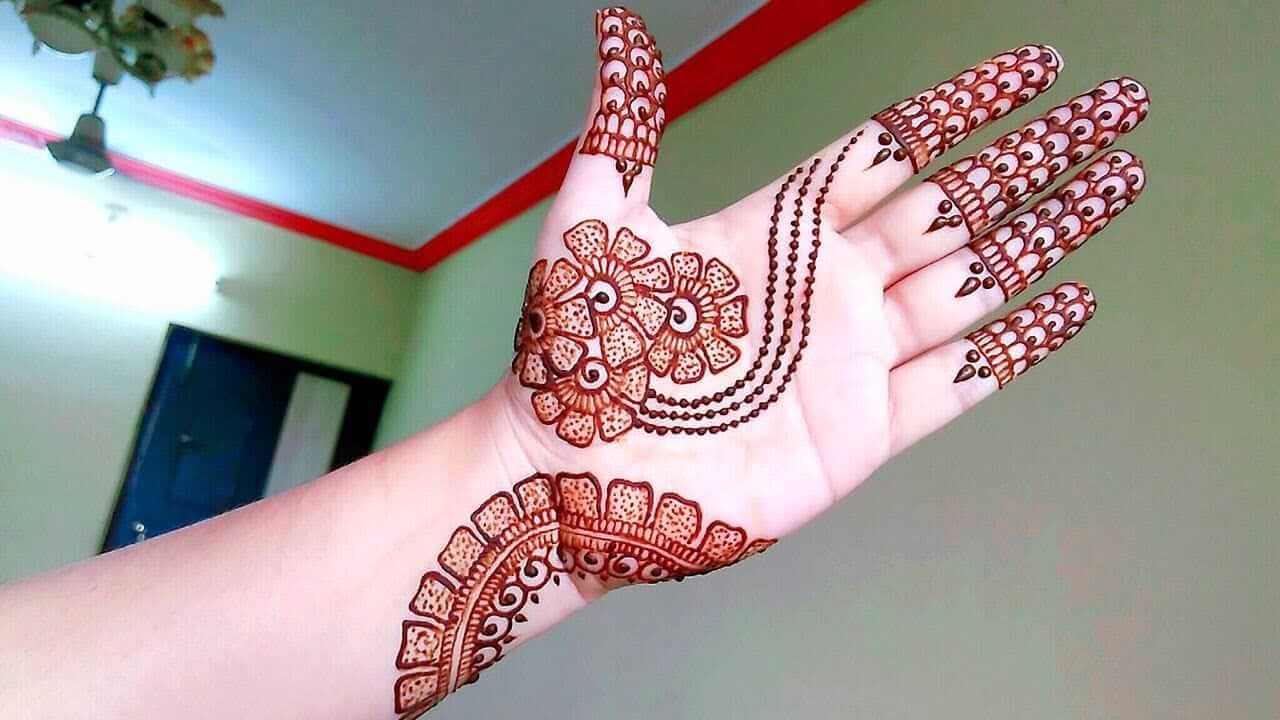
Beautiful flower patterns remain the heart and soul of Arabic mehndi art across generations. Large blooms positioned strategically across the palm create focal points, while vines connect them gracefully.
These designs work perfectly for both casual occasions and grand celebrations, adapting easily to your preference. The timeless appeal of floral Arabic patterns ensures they never go out of style.
2. Arabic Peacock Mehndi Pattern
The majestic peacock symbolizes grace, beauty, and royalty in traditional art and modern mehndi designs. Arabic peacock patterns use bold outlines to capture the bird’s elegant form without overwhelming detail.
Flowing peacock feathers extend gracefully across the hand, creating movement and visual interest throughout the design. This pattern works beautifully for bridal mehndi and special celebrations.
3. Geometric Arabic Design
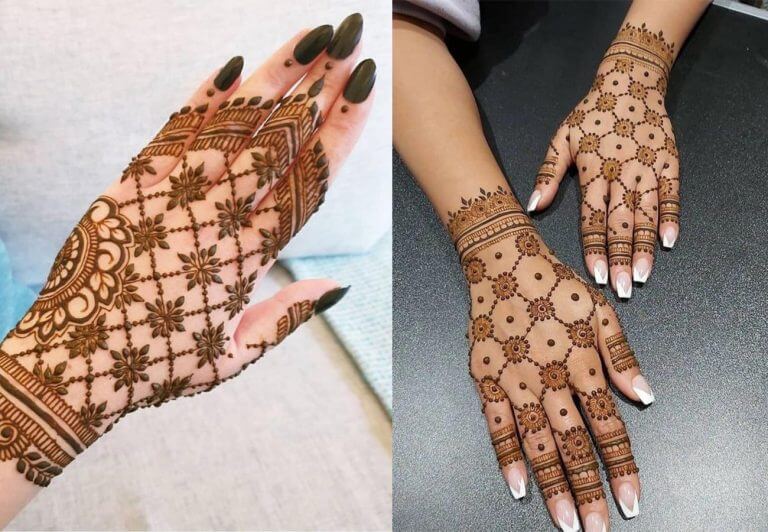
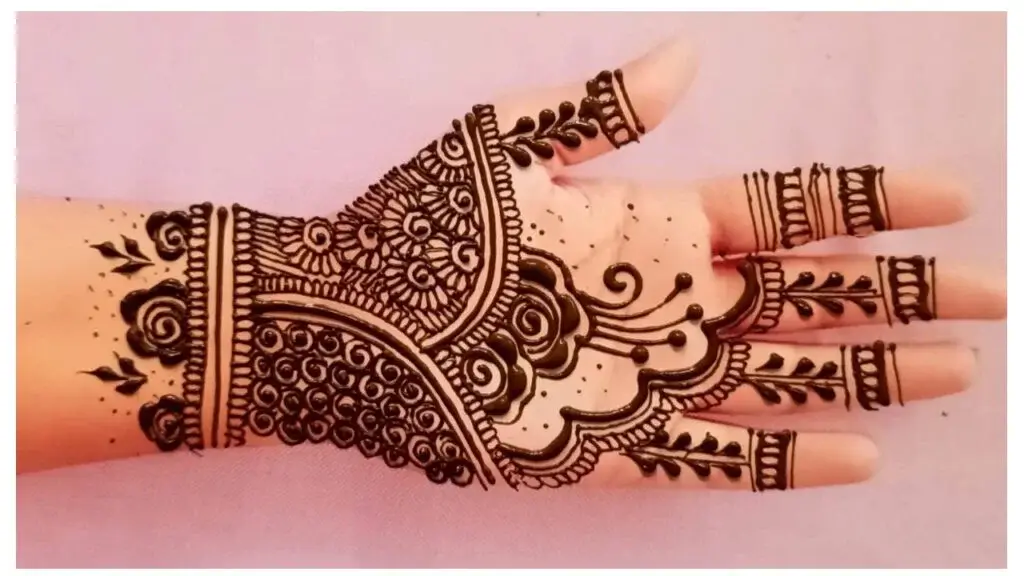
Modern geometric patterns bring a contemporary edge to traditional Arabic mehndi with clean lines and precise angles. Circles, triangles, and diamond shapes create structured beauty that appeals to minimalist lovers.
These designs look especially stunning when combined with small floral accents that soften the geometric precision. Perfect for fashion-forward individuals who appreciate modern aesthetics.
4. Arabic Vine and Leaf Mehndi
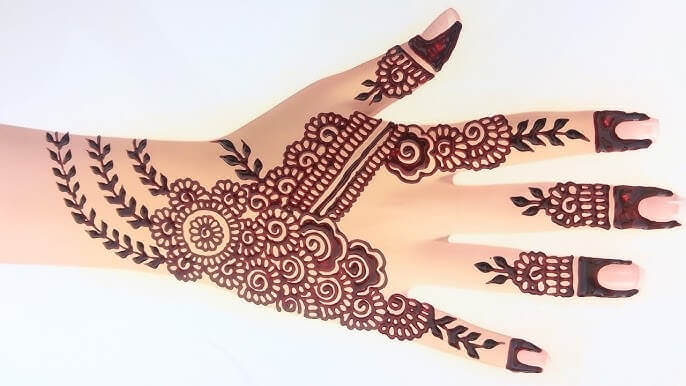
Nature-inspired vines create the foundation for countless Arabic mehndi variations with their organic flow. Leafy trails wind across your hands, creating pathways that guide the eye through the design.
This style works wonderfully alone or as connecting elements between larger motifs in complex patterns. The natural elegance of vines makes them universally flattering on all hand shapes.
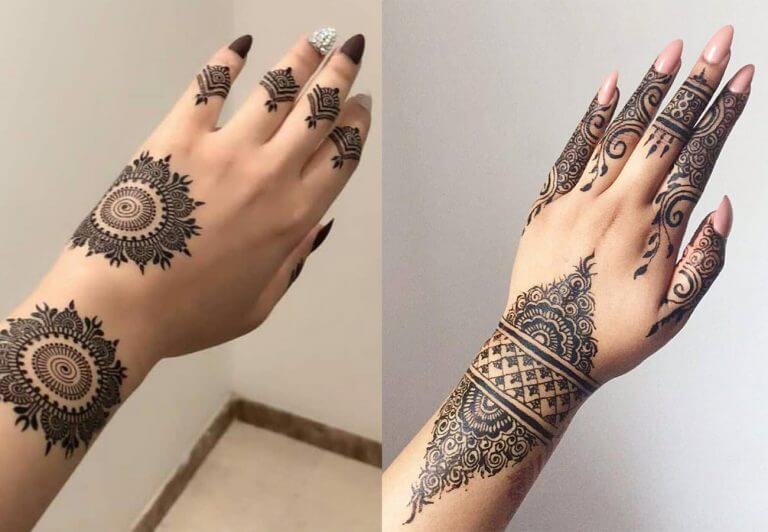
5. Arabic Bracelet Cuff Design
Wrist band patterns mimic beautiful jewelry, creating the illusion of wearing elaborate bracelets made of henna. These cuff designs can be simple or detailed based on your preference and time available.
Extending the bracelet design with finger trails creates a cohesive flow from wrist to fingertips beautifully. This style saves time while delivering maximum visual impact for busy celebrations.
6. Arabic Mandala Palm Design
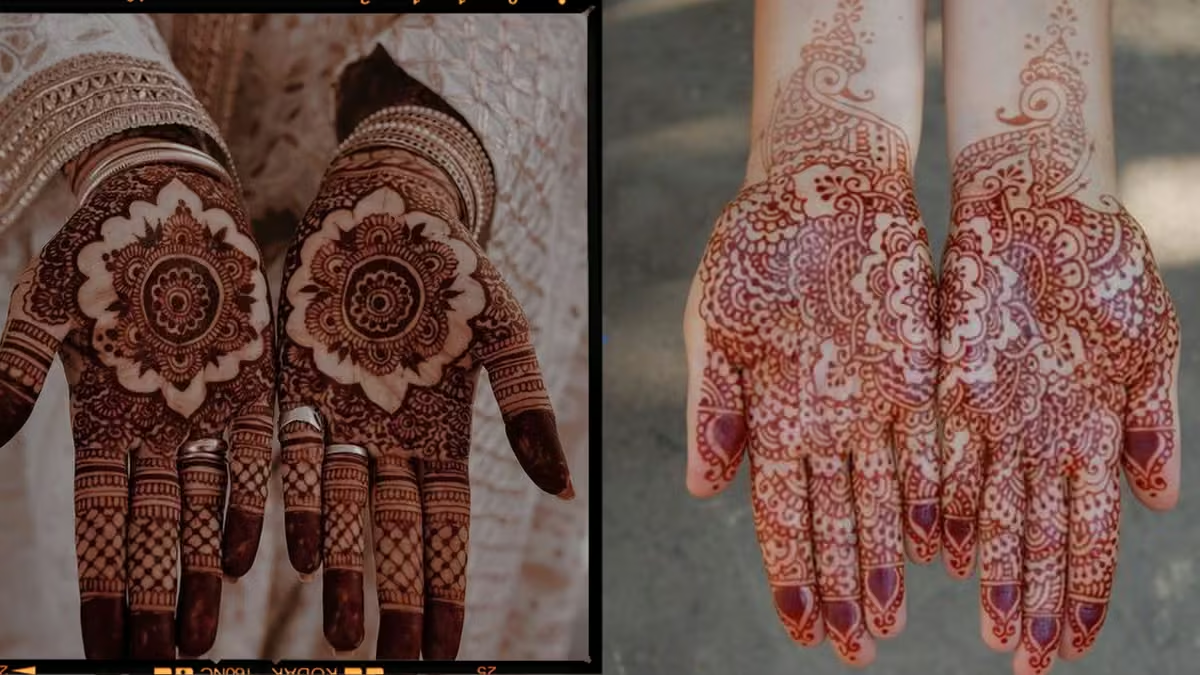
Circular mandala patterns positioned at the palm center create mesmerizing focal points that draw attention. The symmetrical beauty of mandalas combined with Arabic boldness produces stunning results.
Surrounding the mandala with flowing Arabic elements creates a perfect balance between structure and freedom. These designs photograph beautifully and work for all occasions.
7. Paisley Arabic Mehndi
Traditional paisley motifs get an Arabic makeover with bolder outlines and strategic negative space usage. These teardrop shapes, arranged artfully, create classic beauty with modern simplicity.
Paisley patterns work as standalone elements or combine beautifully with flowers and vines for variety. Their timeless appeal makes them a safe choice for traditional celebrations.
8. Arabic Finger Ring Design
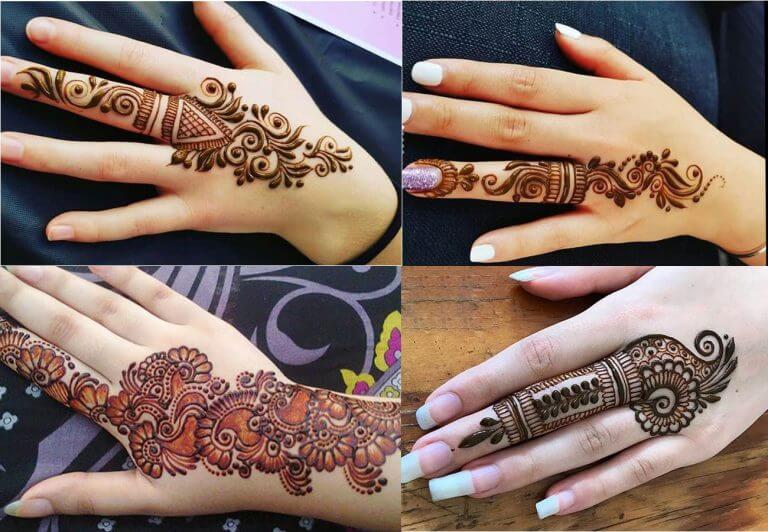
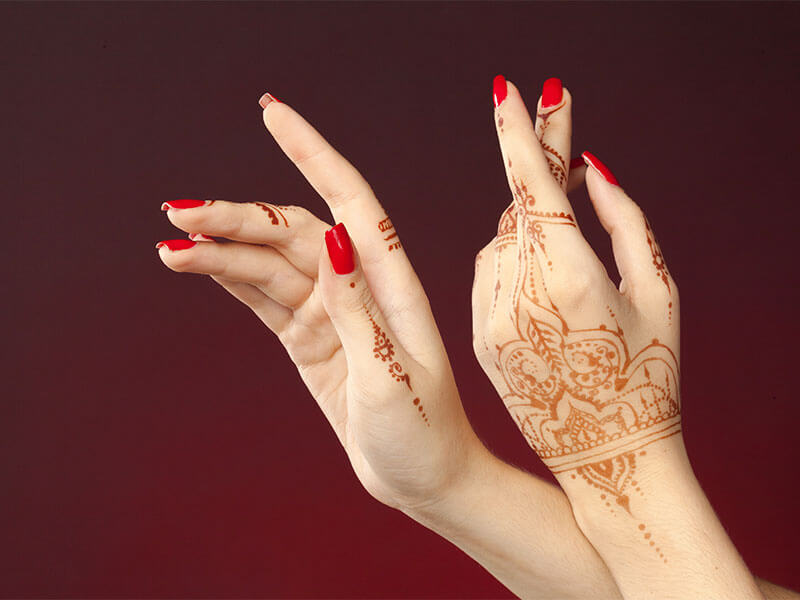
Delicate ring patterns on fingers create the appearance of beautiful jewelry without wearing actual accessories. These designs range from simple bands to elaborate floral rings with stunning detail.
Combining finger rings with minimal palm patterns creates an elegant, understated look for professionals. Perfect for those who want beauty without full hand coverage.
9. Arabic Jaal (Net) Pattern
Intricate net-like patterns create texture and visual depth while maintaining the Arabic style’s characteristic openness. The jaal work adds sophistication without the heaviness of complete filling.
This technique works beautifully as background texture behind bold floral motifs for added dimension. Modern brides love jaal patterns for their delicate yet impactful appearance.
10. Arabic Lotus Mehndi
The sacred lotus flower represents purity, enlightenment, and new beginnings in cultural symbolism and art. Arabic lotus designs use bold petals and clean lines to create recognizable beauty.
Positioning lotus flowers strategically creates powerful visual statements that dominate the design composition. These patterns work wonderfully for weddings and spiritual celebrations.
11. Arabic Heart and Love Symbol Design
Romantic heart patterns have become trending choices for engagement parties, anniversaries, and love celebrations. Simple heart shapes combined with flowing vines create sweet, personalized designs.
Modern couples love incorporating initials or dates within heart patterns for meaningful customization. These playful designs bring personality and story to your mehndi art.
12. Arabic Bel Design (Trailing Vine)
Continuous vine trails create flowing movement that wraps gracefully around fingers, palms, and wrists elegantly. The belt connects different design elements into one cohesive artistic statement.
This classic Arabic element provides structure while maintaining the style’s characteristic free-flowing nature beautifully. Bel designs work alone or as frameworks for more elaborate patterns.
13. Arabic Diagonal Layout Design
Modern diagonal arrangements create dynamic visual interest by breaking traditional parallel placement patterns. Starting from one finger and flowing diagonally across creates contemporary energy.
This layout maximizes negative space usage while creating bold visual impact with minimal coverage. Perfect for modern brides who appreciate artistic innovation.
14. Arabic 3D Mehndi Design
Advanced shading techniques create three-dimensional effects that make flowers and leaves appear raised and lifelike. These designs require more skill but deliver dramatic results that wow everyone.
The depth created through layered shading adds luxury and sophistication to traditional Arabic patterns. Instagram-worthy designs that photograph incredibly well in all lighting.
15. Arabic Minimalist Simple Design
Clean, sparse patterns appeal to modern sensibilities with just a few bold elements strategically placed. Less is genuinely more when each stroke carries meaning and creates visual impact.
These quick-to-apply designs work perfectly for working women and busy lifestyles without sacrificing beauty. Ideal for those who appreciate understated elegance.
Arabic Mehndi Design for Different Occasions
Wedding and Bridal Arabic Mehndi
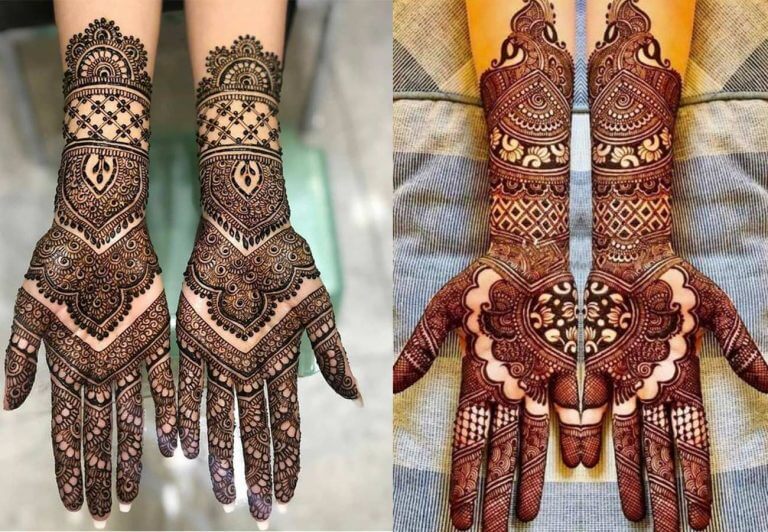
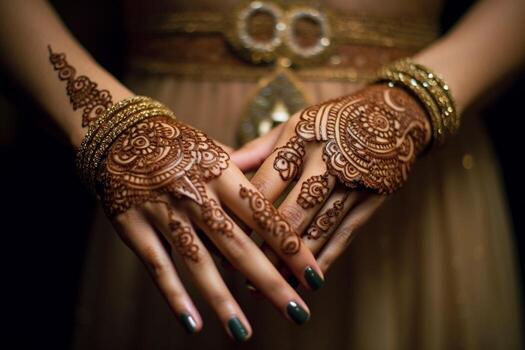
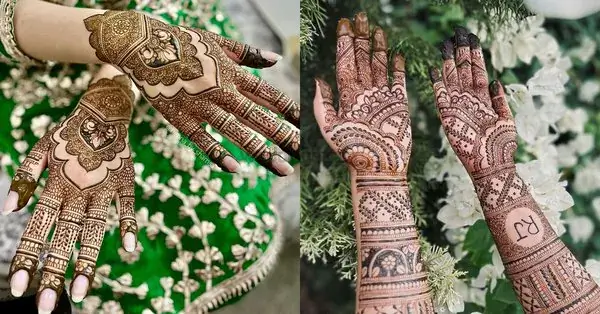
Bridal Arabic mehndi strikes the perfect balance between elegance and modernity for contemporary brides. Full hand coverage with bold patterns creates bridal grandeur without overwhelming traditional heaviness.
Modern brides appreciate Arabic designs because they dry faster and cause less discomfort than intricate alternatives. The clean aesthetic photographs beautifully and complements modern bridal fashion perfectly.
Festival Arabic Mehndi Patterns
Religious festivals like Eid, Diwali, and Karva Chauth call for beautiful mehndi that celebrates tradition. Arabic patterns work wonderfully because they’re quick to apply yet deliver stunning festival-appropriate results.
Festival designs can incorporate relevant symbols like stars, moons, or diyas within Arabic frameworks. These celebrations become more special when your hands carry beautiful traditional art.
Party and Casual Arabic Designs
Social gatherings and casual parties deserve beautiful hands without requiring hours of application time. Simple Arabic patterns with just a few bold elements create party-ready glamour quickly.
These designs let you participate in mehndi traditions without the commitment of full coverage. Perfect for last-minute invitations and spontaneous celebrations.
Engagement and Pre-Wedding Mehndi
Engagement ceremonies and sangeet nights need mehndi that’s celebratory but less elaborate than bridal designs. Arabic patterns offer the perfect middle ground with elegance and reasonable application time.
Personalized elements like a couple of initials or meaningful symbols make engagement mehndi extra special and memorable. These designs create beautiful photos without overshadowing the bride’s upcoming elaborate mehndi.
Arabic Mehndi Design: Front Hand vs Back Hand
Best Arabic Designs for Front Hands
Front hand designs showcase intricate details since palms remain visible during conversations and photography moments. Arabic front hand patterns typically feature central focal points with flowing elements radiating outward.
The natural curves of fingers guide design flow, with patterns following finger length for flattering results. Front hands offer the largest canvas for impressive Arabic mehndi masterpieces.
Stunning Back Hand Arabic Patterns
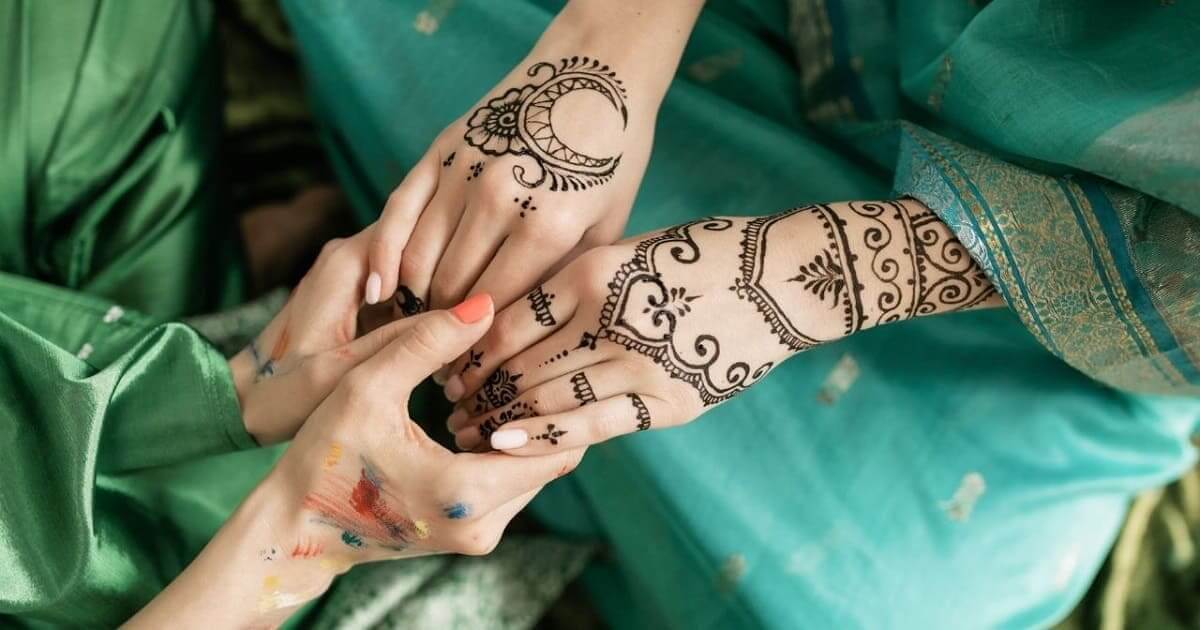
Back hand designs create dramatic impact when hands rest naturally or wave in photographs. The flat surface of the back hand works perfectly for bold geometric patterns and structured layouts.
Flowing vines across the back hand create elegant movement that complements hand gestures beautifully. These designs photograph wonderfully in candid shots and posed pictures alike.
How to Apply Arabic Mehndi Design at Home
Preparing Your Hands for Mehndi
Exfoliate hands gently 24 hours before application to remove dead skin cells for better color absorption. Clean hands thoroughly with soap, avoiding any lotions, oils, or creams before applying mehndi.
Dry hands completely before starting because moisture prevents proper henna paste adhesion and color development. Proper preparation makes the difference between okay results and stunning, dark stains.
Choosing Quality Henna for Arabic Designs
Fresh, natural henna produces the darkest, richest color without harmful chemicals or artificial additives. Check expiration dates and ensure smooth, lump-free consistency for easy application.
Pre-made cones offer convenience for beginners, while fresh paste provides ultimate control for experienced artists. Quality henna matters more than technique for achieving beautiful, long-lasting results.
Step-by-Step Application Guide
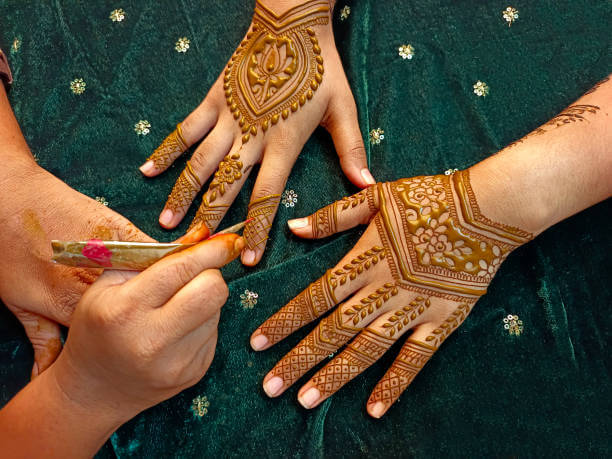
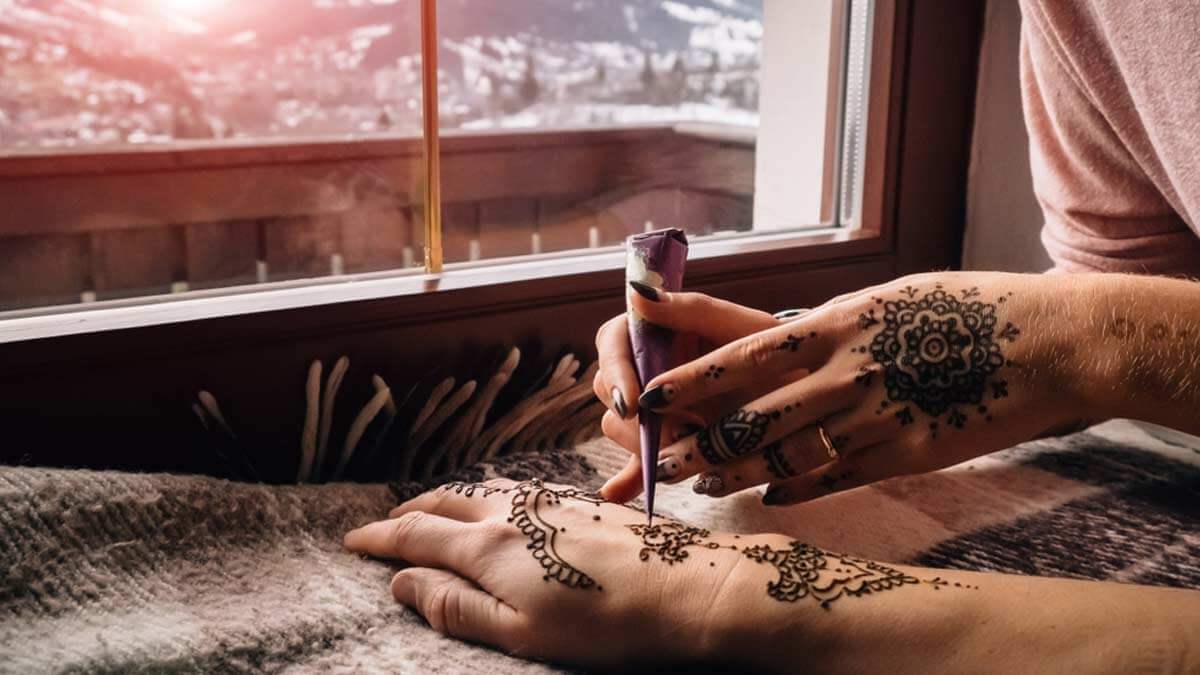
Hold the henna cone at a 45-degree angle like a pen for precise control over line thickness. Apply gentle, consistent pressure to create smooth, even strokes without breaks or wobbles.
Start with the largest elements first, then add connecting vines and smaller details around them. This approach ensures proper spacing and prevents overcrowding that ruins Arabic design aesthetics.
Getting Darker Arabic Mehndi Color
Keep dried mehndi paste on hands for a minimum of 6-8 hours for deep, rich color development. Many people apply mehndi at night and remove it the next morning for the darkest results.
Apply the lemon-sugar mixture on dried mehndi to seal it and enhance color intensity significantly. Avoid water contact for 24 hours after paste removal to allow complete oxidation.
Latest Arabic Mehndi Design Trends for 2026
Negative Space Arabic Designs
Strategic use of space creates modern, airy aesthetics that Instagram influencers absolutely love. Bold outlines surround large empty areas, making the design pop against the natural skin tone.
This trending style reduces application time while creating high-fashion looks that photograph incredibly well. Perfect for modern brides seeking contemporary takes on traditional art.
Fusion Arabic-Indian Designs
Combining Arabic boldness with Indian intricacy creates unique hybrid patterns that offer best of both worlds. Paisley details fill Arabic flowers, or geometric shapes frame traditional motifs beautifully.
These fusion designs let you honor multiple cultural traditions in one stunning mehndi masterpiece. Creative freedom makes fusion styles perfect for multicultural weddings and celebrations.
White Henna Arabic Patterns
White henna (actually body paint) creates a stunning contrast against darker skin tones for a dramatic effect. These temporary designs work wonderfully for beach weddings, parties, and photo shoots.
While not traditional henna, white designs follow Arabic patterns for modern, eye-catching results. They wash off easily, making them perfect for temporary special occasion decoration.
Glitter and Colored Arabic Mehndi
Adding colored henna, glitter, or gemstones to traditional Arabic patterns creates festival-ready glamour instantly. These embellishments catch light beautifully in photographs and evening celebrations.
Colored variations in maroon, black, or burgundy offer alternatives to traditional brown tones. Modern artists love experimenting with color while maintaining classic Arabic design principles.
Minimalist Single-Element Designs
Ultra-minimalist patterns feature just one or two bold elements for maximum impact with minimum coverage. A single large flower or one flowing vine creates sophisticated simplicity.
This trend appeals to professionals and modern women who want mehndi without full hand commitment. Quick application and subtle beauty make minimalist Arabic designs extremely practical.
Common Mistakes to Avoid in Arabic Mehndi
Overcrowding the Design Space
Filling every inch of skin defeats Arabic mehndi’s signature negative space aesthetic completely. Leaving strategic empty areas creates the breathing room that makes Arabic designs beautiful.
Less is genuinely more in Arabic style—resist the urge to add unnecessary elements everywhere. Trust the design’s boldness to carry visual impact without cramming extra patterns.
Using Poor Quality Henna
Chemical-laden henna produces orange color, causes allergic reactions, and fades within days disappointingly. Natural, fresh henna costs slightly more but delivers exponentially better results.
Always perform patch tests 24 hours before full application to ensure safety and quality. Your skin’s health matters more than saving a few dollars on cheap henna.
Removing Mehndi Too Early
Scraping off henna paste after just 2-3 hours results in light, faded color that disappoints. Patience during the drying process rewards you with rich, dark stains that last weeks.
The longer henna stays on skin, the deeper the color penetrates for better results. Plan application timing to allow proper drying without disrupting your schedule.
Washing Hands Too Soon After Removal
Water exposure immediately after paste removal prevents color from fully developing during oxidation process. The stain continues darkening for 24-48 hours after removal if kept dry.
Avoid soap, dishwashing, and chlorinated water during this crucial development period for darkest results. Protect your investment by giving mehndi time to reach its full potential.
Tips for Making Arabic Mehndi Last Longer
Pre-Application Preparation
Apply eucalyptus oil on hands before mehndi application for better color absorption and darker results. The oil opens pores slightly, allowing henna to penetrate deeper into skin layers.
Avoid chemical treatments like waxing or bleaching near application areas for 48 hours beforehand. These treatments can interfere with how well henna binds to your skin.
Post-Removal Care Routine
Apply natural oils like coconut, mustard, or olive oil daily to protect and preserve color. These oils create a protective barrier against water and chemicals that fade mehndi.
Wear gloves while washing dishes, cleaning, or swimming to minimize water exposure significantly. Small preventive steps make big differences in how long your mehndi stays beautiful.
Natural Color Enhancement Methods
Gentle heat exposure through steam or warm towels helps deepen mehndi color after paste removal. Traditional methods like clove smoke also enhance color through warmth and oxidation.
Lemon-sugar solution applied to dried mehndi acts as natural sealant that locks in color. This simple mixture significantly improves stain darkness and longevity.
Arabic Mehndi Design for Different Age Groups
Designs for Young Girls and Teenagers
Kids and teens love playful Arabic patterns featuring hearts, butterflies, stars, and cute symbols. Simple designs that apply quickly work best since young ones may not sit still long.
Age-appropriate patterns celebrate youthful energy while introducing traditional art forms to new generations. These designs build appreciation for cultural heritage early.
Patterns for College Students and Young Adults
College-age women prefer trendy, Instagram-worthy Arabic designs that photograph well and look stylish. Minimalist patterns with modern touches appeal to this fashion-conscious demographic perfectly.
Quick application fits busy student schedules filled with classes, activities, and social commitments. Simple doesn’t mean boring when you choose the right contemporary Arabic patterns.
Designs for Professional Working Women
Corporate professionals need elegant Arabic patterns that maintain workplace professionalism while celebrating personal style. Subtle finger designs or small wrist patterns work perfectly for office environments.
Weekend applications that fade by Monday accommodate strict professional appearance policies gracefully. Choose designs matching your lifestyle needs and workplace culture.
Traditional Patterns for Mature Women
Older women often appreciate classic Arabic patterns that honor cultural heritage and timeless beauty. Bold floral motifs and traditional vines never go out of style across generations.
These designs can be simplified for easier application while maintaining their traditional essence beautifully. Respect tradition while embracing the convenience of simpler Arabic patterns.
Conclusion
Arabic mehndi design represents the perfect marriage of tradition, artistry, and modern aesthetics for contemporary celebrations. These stunning patterns prove that beauty doesn’t require hours of application or overwhelming complexity.
Whether you’re a bride planning your dream wedding, someone celebrating religious festivals, or simply appreciating beautiful body art, Arabic mehndi offers endless possibilities. The versatility of these designs means there’s a perfect pattern for every occasion, personality, and skill level.
The bold strokes, flowing vines, and strategic negative space create timeless elegance that never goes out of style. From minimalist modern patterns to elaborate bridal masterpieces, Arabic mehndi adapts beautifully to your needs.
Start your Arabic mehndi journey today with simple patterns, practice regularly, and soon you’ll create gorgeous designs that make your hands absolutely stunning. Remember that the best mehndi is one that makes you feel confident, beautiful, and connected to rich cultural traditions.
Embrace the flowing beauty of Arabic mehndi design and let your hands tell their own magnificent story through this timeless art form that bridges past and present beautifully.
FAQs
1. What makes Arabic mehndi different from Indian mehndi?
Arabic mehndi uses bold strokes, larger motifs, and generous negative space, while Indian mehndi features intricate details and full coverage. Arabic designs dry faster and apply more quickly than traditional Indian patterns.
2. How long does Arabic mehndi take to apply?
Simple Arabic designs take 30-60 minutes, medium-complexity patterns take 1-2 hours, and elaborate bridal designs require 2-3 hours. Arabic mehndi is significantly faster than detailed Indian alternatives.
3. Can beginners create Arabic mehndi designs?
Absolutely! Arabic mehndi’s bold, flowing patterns are perfect for beginners with basic drawing skills. The forgiving nature of large strokes makes mistakes less noticeable than intricate designs.
4. Which hand should I apply Arabic mehndi on first?
Start with your non-dominant hand since it’s easier to apply mehndi with your dominant hand. For right-handed people, apply to the left hand first; for left-handed people, apply to the right hand first.
5. How dark will my Arabic mehndi get?
Natural henna stains range from orange to deep burgundy-brown, depending on skin type and care. Keeping paste on longer, using quality henna, and proper aftercare produce the darkest results.