




Introduction
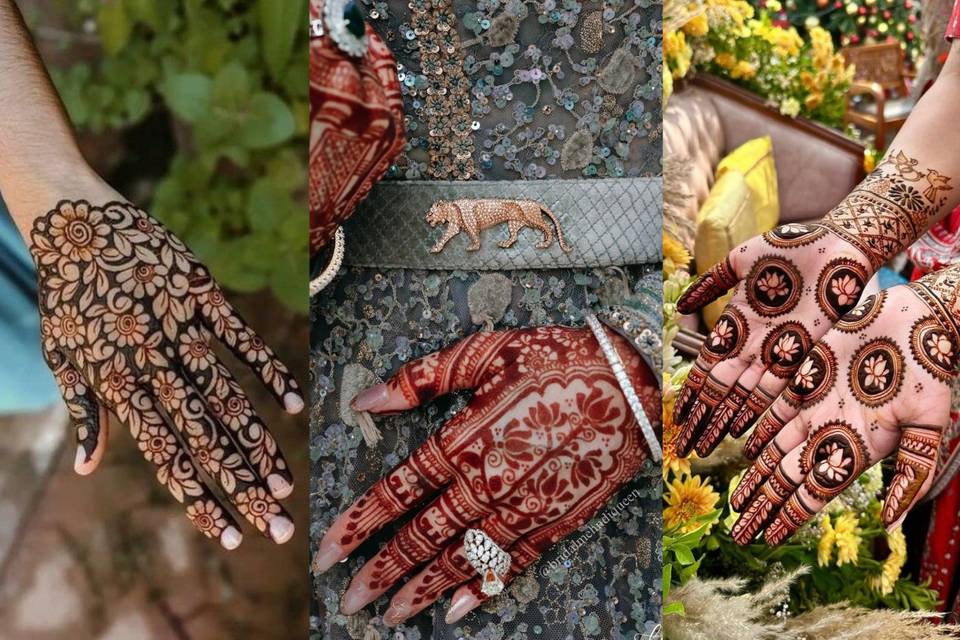
Bridal Mehndi is the most important and beautiful tradition that makes every bride’s hands look stunning on her wedding day. This ancient art form transforms simple hands into masterpieces covered with intricate patterns symbolizing love, prosperity, and new beginnings.
From traditional elaborate designs to modern minimalist patterns, bridal mehndi in 2026 offers endless possibilities for every bride’s unique style. Whether you dream of full hand coverage or prefer elegant simplicity, the perfect mehndi design awaits to make your special day even more memorable.
What Makes Bridal Mehndi Special?
Bridal mehndi holds deep cultural and emotional significance beyond just beautiful decoration on hands and feet. This sacred tradition represents the bride’s journey into married life, with darker mehndi color symbolizing deeper love and blessings.
The application process itself becomes a cherished pre-wedding ceremony filled with music, laughter, and bonding moments. Family and friends gather to celebrate, making mehndi application a joyful event that creates lasting memories forever.
Traditional beliefs say that the darker your bridal mehndi stains, the more your husband and in-laws will love you. While modern brides may not take this literally, everyone still hopes for rich, deep color on their wedding day.
Bridal mehndi also serves practical purposes – it naturally cools the body, reduces stress, and helps brides relax before their big day. The soothing process and beautiful results make it an irreplaceable part of wedding preparations worldwide.
Latest Bridal Mehndi Designs 2026
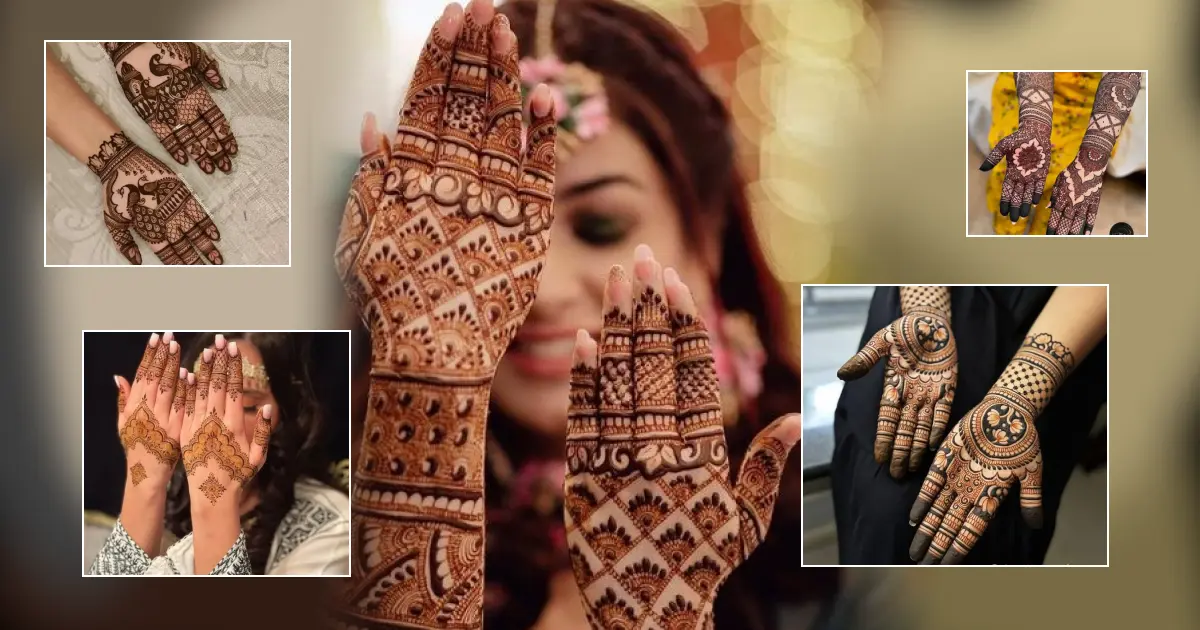
The bridal mehndi trends of 2026 beautifully blend traditional artistry with contemporary aesthetics and personal touches. Modern brides want designs that tell their unique love stories rather than just copying generic patterns everyone uses.
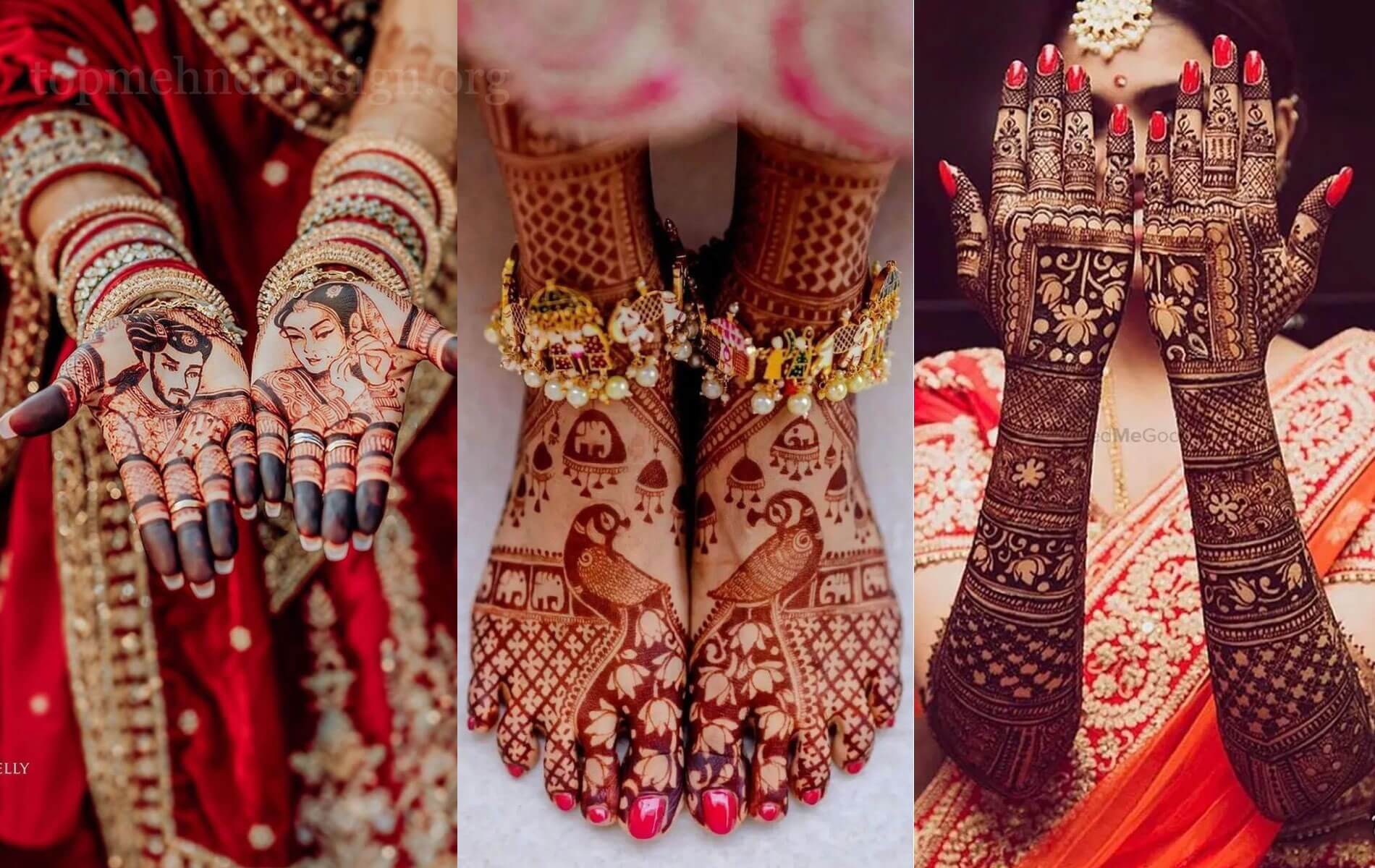
Personalization has become the biggest trend – brides include couple portraits, wedding dates, meaningful quotes, and romantic symbols. These custom elements transform standard designs into deeply personal artwork that captures the couple’s journey together.
Negative space designs are extremely popular, creating breathable modern aesthetics instead of heavy complete coverage everywhere. Strategic empty areas make patterns look sophisticated, contemporary, and perfect for Instagram-worthy wedding photography that brides cherish.
Geometric patterns mixed with traditional florals create stunning fusion styles appealing to modern sensibilities. Clean lines, mandalas, and contemporary motifs blend seamlessly with classic peacocks, paisleys, and lotus flowers beautifully.
Full Hand Bridal Mehndi Designs
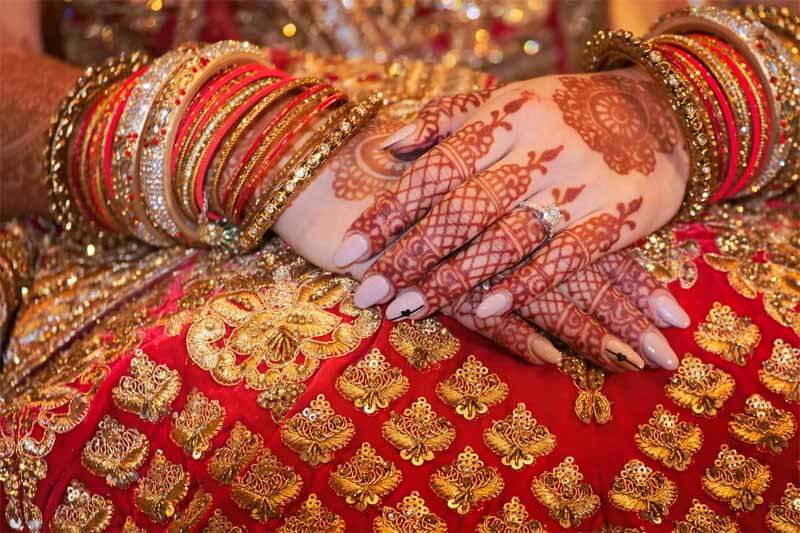
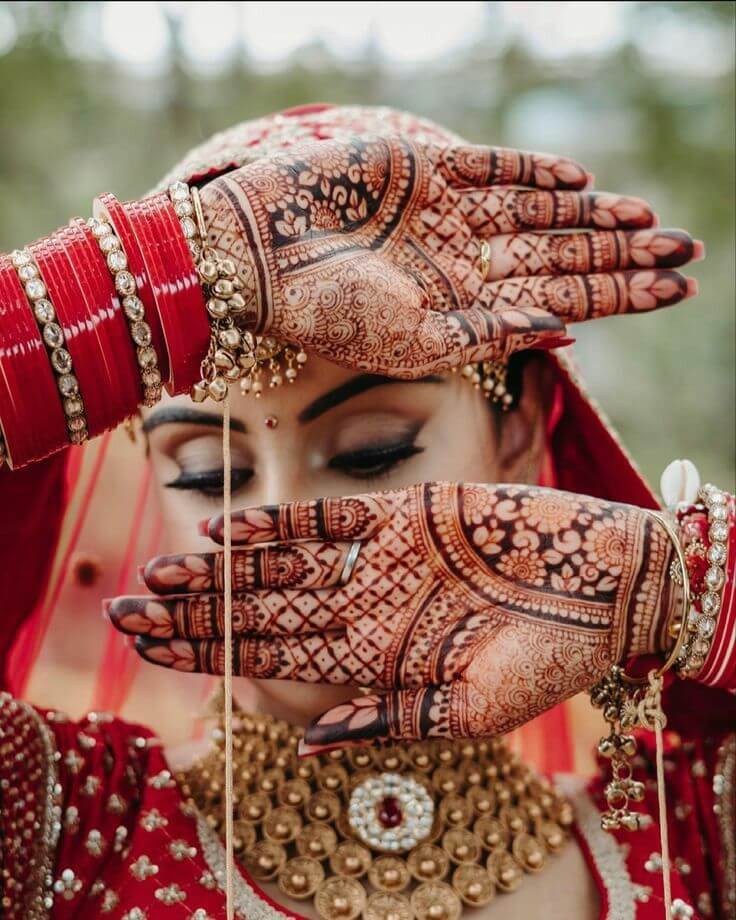
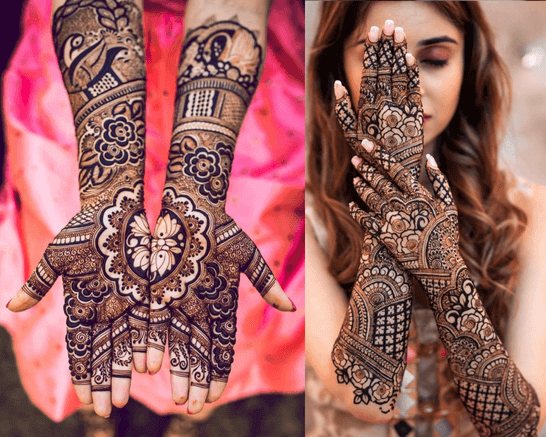
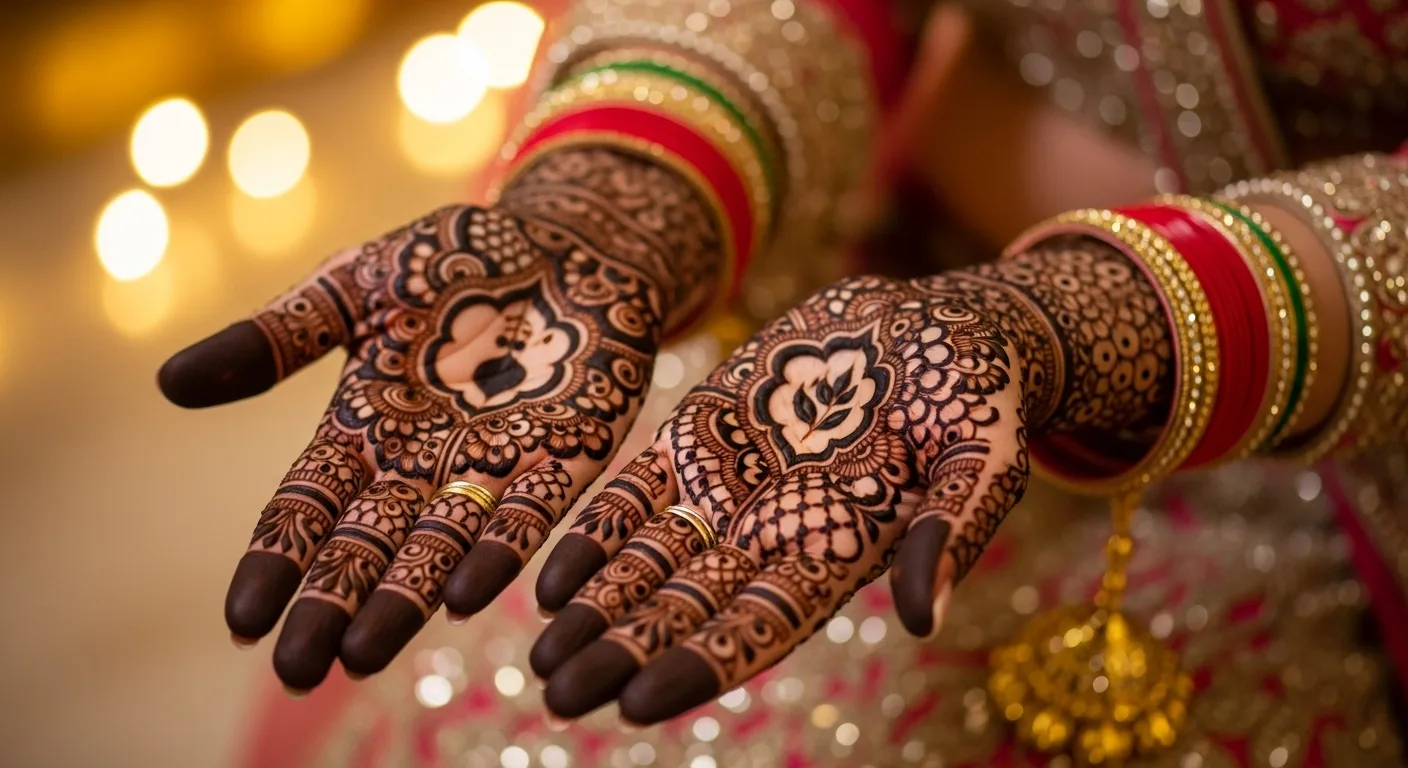
Full hand bridal mehndi remains the timeless classic choice for traditional brides who love elaborate henna artistry. These designs cover hands completely from fingertips to forearms, creating spectacular bridal looks that photograph gorgeously.
The intricate patterns include detailed palm work featuring mandalas, peacocks, bride-groom portraits, and meaningful symbols. Coordinating designs flow naturally from palms to wrists and arms, ensuring cohesive beautiful appearance from every angle.
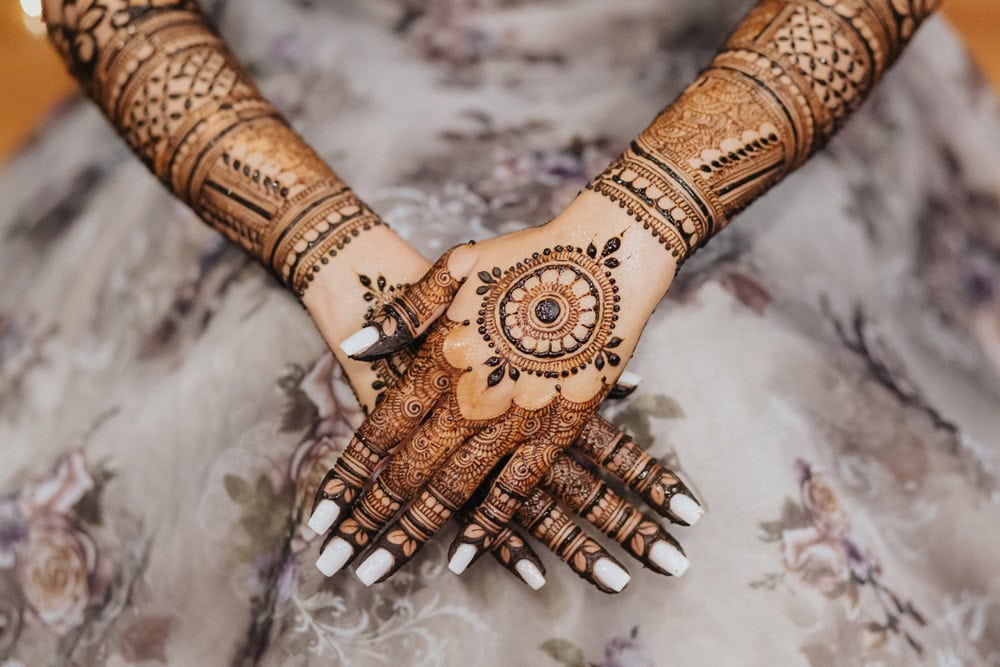
Modern full hand designs balance heavy coverage with lighter finger elements preventing overwhelming heaviness during long ceremonies. Palm and wrist areas feature intricate detailed work while fingers maintain elegant simplicity for comfort and ring visibility.
Full coverage mehndi requires 4-6 hours of patient sitting but delivers breathtaking results that last longer. This investment creates stunning bridal photographs and becomes a cherished part of your wedding memories forever.
Minimal Bridal Mehndi Designs 2026
Minimal bridal mehndi has emerged as the hottest trend among modern contemporary brides worldwide. These designs prove that true elegance doesn’t require heavy coverage or hours of complicated application time.
The minimal philosophy focuses on strategic thoughtful placement – perhaps delicate wrist bands, finger rings, or single stunning palm motifs. This approach enhances natural hand beauty while adding sophisticated artistic touches that complement jewelry beautifully.
Minimal designs work wonderfully for destination weddings, beach ceremonies, and modern celebration styles where simplicity matters. They’re perfect for showcasing expensive engagement rings, designer jewelry, and beautiful nail art without competing for attention.
Celebrity brides embracing minimal mehndi have made this style aspirational and incredibly fashionable globally. The clean Instagram-worthy aesthetic appeals to brides appreciating contemporary elegance and refined understated beauty over traditional heaviness.
Arabic Bridal Mehndi Designs
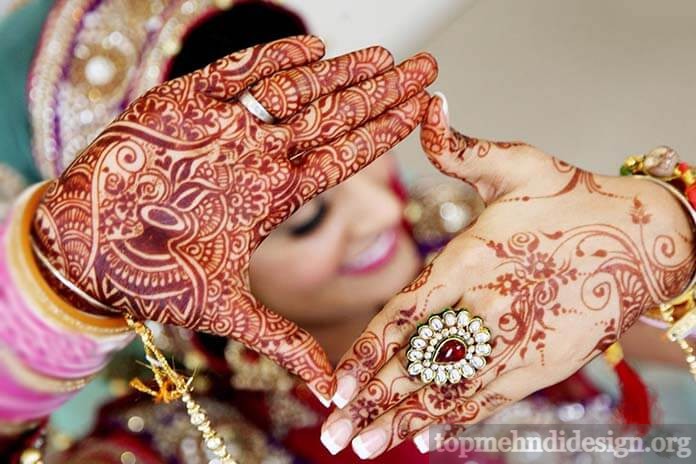
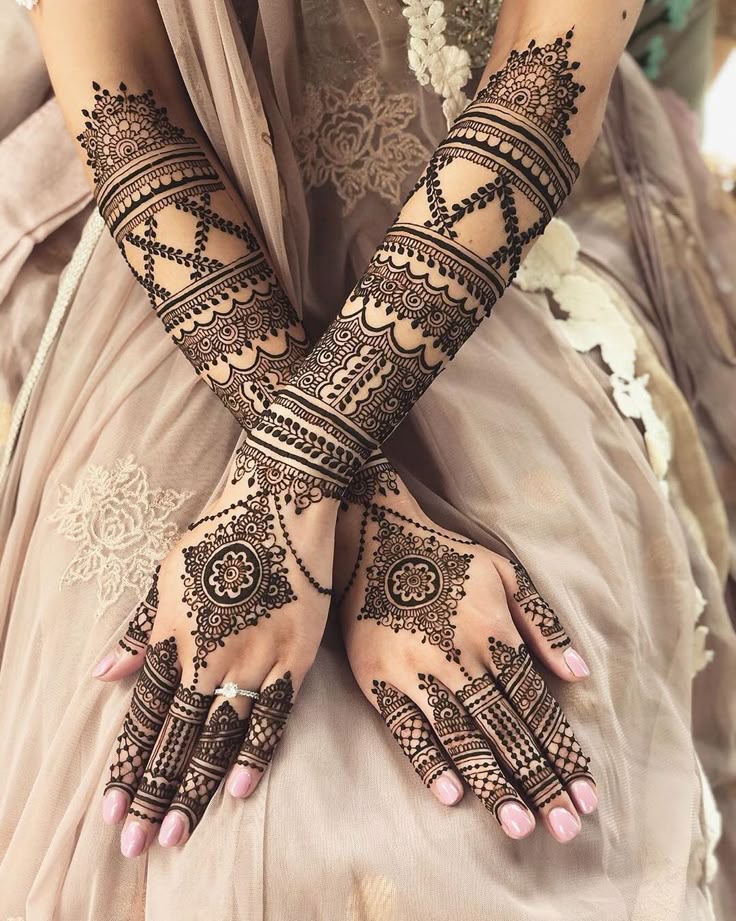
Arabic bridal mehndi continues ruling hearts with its distinctive bold strokes and flowing elegant patterns. These designs feature large floral motifs, leafy trails, and generous negative space creating breathtaking modern looks.
What makes Arabic mehndi special for brides is its artistic appeal combined with quicker application time. Less dense coverage means faster drying, making it ideal for busy wedding schedules with multiple events.
Arabic designs photograph exceptionally well, explaining their massive popularity on Instagram and wedding photography worldwide. The bold clean aesthetic works beautifully with both traditional bridal lehengas and contemporary fusion wedding outfits.
In 2026, Arabic bridal mehndi has evolved to include geometric elements, personalized initials, and meaningful romantic symbols. This evolution keeps the style fresh while maintaining classic sophisticated appeal that brides absolutely love.
Traditional Indian Bridal Mehndi Patterns
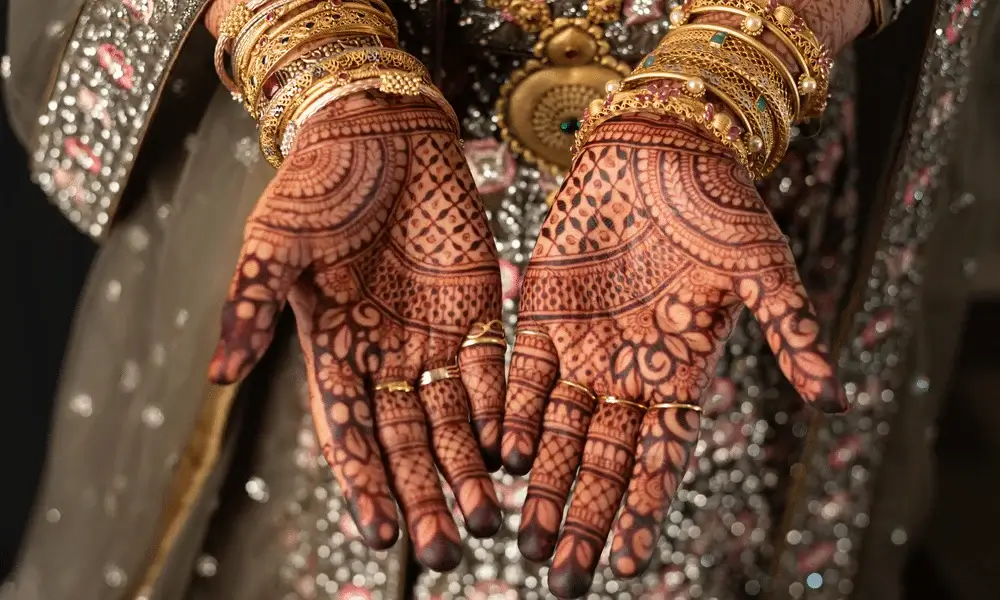
Traditional Indian bridal mehndi represents centuries of cultural heritage and artistic excellence passed through generations. These intricate patterns feature peacocks, paisleys, lotuses, mandalas, and symbolic motifs carrying deep spiritual significance.
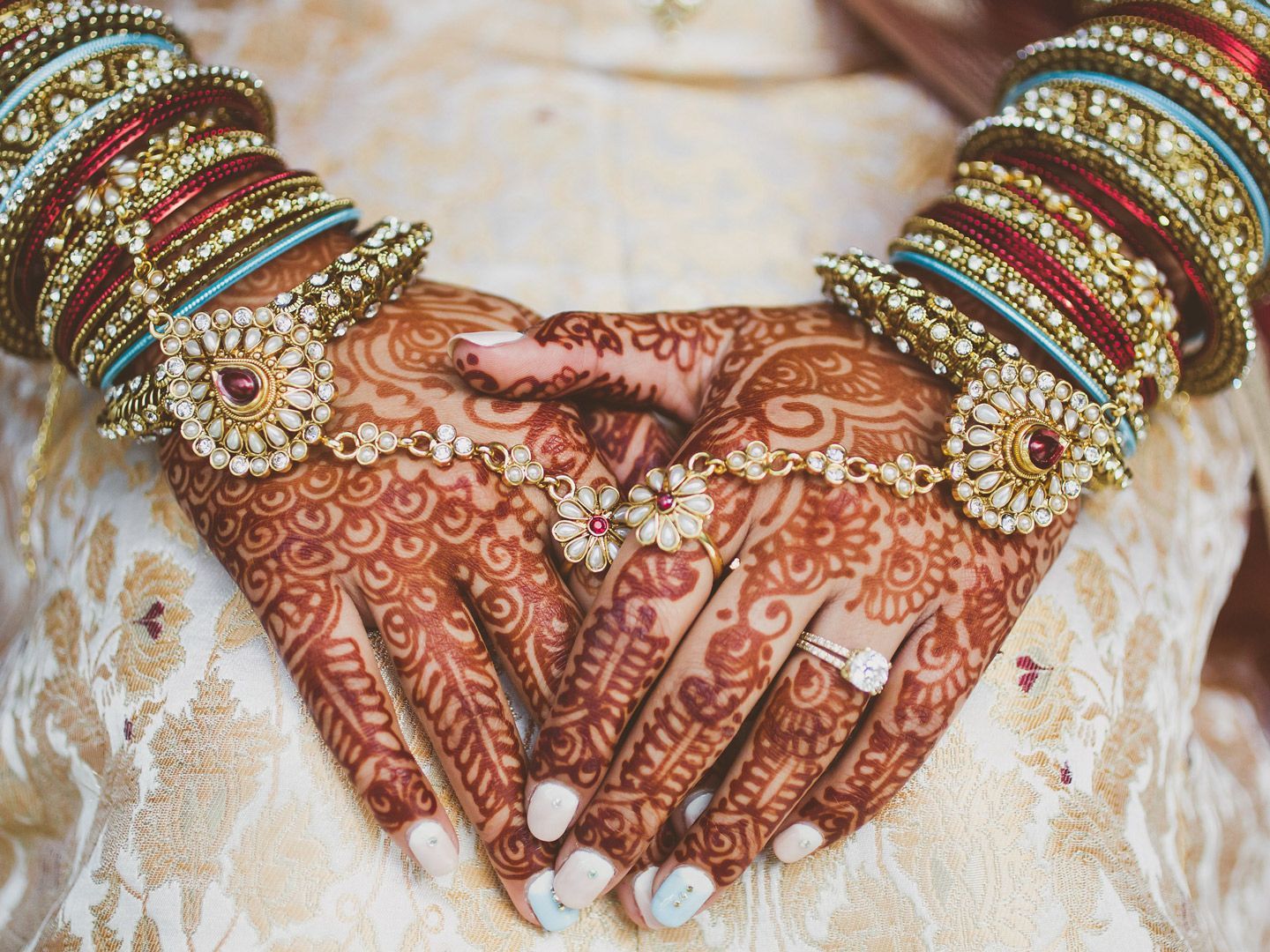
The elaborate designs cover hands, forearms, and feet completely with interconnected patterns flowing seamlessly. Every element holds meaning – peacocks symbolize beauty, lotuses represent purity, and paisleys signify fertility and prosperity.
Traditional patterns often include hidden groom’s name or initials that the groom must find later. This playful tradition adds interactive fun to serious wedding rituals, creating lighthearted moments during ceremonies.
Indian bridal mehndi takes longest to apply – often 6-8 hours for complete hands and feet coverage. However, the spectacular results create stunning wedding photographs that become family treasures for generations to come.
Bridal Feet Mehndi Designs
Bridal feet mehndi holds special importance in traditional weddings, completing the bride’s overall decorated appearance beautifully. These designs range from simple ankle bands to elaborate patterns covering feet completely up to knees.
Feet mehndi typically features lighter designs compared to hands because brides wear covered footwear most of the day. Comfort matters significantly here – designs shouldn’t feel tight or restricting during long wedding ceremonies and dancing.
Popular feet patterns include anklet-style designs, toe rings, floral trails running up from toes, and coordinating motifs. Many brides match their feet mehndi with hand designs, creating cohesive unified looks that photograph gorgeously.
The back of feet offers wonderful canvas for creative patterns that show beautifully when brides sit. Traditional mandala centers with radiating patterns create stunning visual impact in wedding photography and ceremony close-ups.
Simple Bridal Mehndi for Modern Brides
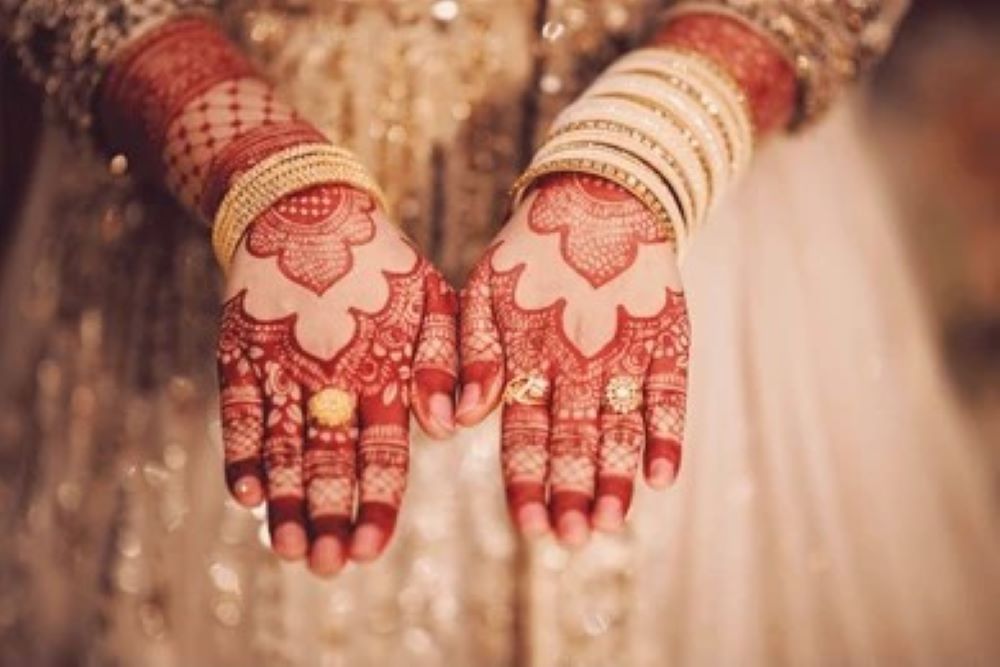
Simple bridal mehndi appeals to modern brides wanting elegant henna without overwhelming their overall wedding aesthetic. These designs focus on quality over quantity, featuring fewer but more impactful artistic elements strategically placed.
The beauty of simple bridal designs lies in their sophisticated restraint and contemporary appeal. Clean lines, single statement flowers, delicate vines, and minimal patterns create refined looks that enhance rather than dominate.
Simple mehndi dries much faster than heavy elaborate designs – usually 2-3 hours versus 6-8 hours. This convenience matters for busy brides managing multiple wedding events, rehearsals, and family gatherings simultaneously during wedding week.
These designs age gracefully as they fade, maintaining elegant appearance throughout the honeymoon period naturally. Many destination wedding brides prefer simple mehndi that looks beautiful in beach and outdoor photographs without feeling heavy.
Bridal Mehndi Color and Darkness Tips
Achieving deep dark bridal mehndi color requires following specific application and aftercare techniques professional artists recommend. Quality matters tremendously – always use fresh natural chemical-free henna from trusted reliable sources only.
Apply mehndi paste thick enough to ensure proper skin penetration but not so thick it cracks when drying. The perfect consistency creates smooth even application that produces uniform dark staining across all decorated areas.
Keep mehndi paste on for minimum 8-12 hours or preferably overnight for richest darkest color development. Longer contact time allows henna’s natural dye (lawsone) to fully penetrate skin layers creating deep lasting stains.
After removing dried paste, avoid water contact for 24 hours to let the stain fully oxidize and darken. Apply natural oils like coconut, olive, or mustard oil several times daily to maintain moisture and enhance color vibrancy.
Bridal Mehndi Application Timeline
Perfect bridal mehndi timing ensures optimal color on your wedding day while avoiding last-minute stress and rushes. Most experts recommend applying mehndi 1-2 days before the main wedding ceremony for darkest color results.
The mehndi night (typically held 1-2 days before wedding) has become an important pre-wedding celebration. This dedicated evening allows proper application time, family bonding, and ceremonial importance without rushing through the beautiful tradition.
Applying mehndi too early (3-4 days before) risks fading before the wedding day arrives. Applying it too late (same day) doesn’t allow sufficient time for color development and oxidation processes to complete.
Consider your complete wedding schedule when planning mehndi application – you’ll need free hands for other preparations. Schedule it after final dress fittings, makeup trials, and activities requiring manual dexterity and unrestricted hand movement.
Choosing Your Perfect Bridal Mehndi Design
Selecting the perfect bridal mehndi design depends on several personal factors including your style, wedding theme, and cultural preferences. Start browsing design galleries early to identify patterns that resonate with your aesthetic vision and personality.
Consider your bridal outfit’s style, color, and embellishment when choosing mehndi designs for perfect coordination. Heavy traditional lehengas pair beautifully with elaborate mehndi while modern minimalist dresses suit simpler contemporary henna patterns.
Think about your jewelry choices – minimal mehndi showcases elaborate jewelry better while heavy designs can compete with simple accessories. Balance is key to creating cohesive looks where every element enhances rather than overwhelms.
Consult experienced mehndi artists early, showing them saved design inspirations for professional advice and customization suggestions. Good artists help blend your favorite elements into unique personalized designs reflecting your individual style perfectly.
Bridal Mehndi Aftercare for Longevity
Proper aftercare ensures your beautiful bridal mehndi lasts throughout wedding festivities and honeymoon period. Avoid water exposure during first 24 hours after paste removal – this crucial period allows complete stain oxidation.
Moisturize decorated areas regularly using natural oils that protect the design without causing premature fading. Coconut oil, olive oil, and specialized mehndi aftercare oils work wonderfully for maintaining rich color and preventing cracking.
Avoid chlorinated swimming pools, harsh chemical soaps, and excessive scrubbing that accelerate fading significantly. Wear gloves while washing dishes or cleaning to protect your beautiful bridal mehndi art from damage.
Skip exfoliating treatments, steam rooms, and hot yoga during the period you want your mehndi to last. Heat and excessive moisture cause faster fading – stick to gentle skincare routines preserving your gorgeous designs.
Bridal Mehndi Cost and Budgeting
Bridal mehndi costs vary significantly based on design complexity, artist experience, and geographic location. Simple designs may start at $50-100 while elaborate full bridal packages can range $300-800 or more.
Experienced professional bridal mehndi artists charge premium rates but deliver superior results worth the investment. Their expertise ensures even application, artistic excellence, and proper guidance for achieving darkest possible color naturally.
Many bridal mehndi packages include bride’s hands, arms, and feet plus family members at discounted rates. Booking package deals often saves money compared to individual services while ensuring style consistency across all participants.
Budget appropriately by getting detailed quotes from multiple artists, reviewing their portfolios, and reading client reviews. Remember that your bridal mehndi appears in countless wedding photographs – quality matters more than saving minimal amounts.
Cultural Significance of Bridal Mehndi
Bridal mehndi carries profound cultural and spiritual significance across Indian, Pakistani, Middle Eastern, and North African wedding traditions. This ancient practice dates back thousands of years, symbolizing joy, beauty, spiritual awakening, and offering protection.
In Indian culture, mehndi represents the bond between bride and groom, with darker color indicating stronger love. The application ceremony brings families together, creating bonds between two households joining through marriage.
Many believe mehndi’s cooling properties calm nervous brides, preparing them emotionally and physically for their new life. The meditative application process provides quiet reflection time amid chaotic wedding preparations and celebrations.
Hidden groom’s name in mehndi patterns creates playful tradition where grooms search their bride’s decorated hands. This lighthearted ritual breaks ice between newlyweds, creating fun memorable moments during serious wedding ceremonies.
Conclusion
Bridal Mehndi transforms every bride into a living work of art on her most special day. Whether you choose traditional elaborate patterns or modern minimal designs, your mehndi tells your unique love story beautifully.
The perfect bridal mehndi reflects your personality, complements your wedding aesthetic, and creates lasting memories captured forever in photographs. Take time exploring options, consulting professional artists, and planning proper application timeline for stunning results.
Remember that bridal mehndi is more than decoration – it’s a sacred tradition connecting you to centuries of cultural heritage. Embrace this beautiful art form, enjoy the application ceremony, and cherish the stunning results that make you feel like royalty.
Frequently Asked Questions About Bridal Mehndi
Q: When should I apply bridal mehndi before my wedding?
A: Apply bridal mehndi 1-2 days before your wedding ceremony for darkest richest color. This timing ensures optimal stain development and perfect appearance on your special day.
Q: How long does bridal mehndi application take?
A: Simple bridal designs take 2-3 hours while elaborate full coverage requires 4-8 hours. Plan sufficient time including drying period for best results without rushing.
Q: How can I make my bridal mehndi darker?
A: Keep paste on 8-12 hours, avoid water for 24 hours after removal, apply lemon-sugar solution while drying, and moisturize with natural oils regularly.
Q: What’s the difference between Arabic and Indian bridal mehndi?
A: Arabic features bold flowing strokes with negative space while Indian includes intricate dense patterns with complete coverage and traditional symbolic motifs.
Q: How long does bridal mehndi last?
A: Bridal mehndi typically lasts 2-3 weeks with proper care. The color peaks at 24-48 hours after application then gradually fades naturally over time.
Q: Should I get mehndi on hands and feet both?
A: Traditional brides usually get both for complete bridal look. Modern brides can choose based on personal preference, outfit style, and comfort level.
Q: Can I shower after applying bridal mehndi?
A: Avoid water completely for 24 hours after removing dried paste. After that, take gentle showers avoiding harsh soaps and excessive scrubbing on decorated areas.
Q: How much does professional bridal mehndi cost?
A: Costs range from $50-100 for simple designs to $300-800+ for elaborate full bridal packages including hands, arms, and feet coverage.
Q: Is black mehndi safe for brides?
A: No! Black henna contains harmful chemical PPD causing severe allergic reactions and skin damage. Always use only natural brown henna for safety.
Q: Can I customize my bridal mehndi design?
A: Absolutely! Most professional artists welcome customization including couple portraits, initials, wedding dates, meaningful symbols, and personal elements that tell your unique story.