


Introduction
Bridal mehndi design transforms every bride into a work of art with intricate patterns that symbolize love, prosperity, and new beginnings. This sacred tradition has evolved beautifully, combining ancient customs with modern creativity to create stunning designs perfect for your special day.
Your wedding mehndi isn’t just henna—it’s your love story painted on your hands and feet. From elaborate traditional coverage to contemporary minimalist patterns, the right bridal mehndi design completes your wedding look and creates memories captured forever.
Why Bridal Mehndi Design Matters for Your Wedding
The mehndi ceremony ranks among the most joyous pre-wedding celebrations where family and friends gather to apply henna, dance, and celebrate. Traditionally held 1-2 days before the wedding, this ritual carries deep cultural significance across Indian, Pakistani, Middle Eastern, and North African communities.
According to beloved tradition, darker mehndi color represents deeper love between the couple and stronger bonds with in-laws. Beyond symbolism, bridal mehndi provides practical benefits—the natural henna paste cools your nervous system, reduces wedding stress, and helps you feel calm and centered.
The elaborate patterns also protect brides from negative energies during this important life transition. Full-coverage designs symbolize fertility, prosperity, and good fortune while marking the sacred journey from single life to married partnership.
Top Bridal Mehndi Design Styles Every Bride Should Know
Traditional Indian Bridal Mehndi Design
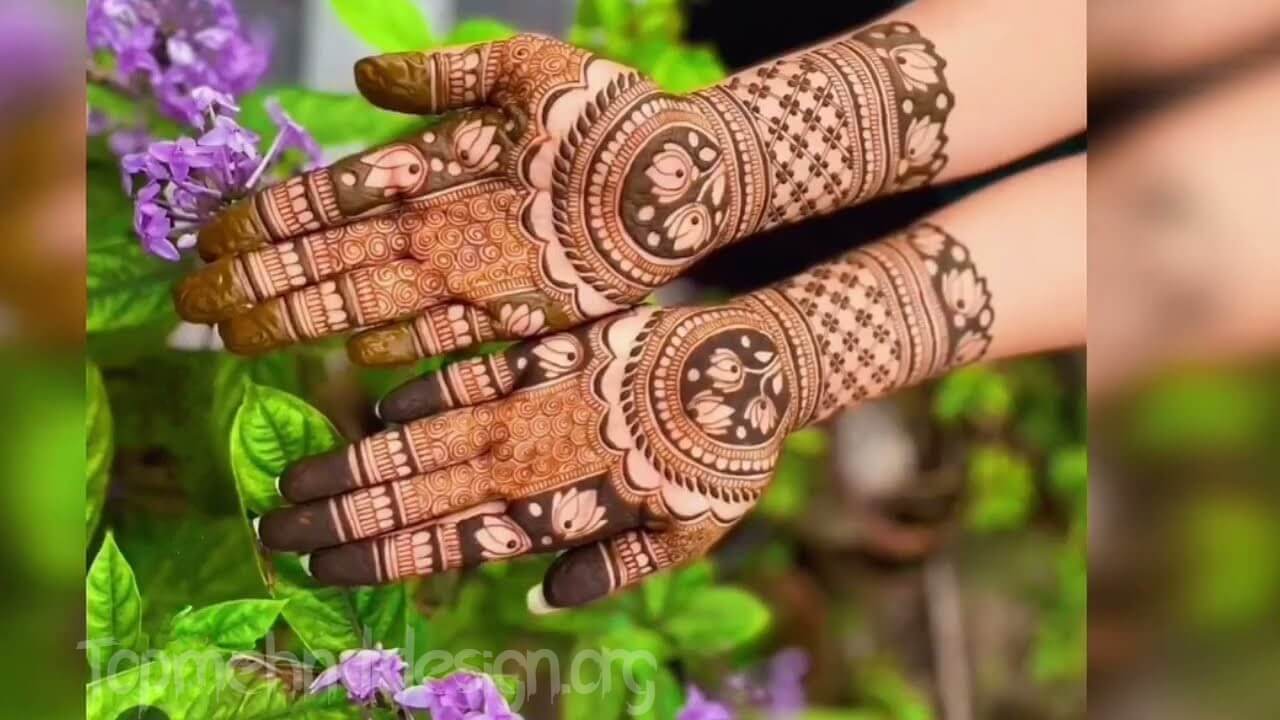
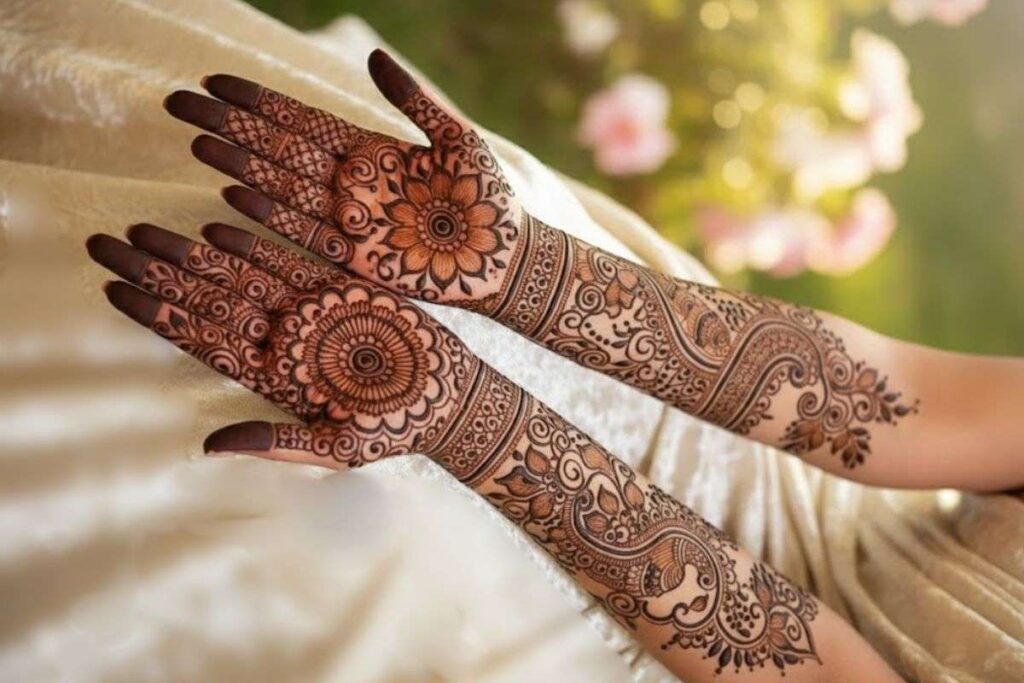
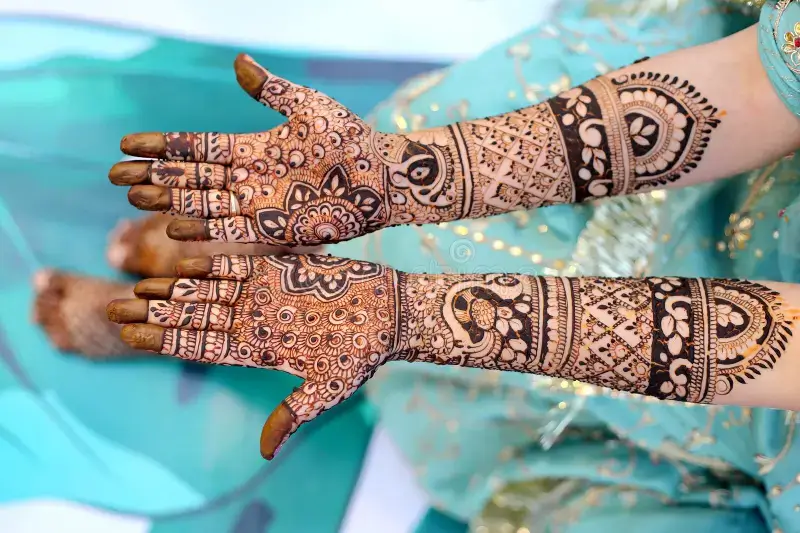
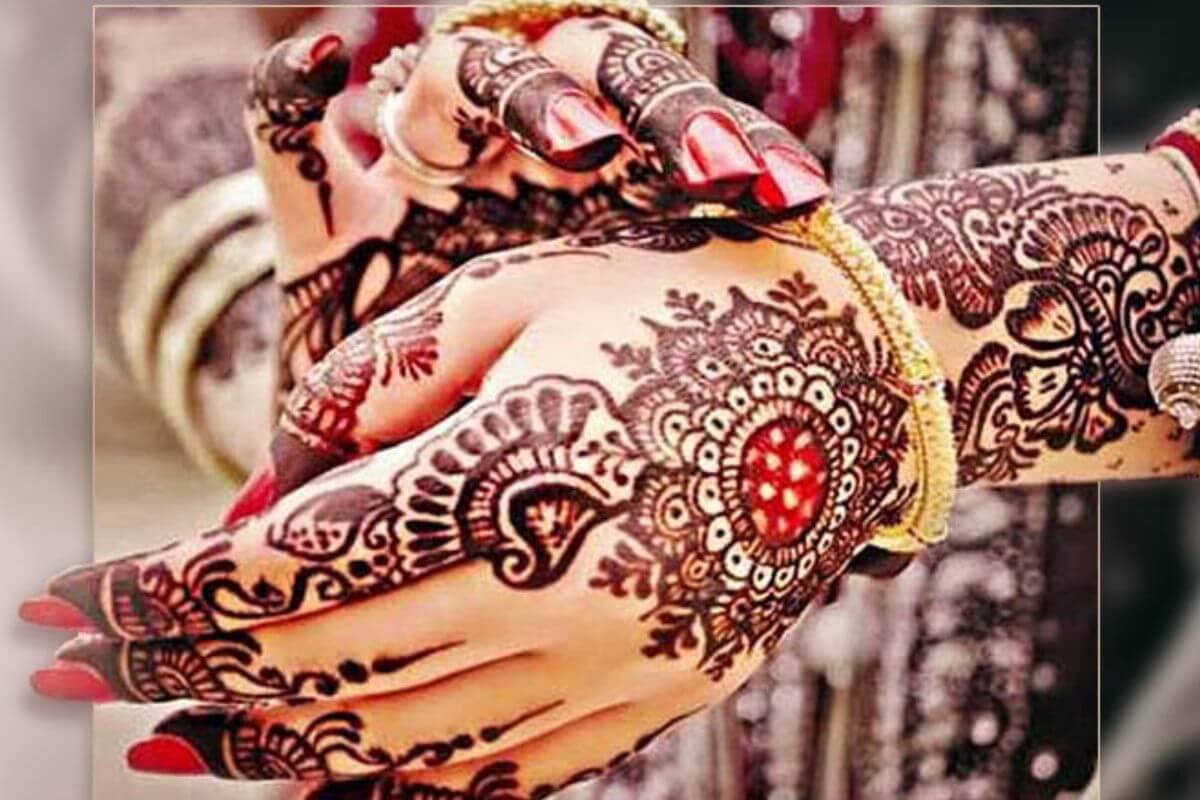
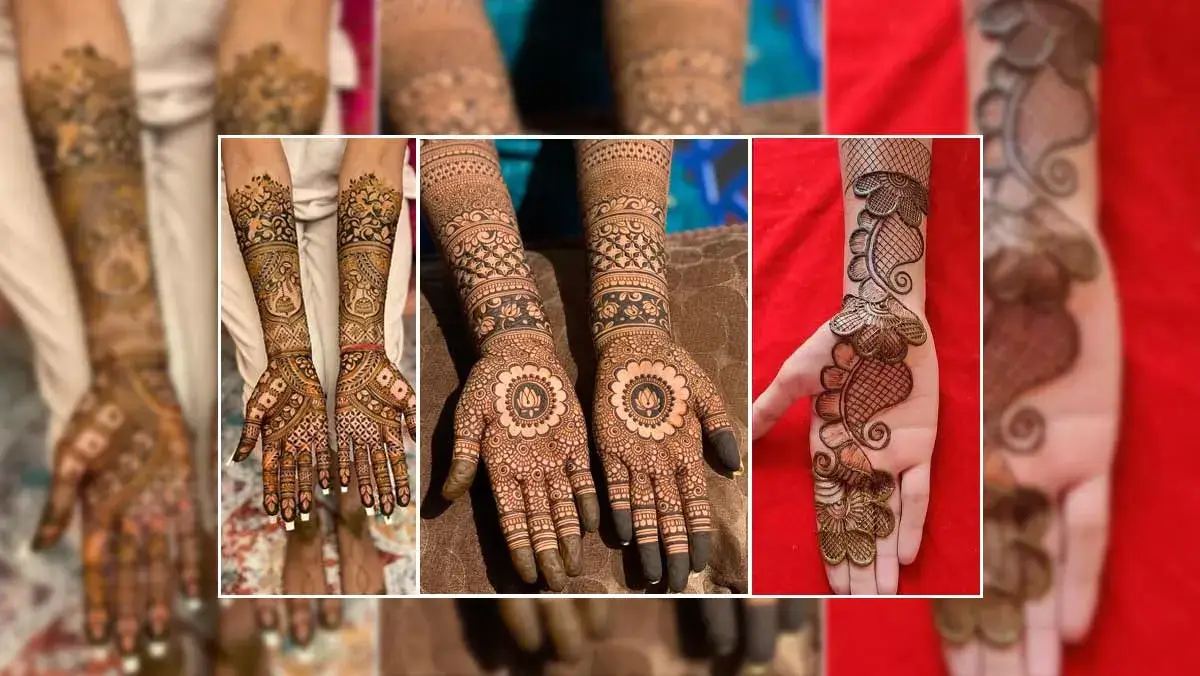
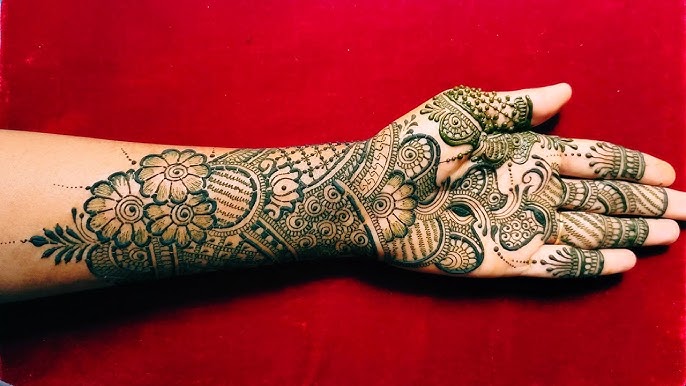
Indian bridal mehndi features incredibly dense, intricate patterns covering hands from fingertips to elbows and feet from toes to knees. No skin remains visible between the elaborate designs that can take 6-8 hours to complete.
Classic elements include paisley motifs symbolizing fertility, peacocks representing beauty and grace, lotus flowers denoting purity, bride-groom portraits showing unity, elephants signifying strength, and intricate jaal (mesh) patterns filling every space. This style suits traditional ceremonies and creates maximum visual impact.
Modern Arabic Bridal Mehndi Design
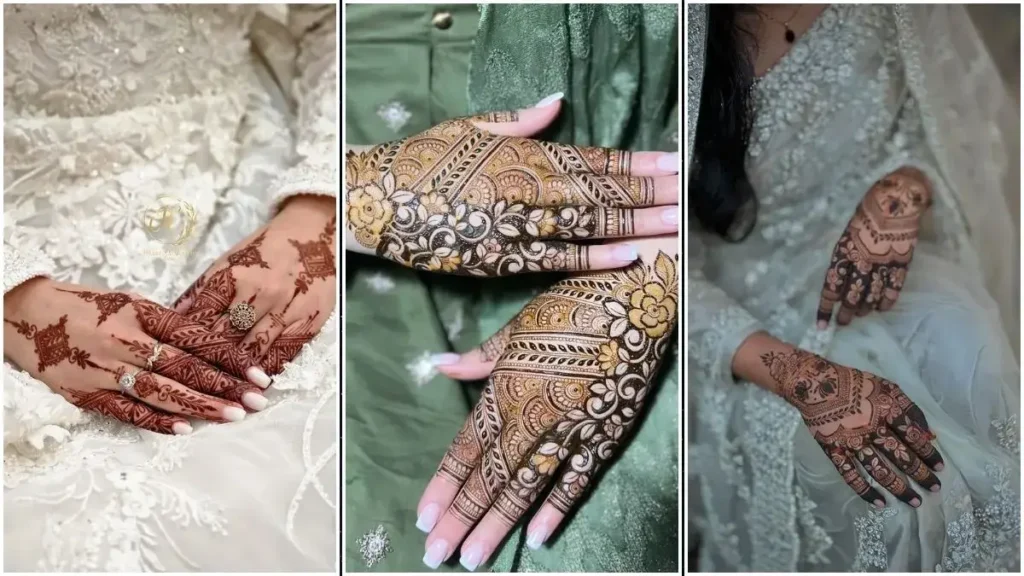
Arabic bridal mehndi has exploded in popularity for its bold, flowing patterns with generous negative space. Unlike Indian styles, Arabic designs feature fewer but larger motifs, creating a striking contemporary appeal perfect for modern brides.
Key characteristics include bold floral trails wrapping organically, large leaf motifs in varying sizes, vine patterns flowing naturally, minimal filling work, and asymmetrical placement starting from one side. Arabic bridal mehndi applies faster, dries quicker, and photographs beautifully with modern wedding aesthetics.
Pakistani Fusion Bridal Mehndi Design
Pakistani bridal mehndi perfectly merges Indian intricacy with Arabic boldness, creating sophisticated patterns that offer the best of both worlds. This fusion style has become highly sought-after for its balanced elegance.
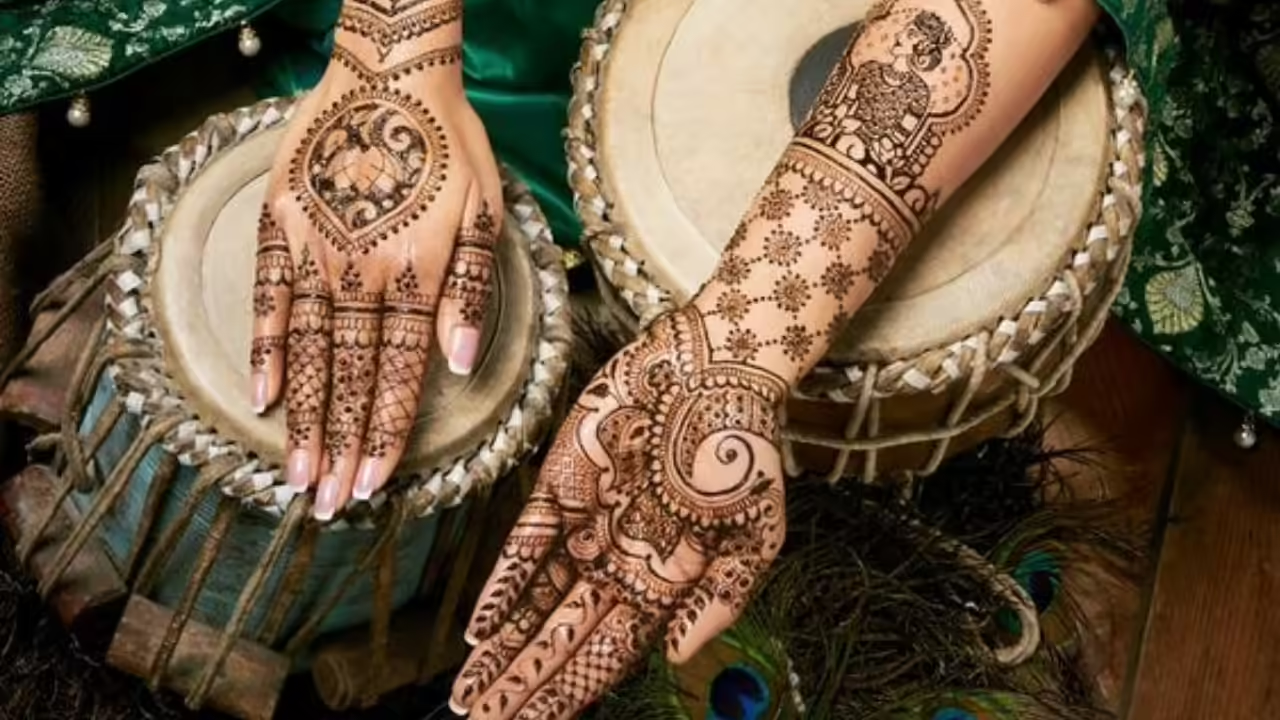
Distinctive features include heavy palm coverage with bold outlines, intricate geometric fills and checkered patterns, architectural elements like domes and jharokhas inspired by Mughal heritage, unique angular peacock interpretations, and a perfect balance between delicate and bold elements. Pakistani mehndi suits all wedding styles beautifully.
Minimalist Contemporary Bridal Mehndi Design
The 2026trend toward minimalism has revolutionized bridal mehndi with intentional negative space and selective coverage. Modern brides embrace sophisticated, airy designs that honor tradition without overwhelming their look.
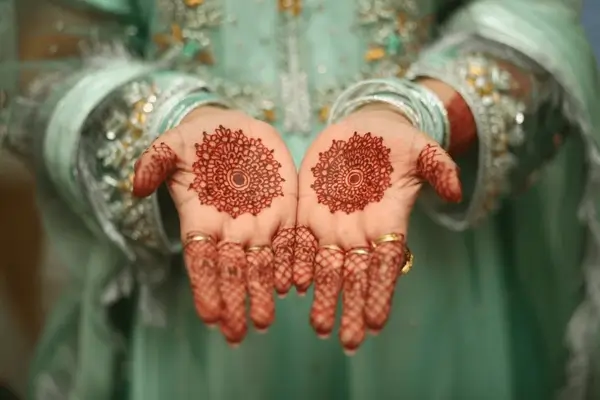
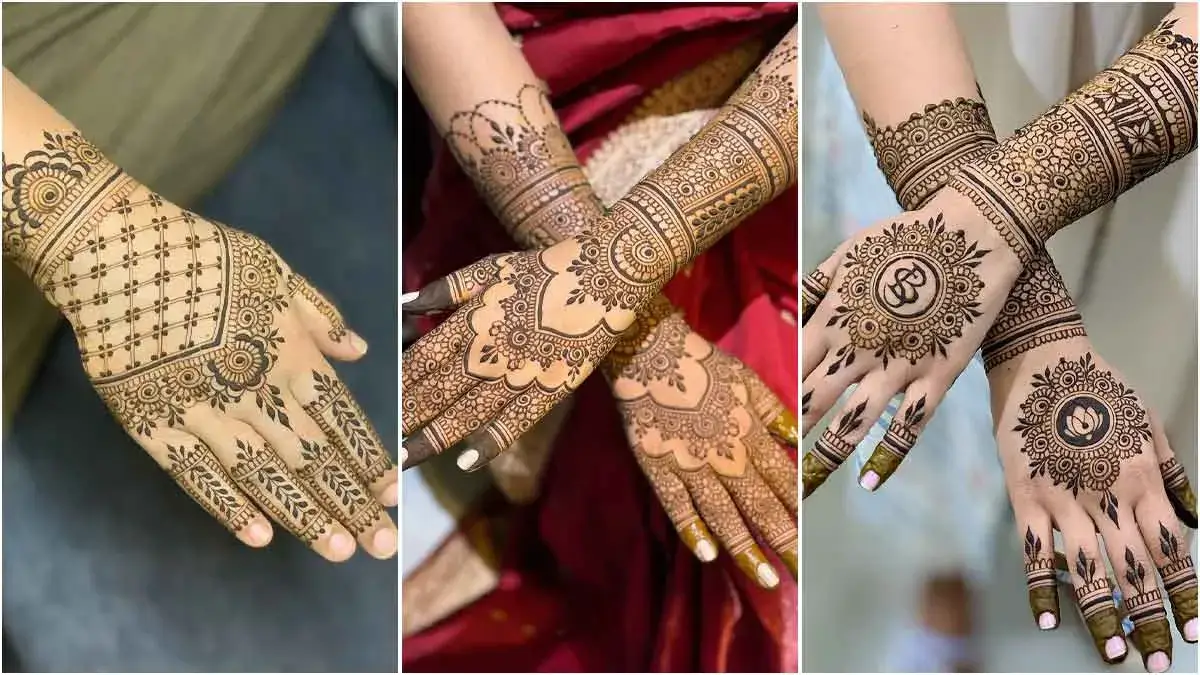
Minimalist options include a single bold floral trail on one hand side, a delicate mandala in the palm center with bare fingers, geometric patterns in specific areas only, jewelry-inspired bracelet and ring designs, and contemporary line art patterns. This style suits destination weddings, modern aesthetics, and fashion-forward brides perfectly.
Latest Bridal Mehndi Design Trends Dominating 2026 Weddings
Personalized Storytelling Mehndi Design
The biggest 2026 trend involves incorporating personal elements to tell your unique love story. Modern brides move beyond generic traditional motifs to include meaningful symbols, dates, and imagery reflecting their relationship journey.
Popular personalizations include depictions of first meeting locations, proposal spot illustrations, wedding date and initials hidden artistically, shared hobbies portrayed symbolically, pet portraits honoring beloved animals, profession-related symbols, favorite travel destinations, and even QR codes linking to wedding websites. These custom touches make your bridal mehndi truly unforgettable.
Hyperrealistic Portrait Bridal Mehndi Design
Portrait mehndi has reached new heights with incredibly detailed, photorealistic couple depictions on palms. These require exceptional artistic skill as facial proportions and expressions must be perfect for recognizable likenesses.
Brides choose traditional dulha-dulhan portraits in wedding attire, casual couple depictions, artistic caricature styles, or even celebrity-inspired interpretations. The portraits typically occupy central palm positions surrounded by complementary traditional patterns.
Geometric and Architectural Mehndi Design
Clean geometric patterns using precise lines, angles, and mathematical shapes create ultra-modern bridal mehndi aesthetics. This trend appeals to contemporary brides seeking unique alternatives to traditional florals.
Popular geometric elements include hexagons and diamond patterns, architectural domes and arches, symmetrical mandala compositions, linear patterns with precision, and Moroccan-inspired angular designs. Geometric mehndi photographs stunningly and suits modern wedding venues.
Jewelry-Inspired Henna Patterns
Creating mehndi that mimics traditional bridal jewelry ranks among 2026’s hottest trends. These designs create illusions of wearing ornate henna jewelry, complementing actual wedding accessories.
Popular jewelry-inspired elements include bracelet bands around wrists, ring patterns on individual fingers, haathphool (hand chain) designs flowing from wrist to fingers, anklet patterns wrapping feet, and layered effects when combined with real jewelry. This trend maximizes visual impact efficiently.
Full Coverage Bridal Mehndi Design Essentials
Front Hand Bridal Mehndi Patterns
Front hand (palm-side) bridal mehndi receives maximum visibility during ceremonies and photographs, making intricate detailing crucial. Traditional designs start with central focal points—large mandalas, lotus flowers, or peacocks—radiating outward.
Classic front hand elements include central circular mandala or floral design, paisley flowing toward fingers, bride-groom portraits in the center, mesh work filling spaces, elaborate finger patterns extending to tips, and hidden names creating wedding day fun. Palm skin provides excellent staining, creating particularly dark, striking results.
Back Hand Bridal Mehndi Design
Backhand mehndi offers a larger canvas and greater visibility, making it perfect for showcasing bold artistic patterns. Many brides prioritize backhand designs as they’re constantly visible in photos and rituals.
Popular backhand patterns include flowing floral trails from wrist to fingers, elaborate peacock designs with detailed feather work, architectural compositions, natural vine patterns wrapping organically, and heavy coverage with intricate fills. Backhand should complement the front hand while maintaining distinct beauty.
Feet and Leg Bridal Mehndi Design
Feet mehndi holds equal importance, covering toes to ankles (or knees for traditional ceremonies). Feet patterns should complement hand designs while accommodating different canvas shapes.
Essential feet elements include toe ring patterns on individual toes, anklet designs wrapping ankles, central mandala or floral motifs on tops, matching symmetrical patterns on both feet, and bolder designs accounting for thicker skin. Traditional full leg coverage extends to the knees with continuous flowing patterns.
Choosing Perfect Bridal Mehndi Design for Your Wedding
Matching Mehndi to Wedding Style and Outfit
Your bridal mehndi should harmonize with the overall wedding aesthetics and outfit choices. Traditional heavy lehengas pair beautifully with dense Indian mehndi, while contemporary gowns suit minimalist designs better.
Consider these principles: traditional embroidery complements full-coverage patterns, modern minimalist outfits suit negative space designs, destination beach weddings work with lighter Arabic patterns, heritage venues call for Mughal-inspired elaborate designs, and fusion outfits pair with Indo-Arabic patterns. Coordinate with your artist early.
Planning Timeline for Optimal Color
Achieving deep, dark bridal mehndi requires strategic timing. The color develops gradually over 24-48 hours post-application, reaching peak intensity around 48 hours.
Schedule mehndi application 2-3 days before your wedding for optimal results. This allows full color development while ensuring a fresh, dark appearance for ceremonies. Avoid last-minute application—next-day color appears orange rather than the desired deep maroon.
Finding Your Perfect Bridal Mehndi Artist
Selecting the right artist ranks among the crucial wedding decisions. The perfect artist brings your vision to life while ensuring a comfortable experience and stunning lasting results.
Research thoroughly by reviewing diverse portfolio styles, reading previous bride reviews, confirming availability for your dates, discussing detailed pricing and inclusions, and scheduling essential trial sessions. Trials let you test work quality, assess comfort, and finalize design choices confidently.
Professional Application and Aftercare Secrets
Creating Dark, Long-Lasting Bridal Mehndi Color
Achieving rich, dark color requires understanding preparation and aftercare. Quality makes an enormous difference—use fresh henna from the newest harvests mixed with strong black tea or coffee, lemon juice, sugar, and essential oils.
Professional application tips include exfoliating 1-2 days before, avoiding moisturizers on application day, ensuring clean, dry skin, and working in comfortable positions. Artists prepare paste 6-12 hours before application for optimal dye release.
Essential Aftercare for Perfect Results
Proper aftercare determines whether you get pale orange or stunning deep maroon. Following these steps carefully ensures your bridal mehndi looks spectacular.
Critical aftercare includes keeping paste on for a minimum of 6-8 hours (overnight is ideal), applying lemon-sugar mixture multiple times while drying, scraping dried paste gently without washing, avoiding water for 12-24 hours post-removal, applying natural oils after first wash, and maintaining warmth for darker development. Heat accelerates color intensity significantly.
Special Bridal Mehndi Design Elements
Hidden Names and Interactive Elements
Traditional fun involves hiding the groom’s name or initials within intricate patterns, creating entertaining wedding day searches. This playful element adds interactive enjoyment to your mehndi.
Names can be hidden through English or regional language calligraphy within patterns, negative space forming letters, architectural element integration, or smaller motif arrangements. Creative hiding makes the search more engaging and memorable.
Meaningful Symbolic Motifs
Traditional bridal mehndi incorporates symbols carrying specific blessings and meanings. Understanding symbolism helps choose elements resonating with your values.
Common symbols include the lotus representing purity and new beginnings, the peacock signifying beauty and pride, elephants denoting wisdom and power, parrots symbolizing love and communication, the fish representing prosperity and fertility, and the bells indicating joy and celebration. Combining meaningful symbols creates deeper personal significance.
Common Bridal Mehndi Design Mistakes to Avoid
Rushing Design Selection
Many brides wait until the last minute for design decisions, leading to rushed choices and disappointment. Start researching 2-3 months before your wedding, creating mood boards of loved designs.
Share inspirations with your artist well in advance, allowing customization time and adjustments. This preparation prevents wedding week stress and ensures satisfaction.
Skipping Trial Sessions
Avoiding trial sessions means missing opportunities to test artist work, ensure design satisfaction, and identify issues before the wedding day. Trials are essential investments for major events.
During trials, test paste quality, assess color development on your skin, experience artist’s technique and professionalism, and make necessary final design adjustments. This prevents surprises and builds confidence.
Choosing Trends Over Personal Style
While following trends is fine, your bridal mehndi should primarily reflect your personal aesthetic and comfort level. Inauthentic designs feel wrong regardless of popularity.
Consider your personality, wedding theme, cultural background, and coverage comfort when selecting patterns. Designs making you feel beautiful and confident are always the right choices.
Regional Bridal Mehndi Design Variations
North Indian Bridal Mehndi Characteristics
North Indian bridal mehndi, especially from Rajasthan and Gujarat, features extremely dense coverage with heavy traditional motifs. These include Pichwai art elements, Mughal architecture, and elaborate storytelling.
Rajasthani patterns showcase royal processions, ornately decorated elephants, detailed palace architecture, and extensive peacock motifs. Coverage typically extends past the elbows and to the knees.
South Indian and Bengali Styles
South Indian bridal mehndi traditionally uses simpler geometric patterns with religious significance, though modern brides increasingly adopt elaborate North Indian influences. Bengali mehndi features unique fish motifs representing prosperity and alpana-inspired geometric patterns.
Contemporary South Indian brides often choose fusion designs combining regional traditional elements with modern aesthetics, creating unique personal styles.
Pricing and Professional Considerations
Understanding Bridal Mehndi Pricing
Bridal mehndi pricing varies significantly based on location, artist experience, design complexity, and coverage. Understanding typical costs helps budget appropriately.
Average pricing includes full bridal hands and feet at premium rates, arm extensions at additional cost, guest mehndi at reduced per-person rates, and travel fees for location service. Established artists in major cities command higher prices reflecting expertise and demand.
Building an Artist Portfolio and Career
Aspiring bridal artists must develop strong portfolios showcasing diverse styles and consistent quality. Portfolios directly impact bookings and pricing capability.
Build impressive portfolios through extensive practice on friends and family, professional photography with excellent lighting, documenting color development stages, collecting client testimonials, and regular updates with the latest work. Social media, especially Instagram and Pinterest, serves as a powerful marketing tool.
Conclusion
Your bridal mehndi design represents far more than beautiful temporary art; it symbolizes your married life beginning, carries cultural significance through generations, and creates lasting memories through photographs and experience.
The right design balances tradition with personal style while considering practical factors. Whether choosing elaborate traditional patterns, modern minimalist designs, or personalized fusion styles, your bridal mehndi should make you feel beautiful, confident, and connected to this ancient celebration.
Start planning early, research thoroughly, trust your instincts, and embrace the entire experience as a special wedding journey. The intricate patterns adorning your hands and feet will fade after weeks, but memories and photographs last forever. Make your bridal mehndi choice one you’ll cherish always.