
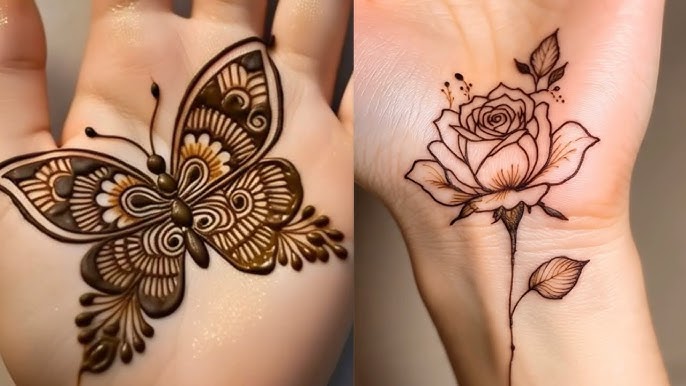
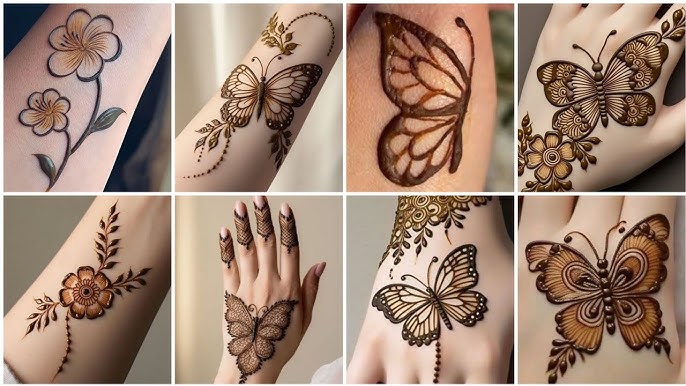
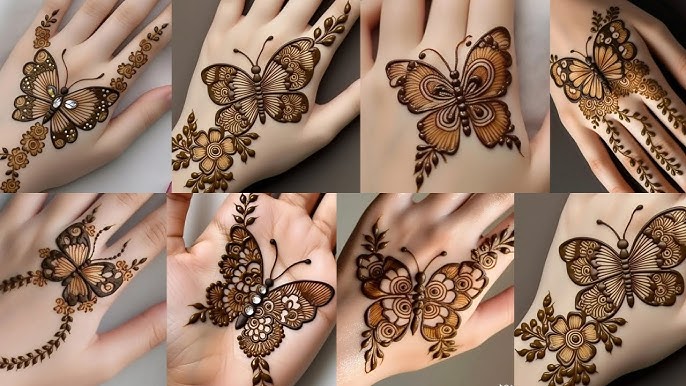
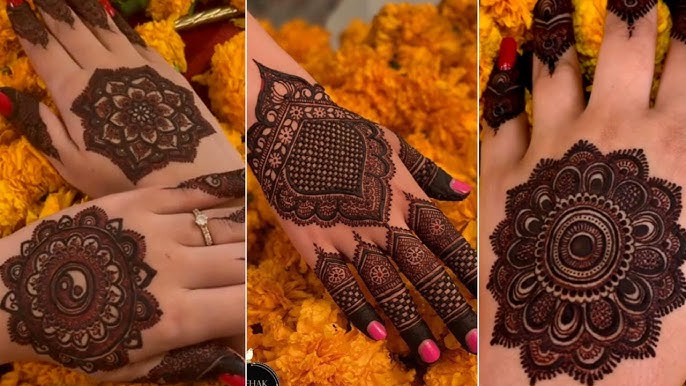
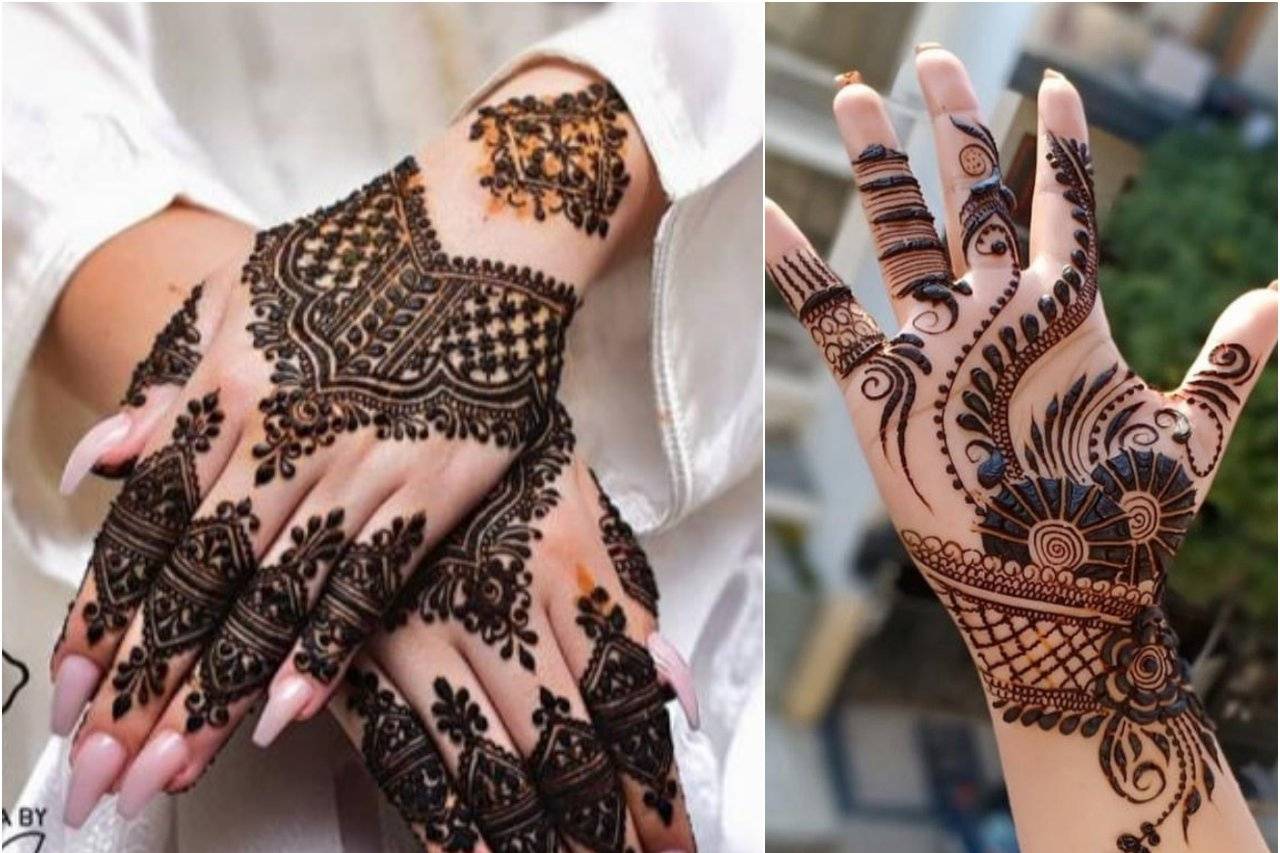
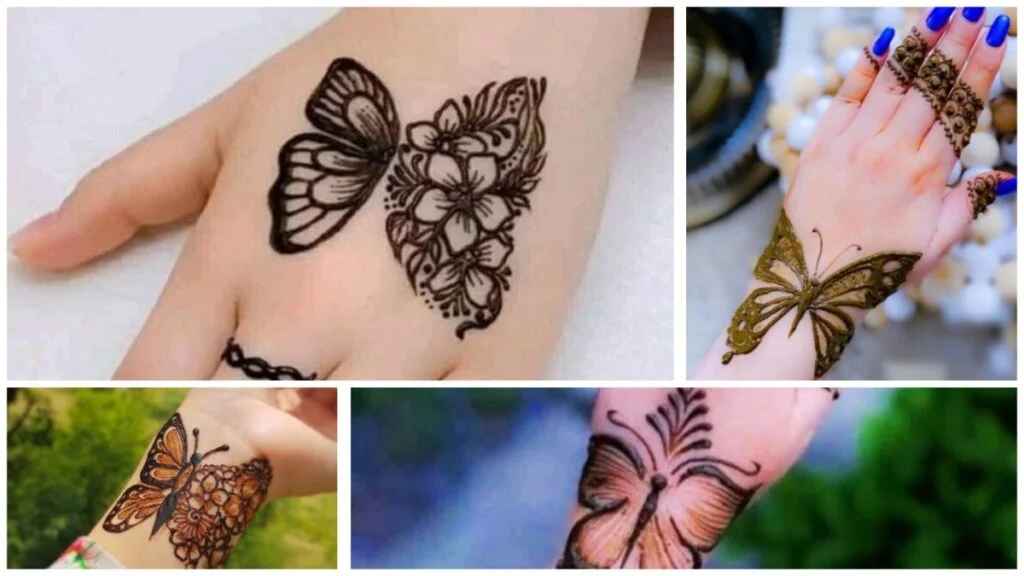
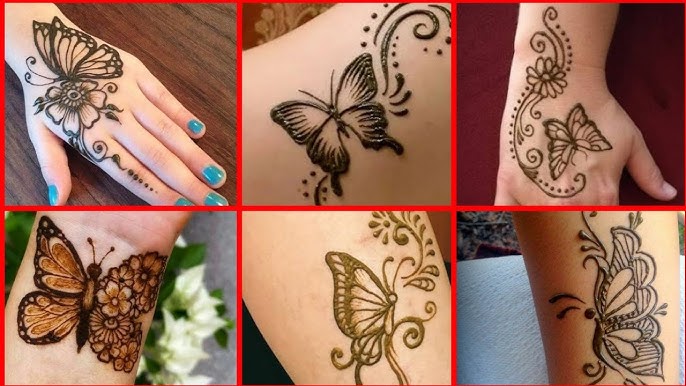
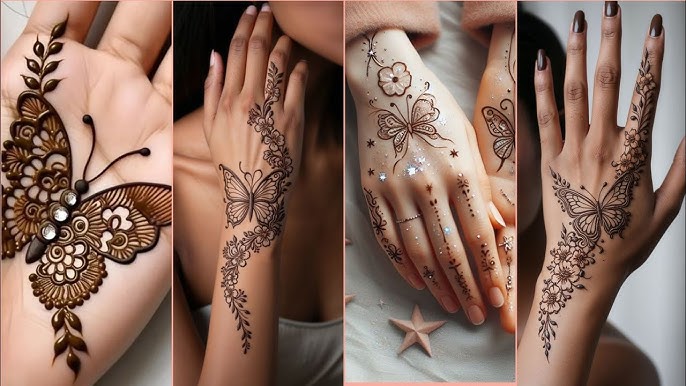
Introduction
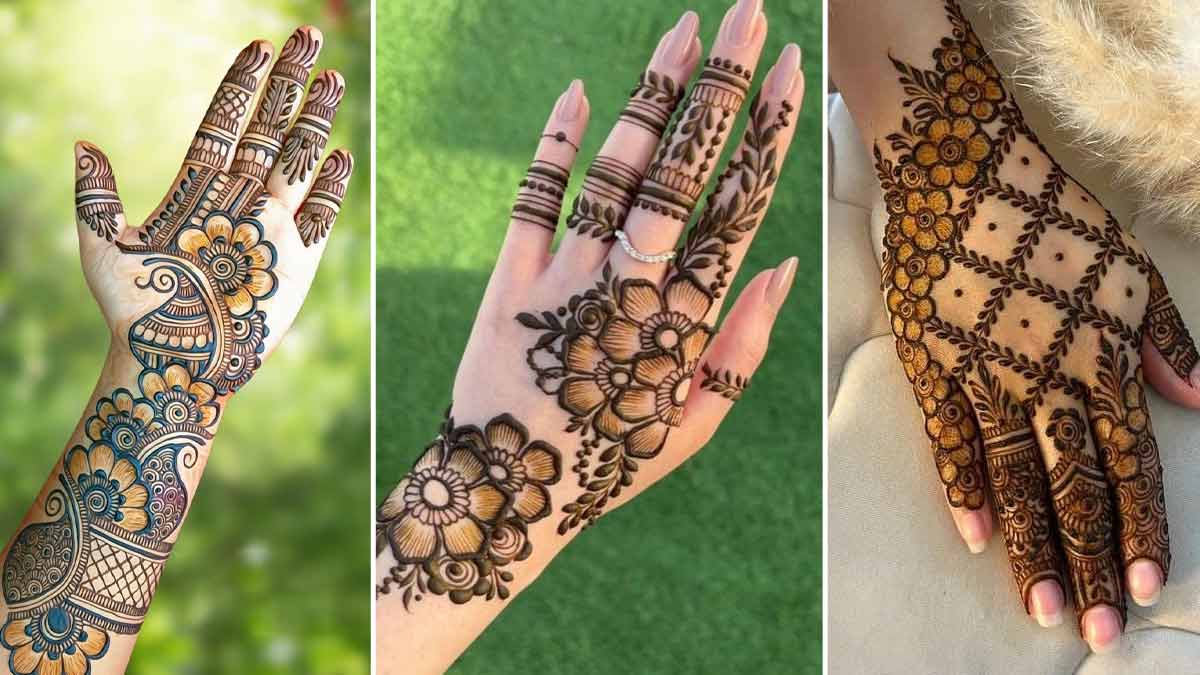
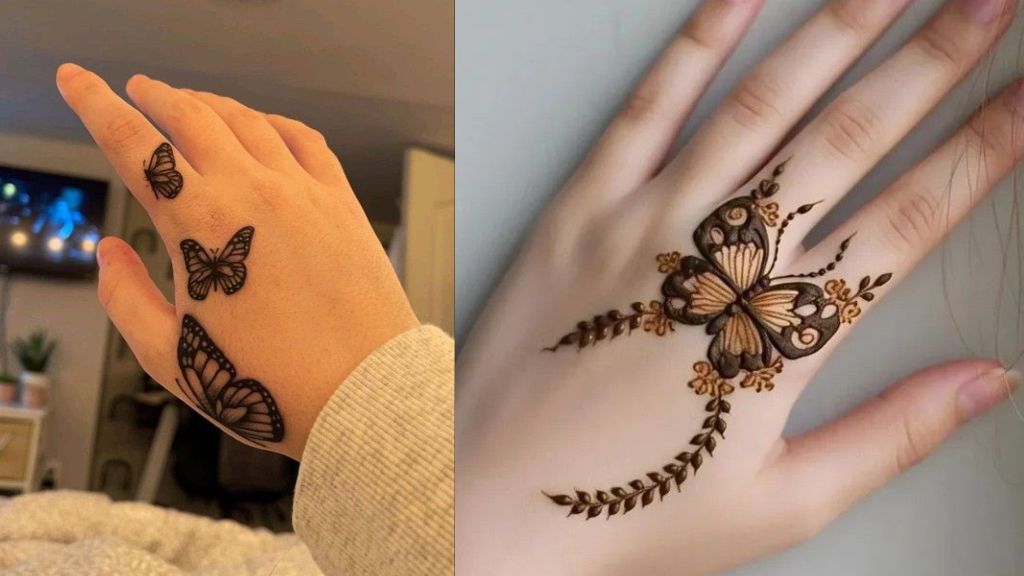
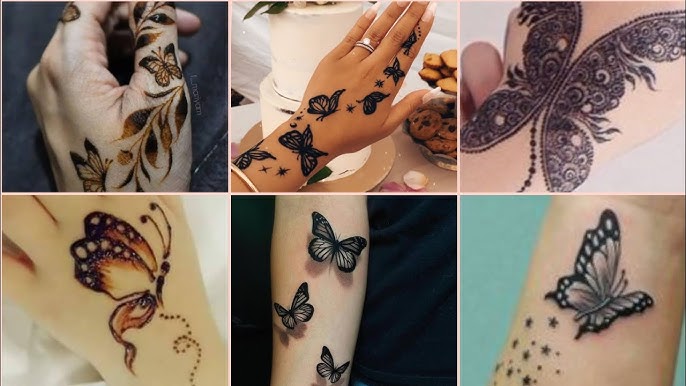
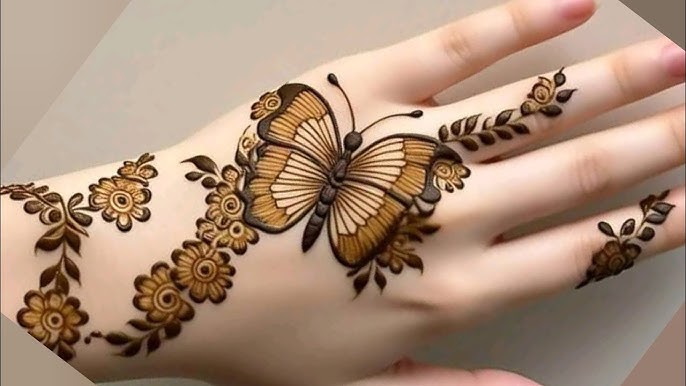
Bunch mehndi design celebrates botanical grouping principles where flowers, leaves, or motifs arranged in natural clusters create dimensional artistic beauty mirroring actual floral bouquets and grape bunches.
This technique transforms individual elements into cohesive grouped compositions delivering visual abundance through strategic clustering rather than isolated placement throughout available space.
The captivating appeal of bunch mehndi design lies in its three-dimensional illusion — overlapping elements positioned at varying depths create perspective suggesting actual bundled flowers or clustered fruits extending outward from skin surface.
This dimensional quality distinguishes bunch designs from flat patterns achieving sophisticated depth through simple layering techniques accessible to beginners.
Understanding Bunch Mehndi Technique
Bunch mehndi design requires understanding fundamental clustering principles where multiple similar elements arranged together create unified visual impact greater than individual components.
Natural bunches — flower bouquets, grape clusters, leaf groupings — follow organic arrangement patterns where elements vary slightly in size and position preventing rigid mechanical appearance.
Traditional mehndi frequently featured isolated flowers distributed across hands individually. Bunch technique instead groups these floral elements into cohesive clusters mimicking actual flower arrangements florists create.
This botanical accuracy creates sophisticated contemporary aesthetic appealing to modern celebrants valuing natural beauty.
Instagram aesthetics heavily favor bunch mehndi design because three-dimensional clusters photograph magnificently creating shadows and depth impossible achieving with flat patterns.
The gathered bouquet appearance resonates with wedding audiences familiar with bridal floral arrangements creating immediate visual recognition and emotional connection.
Contemporary botanical art emphasizes natural grouping patterns where plants grow in clusters rather than isolation. Bunch mehndi design reflects this scientific accuracy creating authentic nature-inspired patterns demonstrating sophisticated understanding of actual plant behavior rather than fantasy artistic interpretation.
Simple Flower Bunch Patterns
Bunch mehndi design featuring grouped floral elements creating bouquet aesthetics.
Five-Flower Corner Bunch: Five simple flowers arranged in tight cluster at hand corner creates foundational bunch mehndi design. Position central flower slightly forward with surrounding four positioned behind creating depth perception. Vary flower sizes subtly — central largest, surrounding progressively smaller — enhancing dimensional illusion.
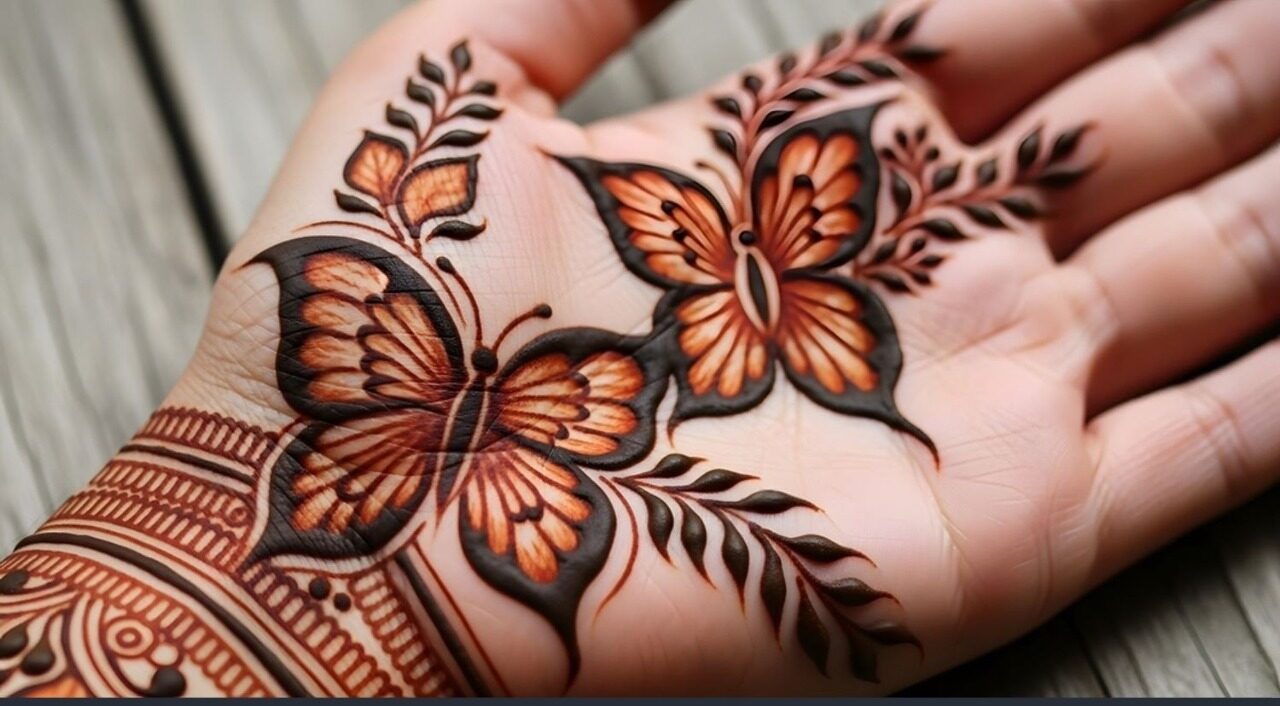
Palm Center Bouquet: Seven to nine flowers grouped in palm center creates elaborate bunch mehndi design. Arrange flowers at varying angles — some facing forward, others angled sideways — mimicking actual bouquet arrangement where blooms face multiple directions naturally.
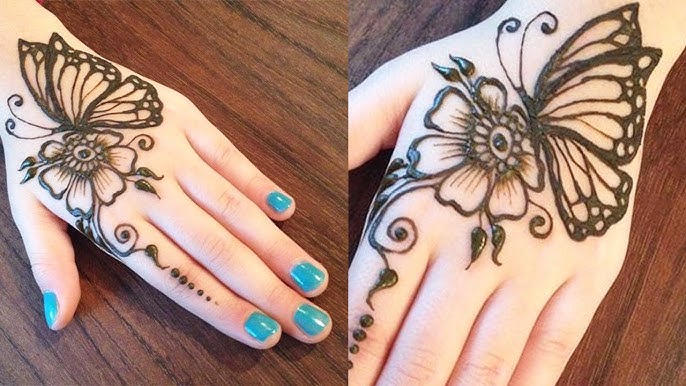
Wrist Flower Cluster: Small flower bunch positioned at wrist creates delicate bunch mehndi design. This strategic placement suggests corsage or boutonniere aesthetics familiar from formal events creating immediate recognition and appreciation.
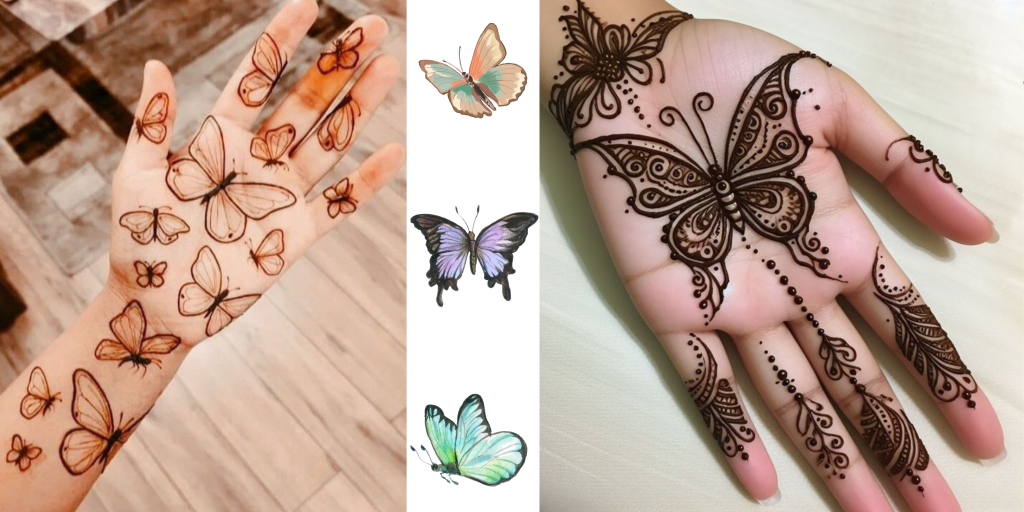
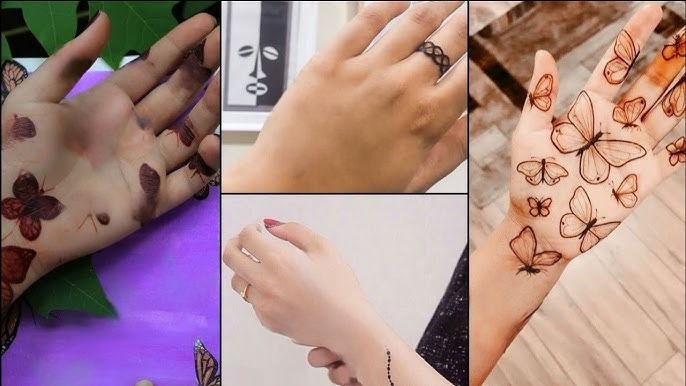
Scattered Mini Bunches: Multiple small three-flower bunches distributed across hand creates organic bunch mehndi design. This repeated clustering creates visual rhythm through grouped elements rather than isolated florals.
Grape Bunch Designs
Bunch mehndi design mimicking clustered grape formations creating fruit-inspired beauty.
Classic Grape Cluster: Dots or small circles arranged in triangular grape bunch formation creates botanical bunch mehndi design. Layer dots with smaller ones in front, larger behind, creating dimensional grape appearance. Add small curved stems at top suggesting actual grape structure.
Hanging Grape Trail: Multiple grape bunches suspended from curved vine creates abundant bunch mehndi design. This cascading fruit arrangement mirrors actual grapevine behavior where fruit clusters hang downward from supporting branches.
Corner Grape Accent: Single small grape bunch in hand corner creates minimal bunch mehndi design. This subtle fruit cluster demonstrates sophisticated restraint while maintaining bunch technique fundamentals.
Palm Center Grape: Large elaborate grape cluster positioned in palm center creates focal bunch mehndi design. Surround with small leaves suggesting actual grapevine foliage creating complete botanical composition.
Leaf Bunch Patterns
Bunch mehndi design using grouped leaf elements creating foliage clusters.
Fern Frond Bundle: Multiple delicate fern-like leaves bundled together creates botanical bunch mehndi design. Arrange leaves fanning outward from central stem suggesting actual fern growth pattern where leaflets radiate from main structure.
Autumn Leaf Cluster: Grouped maple or oak-style leaves in bunch formation creates seasonal bunch mehndi design. Vary leaf sizes and angles mimicking fallen leaf piles where natural leaves overlap randomly.
Palm Frond Bunch: Tropical palm fronds grouped together creates exotic bunch mehndi design. The bold dramatic leaves create striking visual impact through simple repetitive clustering.
Herb Bundle Aesthetic: Small delicate leaves tied in tight bunch mimics culinary herb bundles creates kitchen-garden-inspired bunch mehndi design. This domestic botanical reference appeals to home-oriented celebrants.
Corner Bunch Designs
Bunch mehndi design positioned strategically at hand corners creating asymmetric elegance.
Thumb Corner Cluster: Small flower or leaf bunch at thumb base corner creates subtle bunch mehndi design. This minimal placement maintains professional appropriateness while demonstrating bunch technique mastery.
Pinky Side Bunch: Cluster positioned along pinky finger edge creates asymmetric bunch mehndi design. This unconventional placement breaks traditional symmetry expectations appealing to contemporary artistic sensibilities.
Wrist Inner Bunch: Small delicate bunch on wrist’s inner surface creates discreet bunch mehndi design. This hidden placement allows full artistic expression while maintaining external professional appearance.
Multiple Corner Clusters: Small bunches positioned at multiple corners — thumb, pinky, wrist — creates distributed bunch mehndi design. This repeated element creates visual rhythm through strategic clustering.
Palm Center Bunch Focal
Bunch mehndi design emphasizing large central clustering creating dramatic focal points.
Elaborate Floral Bouquet: Large comprehensive flower bunch filling palm center creates statement bunch mehndi design. Arrange fifteen to twenty flowers in tight cluster with overlapping petals creating lush abundant appearance.
Fruit Cluster Centerpiece: Mixed fruits — grapes, berries, small florals — grouped in palm center creates harvest-inspired bunch mehndi design. This abundant composition suggests autumn bounty celebrations.
Geometric Shape Bunch: Repeated geometric elements — triangles, diamonds, circles — clustered in palm center creates contemporary bunch mehndi design. This modern interpretation applies clustering technique to abstract shapes rather than botanical elements.
Mandala Bunch Hybrid: Traditional mandala surrounded by small flower bunches creates fusion bunch mehndi design. This combination honors traditional patterns while embracing contemporary clustering aesthetics.
Quick 10-Minute Bunch
Bunch mehndi design applying rapidly perfect for busy schedules.
Three-Flower Simple: Three flowers grouped quickly at wrist or corner applies in 5 minutes. This ultra-quick bunch delivers complete cluster aesthetic through minimal time investment.
Dot Grape Bunch: Grape cluster using exclusively dot technique rather than outlined circles applies extremely quickly. Simple perpendicular pressure produces instant grape bunch aesthetics.
Mini Corner Cluster: Tiny five-element bunch in hand corner takes 3 minutes creating fastest possible bunch mehndi design. This minimal approach suits last-minute applications or ultra-conservative requirements.
Finger Base Bunch: Small three-leaf cluster at finger base applies in 2 minutes per finger. Multiple finger bunches create complete look through rapid individual applications.
Bridal Bunch Elegance
Bunch mehndi design for wedding celebrations featuring romantic floral clustering.
Cascading Wrist Bouquet: Elaborate flower bunch at wrist with trailing elements toward fingers creates bridal bunch mehndi design. This flowing bouquet aesthetic mirrors actual bridal flowers creating cohesive wedding aesthetics.
Rose Cluster Wedding: Bunched roses — symbol of romantic love — creates meaningful bridal bunch mehndi design. Position roses at varying bloom stages from buds to full flowers suggesting love’s development journey.
Lily Bunch Sophistication: Elegant lily flowers grouped together creates refined bridal bunch mehndi design. The classic sophisticated lily aesthetic appeals to formal wedding sensibilities.
Mixed Floral Arrangement: Various flower types bundled together mimics actual mixed bouquets creates comprehensive bridal bunch mehndi design. This botanical diversity creates visual interest through varied petal shapes and sizes.
Dimensional 3D Bunch
Bunch mehndi design emphasizing three-dimensional illusion through strategic layering.
Layered Flower Depth: Flowers positioned at three distinct depths — foreground, middle, background — creates dramatic dimensional bunch mehndi design. Front flowers largest and darkest, middle medium, back smallest and lighter creating perspective illusion.
Overlapping Leaf Stack: Leaves deliberately overlapping with visible layering creates three-dimensional bunch mehndi design. Show partial leaves extending behind others rather than complete isolated elements.
Shadow Effect Bunch: Add small shading lines behind bunch elements suggesting shadows cast creates enhanced dimensional bunch mehndi design. This sophisticated technique elevates simple clustering into realistic three-dimensional art.
Perspective Size Variation: Elements vary dramatically in size based on perceived distance creating forced-perspective bunch mehndi design. Front elements very large, back elements tiny creating exaggerated depth.
Traditional Bunch Interpretations
Bunch mehndi design honoring cultural heritage through classic clustering motifs.
Paisley Bunch Group: Multiple paisley shapes clustered together creates traditional bunch mehndi design. This familiar motif gains fresh perspective through bunch grouping rather than isolated distribution.
Mandala Cluster Pattern: Small mandalas grouped in bunch formation creates hybrid bunch mehndi design. Traditional circular patterns benefit from contemporary clustering technique creating cultural-modern fusion.
Arabic Bold Bunch: Thick confident floral elements grouped in Arabic style creates dramatic bunch mehndi design. Bold lines and generous negative space create signature Arabic sophistication through bunch clustering.
Indian Detailed Bunch: Intricate detailed flowers grouped elaborately creates traditional Indian bunch mehndi design. This meticulous clustering honors heritage detail-oriented aesthetics through contemporary grouping technique.
Creating Perfect Bunch Composition
Technical guidance executing flawless bunch mehndi design achieving professional clustering results.
Varying Element Sizes: Perfect bunches require size variation — central elements largest, surrounding progressively smaller — creating natural appearance. Uniform sizing appears artificial contradicting botanical clustering authenticity.
Strategic Overlapping: Position elements deliberately overlapping creating depth perception. Show partial elements extending behind others rather than floating isolated shapes.
Natural Angle Variation: Rotate elements at varied angles preventing rigid mechanical appearance. Natural bunches never align perfectly — organic variation creates authentic clustering.
Appropriate Spacing: Balance tight clustering with strategic spacing allowing individual element recognition. Excessive crowding creates muddy appearance; proper spacing maintains clarity while suggesting abundance.
Common Bunch Mistakes
Avoiding predictable errors ensuring successful bunch mehndi design execution.
Mistake #1: Rigid Equal Spacing Problem: Evenly-spaced elements appearing mechanical Solution: Vary spacing naturally mimicking organic clustering
Mistake #2: Uniform Element Sizes Problem: Same-sized elements lacking dimensional depth Solution: Graduate sizes creating perspective illusion
Mistake #3: No Overlapping Problem: Isolated floating elements lacking cohesion Solution: Deliberately overlap elements suggesting layering
Mistake #4: Perfect Alignment Problem: Elements aligned robotically contradicting nature Solution: Rotate angles creating organic variation
Bunch Aftercare
Achieving darkest stain while maintaining bunch precision through proper care.
Standard henna aftercare applies — keep paste on 6-8 hours, avoid water 12 hours after removal, apply natural oils daily. Bunch designs often stain exceptionally well because grouped elements support each other preventing accidental smudging during drying.
The clustered nature of bunch patterns creates natural protection — outer elements shield inner elements from accidental contact maintaining pattern integrity throughout drying period.
Conclusion
Bunch mehndi design in 2026 celebrates botanical clustering principles where grouped elements create dimensional beauty mirroring natural flower bouquets and fruit bunches. This sophisticated technique transforms simple individual components into cohesive artistic compositions demonstrating that arrangement matters equally to individual element quality.
The wisdom of bunch philosophy lies in understanding that collective impact exceeds isolated beauty — grouped flowers create dramatic visual abundance impossible achieving through scattered individual placement. When mehndi honors natural clustering principles, it transforms from flat decoration into dimensional botanical art.
Explore all 50+ bunch mehndi designs now and master 2026’s most dimensional henna trend creating botanical clustering beauty through strategic grouping techniques! 💐✨
FAQS
Q: What is bunch mehndi design?
A: Bunch mehndi design arranges multiple similar elements — flowers, leaves, fruits — in tight clusters creating bouquet or fruit bunch aesthetics. This grouping technique creates dimensional beauty through strategic clustering rather than isolated placement.
Q: Are bunch designs difficult for beginners?
A: No! Bunch mehndi design perfect for beginners because simple repetition creates sophisticated results. Master one flower or leaf, then repeat multiple times in cluster arrangement — easy technique producing beautiful outcomes.
Q: How many elements make a bunch?
A: Simple bunches use 3-5 elements, moderate bunches contain 5-9 elements, elaborate bunches feature 10-20 elements. Start small developing clustering skills before attempting larger comprehensive bunches.
Q: Can I combine different flowers in one bunch?
A: Absolutely! Mixed bunches combining various flowers mimic actual bouquets creating sophisticated bunch mehndi design. Vary flower types, sizes, and bloom stages creating interesting dimensional compositions.
Q: Where should I position bunch designs?
A: Popular bunch positions include palm center (focal point), wrist (corsage effect), hand corners (asymmetric elegance), and finger bases (delicate details). Strategic placement creates maximum visual impact through deliberate positioning.
Q: Do bunch designs look too clustered?
A: No! When executed with size variation, overlapping, and strategic spacing, bunch mehndi design appears naturally clustered rather than overcrowded. Proper technique creates dimensional abundance maintaining individual element visibility.
Q: How long does bunch application take?
A: Bunch mehndi design applies quickly — simple 3-flower bunches take 5-10 minutes, moderate bunches require 15-20 minutes, elaborate bunches need 25-35 minutes depending on complexity and element count.
Q: Can bunch designs work for weddings?
A: Yes! Bridal bunch mehndi design mirrors actual wedding flowers creating cohesive aesthetic. Romantic rose bunches, elegant lily clusters, or mixed floral arrangements complement bridal bouquets beautifully.
Q: What’s easiest bunch pattern for beginners?
A: Simple three-flower corner bunch represents easiest beginner pattern. Master basic flower, create three identical copies, arrange in tight triangle formation — instant bunch success developing fundamental clustering skills.
Q: Does bunch mehndi stain darker?
A: Bunch mehndi design stains normally with proper aftercare. Grouped elements sometimes benefit from mutual protection during drying preventing accidental smudging maintaining pattern integrity producing clean dark staining.