

Introduction
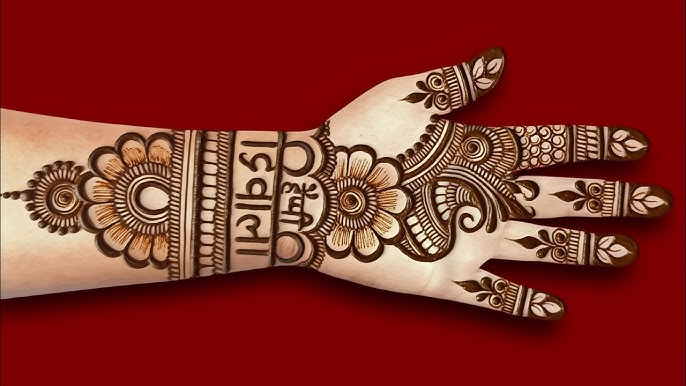
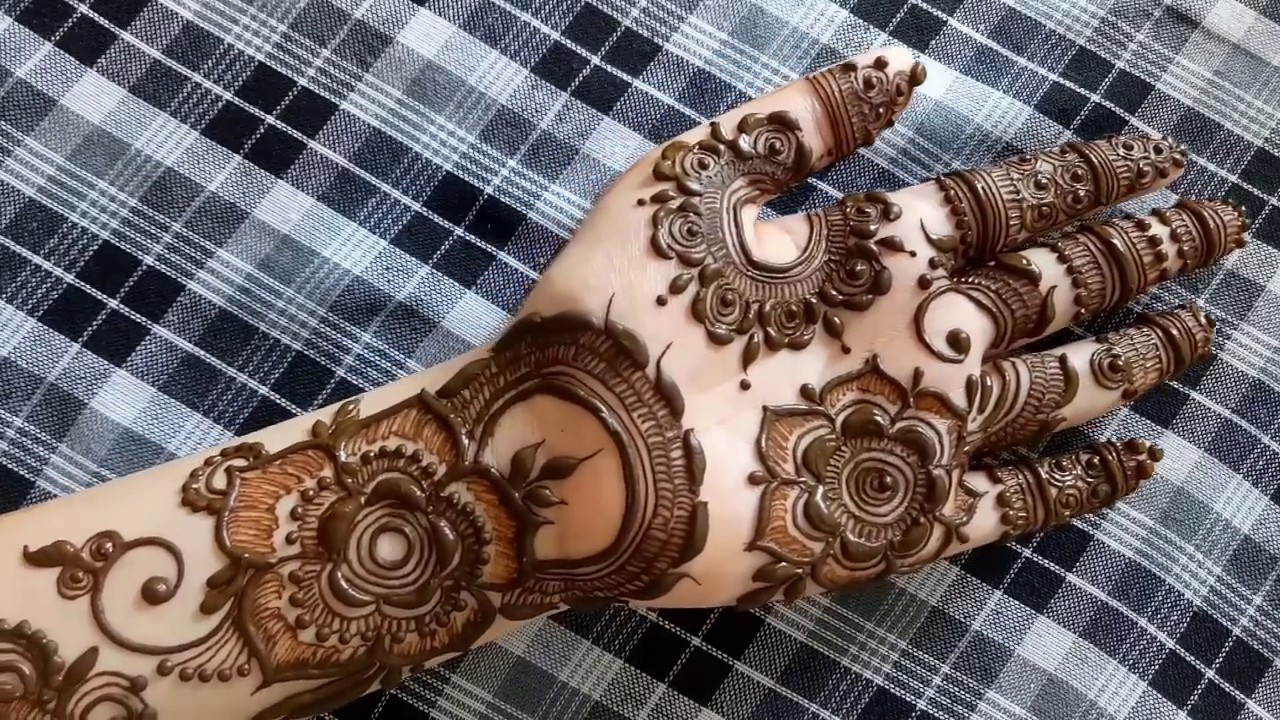
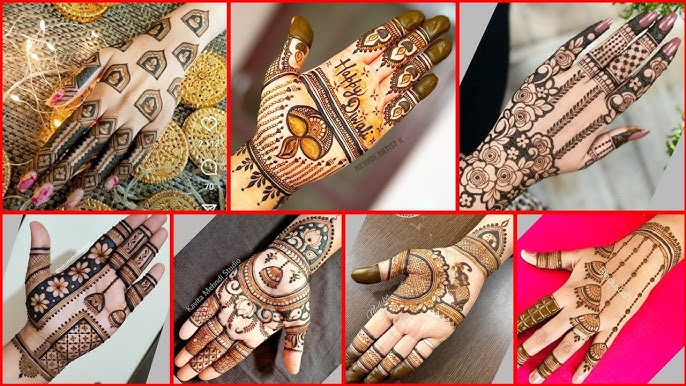
Diwali mehndi design holds a sacred place in the festival of lights celebration, connecting millions of women to ancient traditions of prosperity, divine blessings, and joyful artistic expression. In 2026, Diwali mehndi beautifully balances traditional cultural symbols with contemporary minimalist aesthetics — creating patterns that honor Goddess Lakshmi while reflecting each woman’s individual style and modern sensibility.
Why Diwali Mehndi Design Is So Special
Diwali mehndi carries profound spiritual significance beyond simple decoration — every traditional motif represents specific divine blessings. The diya lamp symbolizes the triumph of light over darkness, the lotus flower represents Goddess Lakshmi and material prosperity, and peacock feathers signify grace and divine beauty. Applying Diwali mehndi is considered an auspicious act that invites Goddess Lakshmi’s blessings into the home during the most sacred festival night.
Traditional Diwali Mehndi Design Motifs
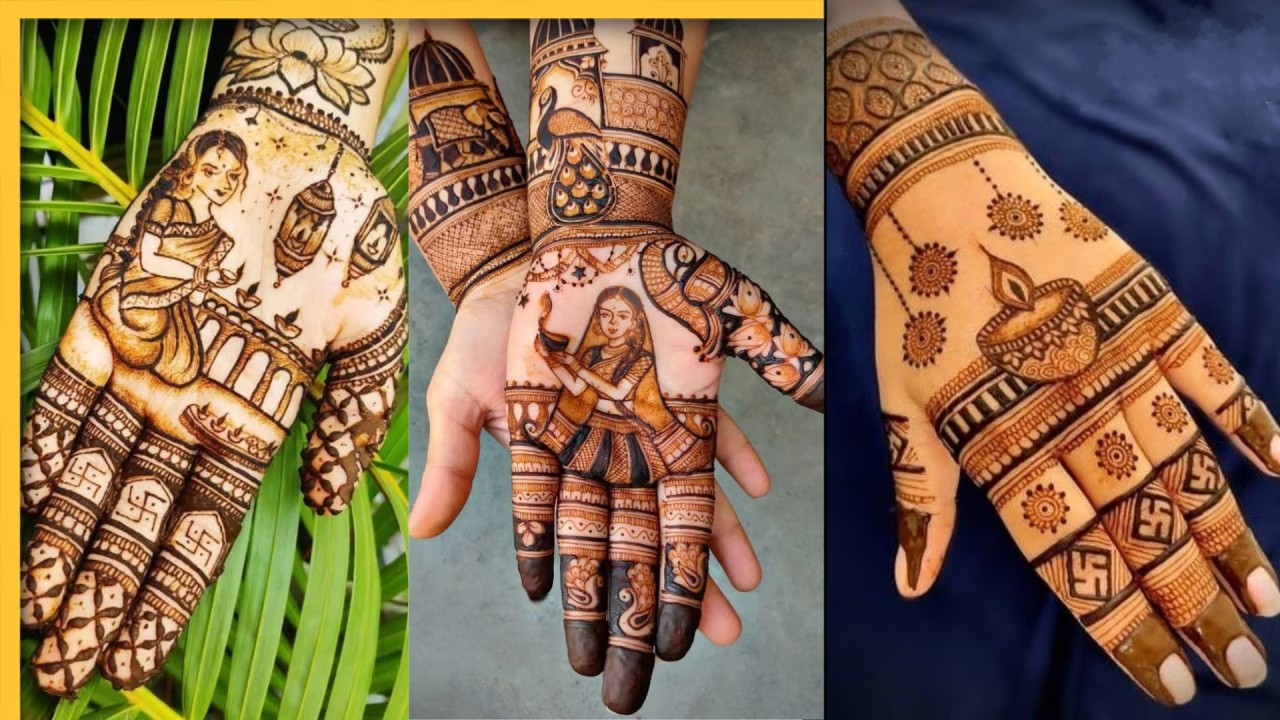
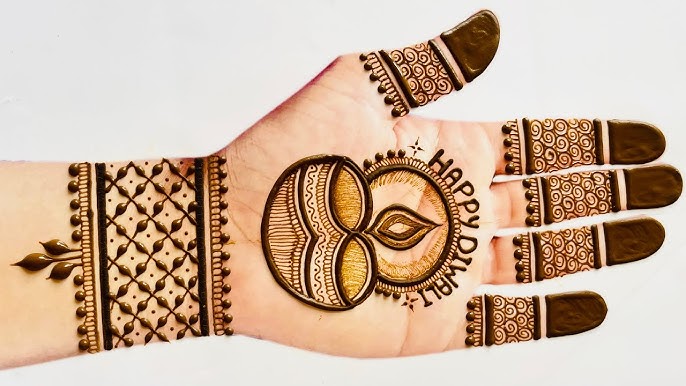
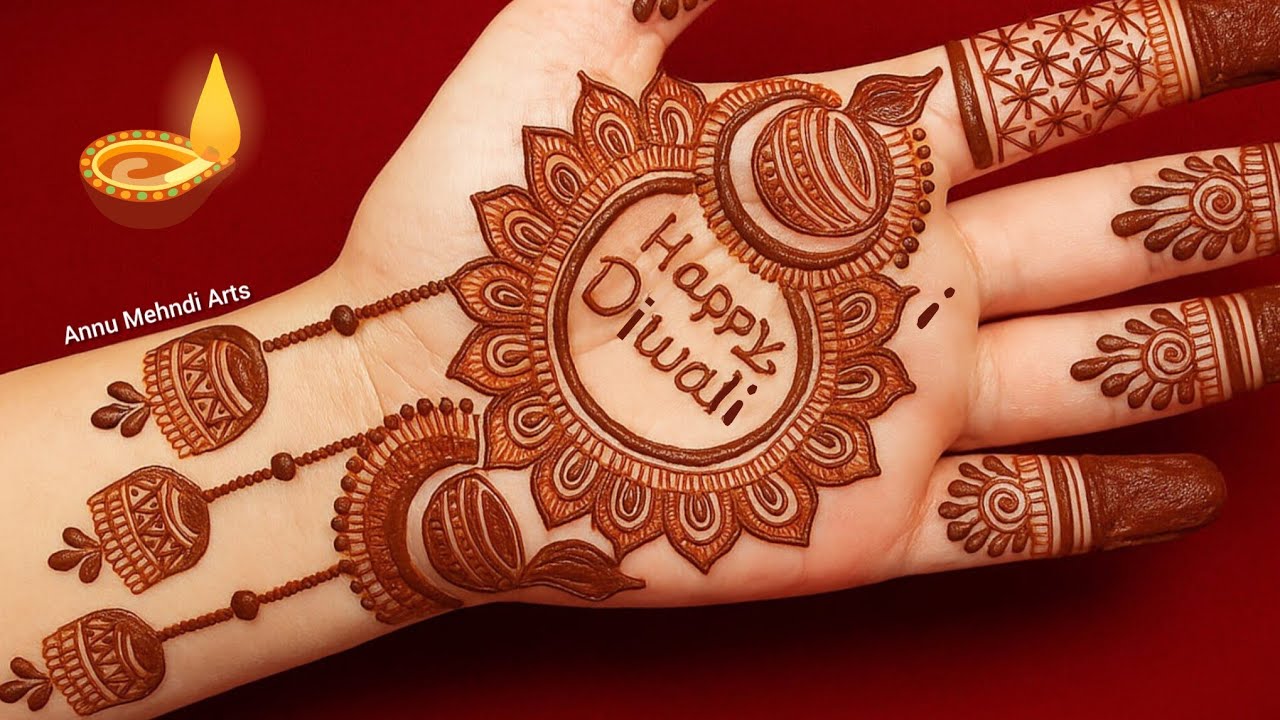
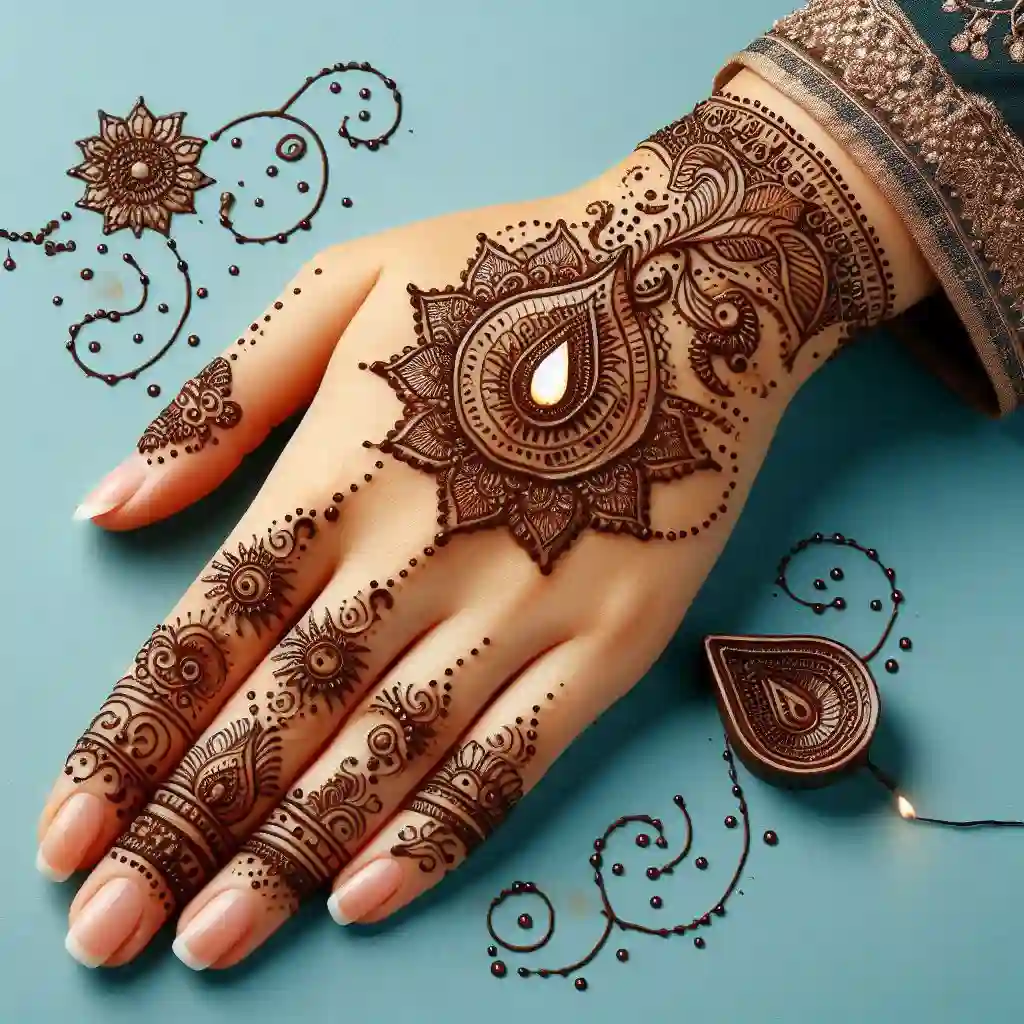
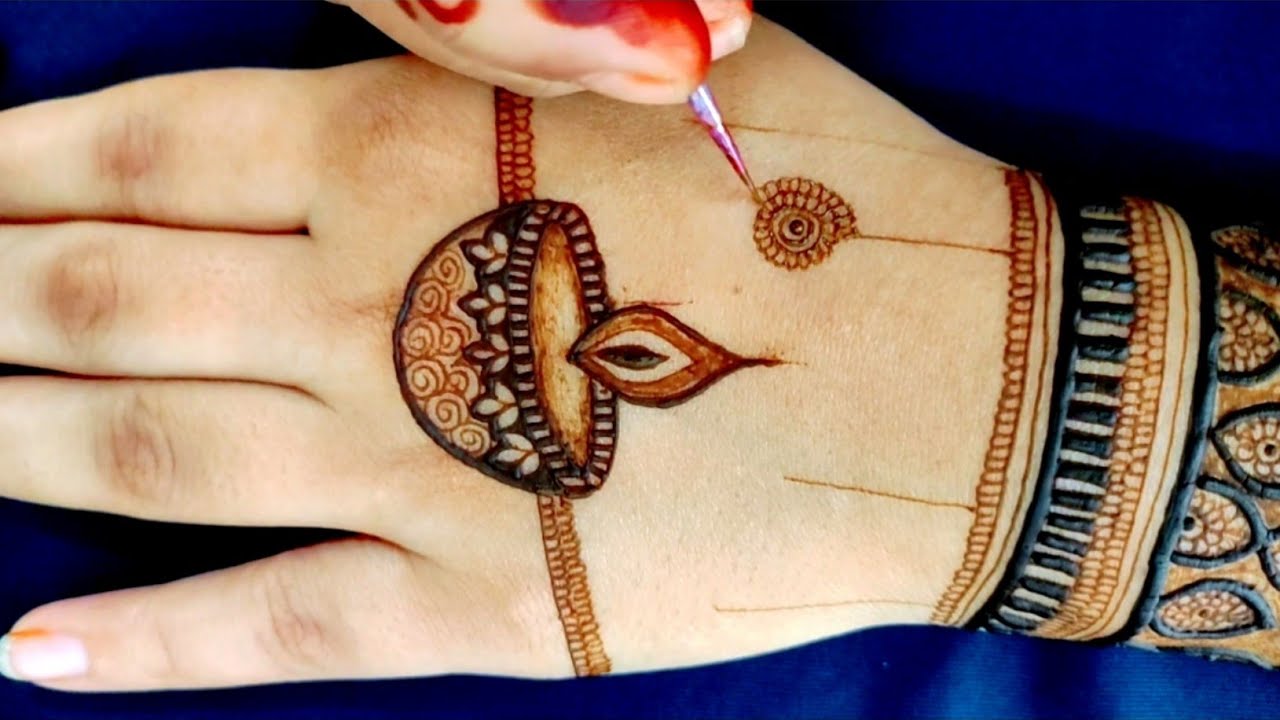
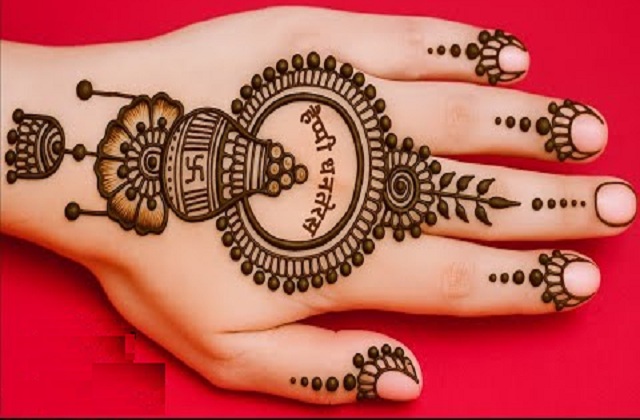
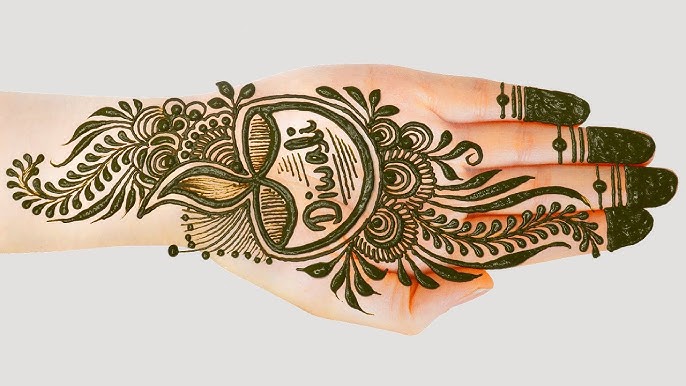
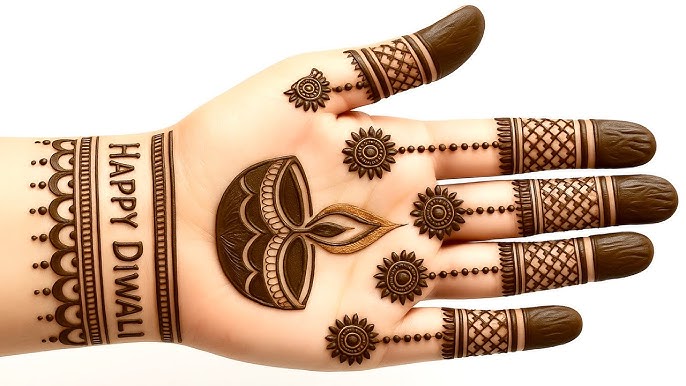
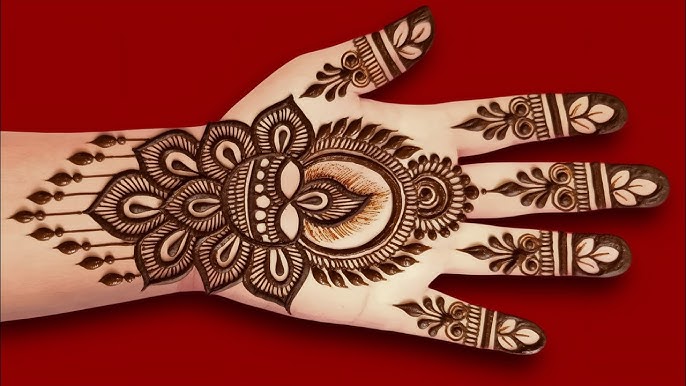
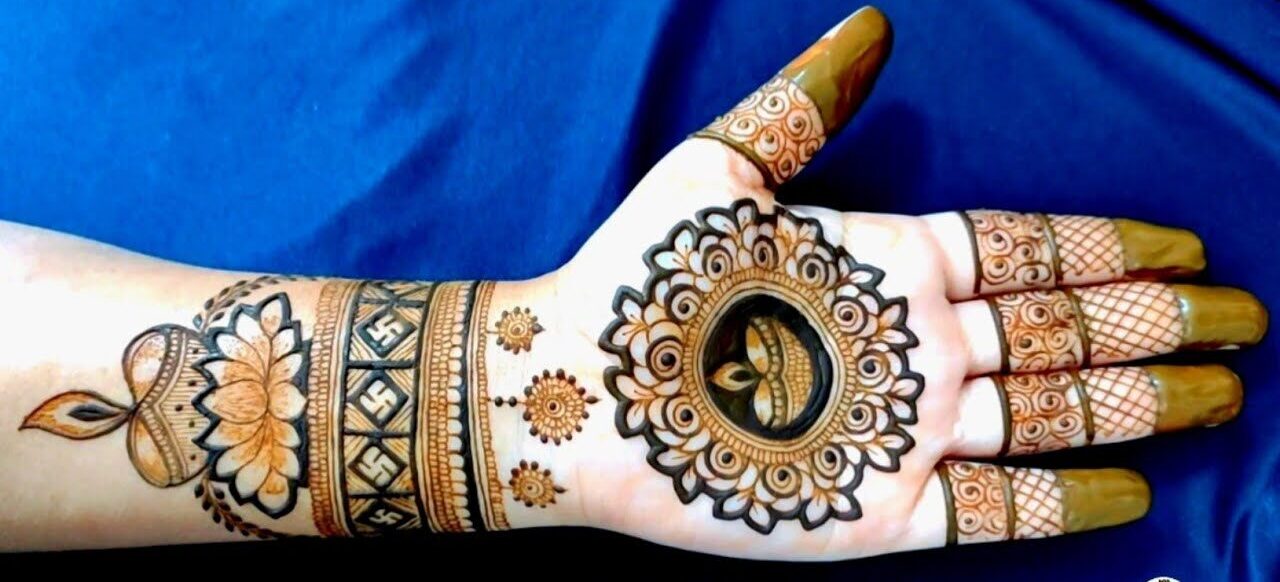
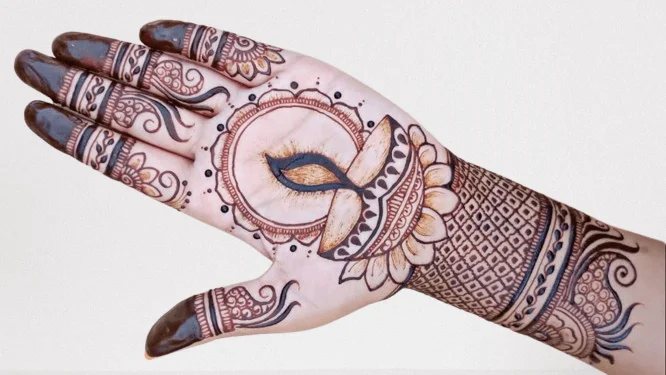
Sacred Diya Lamp: The diya or traditional oil lamp represents the core essence of Diwali — light conquering darkness, knowledge illuminating ignorance, and hope shining through challenges. Diya patterns range from simple single lamp motifs to elaborate compositions featuring multiple diyas.
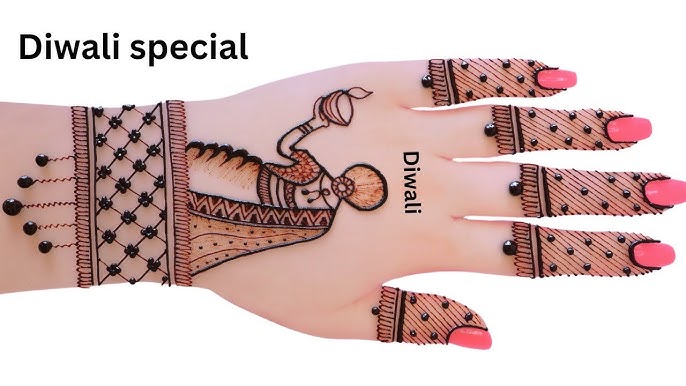
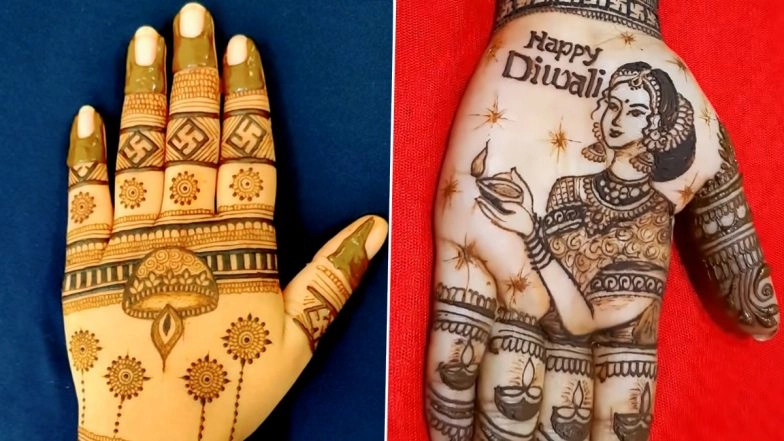
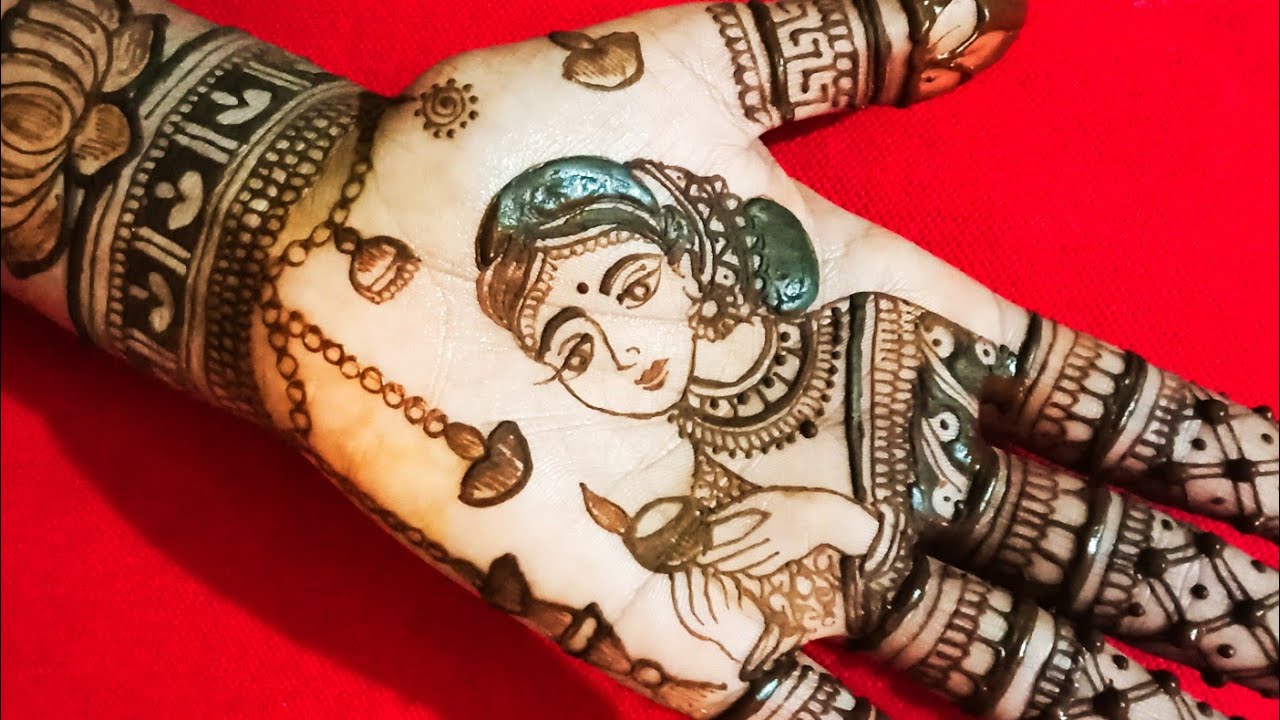
Goddess Lakshmi: Lakshmi motifs include lotus flowers (Her sacred seat), coins representing material prosperity, elephants symbolizing royal abundance, and direct goddess figure representations in elaborate traditional compositions.
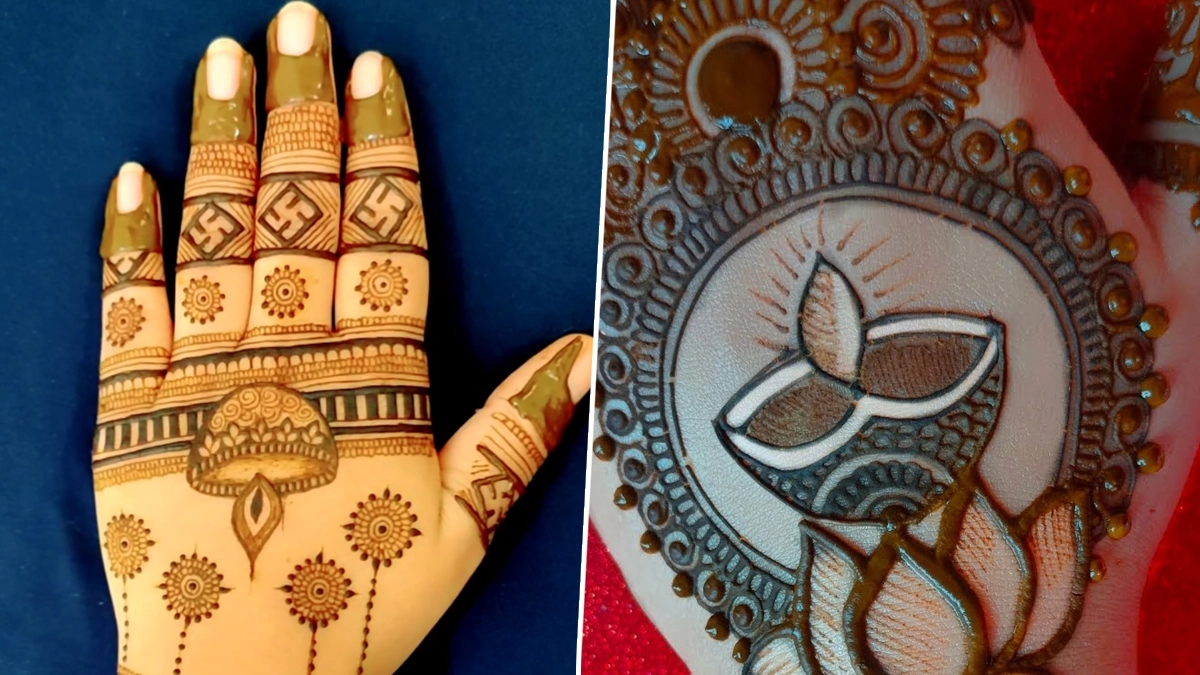
Lotus Flower: The lotus holds dual significance — representing Goddess Lakshmi’s divine seat and symbolizing spiritual purity. Lotus Diwali mehndi creates stunning palm-centered compositions radiating outward in perfect symmetry.
Peacock: Peacock motifs bring grace, beauty, and divine elegance to Diwali mehndi while symbolizing the beauty of prosperity and abundance. The peacock’s elaborate feathers provide extraordinary artistic opportunities for detailed work.
Simple Diwali Mehndi Design for Beginners
- Single Diya (15-20 min): One beautifully executed diya lamp in the palm center or back hand — surround with small dots, tiny flame flourishes, and delicate radiating light rays.
- Lotus Palm Center: A sacred lotus positioned exactly in the palm center with petals radiating outward — add light finger detailing with small dots or thin vines.
- Rangoli Pattern: Geometric rangoli-inspired patterns through repeating squares, diamonds, and symmetrical dot arrangements — distinctly festive while remaining achievable for beginners.
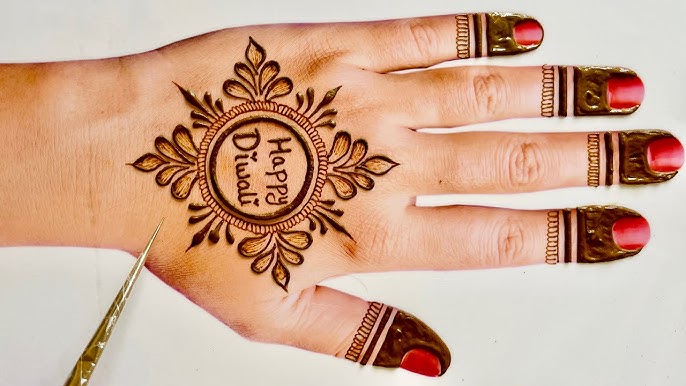
- Swastik Symbol: The sacred swastik representing good fortune and prosperity — place in the palm center surrounded by minimal decorative borders.
Kids Diwali Mehndi Design
- Simple Diya Kids Design: One cute diya lamp in the palm center with small flame details and surrounding dots — complete in just 5 to 10 minutes.
- Tiny Lotus Flower: Small lotus flowers with simple rounded petals — children recognize it as the “special Lakshmi flower” from festival stories.
- Star and Dot Festival Pattern: Simple stars representing Diwali lights combined with decorative dot arrangements — apply extremely quickly.
- Firework Burst Design: Simple radiating lines and dots representing Diwali fireworks — connects to children’s favorite festival experiences.
Step by Step Diwali Mehndi Design Tutorial
- Step 1: Select your primary symbol — diya lamp, lotus flower, Goddess Lakshmi motif, peacock, or rangoli pattern — based on personal spiritual connection.
- Step 2: Use only fresh natural henna from verified suppliers. Prepare lemon-sugar solution and natural oils for aftercare.
- Step 3: Remove all moisturizer, lotion, and oil from hands completely before application.
- Step 4: Start with your primary sacred symbol positioned precisely in the palm or back hand center — complete this focal element entirely before adding surrounding patterns.
- Step 5: Extend complementary Diwali elements from your central focus — small diyas, decorative dots, leafy vines, and sacred geometric patterns.
- Step 6: Allow the mehndi to dry completely without touching — keep hands elevated for 8 to 10 hours minimum, preferably overnight.
Aftercare for Darkest Diwali Mehndi Color
- Keep henna paste on for 8 to 10 hours minimum — overnight contact produces the darkest most vibrant color.
- Apply lemon juice and sugar solution gently on drying paste multiple times throughout drying.
- Avoid all water contact for complete 24 hours after removing dried paste.
- Apply natural oil — coconut, mustard, or olive — twice daily throughout the complete festival week.
- Apply 1 to 2 days before the main celebration for peak color during Lakshmi puja.
FAQs
What is the significance of applying mehndi during Diwali?
Applying Diwali mehndi is an auspicious act inviting Goddess Lakshmi’s blessings of prosperity and abundance. Traditional belief holds that darker mehndi color indicates stronger divine blessings and material prosperity for the coming year.
Which Diwali mehndi symbols are most auspicious?
The most auspicious symbols include diya lamps (light conquering darkness), lotus flowers (Goddess Lakshmi’s seat), peacock feathers (divine grace), swastik symbols (good fortune), and direct Goddess Lakshmi depictions.
When should I apply Diwali mehndi for best color?
Apply 1 to 2 days before the main celebration — henna stains reach peak darkness at 24 to 48 hours after paste removal, ensuring your designs look magnificent during Lakshmi puja.
How long does Diwali mehndi design color last?
Diwali mehndi typically lasts 2 to 3 weeks with proper aftercare. Color peaks at 24 to 48 hours after paste removal, remains vibrant throughout the complete five-day Diwali celebration period, then gradually fades naturally.
Should kids apply Diwali mehndi?
Yes! Always use 100% natural chemical-free henna on children’s sensitive skin, keep designs simple and quick-applying, and perform a patch test 24 hours before full application ensuring complete safety.