
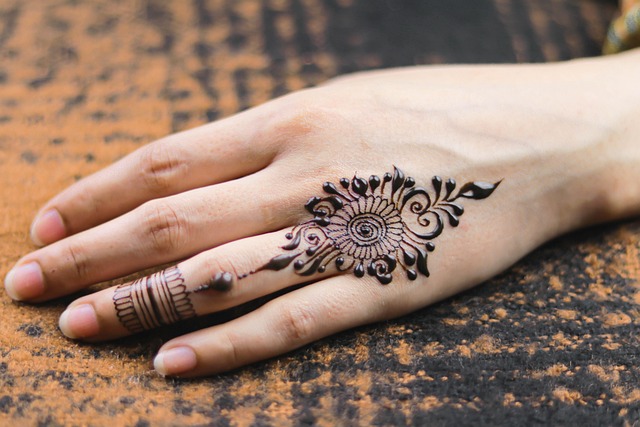
Introduction
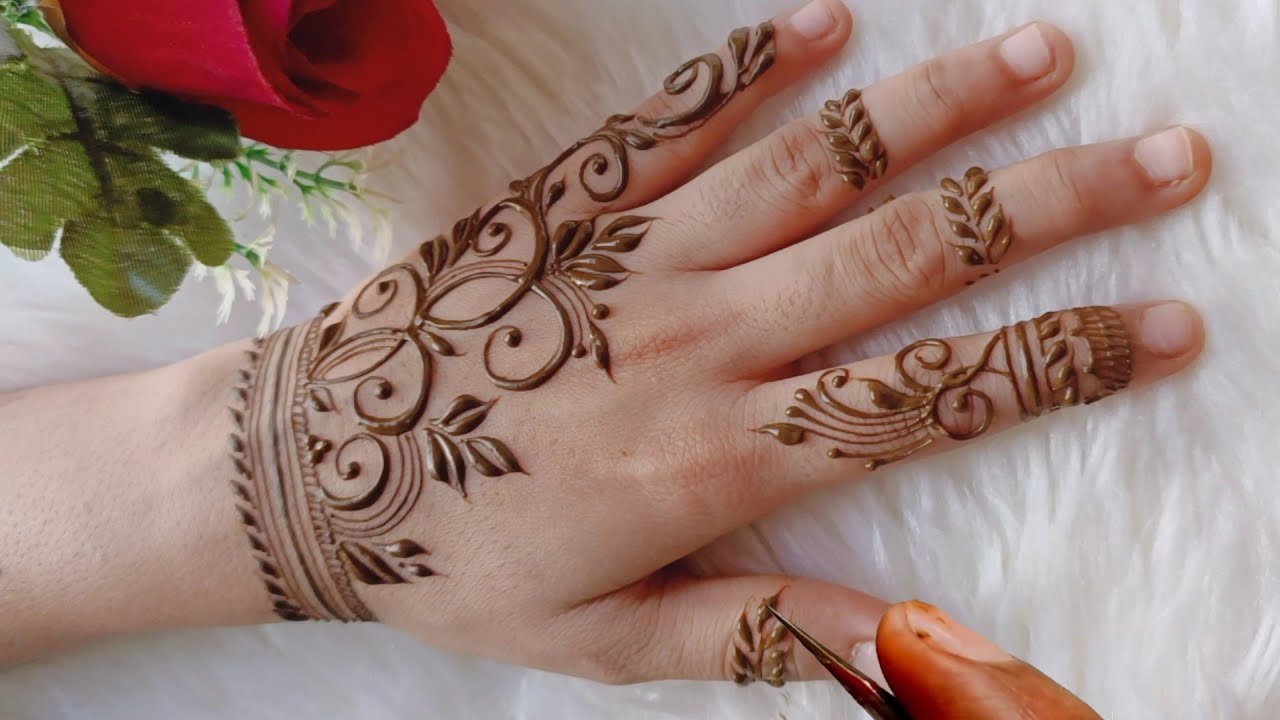
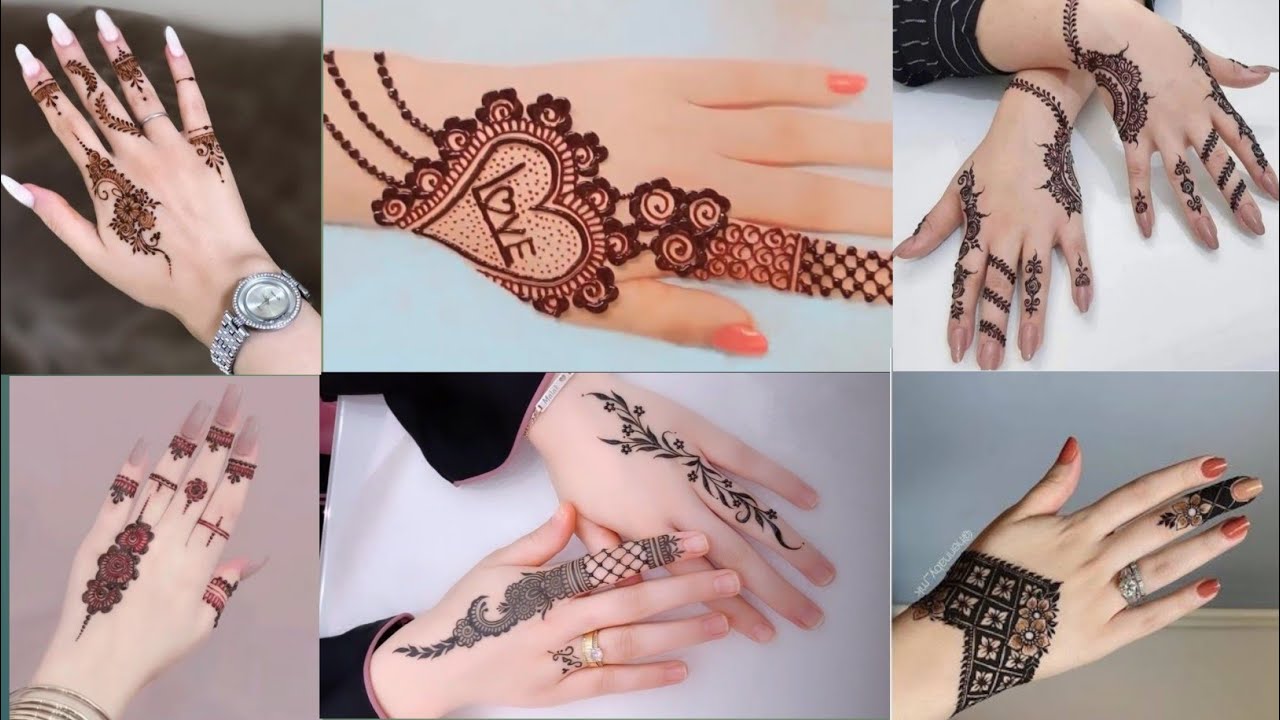
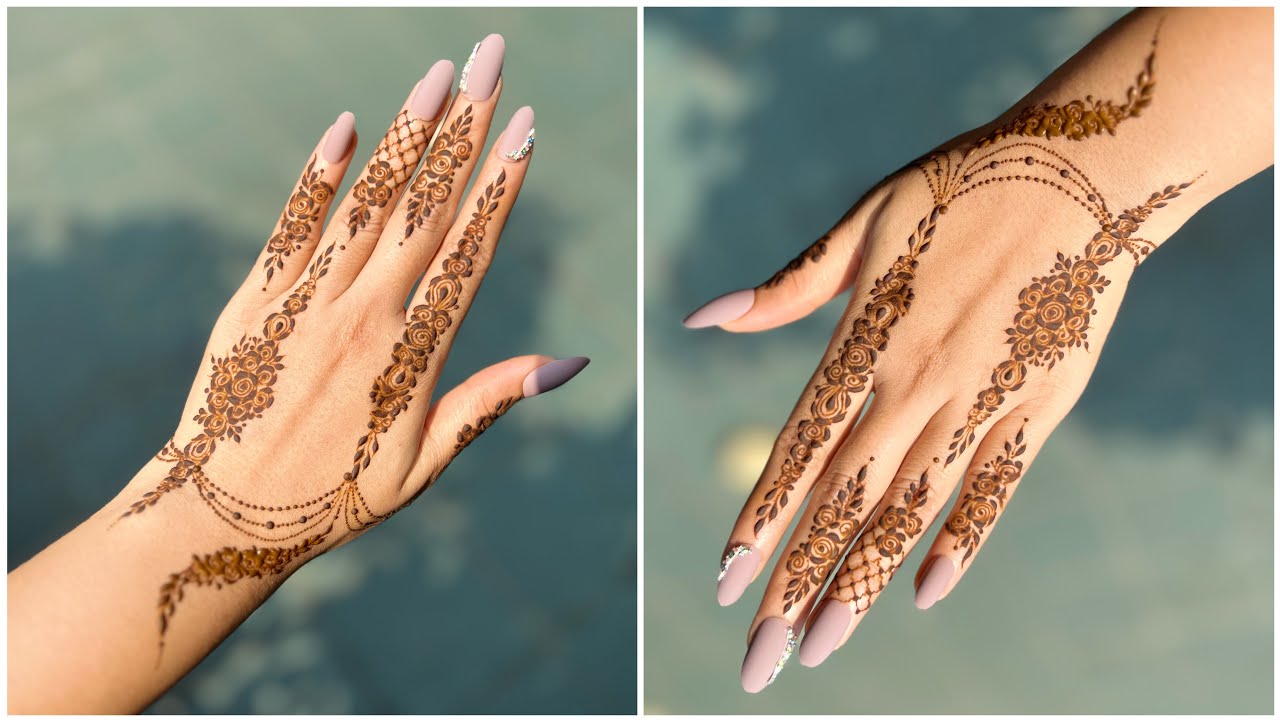
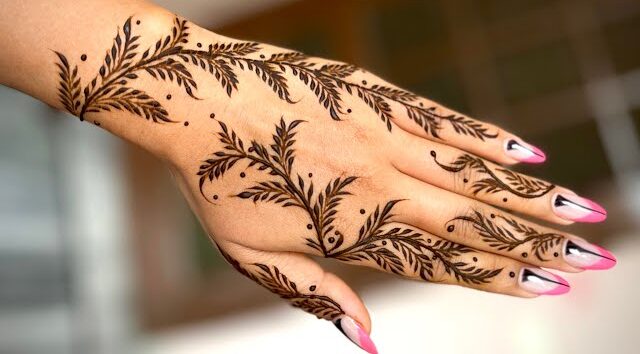
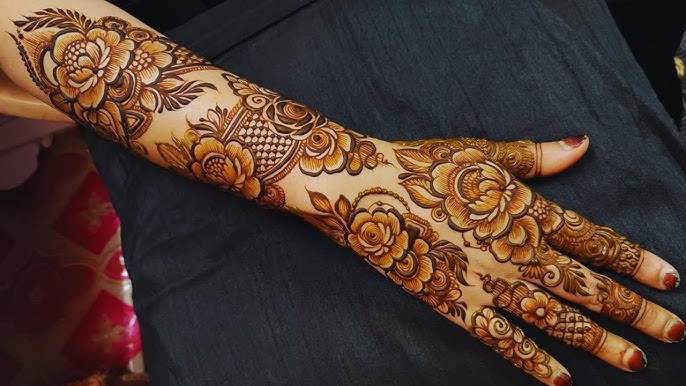
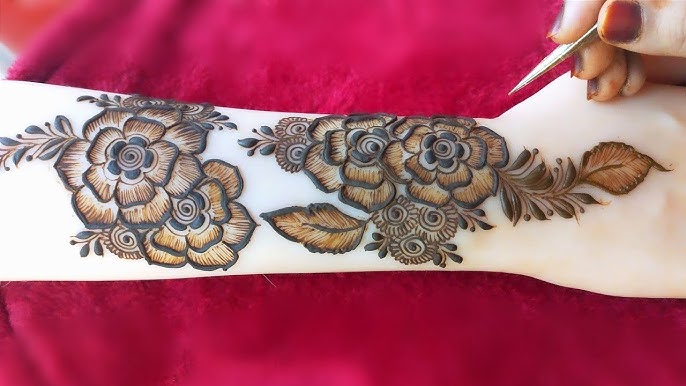
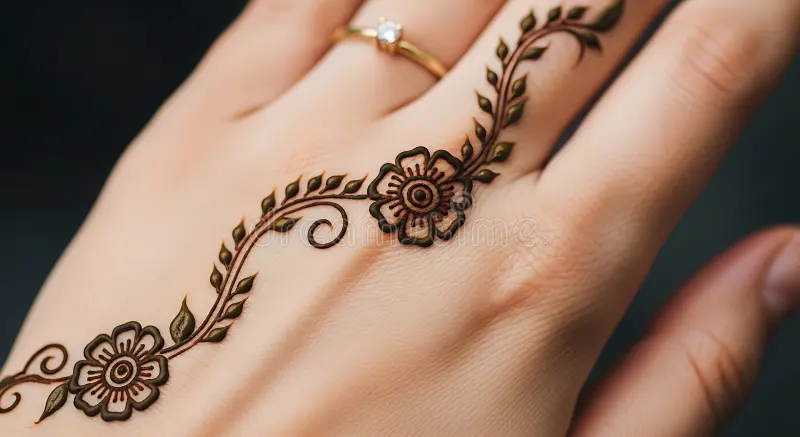
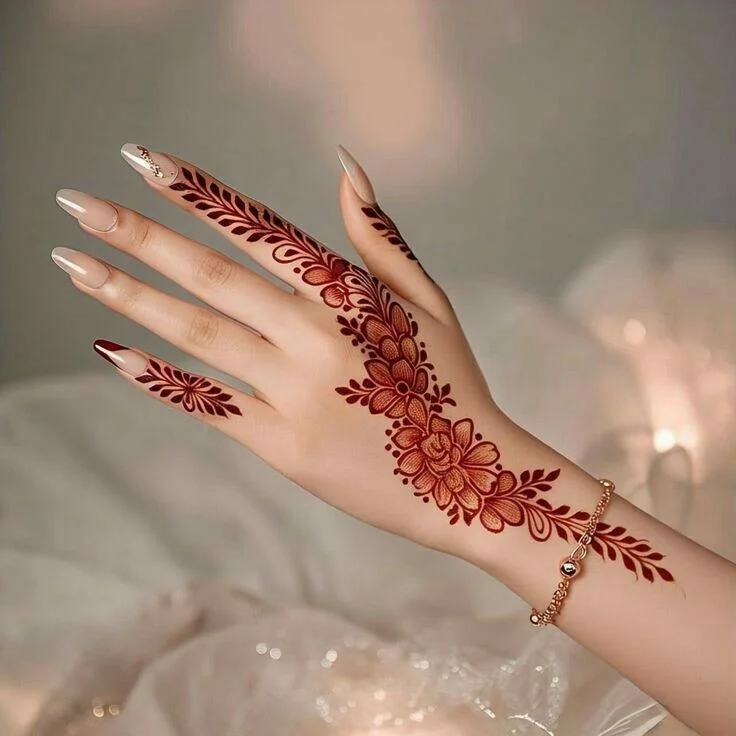
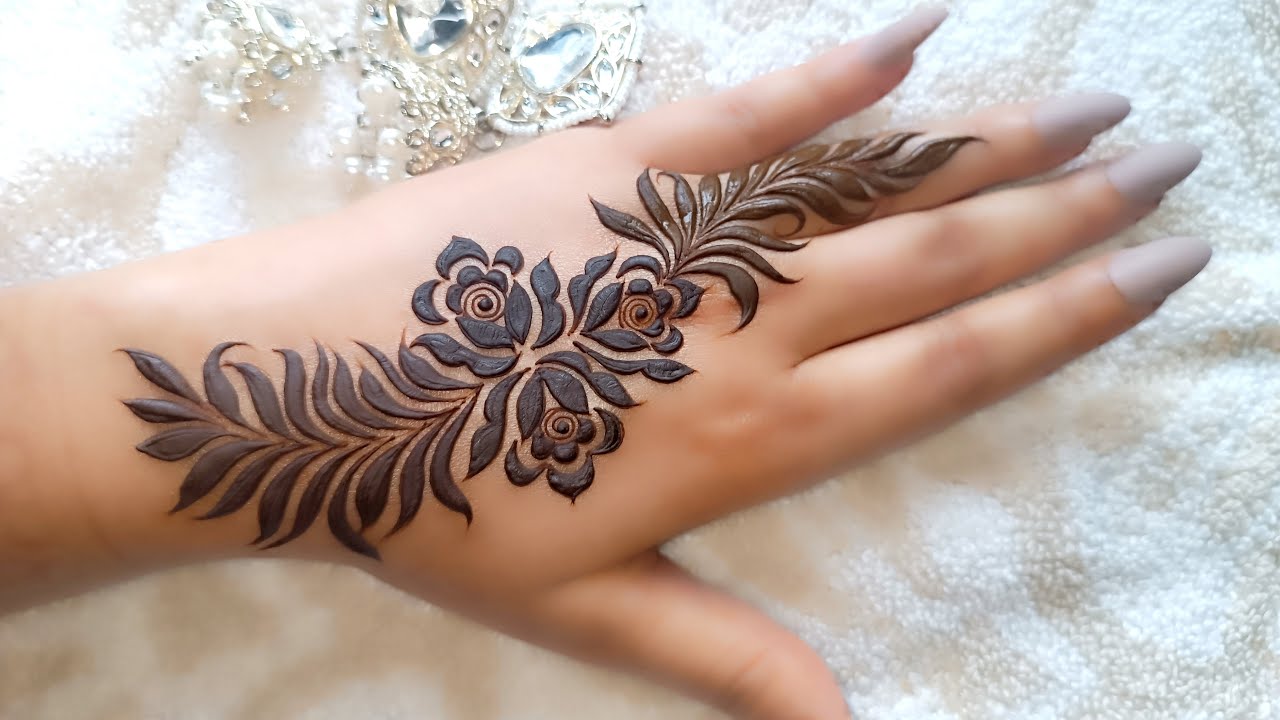
Vine mehndi design captures nature’s organic flowing beauty through graceful botanical trails creating elegant patterns mirroring natural plant growth across skin.
This timeless approach honors mehndi’s deep botanical roots henna itself being plant-derived creating authentic nature-inspired artistry celebrating the profound connection between botanical elements and traditional body decoration throughout cultural history.
The enduring appeal of vine mehndi design lies in its inherent graceful movement flowing curves and organic growth patterns create visual journey across hands guiding eye naturally from origin point through elegant botanical trails.
Unlike static geometric patterns or isolated floral elements, vines possess natural directional flow reflecting actual plant behavior creating authentic living-art aesthetic impossible achieving through abstract design elements.
Understanding Vine Mehndi Philosophy
Vine mehndi design represents more than simplified linear patterns it embodies nature’s fundamental growth principles where single stem branches outward creating complex organic networks.
This botanical accuracy resonates deeply with nature-conscious contemporary celebrants valuing authentic natural connections rather than abstract geometric artifice.
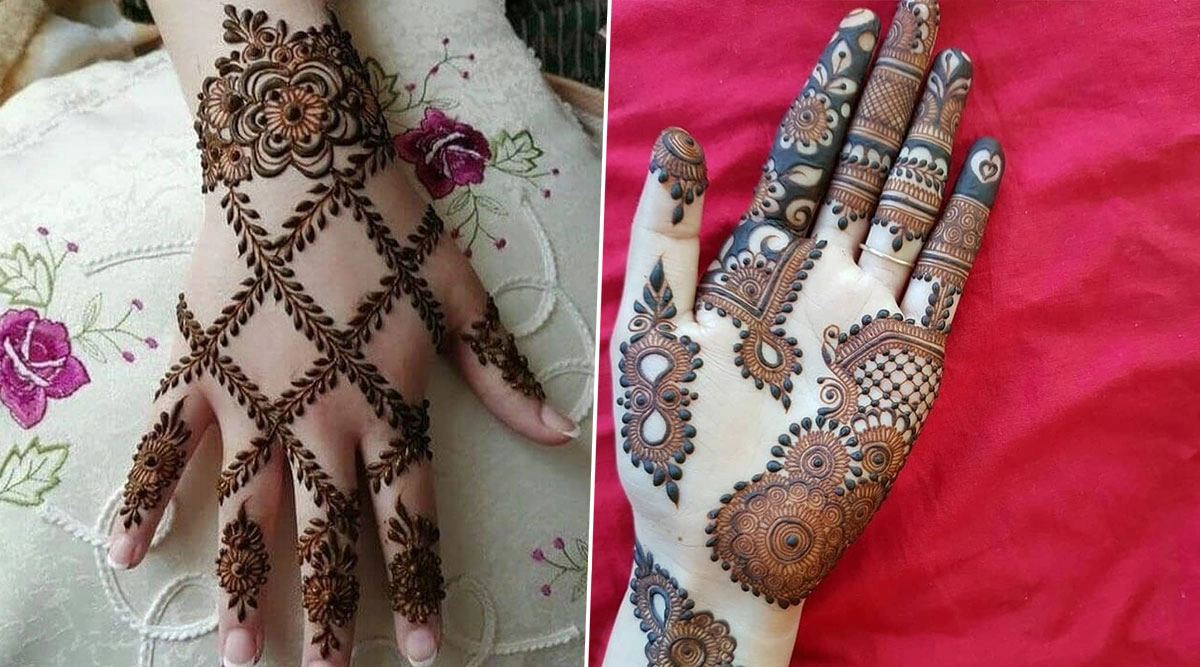
Traditional mehndi frequently incorporated vine elements as connecting structures between elaborate motifs the backbone linking dense patterns together cohesively.
Contemporary vine mehndi design elevates these connecting elements into primary focus celebrating the vine itself rather than merely using it as structural support for other decorative elements.
Instagram and Pinterest aesthetics heavily favor vine mehndi design because clean flowing lines photograph magnificently creating shareable minimalist botanical content.
The organic natural movement appeals to followers drawn toward nature-inspired lifestyle aesthetics dominating contemporary social media environments globally.
Professional botanical illustrators recognize vine mehndi design paralleling actual botanical art principles accurate leaf placement, natural branch angles, and realistic growth patterns create scientifically-grounded beauty rather than fantasy florals. This authenticity appeals to educated contemporary audiences appreciating accurate botanical representation.
Simple Single Vine Trails
Vine mehndi design emphasizing one elegant flowing line creating maximum impact through minimal elements.
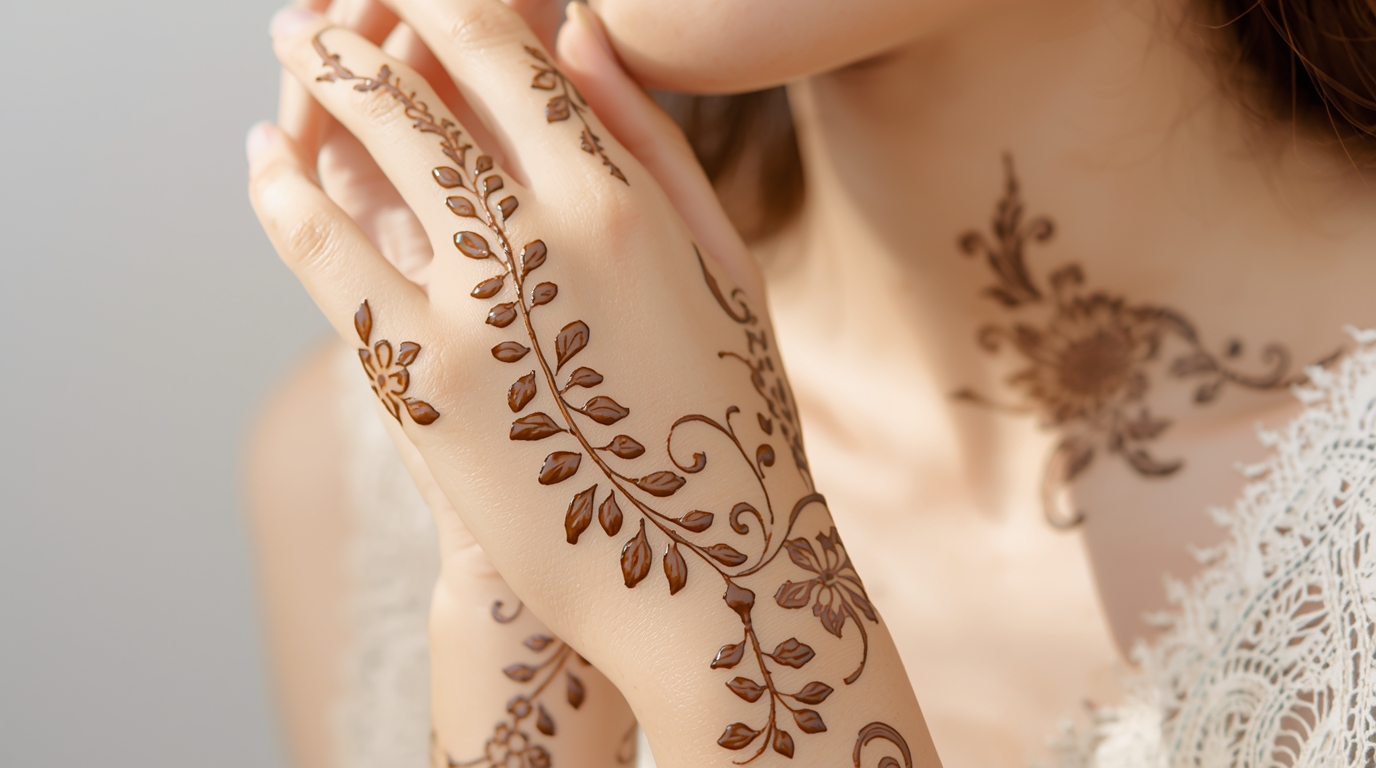
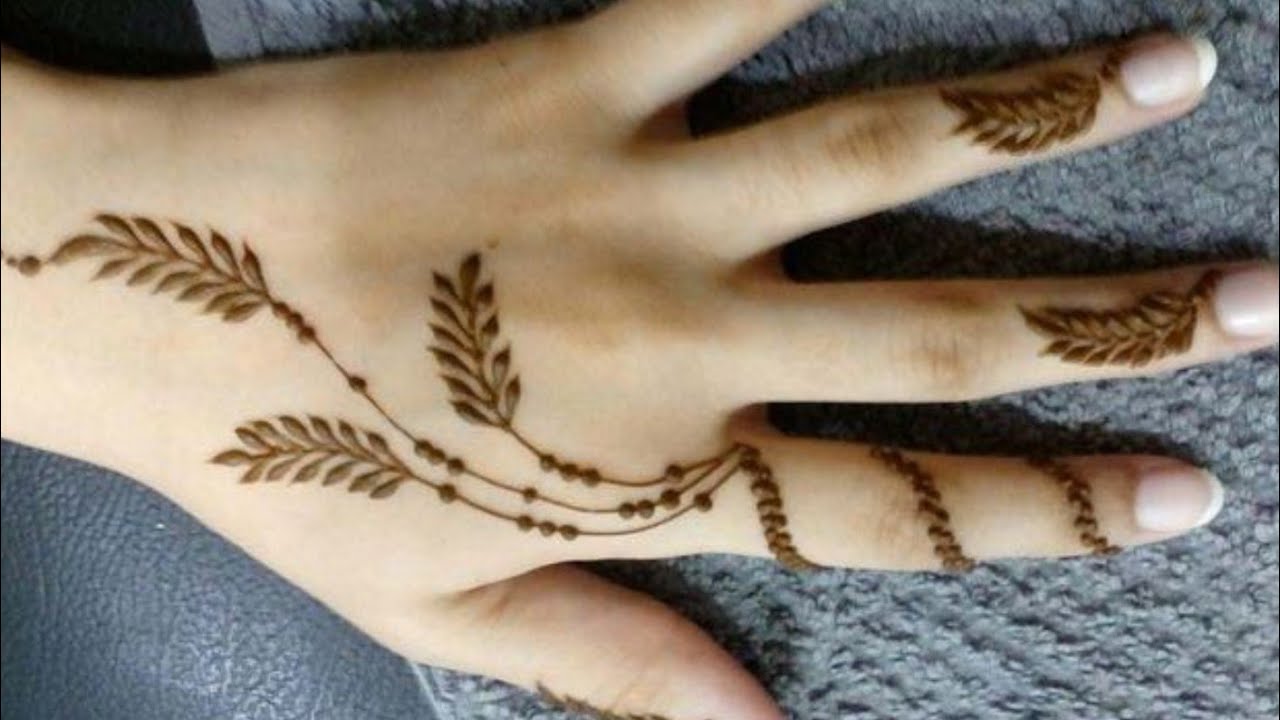
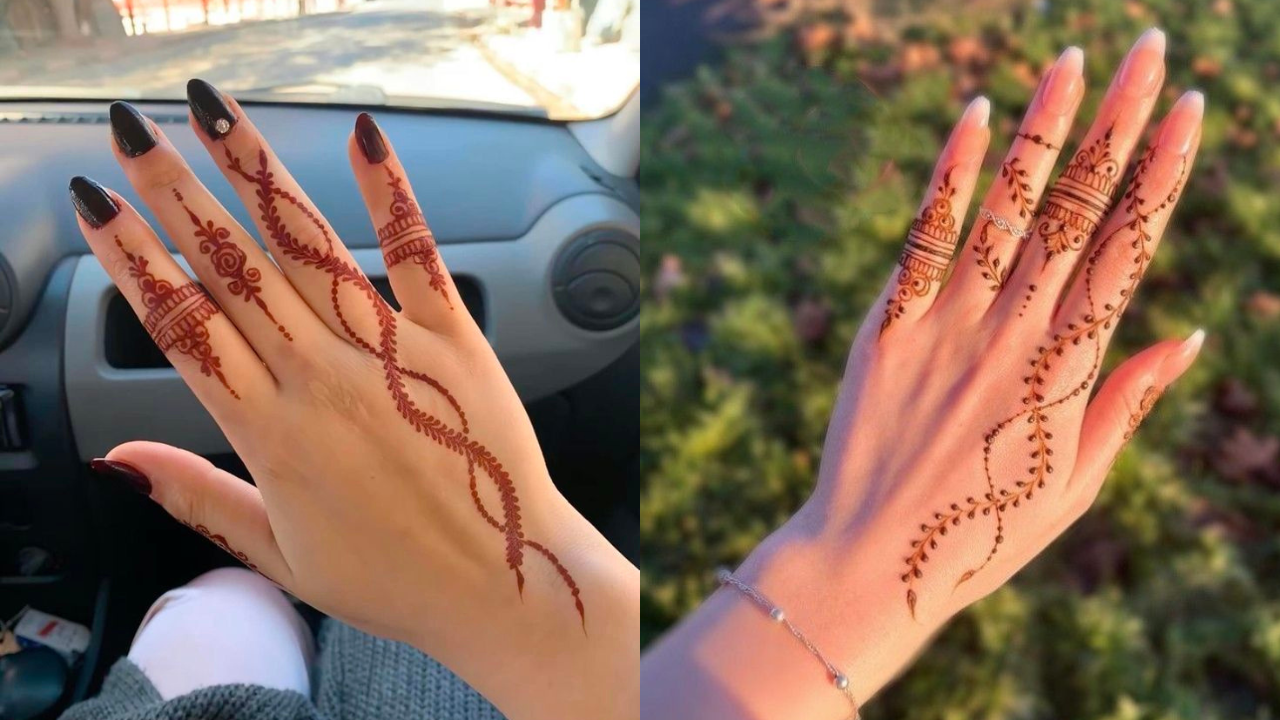
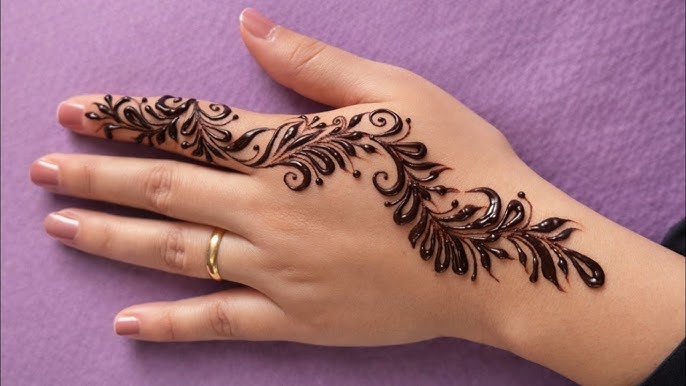
Wrist to Finger Vine: Single graceful vine flowing from wrist along hand toward finger creates classic vine mehndi design. This foundational pattern demonstrates vine artistry’s essential beauty one perfect flowing line delivering complete aesthetic satisfaction. Vary thickness along vine length creating dimensional interest.
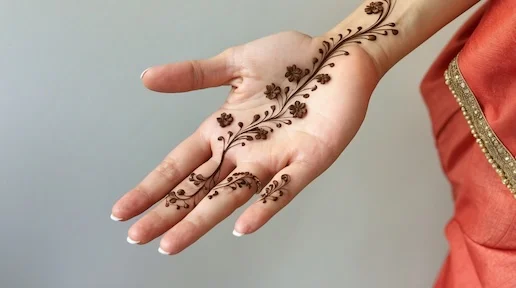
Palm Diagonal Trail: Vine flowing diagonally across palm from thumb base toward pinky finger creates asymmetric contemporary vine mehndi design. This unconventional direction breaks traditional symmetry expectations appealing to modern artistic sensibilities.
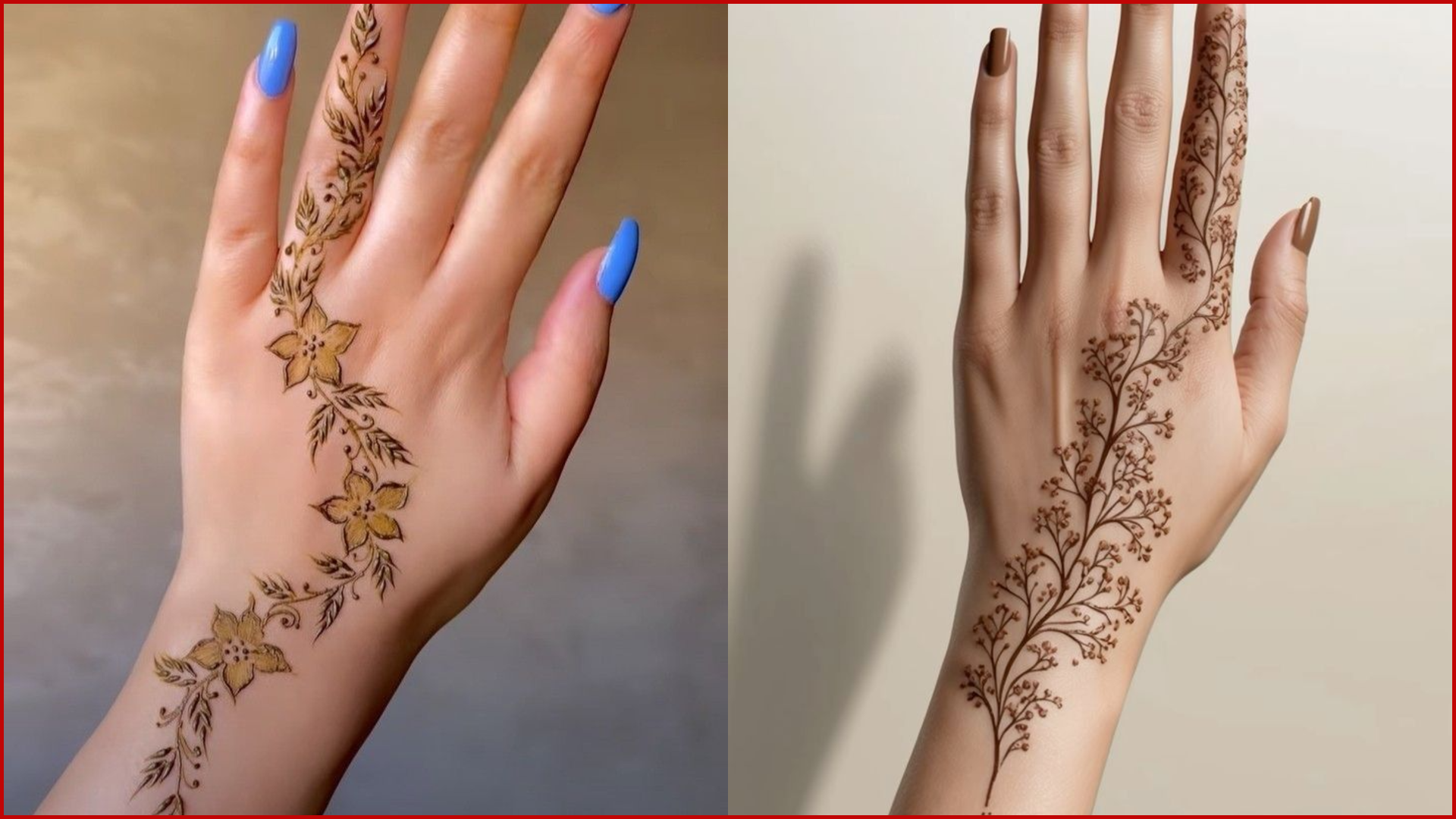
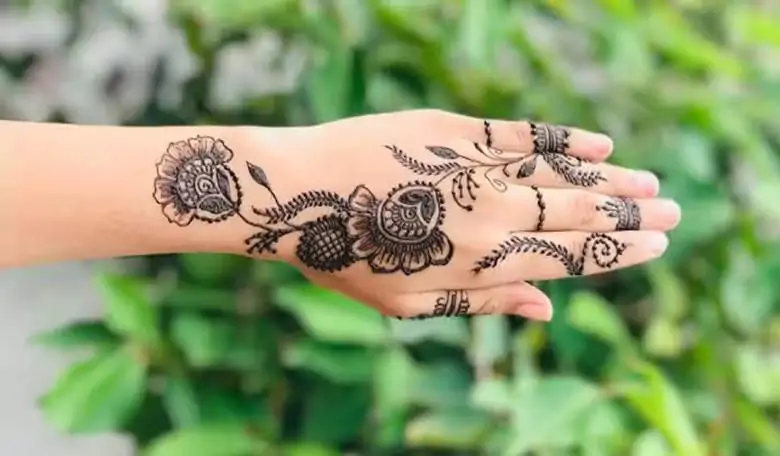
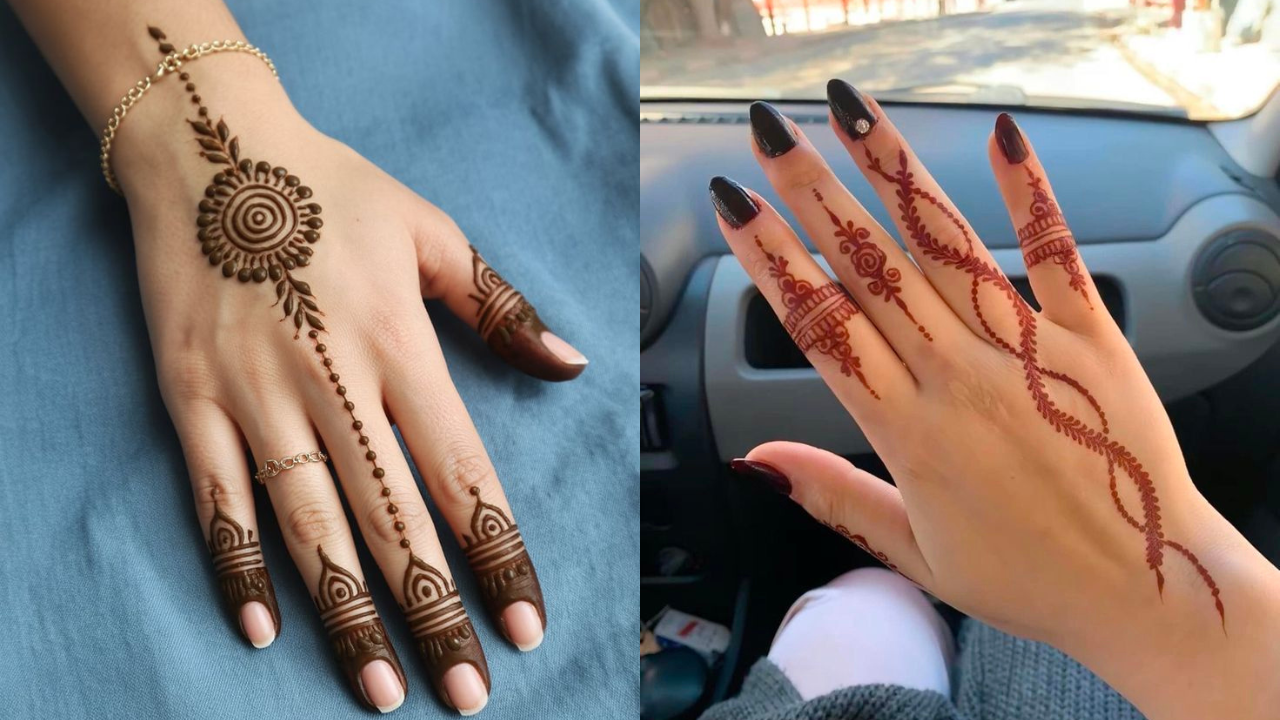
Back Hand S-Curve: Elegant S-shaped vine flowing across back hand creates serpentine vine mehndi design. This graceful double curve mimics natural plant behavior where vines seek optimal light exposure through meandering growth patterns.
Finger Solo Vine: Single delicate vine running along one finger exclusively creates minimal vine mehndi design. This restrained placement demonstrates confident artistic maturity trusting simple elements delivering beauty.
Leafy Vine Patterns
Vine mehndi design featuring botanical leaf elements creating natural foliage beauty.
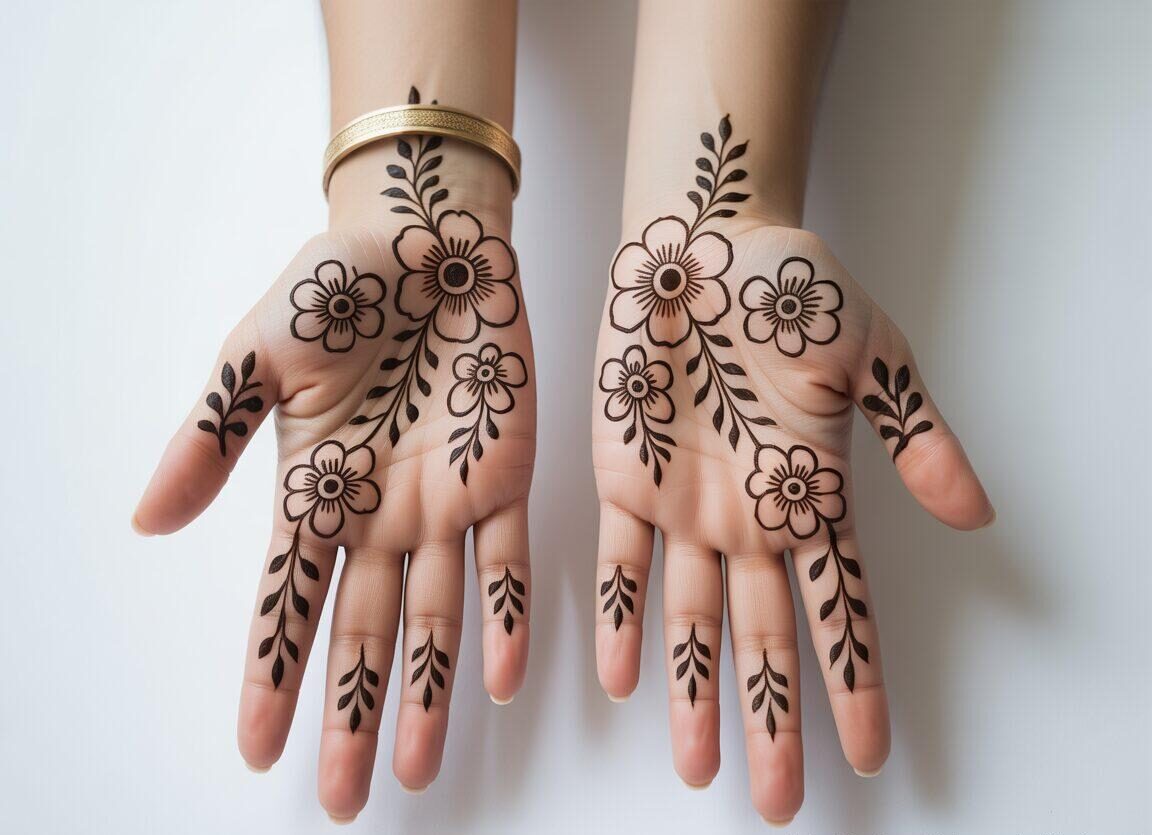
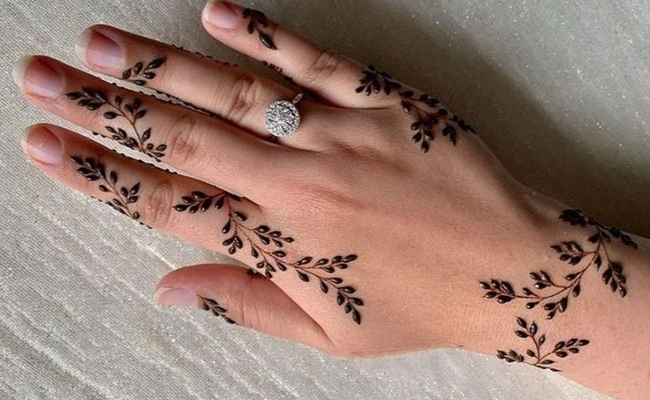
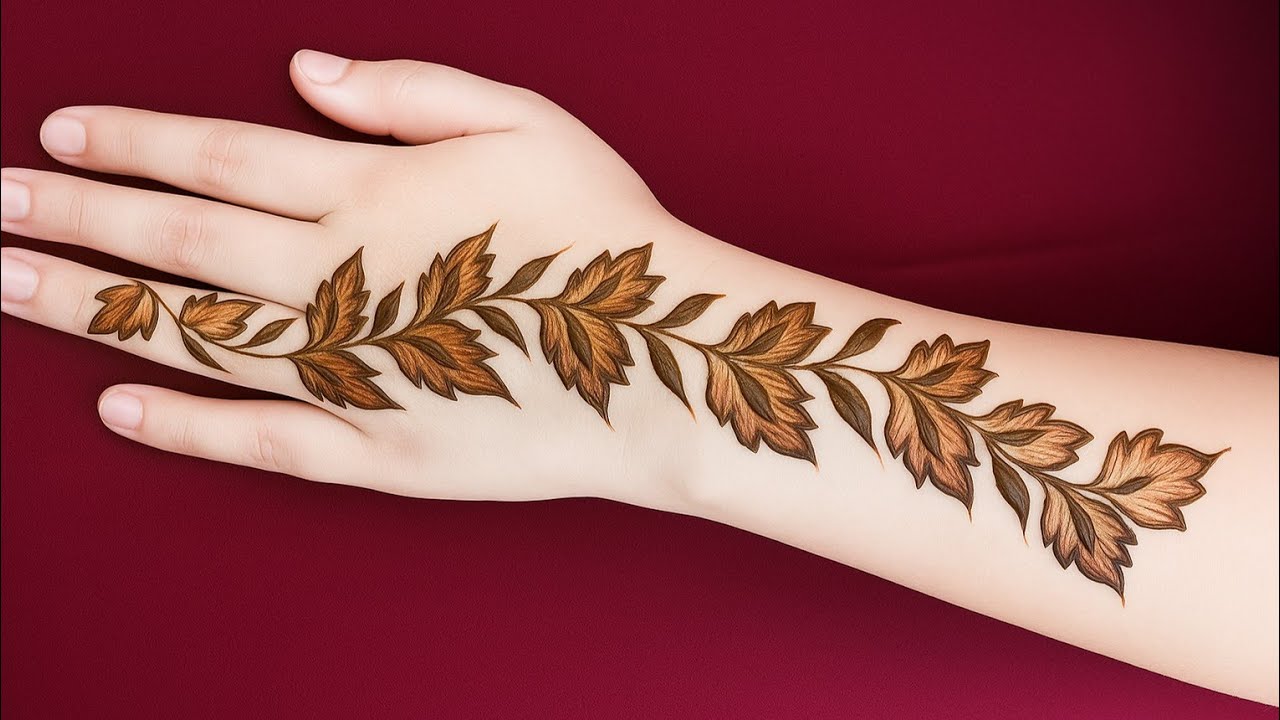
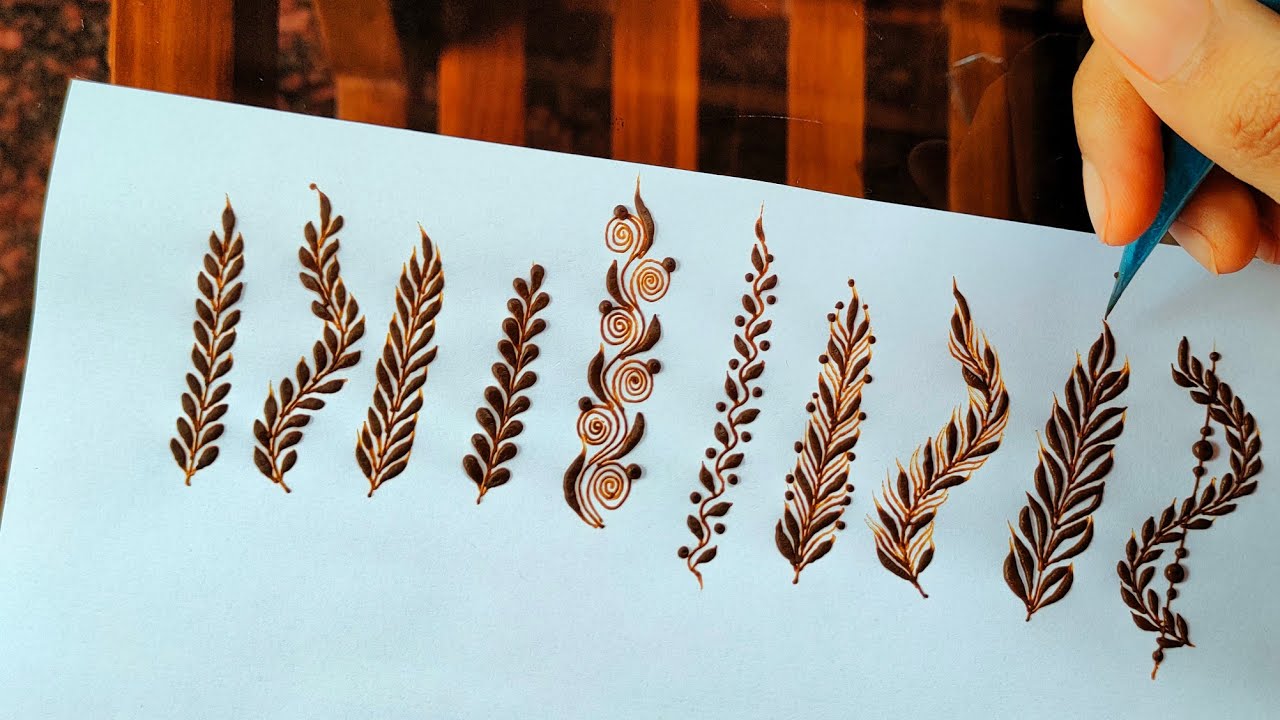
Alternating Leaf Vine: Vine with leaves positioned alternately on opposite sides creates balanced vine mehndi design. This botanically-accurate leaf arrangement mimics actual plant growth patterns where leaves alternate positions optimizing sunlight capture naturally.
Clustered Leaf Bunches: Vine with leaves grouped in small clusters rather than individual placement creates abundant vine mehndi design. These botanical groupings suggest flowering points where leaves emerge densely before spacing outward along stem.
Pointed Leaf Trail: Vine featuring sharply-pointed leaves creates dramatic vine mehndi design. These angular botanical elements contrast beautifully against flowing curved vine creating visual tension and interest.
Rounded Leaf Elegance: Vine with soft rounded leaves creates gentle vine mehndi design. These organic curves maintain consistent softness throughout entire pattern producing harmonious botanical aesthetic.
Wrist Vine Bracelets
Vine mehndi design encircling wrist creating natural jewelry-inspired elegance.
Circling Single Vine: One continuous vine wrapping completely around wrist creates simple bracelet vine mehndi design. This flowing circular movement suggests eternal natural cycles seasons, growth, renewal imbuing simple pattern with deeper meaning.
Double Vine Bangle: Two parallel vines circling wrist creates layered vine mehndi design. This doubled botanical element suggests vine intertwining natural behavior where climbing plants wrap around supports creating strength through unity.
Asymmetric Wrist Vine: Vine wrapping three-quarters around wrist leaving intentional gap creates modern vine mehndi design. This incomplete circle demonstrates contemporary restraint breaking traditional complete-coverage expectations.
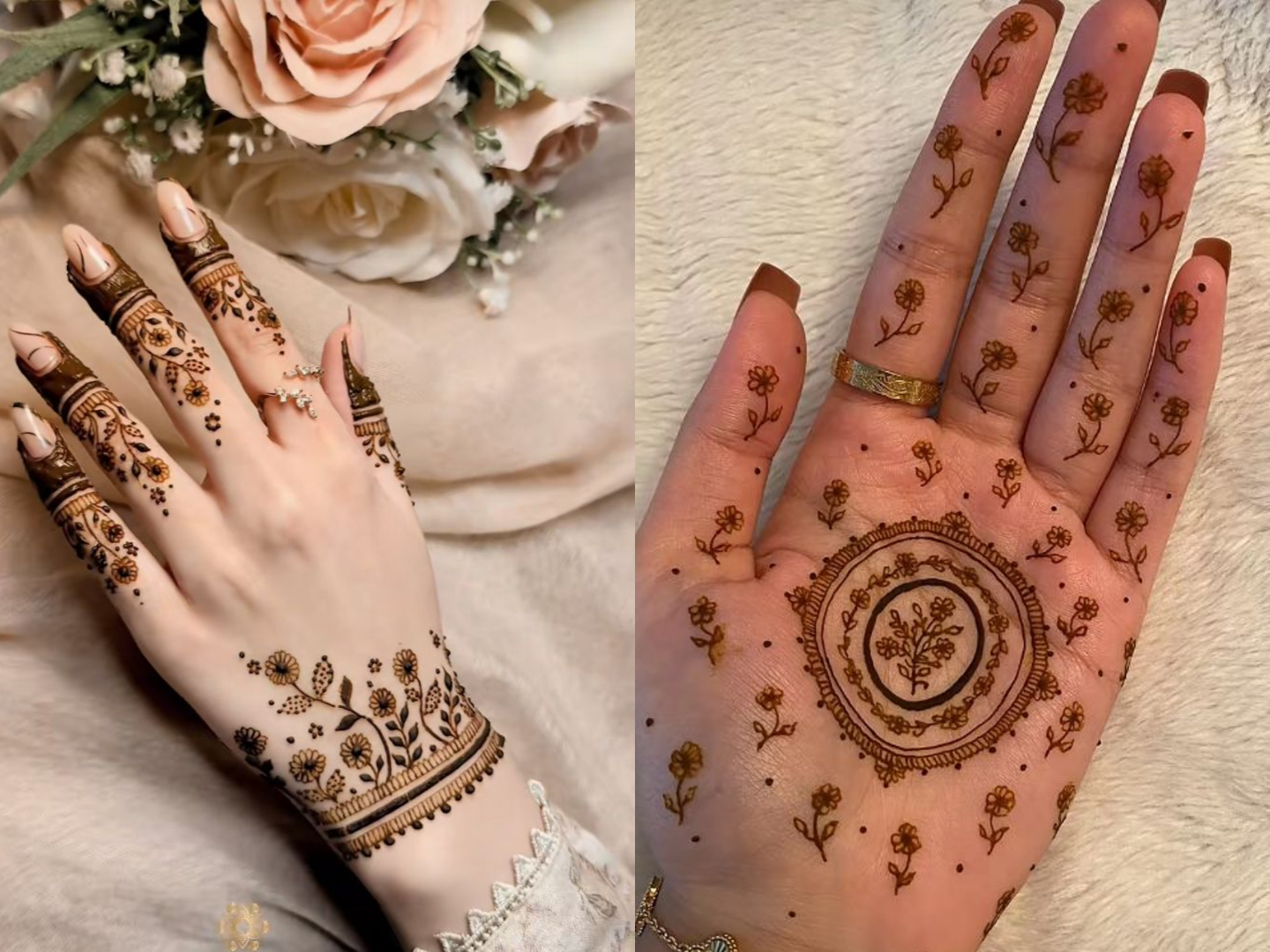
Flowering Wrist Vine: Circling vine with occasional small flowers creates blooming vine mehndi design. These botanical blooms suggest spring awakening where dormant vines burst forth with new flowering energy.
Finger Vine Designs
Vine mehndi design applied exclusively to fingers creating delicate botanical details.
Climbing Finger Vine: Vine starting at finger base climbing toward tip creates vertical vine mehndi design. This upward growth mimics actual vine behavior seeking higher support structures demonstrating botanical authenticity.
Wrapped Finger Trail: Vine spiraling around finger creates three-dimensional vine mehndi design. This helical movement suggests vine tendrils wrapping around cylindrical supports naturally-occurring behavior creating organic beauty.
Multi-Finger Connecting: Single vine flowing across multiple fingers creates interconnected vine mehndi design. This botanical network suggests how actual vines spread across available surfaces creating natural coverage patterns.
Fingertip Vine Accent: Small vine segments decorating fingertips exclusively creates minimal vine mehndi design. This subtle placement maintains professional appropriateness while delivering botanical cultural expression.
Botanical Branch Patterns
Vine mehndi design emphasizing branching structure creating tree-like elegance.
Main Stem Branching: Central vine with smaller branches extending outward creates structural vine mehndi design. This botanical architecture mimics actual plant growth where primary stem supports secondary growth creating natural hierarchy.
Y-Branch Design: Vine splitting into two equal branches creates symmetrical vine mehndi design. This forking pattern occurs naturally where vines encounter obstacles requiring directional decision creating organic bifurcation.
Cascading Branch Trail: Main vine with downward-pointing branches creates flowing vine mehndi design. This weeping pattern suggests willow or wisteria aesthetics romantic drooping botanical beauty.
Upward Reaching Branches: Vine with upward-angling branches creates aspirational vine mehndi design. This skyward growth suggests positive energy and upward movement botanical behavior seeking light and advancement.
Flowering Vine Designs
Vine mehndi design incorporating blooming elements creating springtime beauty.
Scattered Bloom Vine: Vine with occasional flowers positioned randomly creates organic vine mehndi design. This unpredictable flowering mimics natural patterns where blooms appear based on environmental conditions rather than symmetrical planning.
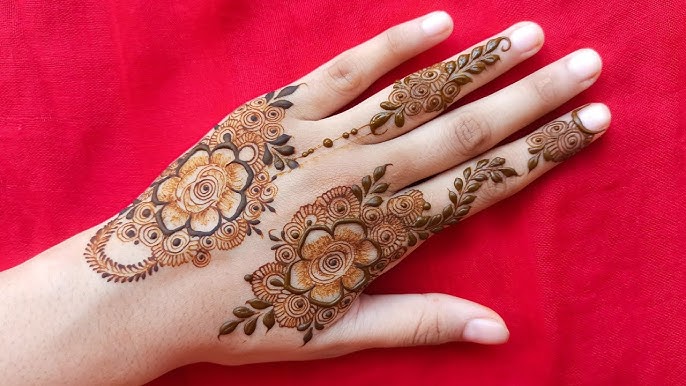
Terminal Flower Vine: Vine ending in large flower creates focal vine mehndi design. This botanical accuracy reflects how vines often produce terminal flowers blooms positioned at growing tip rather than along stem.
Bud to Bloom Trail: Vine showing progressive flower development from closed buds to full blooms creates storytelling vine mehndi design. This botanical journey suggests time passage and natural development cycles.
Flower Cluster Vine: Vine with flowers grouped in dense clusters creates abundant vine mehndi design. These botanical groupings mimic flowering patterns in plants like lilac or wisteria where blooms appear in showy clusters.
Minimalist Vine Elegance
Vine mehndi design using extreme simplicity creating sophisticated restraint.
Thin Line Vine Only: Ultra-delicate single line without leaves or flowers creates purest vine mehndi design. This extreme minimalism demonstrates confident artistic maturity trusting simple flowing line delivering complete beauty.
Dotted Vine Trail: Vine suggested through strategically-placed dots rather than continuous line creates abstract vine mehndi design. This interpretive approach maintains botanical essence while embracing contemporary minimalist aesthetics.
Negative Space Vine: Vine created through surrounding pattern rather than direct application creates inverse vine mehndi design. This sophisticated technique demonstrates advanced artistic thinking where emptiness creates form.
Micro Vine Detail: Extremely small vine requiring close examination creates intimate vine mehndi design. This subtle approach suits conservative professional environments while maintaining cultural tradition connection.
Traditional Vine Interpretations
Vine mehndi design honoring cultural heritage through classic botanical motifs.
Paisley Vine Fusion: Traditional paisley shapes connected by flowing vine creates cultural vine mehndi design. This fusion respects heritage motifs while embracing contemporary flowing aesthetics beautifully.
Mandala Center Vine: Traditional mandala with vines radiating outward creates hybrid vine mehndi design. This combination honors circular traditional patterns while incorporating flowing botanical elements.
Arabic Vine Bold: Thick confident vine in Arabic mehndi style creates dramatic vine mehndi design. Bold lines and generous negative space create signature Arabic sophistication through botanical elements.
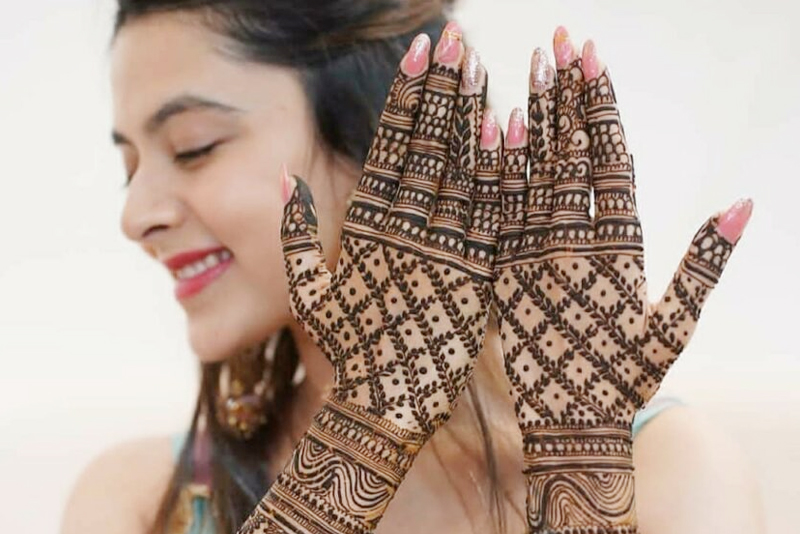
Indian Detailed Vine: Intricate detailed vine with complex leaf work creates elaborate vine mehndi design. This meticulous approach honors traditional Indian mehndi’s detail-oriented aesthetic through botanical lens.
Step By Step Vine Application
Complete tutorial creating beautiful vine mehndi design systematically.
Step 1 – Plan Flow Direction: Visualize vine’s natural path before beginning ensuring graceful organic movement. Planning prevents awkward changes mid-design maintaining flowing beauty throughout.
Step 2 – Start Base Point: Begin vine at strategic location wrist, palm corner, finger base establishing origin point. Solid confident start ensures entire vine flows naturally from firm foundation.
Step 3 – Create Flowing Curve: Draw main vine using smooth continuous motion maintaining gentle organic curves. Avoid rigid straight lines or sharp angles contradicting natural plant behavior.
Step 4 – Add Leaf Elements: Position leaves along vine using alternating pattern or botanical accuracy. Strategic spacing prevents overcrowding while maintaining lush botanical appearance.
Step 5 – Refine Details: Add small finishing touches — leaf veins, small dots, delicate tendrils — completing vine mehndi design. These subtle refinements elevate simple pattern to sophisticated botanical art.
Common Vine Mistakes
Avoiding predictable errors ensuring successful vine mehndi design execution.
Mistake #1: Rigid Straight Vines Problem: Unnaturally straight vines lacking organic flow Solution: Introduce gentle curves mimicking natural growth
Mistake #2: Random Leaf Placement Problem: Leaves positioned arbitrarily appearing unnatural Solution: Follow alternating pattern or botanical accuracy
Mistake #3: Inconsistent Vine Thickness Problem: Varying line width appearing uncontrolled Solution: Practice steady pressure maintaining consistency
Mistake #4: Overcrowded Leaves Problem: Too many leaves overwhelming vine beauty Solution: Strategic spacing allowing vine itself remaining visible
Conclusion
Vine mehndi design in 2026 celebrates nature’s organic flowing beauty through graceful botanical patterns honoring authentic plant growth while creating contemporary minimalist elegance. This timeless approach connects modern celebrants with natural botanical heritage underlying all mehndi traditions the profound relationship between plants and human artistic decoration spanning millennia.
The wisdom of vine philosophy lies in understanding that genuine beauty emerges from natural organic flow rather than forced geometric precision or excessive elaborate ornamentation. When mehndi honors botanical authenticity, it transforms from mere decoration into living natural art celebrating earth’s elegant plant kingdom.
Explore all 55+ vine mehndi designs now and embrace 2026’s most naturally beautiful botanical henna trend celebrating flowing organic elegance mirroring nature’s perfect growth patterns! 🌿✨
FAQS
Q: What is vine mehndi design?
A: Vine mehndi design uses flowing botanical vine patterns with leaves and branches creating nature-inspired henna art. These organic flowing designs mimic actual plant growth patterns delivering authentic botanical beauty.
Q: Are vine designs good for beginners?
A: Yes! Vine mehndi design perfect for beginners because flowing lines easier than complex motifs. Simple continuous movement requires less technical skill than intricate pattern work while producing beautiful results.
Q: How long does vine mehndi take?
A: Vine mehndi design applies quickly simple patterns take 10-15 minutes, moderate designs require 20-30 minutes depending on complexity and coverage chosen. Faster than dense traditional patterns.
Q: Can I combine vines with other elements?
A: Absolutely! Vine mehndi design combines beautifully with flowers, paisleys, geometric shapes, or traditional motifs. Vines often serve as elegant connecting elements between different design components.
Q: Do vine designs look too simple?
A: No! When executed with graceful flowing movement and strategic leaf placement, vine mehndi design appears sophisticated and elegant rather than overly simple. Natural botanical beauty possesses inherent aesthetic power.
Q: Which occasions suit vine designs?
A: Vine mehndi design suits all occasions weddings, festivals, professional events, daily wear. The natural botanical aesthetic works universally while allowing occasion-specific adaptation through pattern complexity variation.
Q: How do I make vines look natural?
A: Create natural-looking vines through gentle irregular curves, botanically-accurate leaf placement, varied thickness along vine length, and organic rather than geometric branching patterns mimicking actual plant growth.
Q: Can vines work for bridal mehndi?
A: Yes! Contemporary brides increasingly choose flowing vine designs demonstrating sophisticated botanical elegance. Delicate vines coordinate beautifully with modern minimalist wedding aesthetics while honoring cultural tradition.
Q: What’s easiest vine pattern for first attempt?
A: Simple wrist-circling vine with alternating leaves represents easiest beginner vine mehndi design. This foundational pattern teaches flowing movement and leaf placement while producing satisfying complete result.
Q: Does vine mehndi stain darker?
A: Vine mehndi design stains normally with proper aftercare. Clean simple lines sometimes allow slightly darker development because complete oxidation occurs without surrounding pattern interference creating beautiful contrast.