








Introduction
Festival mehndi design brings joy, tradition, and cultural celebration to life through beautiful henna patterns that mark special occasions throughout the year.
From the glowing diyas of Diwali to the crescent moons of Eid, from the devotional rituals of Karwa Chauth to the monsoon festivities of Teej, festival mehndi connects us to heritage while creating cherished memories with loved ones.
Whether you are celebrating religious festivals, seasonal gatherings, or cultural events, this comprehensive guide presents over 250 festival mehndi design patterns suitable for every occasion and skill level.
Discover designs specific to each festival, learn application techniques, and explore creative ideas that honor tradition while embracing contemporary style in 2026.
Why Festival Mehndi Design is Essential for Celebrations
Festival mehndi design holds deep cultural and spiritual significance across South Asian traditions. Applying henna during festivals represents purification, blessing, and the marking of sacred time that transforms ordinary days into extraordinary celebrations filled with divine energy.
The practice connects generations through shared rituals where mothers, daughters, sisters, and friends gather to beautify each other’s hands while sharing stories, songs, and laughter.
These mehndi sessions become bonding experiences as meaningful as the designs themselves, creating family memories that last far longer than the henna stains. Beyond tradition, festival mehndi design enhances festive attire and contributes to the complete celebratory look.
The rich color of henna complements traditional clothing, jewelry sparkles more beautifully against decorated hands, and photographs capture the full cultural essence when mehndi adorns celebrants appropriately.
Complete Festival Mehndi Design Guide for All Celebrations
Diwali Mehndi Design Festival of Lights Patterns
Diwali festival mehndi design celebrates the triumph of light over darkness through motifs featuring diyas (oil lamps), lotus flowers, rangoli patterns, and swastik symbols. These auspicious designs radiate positivity and prosperity, perfectly capturing the spirit of India’s most beloved festival.
Traditional Diwali mehndi incorporates hanging lanterns cascading down the fingers, illuminated diyas arranged in palm centers, and decorative patterns inspired by floor rangoli artwork. Modern interpretations add fireworks bursts, goddess Lakshmi symbols, and elaborate mandala designs representing divine light spreading across the universe.
The timing of Diwali mehndi application matters – apply 1-2 days before the main celebration to ensure the deepest color for Lakshmi Puja and family gatherings. The darker your mehndi appears during Diwali, the more blessings you attract, according to traditional beliefs.
Eid Mehndi Design Celebrating Islamic Festivals
Eid festival mehndi design features crescent moons, stars, Arabic calligraphy, and geometric Islamic patterns that honor the sacred occasion. Both Eid ul-Fitr marking the end of Ramadan and Eid ul-Adha celebrating sacrifice inspire beautiful henna artistry across Muslim communities worldwide.
Popular Eid designs showcase large crescent moons in palm centers surrounded by twinkling stars, elegant Arabic script spelling blessings and prayers, and mosque silhouettes creating architectural beauty. Bold floral arrangements in Arabic style complement the spiritual symbols perfectly for festive elegance.
Apply Eid mehndi on Chaand Raat (the night before Eid) when families gather in joyful anticipation. Markets buzz with activity, mehndi artists work through the night, and hands receive beautiful decoration in preparation for morning prayers and celebrations with loved ones.
Karwa Chauth Mehndi Design Marital Devotion Patterns
Karwa Chauth festival mehndi design expresses marital love and devotion through romantic symbols including full moons, portraits of couples, hidden husband names, and kalash (ceremonial pots). Married women applying these designs fast from sunrise to moonrise for their husbands’ long life and prosperity.
Traditional Karwa Chauth mehndi often features the moon prominently since women break their fast only after sighting the moon through a sieve. Artists create elaborate moon scenes showing women in traditional dress performing the ritual, connecting the design directly to festival customs and meaning.
Modern Karwa Chauth designs incorporate personalization with hidden initials of spouses, wedding dates, and romantic symbols that make each pattern uniquely meaningful. Some women request subtle portrait elements showing their wedding scenes or favorite moments together, transforming hands into love story canvases.
Teej Mehndi Design Monsoon Festival Celebrations
Teej festival mehndi design celebrates the monsoon season and goddess Parvati through verdant patterns featuring peacocks, swings (jhula), clouds, raindrops, and lush foliage. This women-focused festival honors marital harmony and nature’s renewal with vibrant green celebrations and beautiful henna art.
Traditional Teej mehndi shows women on decorated swings, peacocks dancing in rain, and dense floral patterns representing nature’s abundance. The designs often incorporate Shiva and Parvati symbols since the festival celebrates their divine marriage, making it especially meaningful for married women praying for happy unions.
Hariyali Teej in July, Hartalika Teej in August, and Kajari Teej in September each inspire slightly different design variations. Hariyali emphasizes green nature themes, Hartalika focuses on devotional elements, while Kajari celebrates agriculture and harvest with grain and crop motifs.
Navratri Mehndi Design Nine Nights Festival
Navratri festival mehndi design honors the divine feminine through goddess symbols, dandiya sticks, garba dancers, and powerful shakti imagery. The nine-night celebration of Durga’s victory over evil inspires bold, energetic patterns reflecting the festival’s vibrant spirit and devotional fervor.
Popular Navratri designs feature Goddess Durga on her lion, traditional garba poses, colorful dandiya patterns, and energetic swirls representing dance movements. The bold nature of these designs matches the festival’s enthusiastic celebration with music, dancing, and joyful devotion throughout the nights.
Raksha Bandhan Mehndi Design Sibling Bond Festival
Raksha Bandhan festival mehndi design celebrates the sacred bond between brothers and sisters through rakhi (sacred thread) motifs, interlocked hands, infinity symbols, and sibling-themed patterns. Sisters traditionally beautify their hands with mehndi before tying rakhi on brothers’ wrists.
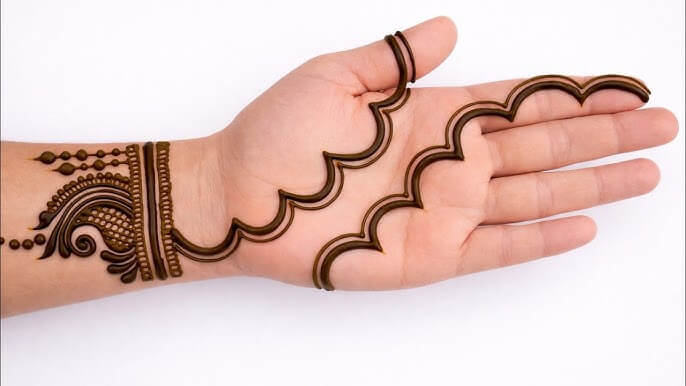
Simple yet beautiful Raksha Bandhan mehndi features delicate wrist bands mimicking ornate rakhis, small flowers representing sibling affection, and protective symbols embodying the festival’s promise of mutual care.
The designs tend toward elegance rather than elaborate coverage since sisters need hands relatively free for rakhi-tying ceremonies.
Ganesh Chaturthi Mehndi Design
Ganesh Chaturthi festival mehndi design features Lord Ganesha, modak sweets, lotus flowers, and auspicious symbols celebrating the elephant-headed god of new beginnings. This ten-day festival inspires devotional designs that invoke Ganesha’s blessings for prosperity and wisdom.
Traditional Ganesh Chaturthi mehndi showcases detailed Ganesha portraits on palms, his vehicle the mouse, offerings of modaks, and Om symbols representing divine consciousness.
The intricate nature of these designs demonstrates devotion through artistic dedication and time investment in creating beautiful worship-worthy henna art.
Holi Mehndi Design – Spring Color Festival
Holi festival mehndi design embraces playful spring themes with butterflies, flowers in bloom, color splashes, and joyful patterns reflecting the festival’s exuberant spirit. Though Holi focuses more on colored powders than henna, many apply mehndi beforehand for complete festive beautification.
Light, playful Holi mehndi featuring simple florals, hearts, and cheerful motifs suits the festival’s carefree atmosphere. Since hands will soon be covered in vibrant gulal colors, elaborate designs are less practical than quick, fun patterns that add to overall festive preparation without demanding extensive care.
Makar Sankranti Mehndi Design
Makar Sankranti festival mehndi design celebrates the sun’s northward journey with kite motifs, sun symbols, harvest patterns, and agricultural imagery. This winter harvest festival inspires designs featuring colorful kites flying high, crops in abundance, and solar representations marking seasonal transition.
Regional variations include til (sesame) and gud (jaggery) motifs representing traditional sweets, wheat sheaves celebrating harvest, and geometric patterns inspired by colorful festival kites.
The joyful winter celebration brings families together with beautiful mehndi, complementing new clothes and festive feasts.
Onam Mehndi Design Kerala’s Harvest Festival
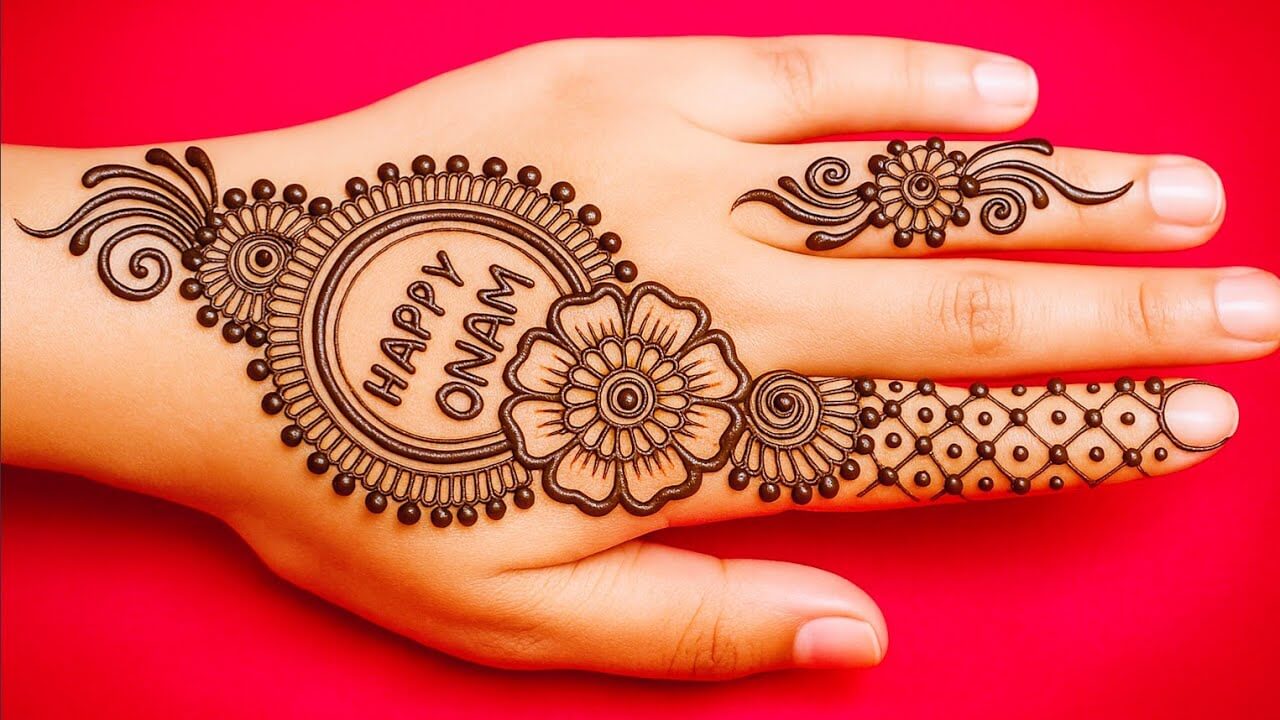
Onam festival mehndi design features pookalam (flower rangoli) patterns, boat race scenes, traditional Kerala motifs, and floral arrangements reflecting the state’s rich cultural heritage. This ten-day harvest festival, celebrating King Mahabali’s annual visit, inspires uniquely Kerala-style henna artistry.
Traditional Onam mehndi incorporates intricate pookalam designs adapted from traditional floor art, coconut palms representing Kerala’s landscape, and Kathakali dancer motifs celebrating the state’s classical arts. The designs blend South Indian aesthetic traditions with broader mehndi conventions beautifully.
Festival Mehndi Design Styles and Patterns
Traditional Festival Mehndi Patterns
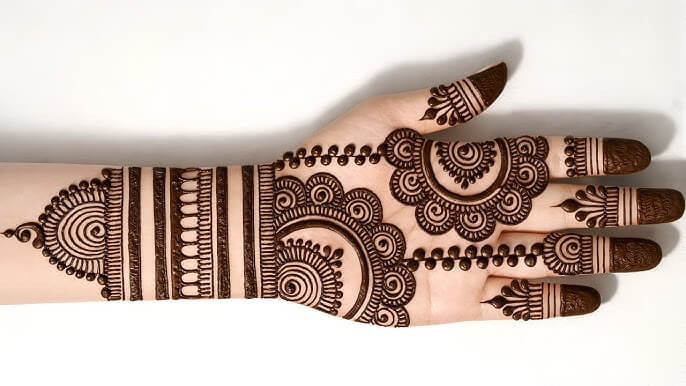
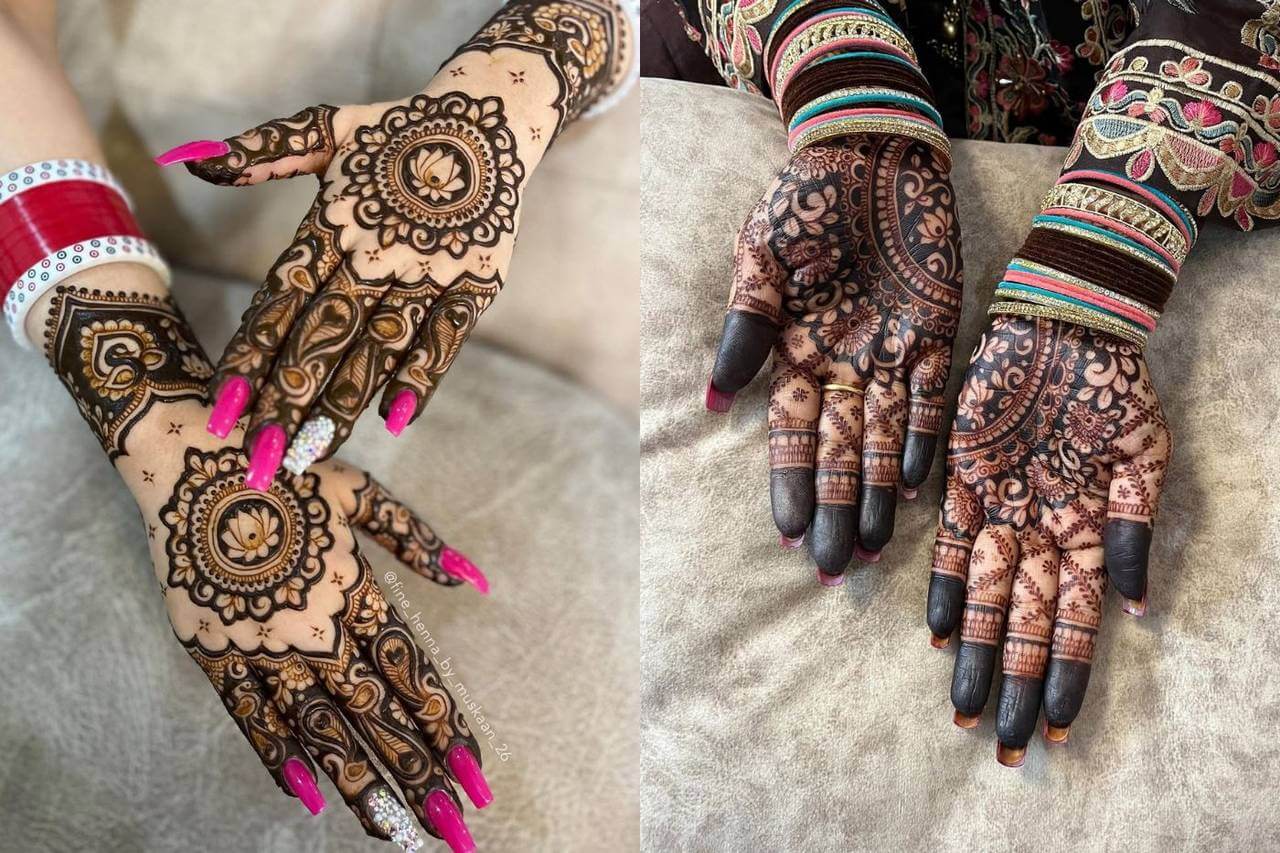
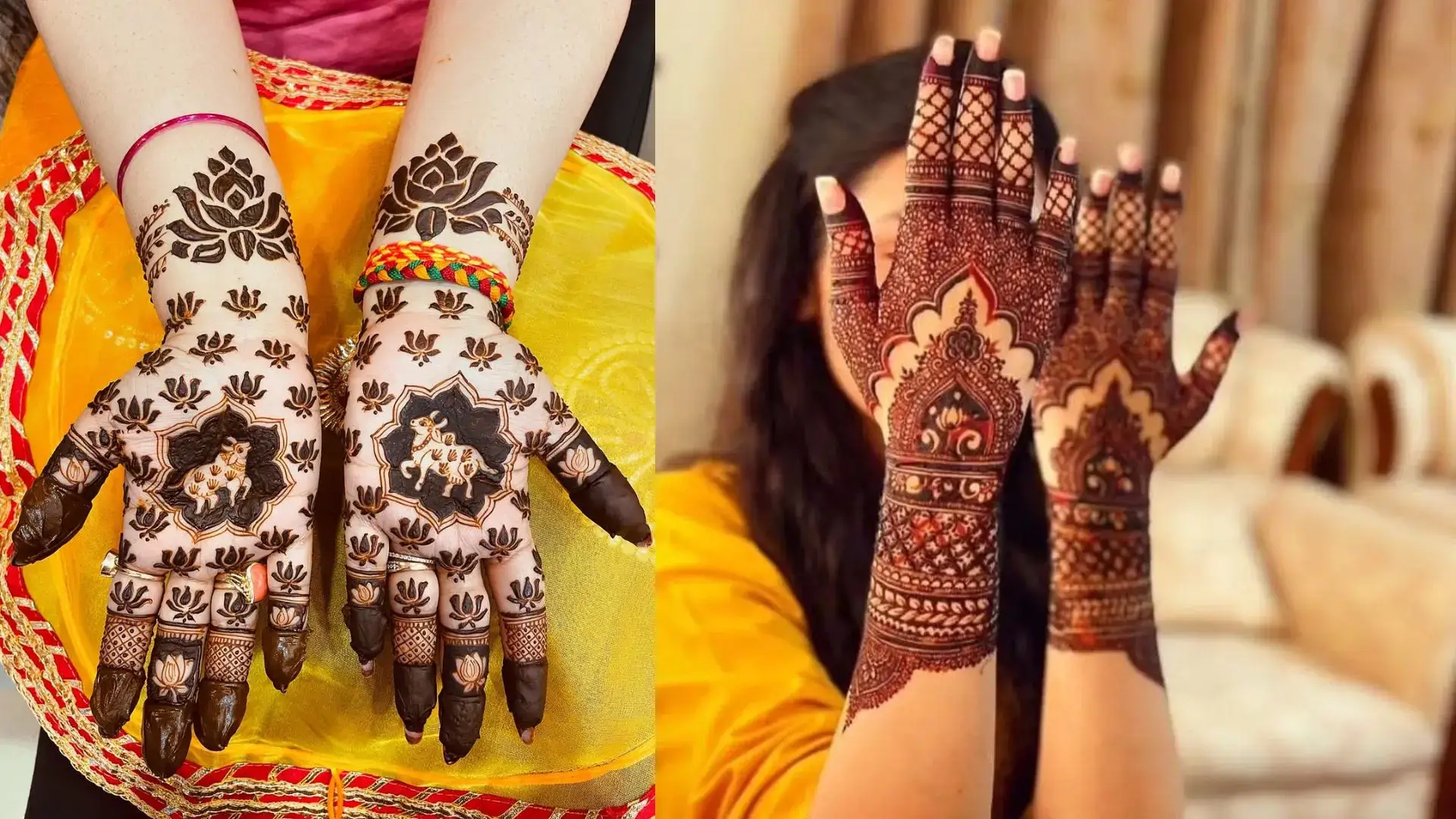
Traditional festival mehndi design maintains cultural authenticity through time-honored motifs passed down through generations. Dense coverage, intricate filling, paisleys, peacocks, and culturally significant symbols characterize these designs that connect modern celebrations to ancient artistic traditions.
Regional variations add unique local flavors. Rajasthani designs feature mirror work representations and puppet motifs, Gujarati patterns showcase garba themes, while Bengali mehndi incorporates fish and alpana-inspired elements. Each regional style enriches the overall festival mehndi tradition with distinctive cultural contributions.
Modern Contemporary Festival Designs
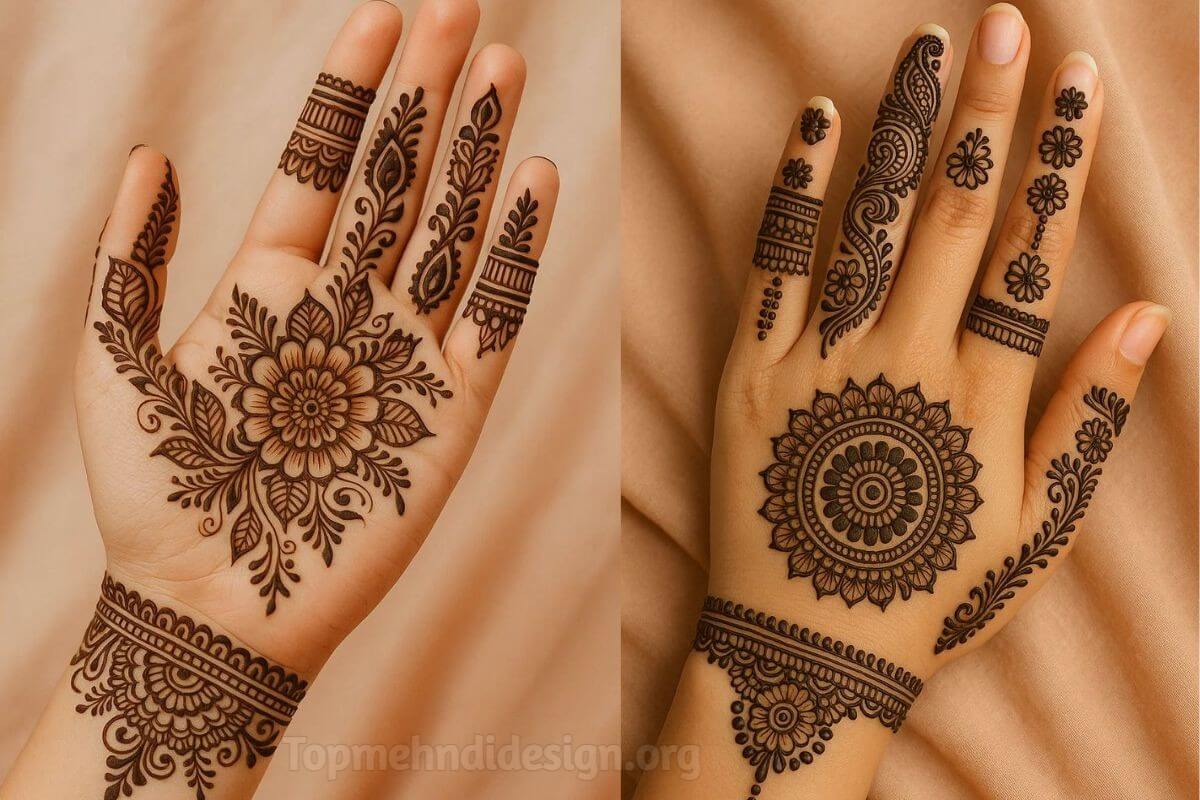
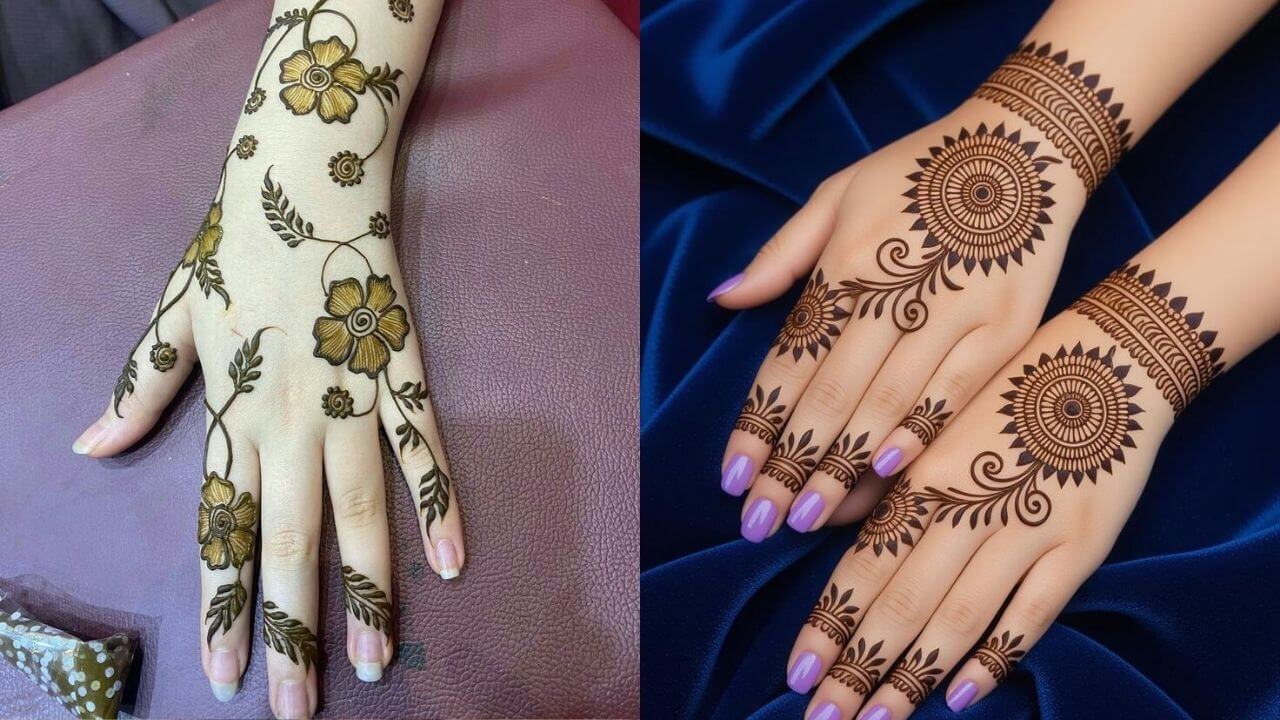
Modern festival mehndi design embraces contemporary aesthetics through minimalism, geometric patterns, negative space utilization, and fusion elements. These innovations honor tradition while adapting to current fashion sensibilities and time-conscious modern lifestyles.
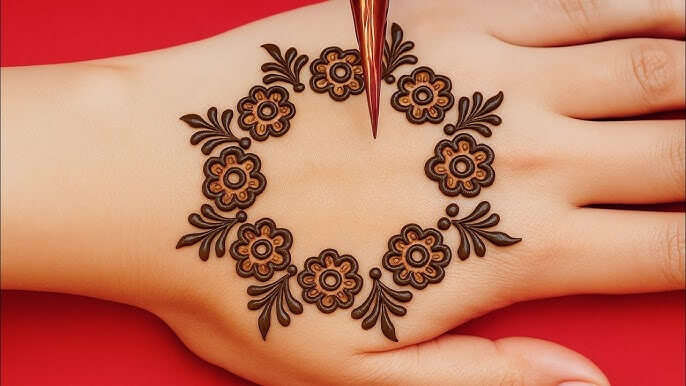
Contemporary festival mehndi often features single statement motifs, clean lines, architectural elements, and creative use of blank space as a design component rather than simply an unfilled area.
This modern approach particularly appeals to younger generations seeking fresh interpretations of cultural practices.
Quick and Simple Festival Mehndi
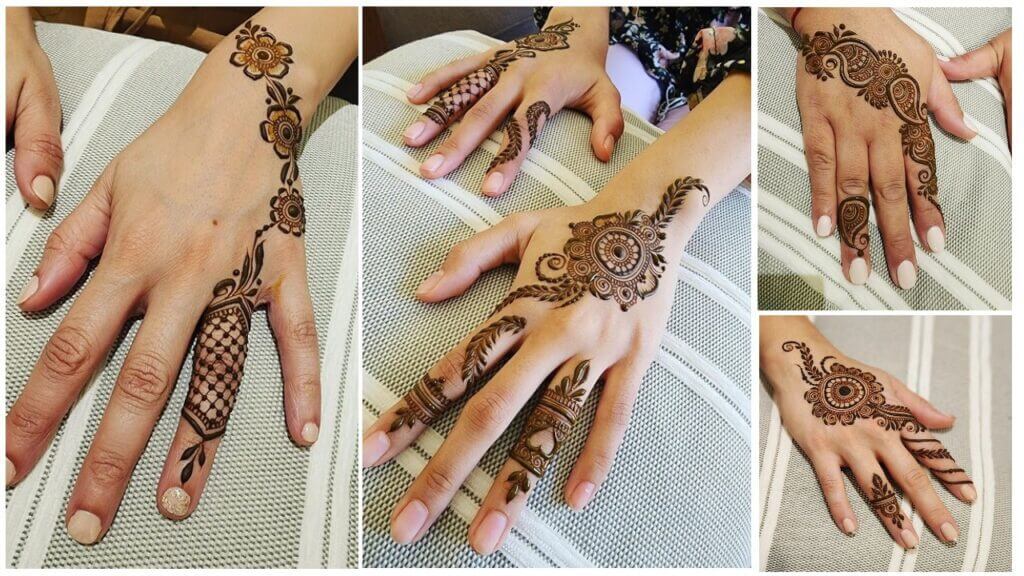
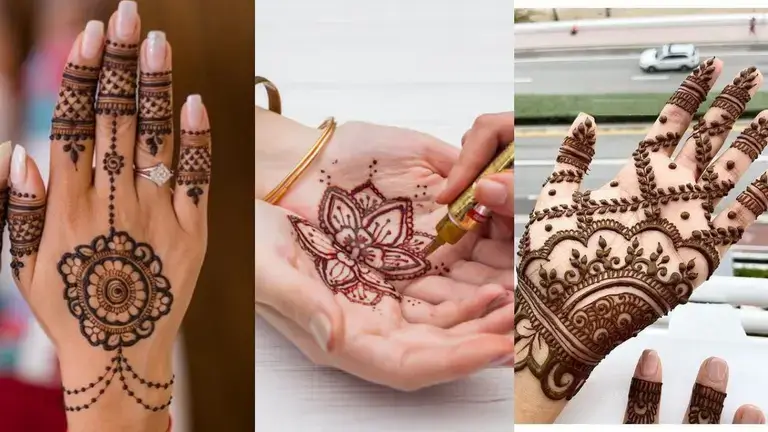
Quick festival mehndi design serves busy individuals wanting festive decoration without an extensive time commitment. Simple wrist bands, finger trails, small florals, and minimalist patterns provide beautiful results in under 30 minutes, perfect for last-minute festival preparations.
These accessible designs democratize mehndi participation – working women, mothers with young children, and those new to mehndi can all enjoy festival beautification without feeling overwhelmed. The key is choosing designs that look complete and intentional despite simplified execution.
Application Tips for Festival Mehndi Design
A successful festival mehndi design application begins with quality natural henna paste free from harmful chemical additives. Purchase from reputable suppliers who guarantee pure organic henna, or prepare your own paste using fresh henna powder, lemon juice, sugar, and essential oils.
Timing matters significantly for festivals apply mehndi 24-48 hours before the main celebration to ensure deepest color development. This schedule allows the stain to oxidize fully, presenting rich dark color during festival peak when you want to look your absolute best.
Prepare your skin properly by washing hands thoroughly with soap, removing all oils and lotions that prevent henna absorption. Create comfortable sitting arrangements where you can remain still for extended periods, as rushing leads to shaky lines that compromise design quality.
Work in good lighting and choose relaxed times rather than stressful periods when anxiety affects hand steadiness. Festival preparations often involve chaos, but mehndi application should be a calm, enjoyable ritual that provides peaceful respite from busy celebration planning.
Festival Mehndi Aftercare for Maximum Color
Proper aftercare ensures your festival mehndi design develops the darkest possible color that lasts throughout celebrations. Keep henna paste on skin for a minimum of 6-8 hours, ideally overnight, before gently scraping it off without any water contact.
Apply the lemon-sugar mixture every hour during the wearing period to seal the design and promote deeper staining. Mix equal parts fresh lemon juice and sugar, dab gently onto dried paste, and let it soak in naturally without rubbing or disturbing the pattern.
After removing dried paste, avoid washing the mehndi area with water for 12-24 hours. Instead, apply natural oils like coconut, mustard, or olive oil to moisturize the design and protect it from premature fading. The oils also enhance color development as the stain oxidizes.
Minimize water exposure throughout the festival period by wearing gloves while washing dishes, avoiding prolonged baths, and protecting hands from excessive moisture. These precautions extend mehndi life from a few days to 2-3 weeks of beautiful decoration.
Latest Trends in Festival Mehndi Design 2026
The latest trends in festival mehndi design for 2026 emphasize personalization and meaningful symbolism beyond generic patterns. Celebrants want designs that tell their unique stories, represent their specific beliefs, and reflect individual relationships to each festival’s deeper significance.
White henna accents combined with traditional brown designs create stunning contrast effects perfect for evening festivals with photography. The white paste shows brilliantly under flash and creates dimension that photographs beautifully for social media sharing and memory preservation.
Colored henna in festive shades – green for Teej, red for Holi, gold for Diwali – adds thematic coordination to celebrations. Temporary colored cones let celebrants match mehndi to festival color schemes, creating cohesive festive aesthetics from decorations through personal beautification.
Glitter applications and temporary gems enhance festival mehndi for extra sparkle during evening celebrations. These embellishments work particularly well with simpler base patterns where decorative additions can shine without overwhelming the overall visual composition.
Festival Mehndi Design for All Age Groups
Children’s Festival Mehndi Designs
Children’s festival mehndi design focuses on simple, quick patterns featuring playful elements kids love. Butterflies, stars, hearts, flowers, and festival-specific symbols in basic forms keep young ones engaged without testing patience limits during application.
Keep children’s festival mehndi application under 15 minutes with designs covering just palms or simple finger decorations. The participatory aspect matters more than intricate artistry – children feel included in festival preparations through age-appropriate mehndi that matches their excitement levels.
Teen and Young Adult Festival Designs
Teenage festival mehndi design balances tradition with contemporary style preferences. Teens want Instagram-worthy patterns that honor cultural expectations while showcasing personal aesthetic through modern interpretations and trendy elements their peers will admire.
Fusion designs combining festival symbols with minimalist execution appeal to this demographic seeking sophistication without appearing old-fashioned. Arabic-style festival mehndi with generous negative space particularly suits teenage preferences for clean, modern looks.
Designs for Married Women and Elders
Married women’s festival mehndi design often incorporates marital symbolism, devotional elements, and traditionally significant motifs representing their life stage. These designs tend toward fuller coverage and more intricate detailing reflecting the wearer’s established relationship with mehndi traditions.
Elder women may choose simpler patterns respecting their comfort while maintaining cultural participation. Modified traditional designs with less density accommodate arthritis or hand tremors while ensuring older generations remain included in festival beautification rituals meaningful throughout their lives.
DIY Festival Mehndi Design at Home
Creating beautiful festival mehndi designs at home saves money while building valuable skills and creating family bonding opportunities. Start by purchasing quality henna cones or making your own paste using organic henna powder, lemon juice, sugar, and essential oils like eucalyptus or lavender.
Practice basic festival motifs on paper before attempting skin application. Master simple shapes relevant to upcoming celebrations – diyas for Diwali, crescents for Eid, flowers for Teej – until you can draw them smoothly and confidently.
Watch online tutorials specific to festival mehndi techniques, paying attention to how skilled artists adapt traditional symbols for quick application. YouTube channels dedicated to mehndi art offer invaluable free education in design, construction, and execution.
Create family mehndi sessions where members decorate each other’s hands while sharing festival stories and traditions. These gatherings strengthen cultural transmission between generations while making mehndi preparation a joyful shared experience rather than isolated beautification.
Safety Considerations for Festival Mehndi
Safety must always be the top priority with festival mehndi design application. Use only 100% natural henna without chemical additives, especially avoiding black henna that contains dangerous para-phenylenediamine (PPD) causing severe allergic reactions and permanent skin damage.
Perform patch tests 24 hours before festival application by placing small amounts on inner wrist areas. This precaution identifies potential sensitivities before applying extensive designs that could cause widespread reactions during important celebrations.
Purchase henna products from reputable suppliers who guarantee organic ingredients and proper preparation. Avoid street vendors using unknown mixtures or offering suspiciously dark instant colors that indicate harmful chemical contamination.
Monitor children carefully during and after mehndi application, watching for any signs of skin irritation, redness, or discomfort. Natural henna is generally safe for children over age 5, but adult supervision ensures proper use and quick response to any unexpected reactions.
Choosing Professional Festival Mehndi Artists
Selecting the right professional for festival mehndi design ensures beautiful results and safe application. Research local artists by examining their portfolios on Instagram and Facebook, paying particular attention to festival-specific work showing cultural understanding and design appropriateness.
Schedule consultations before major festivals to discuss your vision, preferred designs, and any specific symbols or elements you want incorporated. Professional artists appreciate advanced planning and can offer creative suggestions based on their expertise and experience.
Verify that artists use natural henna and maintain hygienic practices, including fresh cones, clean workspaces, and sanitary application techniques. Read reviews from previous clients about their festival mehndi experiences, focusing on color results, lasting power, and overall satisfaction.
Book early for major festivals like Diwali, Eid, and Karwa Chauth when demand peaks and the best artists get fully reserved weeks or even months in advance. Early booking secures your preferred artist and time slot, preventing last-minute scrambling during busy festival seasons.
Conclusion
Festival mehndi design enriches celebrations by connecting us to cultural heritage while creating beautiful memories with loved ones.
From Diwali’s glowing diyas to Eid’s sacred crescents, from Karwa Chauth’s devotional moons to Teej’s monsoon peacocks, each festival inspires unique artistry that honors tradition while embracing personal creativity.
Whether you choose elaborate traditional patterns or simple modern designs, festival mehndi transforms ordinary celebrations into extraordinary experiences marked by beauty, meaning, and cultural continuity.
The joy of applying mehndi with family, the patience of waiting for color development, and the pride of displaying finished designs all contribute to festival magic that transcends mere decoration.
As you prepare for your next festival celebration, remember that the perfect mehndi design makes you feel connected to tradition, confident in your appearance, and joyful in your participation.
Choose designs that resonate with your heart, honor your beliefs, and celebrate the specific festival’s deeper meaning. Let your hands tell the story of each celebration through beautiful festival mehndi design that creates lasting memories and strengthens cultural bonds across generations.