Introduction
Mehndi design front hand patterns hold a special place in the hearts of brides, festive celebrators, and henna enthusiasts worldwide.
The front of your hand, particularly the palm area, serves as the most traditional and meaningful canvas for mehndi artistry, symbolizing blessings, prosperity, and the beginning of new chapters in life.
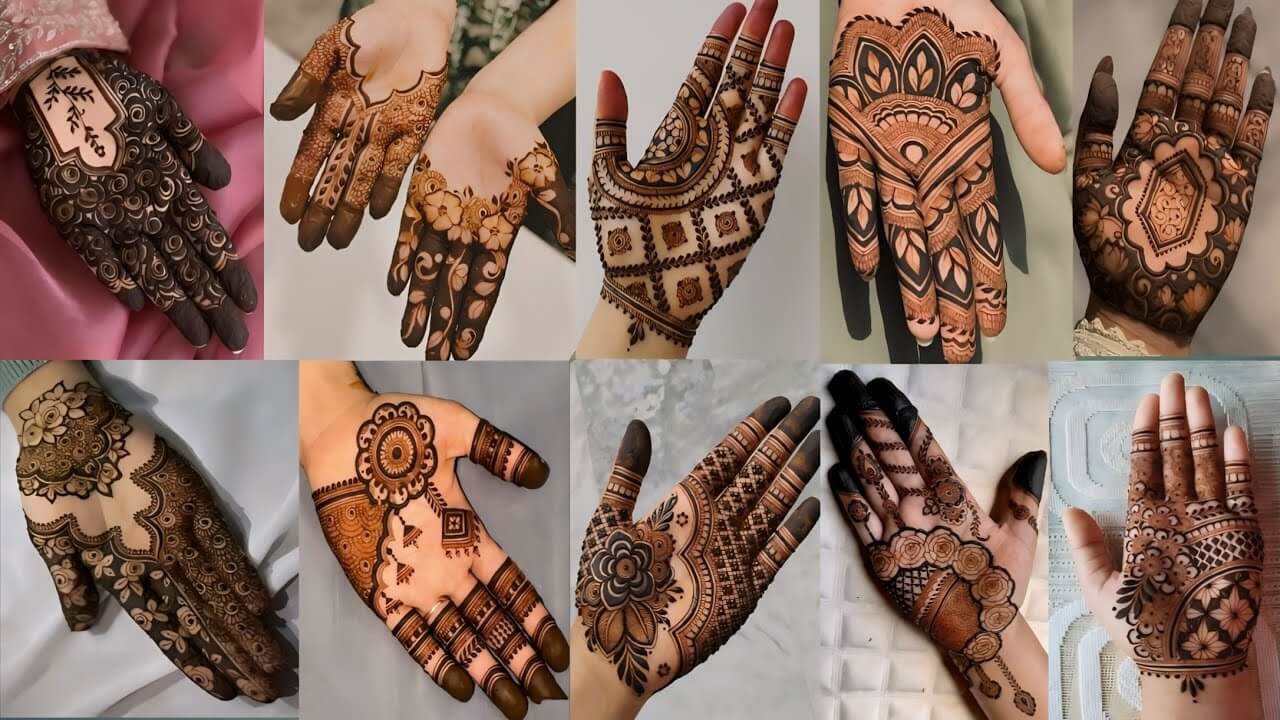
Whether you are a bride preparing for your wedding day, getting ready for Eid or Diwali celebrations, or simply want to beautify your hands for a special occasion, this comprehensive guide presents over 200 mehndi design front hand patterns suitable for every skill level and preference.
From intricate bridal masterpieces to simple beginner-friendly patterns, we cover everything you need to create stunning henna art that leaves lasting impressions.
Why Mehndi Design Front Hand is Most Popular
Mehndi design front hand commands special significance across cultures because the palm represents the center of blessings and good fortune in traditional beliefs.
When you apply henna to your front hand, you are not just creating beautiful art but participating in centuries-old traditions that connect modern celebrations to ancient cultural heritage.
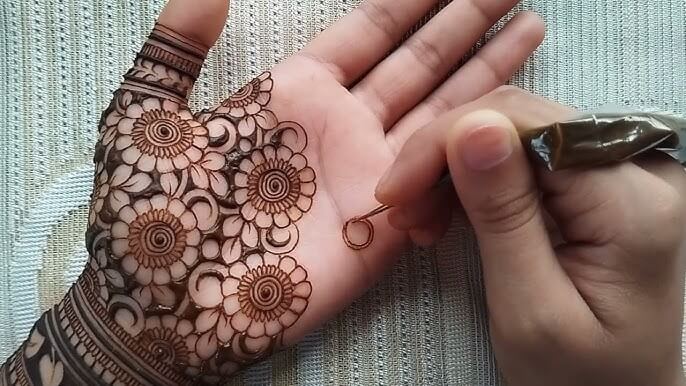
The front hand provides the ideal surface for detailed mehndi work because it stays visible throughout ceremonies when you hold items, accept gifts, or perform rituals. Photographers capture front hand mehndi prominently in wedding albums, making it essential to choose designs that photograph beautifully and express your personal style.
Additionally, mehndi design front hand stains typically develop darker and last longer than back hand designs because palms have thicker skin that better absorbs the henna dye.
This practical advantage, combined with cultural significance, makes front hand mehndi the most cherished placement option for special occasions.
Top 18 Mehndi Design Front Hand Patterns for 2026
1. Traditional Bridal Full Hand Coverage
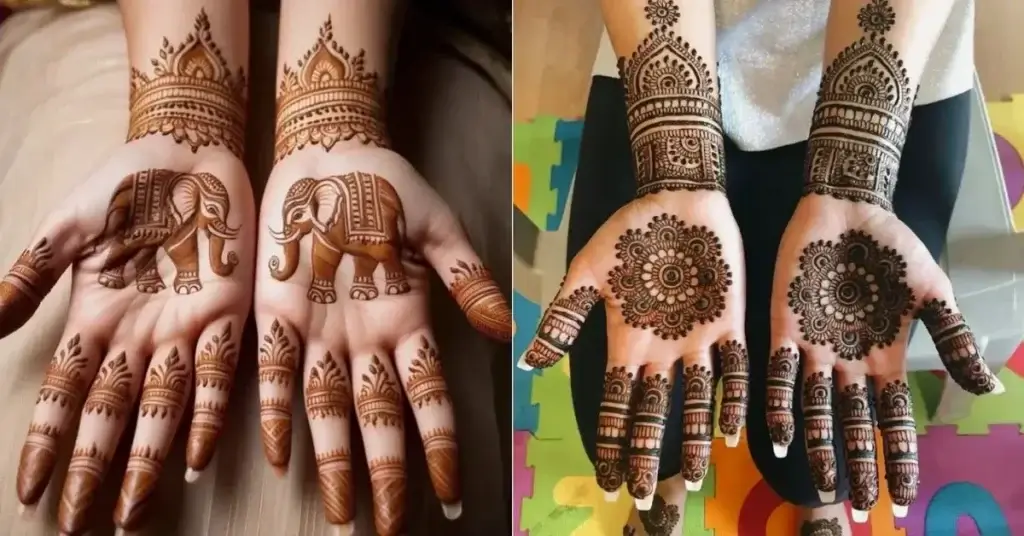
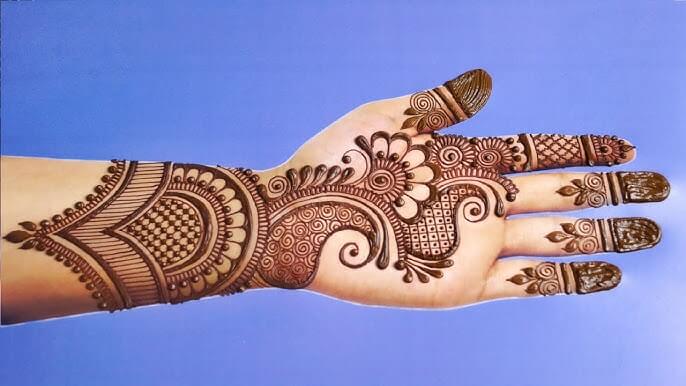
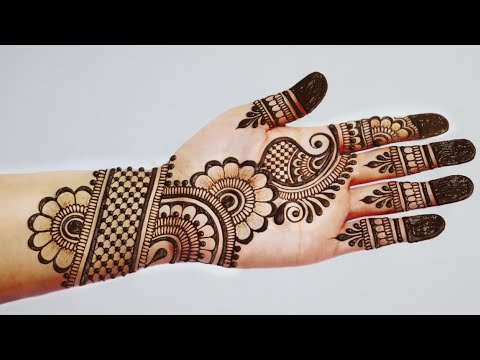
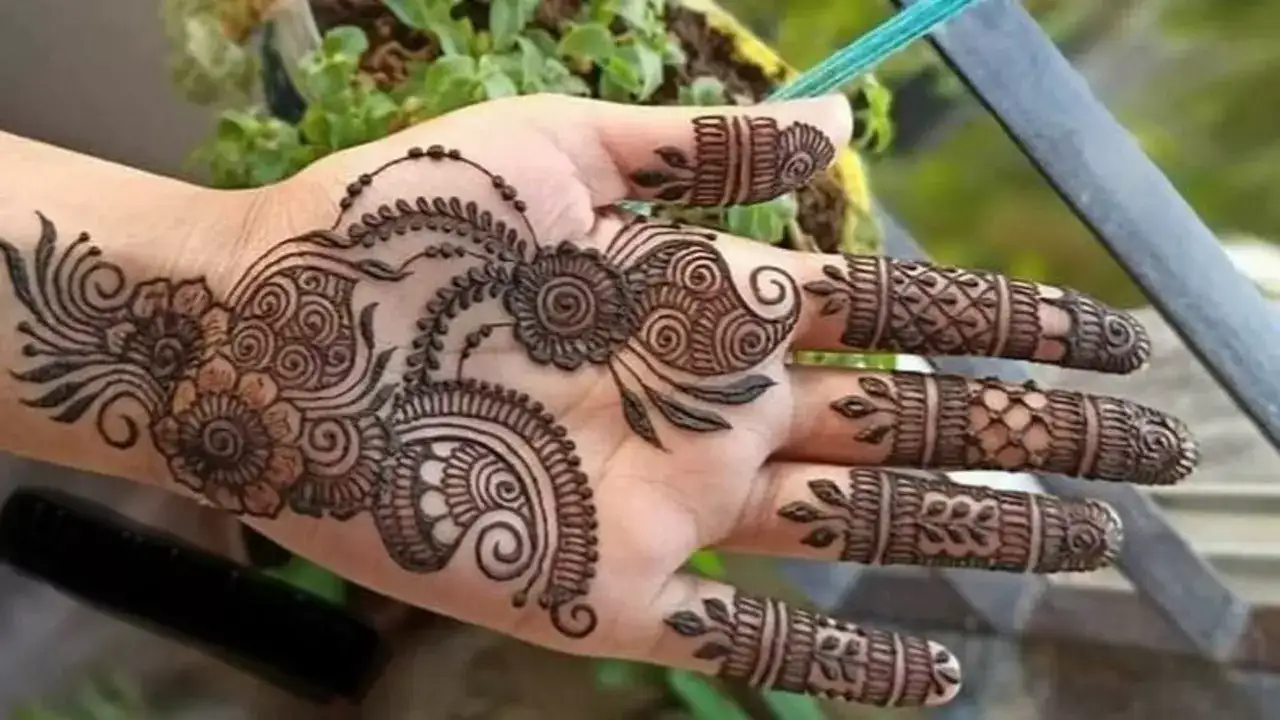
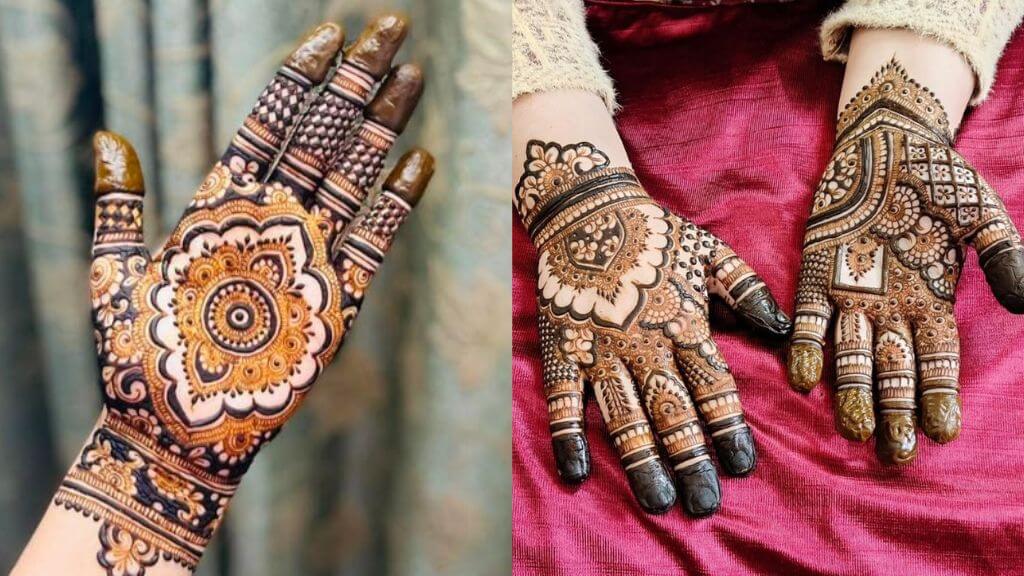
Traditional bridal mehndi design front hand represents the ultimate expression of henna artistry with complete palm coverage extending up the fingers and often continuing onto the wrist and forearm. These elaborate designs feature intricate paisleys, peacocks, lotus flowers, and mandala centerpieces that symbolize marital bliss and prosperity.
Modern brides are personalizing traditional patterns by incorporating hidden elements like groom portraits, initials, wedding dates, and meaningful symbols that tell their unique love stories. The dense coverage ensures no blank space remains, creating a luxurious tapestry of henna art that demands admiration and photographs spectacularly.
2. Arabic Style Front Hand Mehndi
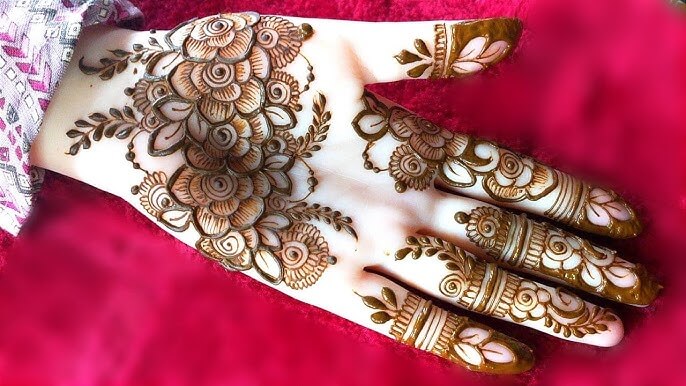
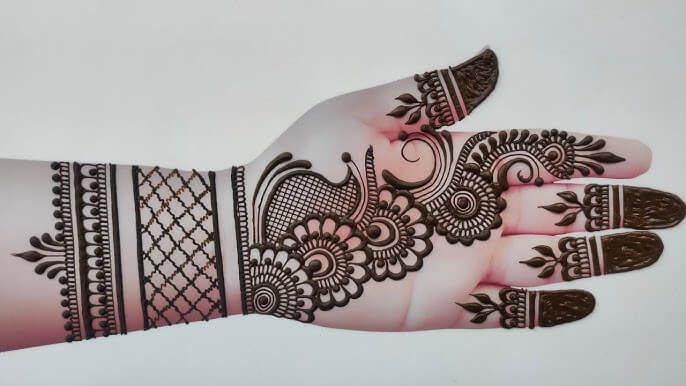
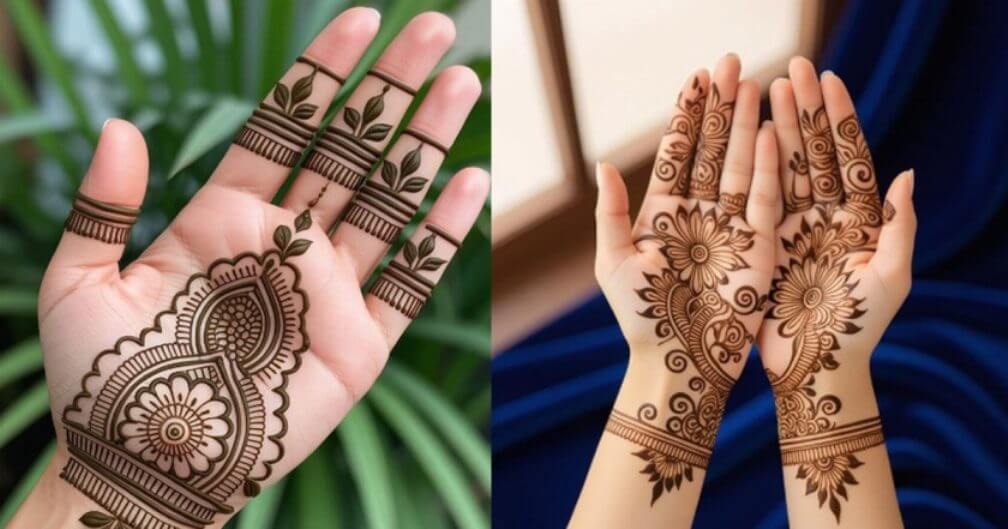
Arabic mehndi design front hand brings bold floral patterns and generous negative space to palm decoration. These designs feature large roses, lotuses, and leaves connected by flowing vines that create movement and elegance without overwhelming the hand with dense coverage.
The beauty of Arabic front hand mehndi lies in its quick application time combined with stunning visual impact. Brides choosing Arabic styles appreciate how these patterns complement jewelry beautifully and photograph well without appearing too heavy or traditional.
3. Mandala Centered Palm Design
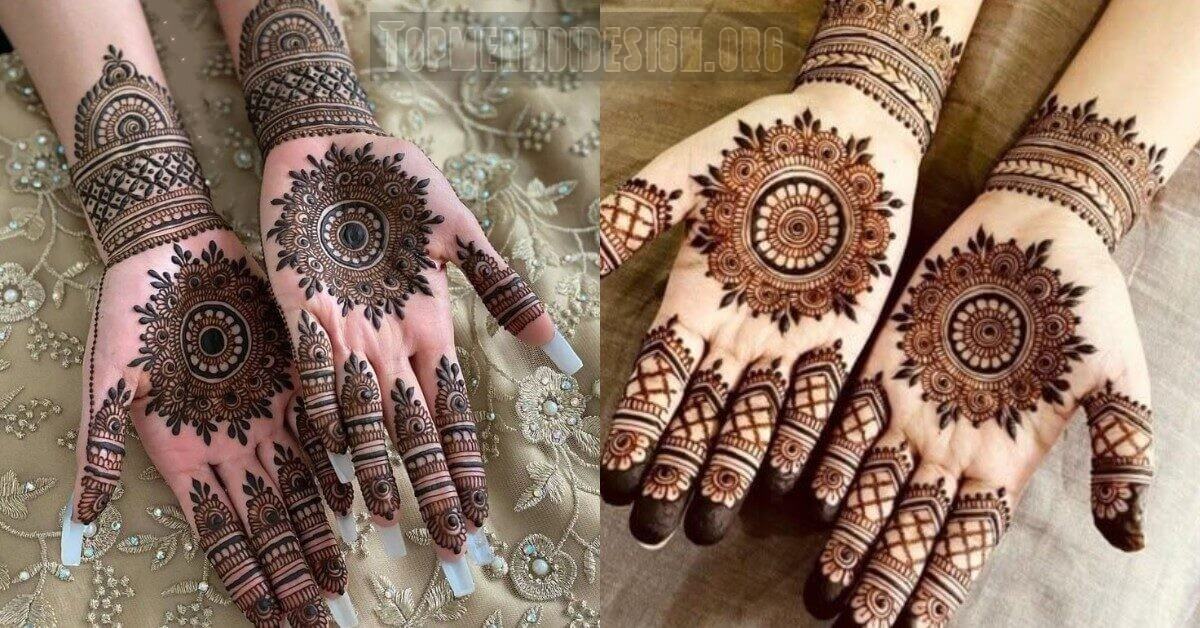
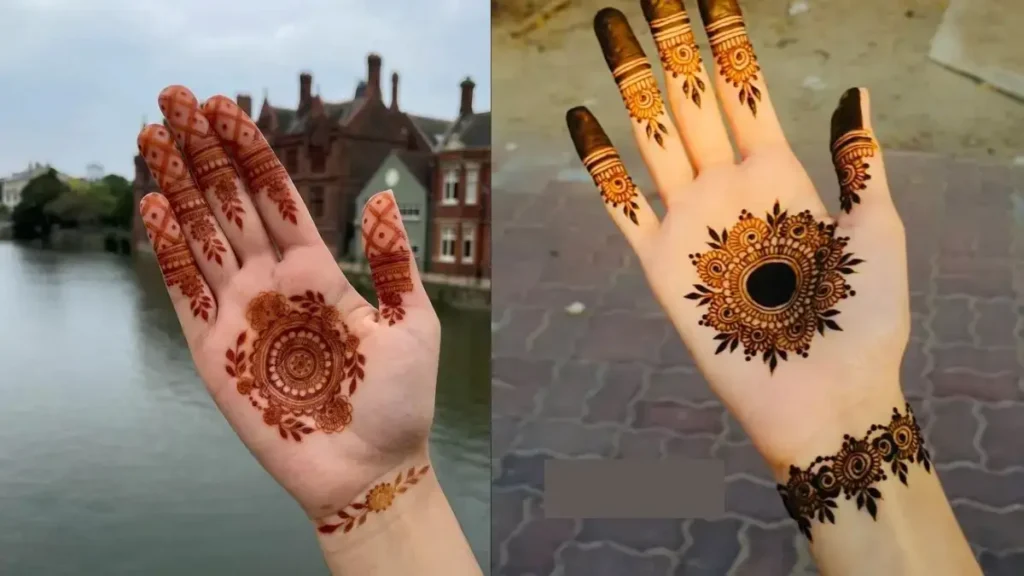
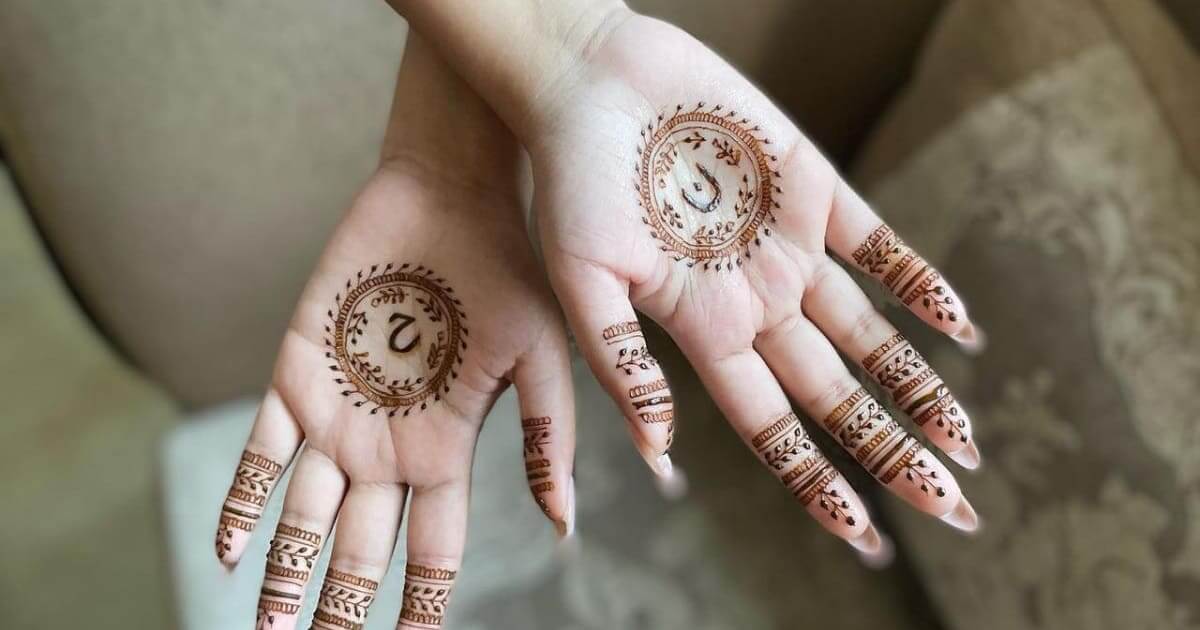
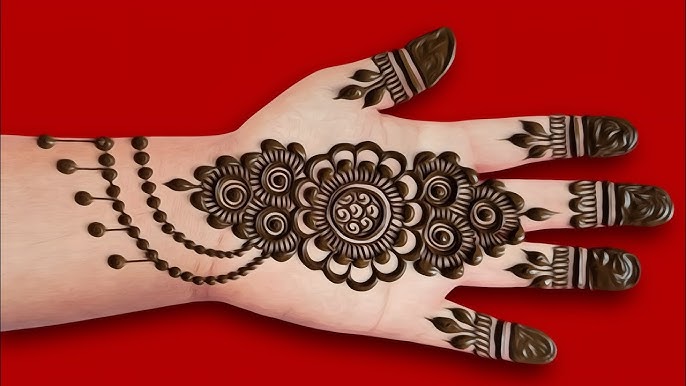
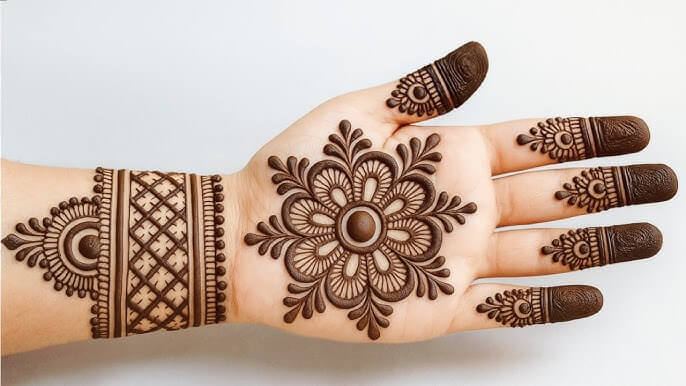
Mandala-centered mehndi design front hand places a circular geometric pattern in the palm center, radiating outward with complementary elements. This symmetrical approach creates mesmerizing visual harmony that draws the eye and represents unity and wholeness in symbolic terms.
The repetitive circular patterns in mandalas make them surprisingly accessible for intermediate artists while delivering professional-looking results. You can customize the internal details of your mandala while maintaining the overall circular structure that defines this beloved design category.
4. Lotus Flower Front Hand Pattern
Lotus flower mehndi design front hand celebrates one of the most sacred and beautiful symbols in South Asian culture. The lotus represents purity, enlightenment, and rebirth, making it especially meaningful for weddings and spiritual celebrations.
Lotus designs can serve as central palm motifs or be distributed across the hand in various sizes. The layered petals create natural depth and dimension that photographs beautifully, while the symbolic meaning adds spiritual significance to your decorative choice.
5. Peacock Motif Mehndi Design
Peacock mehndi design front hand showcases the grace and royalty associated with this magnificent bird. The elaborate feather patterns, curved neck, and majestic presence of peacock motifs create dramatic focal points that command attention.
Artists typically place the peacock’s body on the palm with feathers extending toward the fingers, creating natural flow and movement. The intricate details required for peacock feathers demonstrate artistic skill while delivering breathtaking results worth the extra effort.
6. Simple Minimalist Front Hand Mehndi
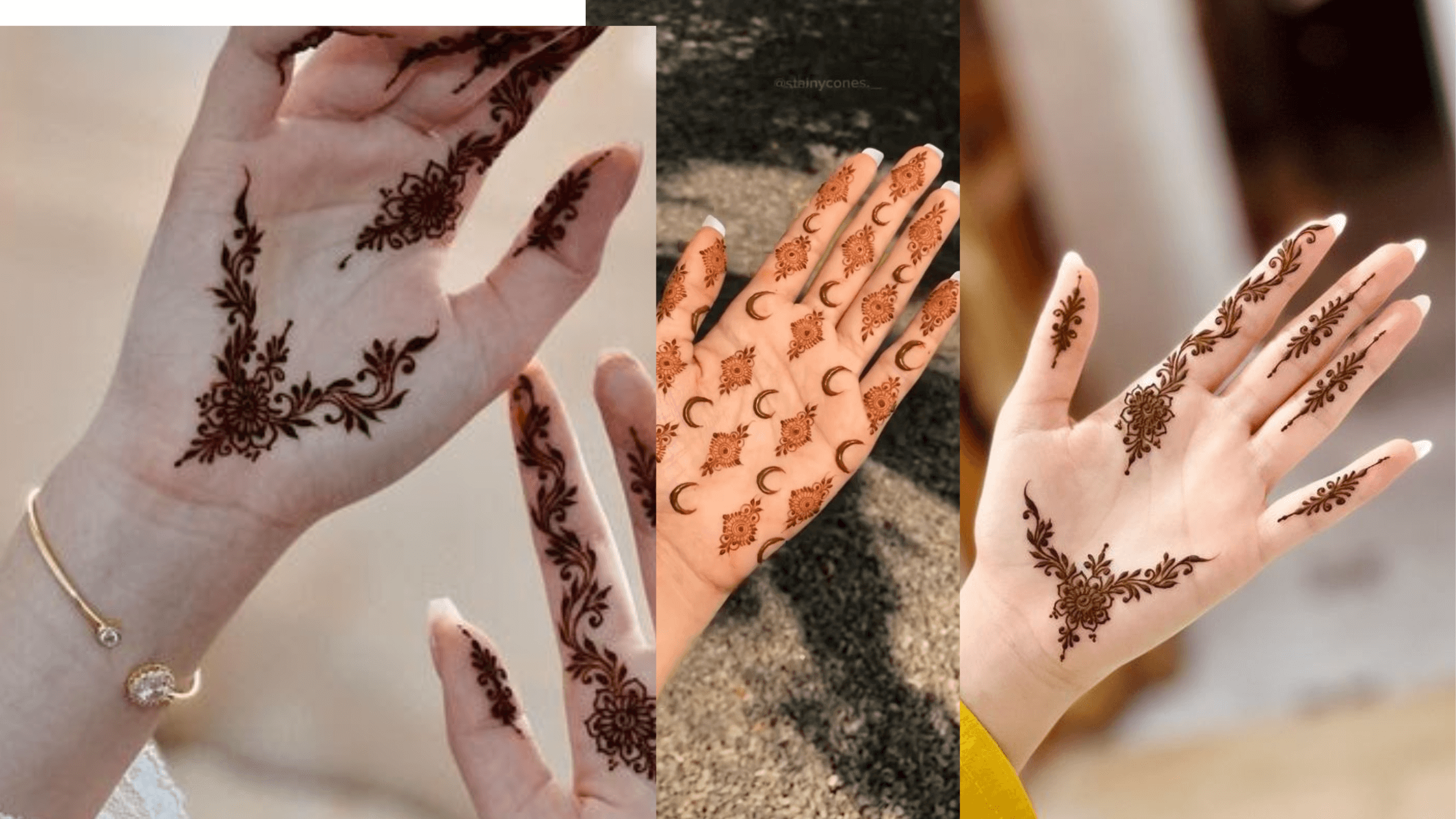
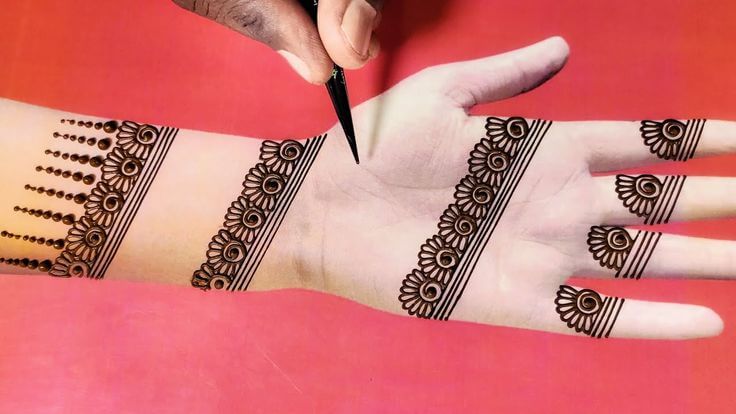
Simple minimalist mehndi design front hand offers elegant sophistication through strategic simplicity. These designs feature clean lines, single flowers, or geometric shapes placed thoughtfully on the palm with generous negative space creating a modern aesthetic appeal.
Perfect for professional settings, casual gatherings, or brides preferring contemporary styles, minimalist front hand mehndi proves that less can truly be more. The quick application time makes these designs ideal for busy lifestyles while still providing beautiful decoration.
7. Rajasthani Traditional Pattern
Rajasthani mehndi design front hand brings the rich cultural heritage of Rajasthan to palm decoration. These patterns feature elaborate paisleys, mirror work representations, puppet designs, and cultural symbols that tell stories of royal traditions.
The distinctive characteristics of the Rajasthani style include dense filling, intricate details, and traditional motifs passed down through generations of artists. Brides choosing this style connect their modern celebrations to centuries of cultural artistry and royal heritage.
8. Floral Vine Trail Design
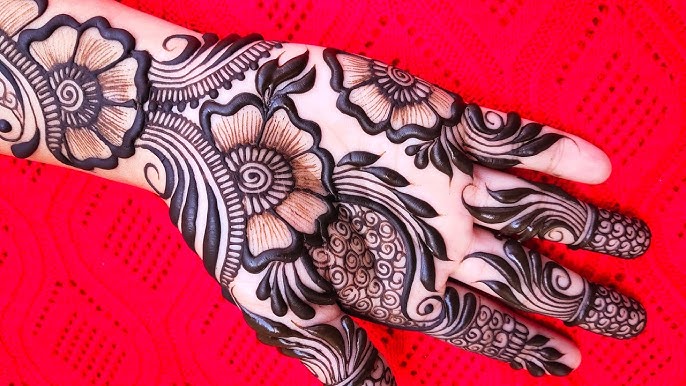
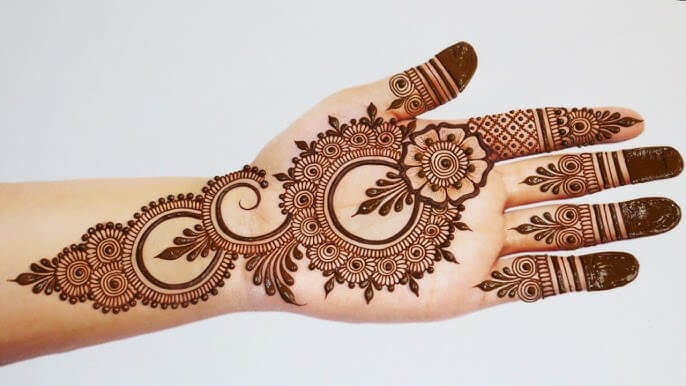
Floral vine trail mehndi design front hand creates flowing movement across the palm through connected flowers and leaves. These romantic patterns start from one edge of the palm and wind gracefully toward the opposite side, creating natural, organic beauty.
The versatility of floral vines allows endless customization – choose roses for romance, jasmine for tradition, or abstract blooms for modern flair. The continuous flow guides the eye across the design while maintaining coherent visual storytelling.
9. Heart Shape Centered Design
Heart-shaped centered mehndi design front hand brings universal love symbolism to henna artistry. Large hearts placed in palm centers filled with intricate patterns or left as bold outlines create romantic focal points perfect for engagements and weddings.
Modern couples personalize heart designs by adding initials, wedding dates, or small portraits inside the heart outline. This contemporary approach to traditional mehndi creates meaningful artwork that tells personal love stories through symbolic visual language.
10. Geometric Pattern Front Hand
Geometric mehndi design front hand appeals to those who appreciate mathematical precision and modern aesthetics. Clean lines, triangles, hexagons, and symmetrical shapes create contemporary patterns that feel fresh while honoring mehndi traditions.
The structured nature of geometric designs makes them accessible for beginners willing to work with rulers and guides. The bold statement these patterns make suits modern brides and fashion-forward individuals seeking distinctive alternatives to traditional florals.
11. Rose Garden Front Hand Design
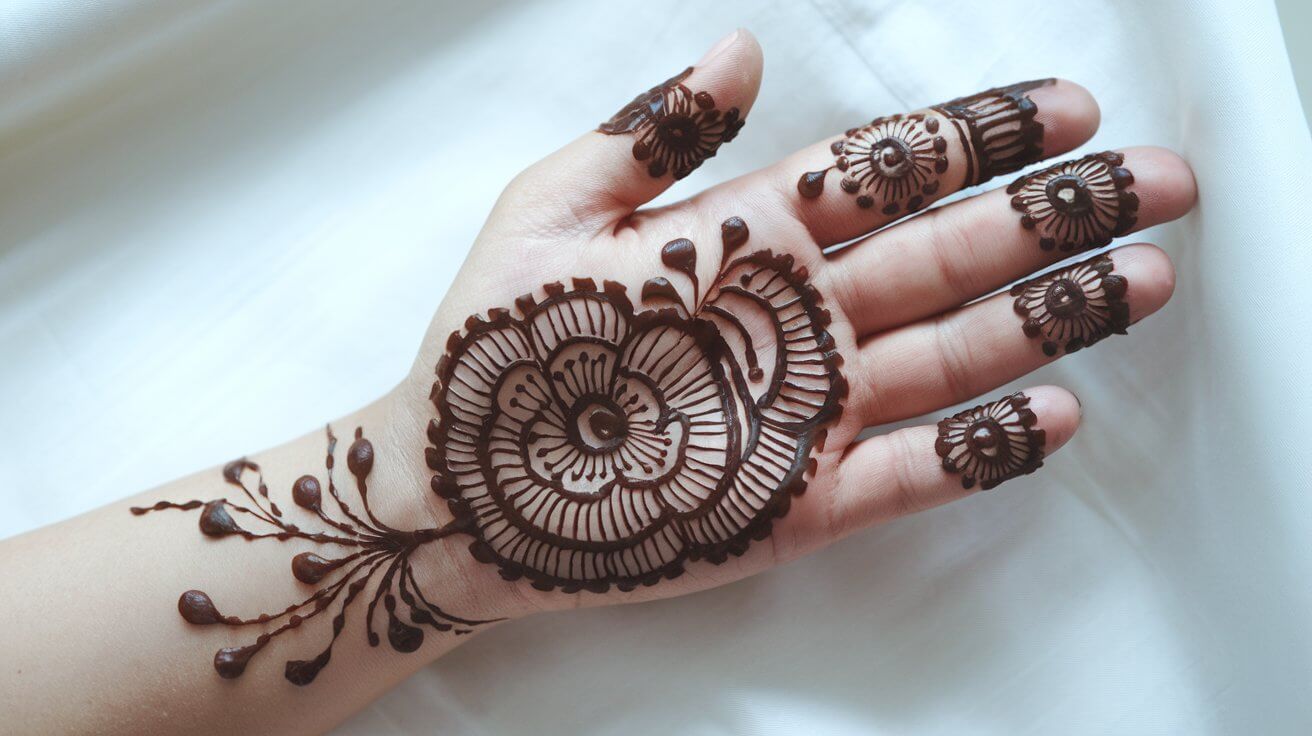
Rose garden mehndi design front hand fills the palm with beautiful roses of varying sizes creating lush floral landscapes. Multiple blooms distributed across the hand with leaves and small connecting vines create romantic botanical artistry.
Roses carry universal romance symbolism while offering artistic versatility in interpretation. Some designs feature realistic detailed roses while others opt for stylized abstract representations, both creating equally beautiful results when executed skillfully.
12. Paisley Dominant Pattern
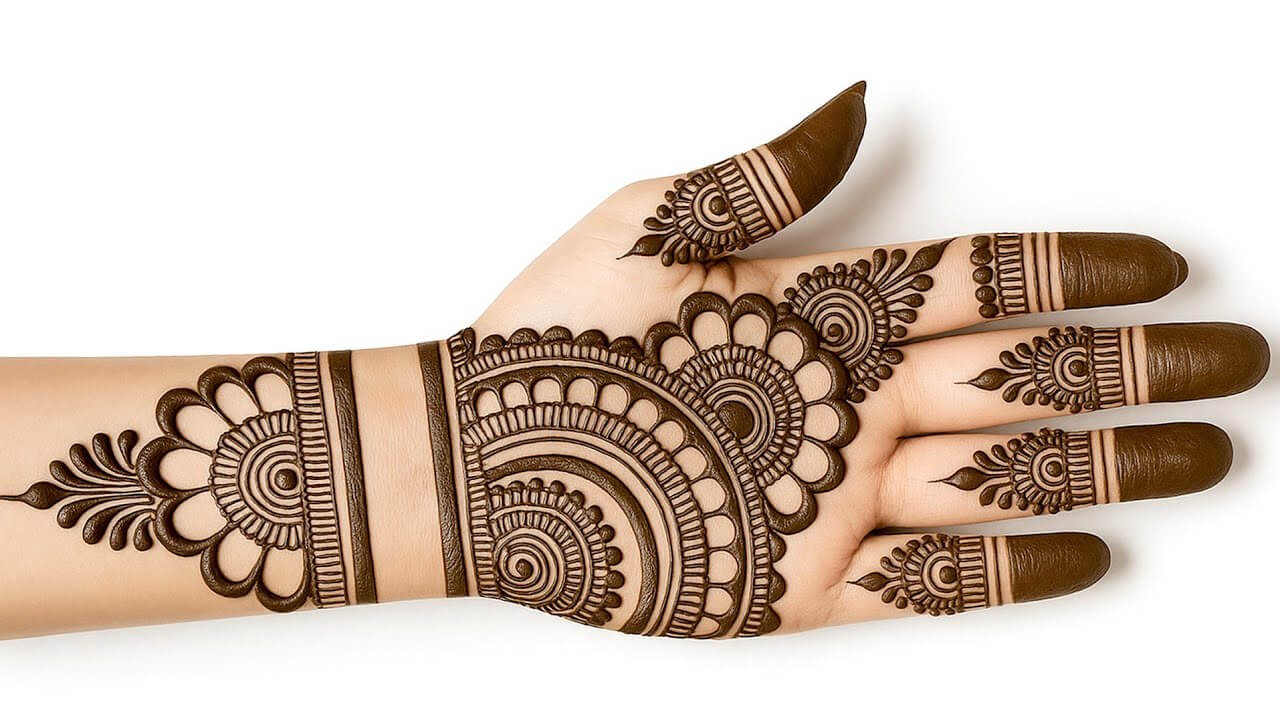
Paisley dominant mehndi design front hand celebrates the iconic teardrop motif that defines traditional Indian henna art. Large paisleys placed strategically across the palm create cultural authenticity while smaller paisleys fill surrounding spaces.
The beauty of paisley patterns lies in their flexibility – fill them densely with intricate details or leave them relatively simple for quicker application. Either approach honors tradition while accommodating different skill levels and time constraints.
13. Mesh and Jaali Work Design
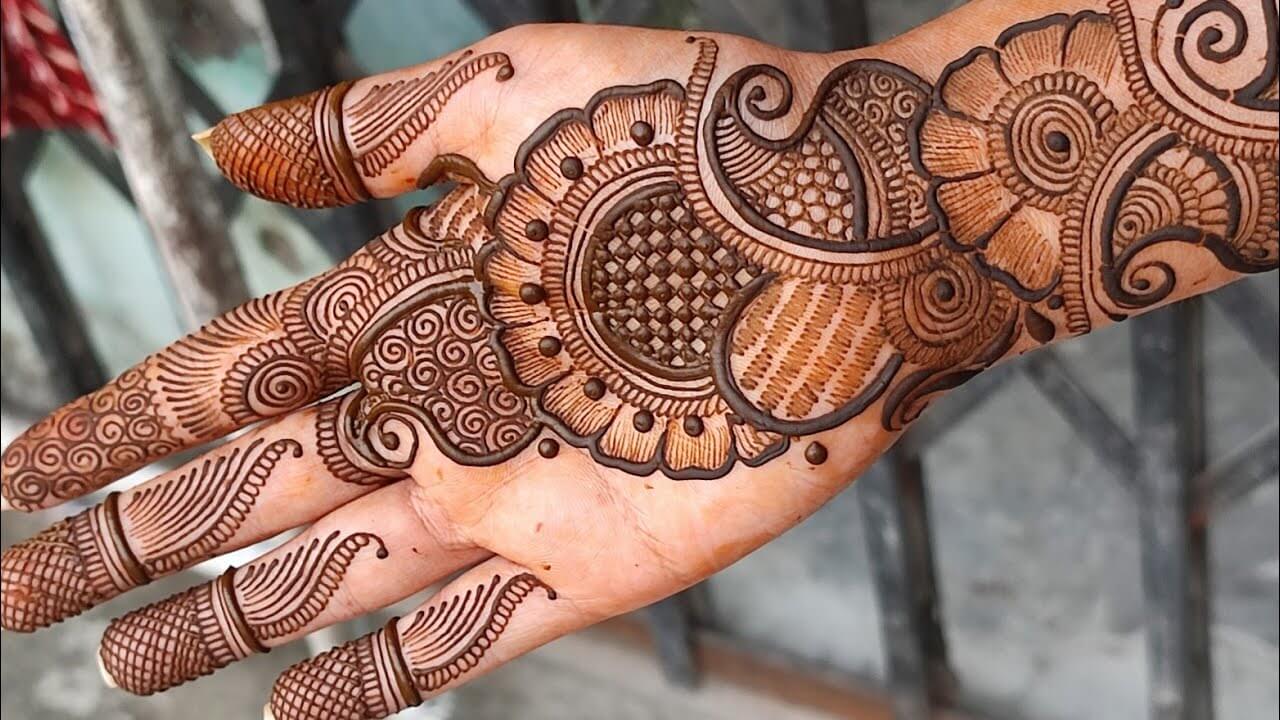
Mesh and jaali work mehndi design front hand creates delicate net-like patterns that demonstrate advanced artistic skill. These intricate lattice designs require steady hands and patience but result in breathtakingly detailed artwork.
Jaali patterns often fill finger areas or create backgrounds for larger motifs, adding texture and depth to overall designs. The see-through quality of mesh work creates interesting visual effects that photograph beautifully and showcase technical mastery.
14. Tikki Style Front Hand Mehndi
Tikki style mehndi design front hand features circular patterns placed strategically on the palm and fingertips. These round medallion-like designs create focal points that can stand alone or be connected with delicate lines and small motifs.
The circular tikki format lends itself to creative freedom – fill each circle differently or maintain uniformity across all tikkis. This style particularly suits those who want structured designs without committing to full hand coverage.
15. Dulhan (Bride) Special Design
Dulhan special mehndi design front hand incorporates traditional bridal elements like doli (palanquin), dulha-dulhan (bride and groom) figures, and kalash (ceremonial pot). These culturally significant symbols tell wedding stories through visual imagery.
Modern interpretations blend traditional dulhan motifs with contemporary styling, creating fusion designs that honor heritage while embracing current aesthetic preferences. The personalized storytelling aspect makes these designs especially meaningful for brides.
16. Portrait and Story Design
Portrait and story mehndi design front hand represents the cutting edge of henna artistry, where skilled artists create detailed portraits of couples or illustrate their relationship journey. These personalized designs require expert-level skill but create truly unique artwork.
From proposal scenes to favorite shared activities, story designs transform hands into narrative canvases that celebrate individual love stories. The investment in skilled artists capable of this work pays dividends in creating irreplaceable memories.
17. Cuff and Bracelet Style Palm Design
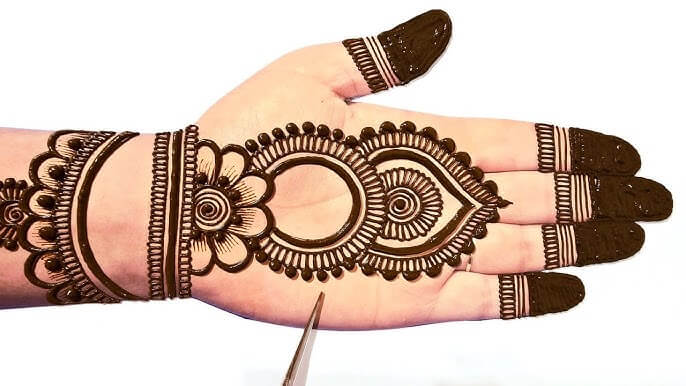
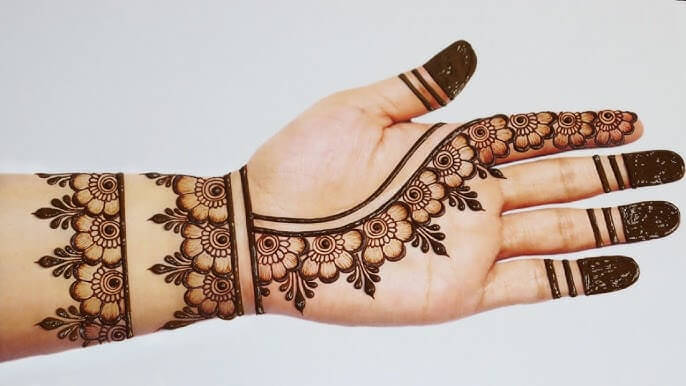
Cuff and bracelet style mehndi design front hand creates jewelry-like bands across the wrist that extend onto the palm with connecting elements. These designs mimic wearing ornate accessories while leaving the central palm area relatively open.
The bracelet approach works beautifully for those wanting visible mehndi without full coverage commitment. The wrist bands serve as foundations that you can embellish with hanging pendants, chains, or leave clean for minimalist elegance.
18. Fusion Indo-Arabic Front Hand
Fusion Indo-Arabic mehndi design front hand combines the best of both worlds – Indian intricate detailing with Arabic bold flowing elements. This hybrid approach creates contemporary patterns that honor multiple cultural traditions simultaneously.
The creative freedom of fusion designs allows brides to express multicultural identities or simply enjoy beautiful patterns unrestricted by traditional style boundaries. This category represents the future of mehndi art where innovation meets tradition.
Step-by-Step Guide to Apply Mehndi Design Front Hand
Applying mehndi design on the front hand successfully requires proper preparation and a systematic approach. Begin by washing your hands thoroughly with soap to remove all oils, lotions, and dirt that prevent henna from staining effectively on your skin.
Dry your hands completely and find a comfortable sitting position where you can rest your palm flat and steady for extended periods. If applying mehndi yourself, work on your non-dominant hand first since controlling the cone with your dominant hand will be easier.
Start with the central palm motif, whether it be a mandala, flower, or other focal point. Establishing this anchor guides the rest of your design flow and ensures proper spacing. Work outward from the center, adding surrounding elements while maintaining balance and symmetry.
Allow each section to dry slightly before adding adjacent details to prevent smudging. Take breaks when your hand gets tired rather than rushing through designs, as steady, confident lines make all the difference in final appearance.
Mehndi Design Front Hand for Different Occasions
Wedding and Bridal Mehndi
Wedding mehndi design front hand demands elaborate artistry befitting the most important day of your life. Brides typically choose full coverage designs extending from fingertips up the forearms, featuring personalized elements that tell their unique love stories.
Plan bridal mehndi application for 1-2 days before the wedding to ensure optimal color development. The darker the stain appears on your wedding day, the better, according to traditional beliefs that equate deep mehndi color with marital happiness and blessing.
Eid and Festival Celebrations
Eid and festival mehndi design front hand strikes a balance between celebratory beauty and practical application time. These patterns typically cover the palm and fingers with medium-density designs that look festive without requiring hours of sitting still.
Festivals like Diwali, Karwa Chauth, and Teej inspire specific motifs – diyas and rangoli patterns for Diwali, moon and husband portraits for Karwa Chauth. Incorporating festival-specific elements makes your mehndi more meaningful and culturally connected.
Engagement and Pre-Wedding Events
Engagement mehndi design front hand allows brides to showcase elegant patterns while leaving room for even more elaborate designs at the actual wedding. These moderately detailed patterns photograph beautifully with engagement rings and jewelry.
Pre-wedding events like sangeet and mehendi ceremonies call for festive mehndi that complements the celebratory atmosphere without overwhelming. Guests often choose simpler front hand designs that let them participate in traditions without an extensive time commitment.
How to Make Your Front Hand Mehndi Darker and Longer Lasting
Achieving dark, long-lasting color with mehndi design front hand requires diligent aftercare starting from application. Keep the henna paste on your palm for a minimum of 8-12 hours, or ideally overnight, to maximize dye absorption and stain development.
Apply the lemon-sugar mixture every hour during the wearing period by gently dabbing it onto the dried paste. This sealing technique helps the henna penetrate deeper into skin layers while keeping the paste moist for extended periods.
After removing the paste by scraping gently without water contact, avoid washing your front hand for 12-24 hours. Instead, apply natural oils like coconut, mustard, or olive oil to moisturize the design and enhance color as the stain oxidizes to its darkest shade.
Expose your mehndi to warmth by holding your palm near a heat source or under warm air for a few minutes. This accelerates the chemical reaction that darkens henna naturally without damaging your skin or the design integrity.
Common Mistakes to Avoid with Front Hand Mehndi
The biggest mistake with mehndi design front hand is washing hands too soon after paste removal. Water contact before the stain fully develops significantly reduces color intensity and longevity, wasting all your effort and patience.
Never use black henna or chemical-laden products promising instant dark color. These dangerous substances contain harmful additives like para-phenylenediamine that cause severe allergic reactions, skin damage, and potential permanent scarring.
Avoid choosing designs too complex for your skill level or available time. Starting with overly intricate patterns often leads to frustration and disappointing results, whereas appropriately matched designs build confidence and skill gradually.
Do not rush the drying process by waving your hand vigorously or using artificial heat like blow dryers. Natural air drying produces better stains and prevents paste from cracking prematurely, which creates unwanted gaps in finished designs.
Latest Trends in Mehndi Design Front Hand 2026
The latest trends in mehndi design front hand for 2026 emphasize personalization and storytelling through custom elements. Couples are incorporating their unique love stories, favorite memories, and meaningful symbols into traditional patterns, creating one-of-a-kind artwork.
White henna accents combined with traditional brown designs create stunning contrast effects, gaining massive popularity on social media. These multi-dimensional looks photograph beautifully and add contemporary flair to classic patterns.
Minimalism continues dominating with single-statement flowers or geometric shapes on otherwise bare palms. This modern approach celebrates negative space as a design element rather than simplyan empty background requiring filling.
Glitter, colored henna, and temporary gems enhance traditional designs for extra sparkle at evening events. These embellishments work particularly well with simpler base patterns where decorative additions can shine without overwhelming visual senses.
Choosing the Right Mehndi Artist for Front Hand Designs
Selecting the right artist for mehndi design front hand ensures your vision becomes reality through skilled execution. Research local artists by examining their portfolios on Instagram, Pinterest, and Facebook, paying special attention to front hand work specifically.
Schedule consultations to discuss your design preferences and assess whether the artist understands your aesthetic vision. Ask about their experience with the specific style you want, typical application times, and pricing structure before making commitments.
Professional mehndi artists should use only natural henna without harmful chemical additives and maintain hygienic practices. Read reviews from previous clients about their experiences, reliability, and results to make informed decisions for your special occasions.
Book bridal artists well in advance, especially during peak wedding seasons when the best artists get reserved months ahead. Clear communication about expectations, timing, and design details prevents disappointment and ensures smooth execution.
DIY Tips for Creating Beautiful Front Hand Mehndi at Home
Creating beautiful mehndi design front hand at home becomes achievable with practice and proper techniques. Start by investing in quality natural henna cones from reputable suppliers rather than cheap alternatives that produce poor stains.
Practice basic elements like dots, lines, and simple flowers on paper before attempting skin application. This builds muscle memory and cone control necessary for smooth, even lines that make or break design appearance.
Work in good lighting and choose relaxed times rather than rushed periods when stress affects hand steadiness. Your emotional state directly impacts line quality and overall execution, so create calm environments for mehndi sessions.
Start with genuinely simple designs that match your current skill level rather than attempting professional-level intricacy. Mastering fundamentals builds confidence and ability progressively, leading to better results than frustrating complex failures.
Mehndi Design Front Hand for Different Skin Tones
Mehndi design front hand creates beautiful results across all skin tones, though final color variations depend on individual melanin levels and body chemistry. Fair skin typically shows reddish-orange stains, medium tones develop rich brown colors, and darker skin achieves deep chocolate shades.
Design visibility differs by skin tone – bold patterns with good line thickness show well on all complexions. Very delicate fine-line work may photograph better on lighter skin, while dramatic bold designs create stunning contrast on darker tones.
The key to gorgeous results regardless of skin tone is using high-quality natural henna and following proper aftercare meticulously. Color development continues 24-48 hours after paste removal, so patience rewards you with optimal staining.
Conclusion
Mehndi design front hand represents far more than temporary decoration – it connects us to centuries of cultural tradition while allowing personal creative expression. From elaborate bridal masterpieces to simple everyday patterns, the perfect design exists for every occasion and preference.
Whether you choose traditional patterns honoring heritage or contemporary designs embracing innovation, your front hand provides the ideal canvas for meaningful henna artistry. The symbolic significance combined with aesthetic beauty makes mehndi an irreplaceable element of celebrations worldwide.
Remember that every mehndi artist began exactly where you are now if you are just starting your journey. Practice builds skill, patience develops artistry, and passion creates beauty.
Embrace the process, celebrate the tradition, and let your hands tell your unique story through the timeless art of mehndi design front hand. Your perfect pattern awaits. Choose it with confidence and wear it with pride!