Introduction
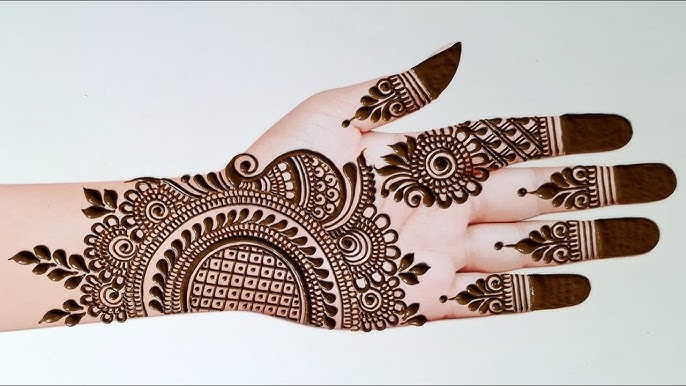
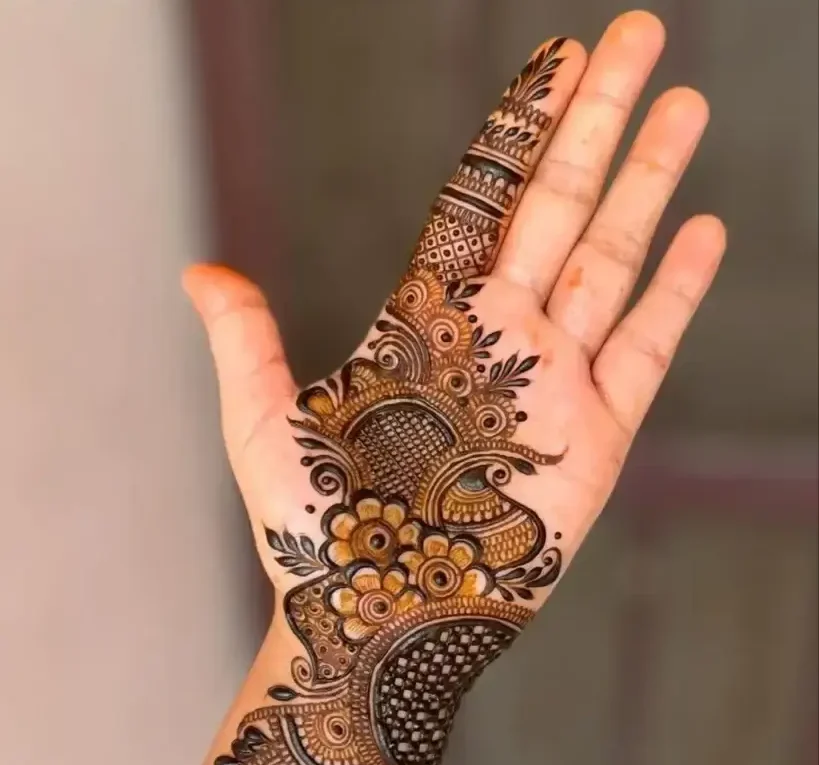
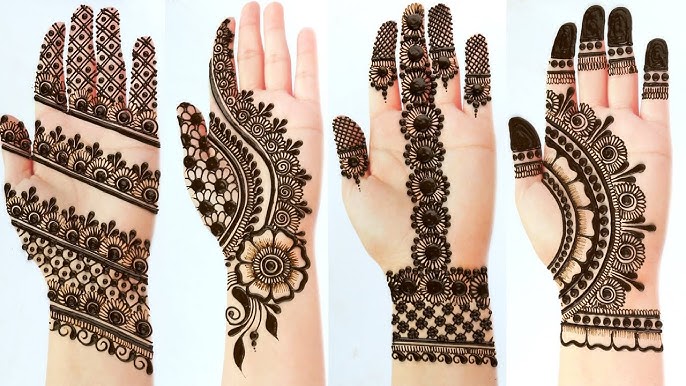
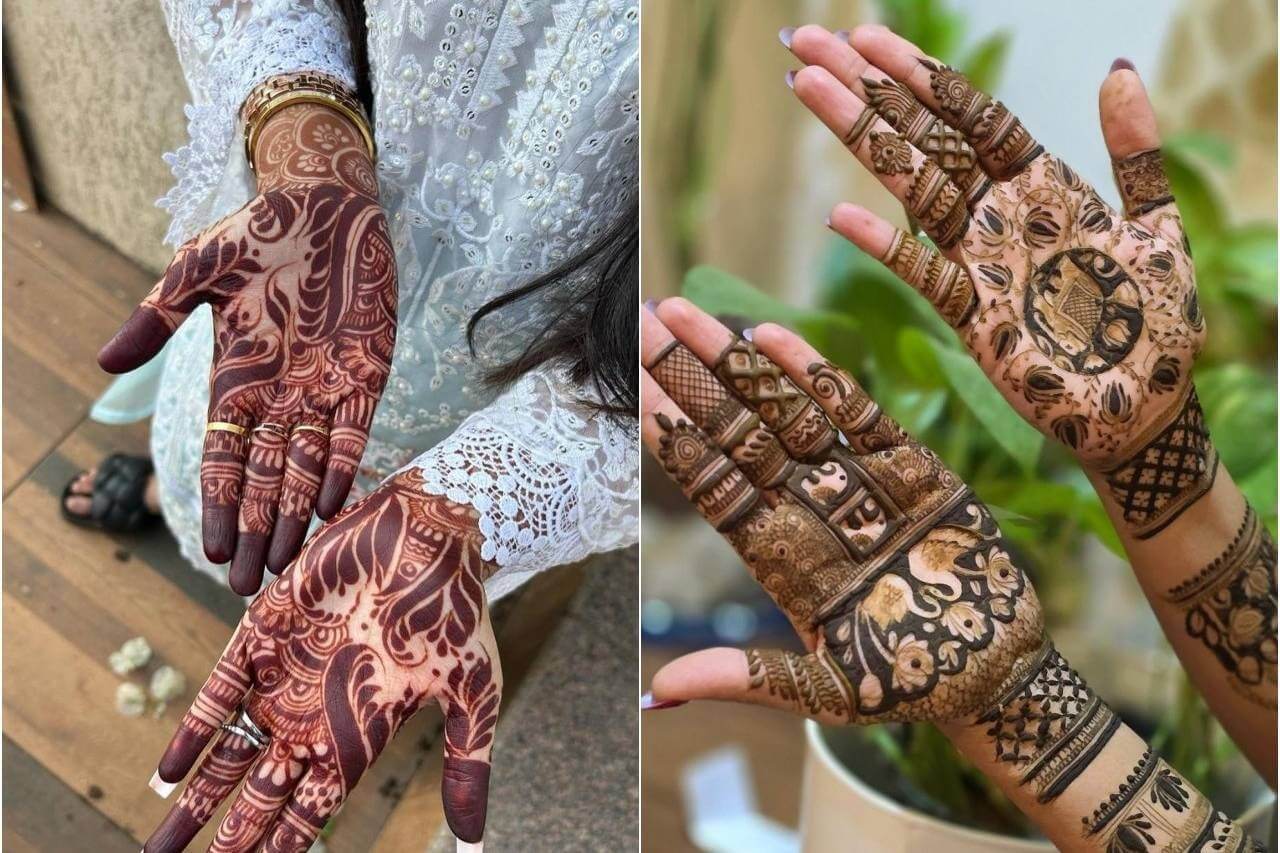
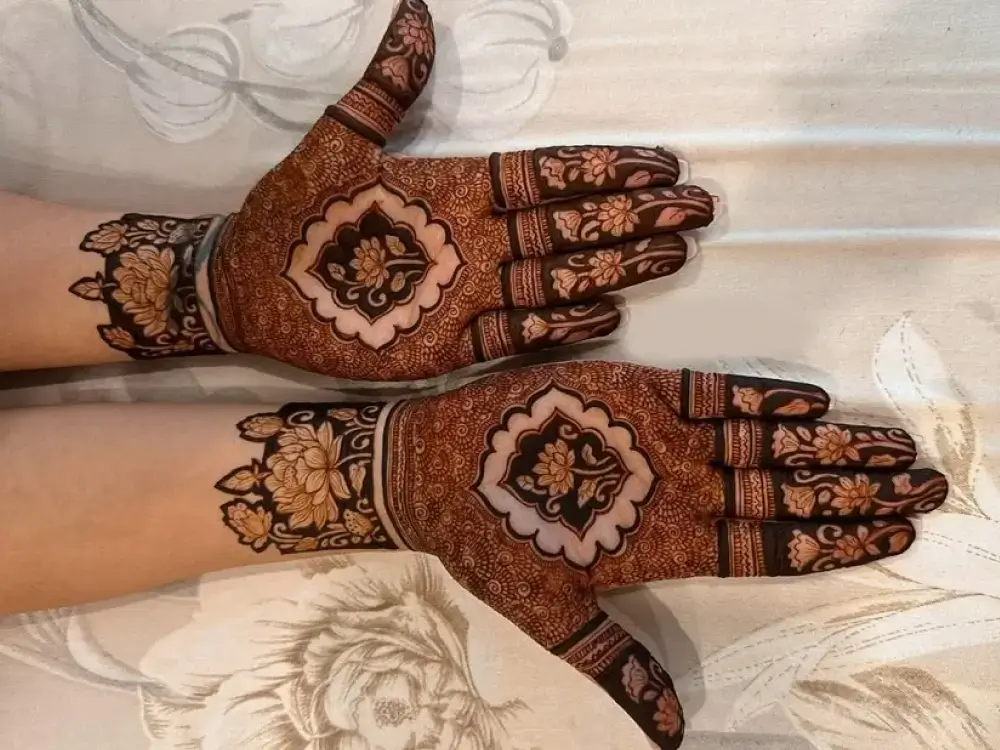
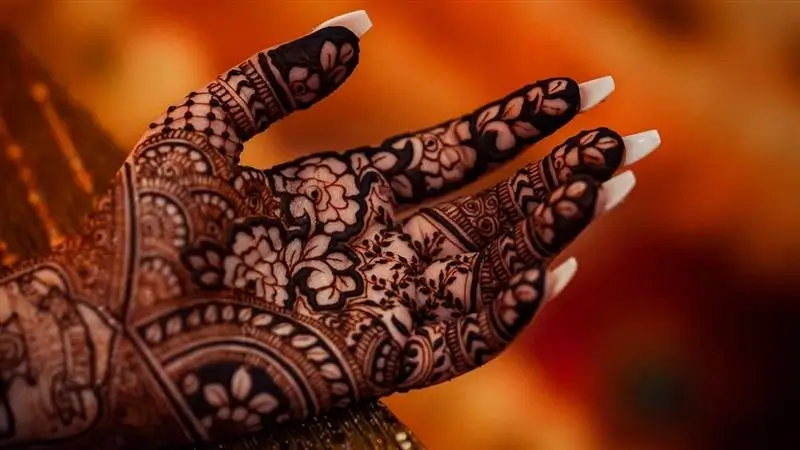
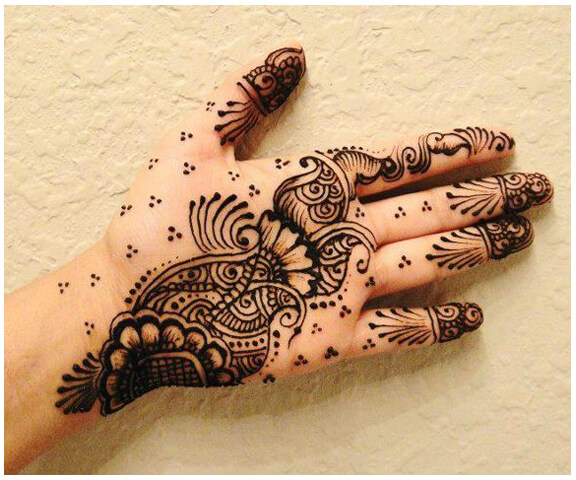
Easy mehndi design front hand patterns are the most searched henna styles because everyone wants gorgeous palms without hours of waiting. These simple yet stunning designs transform your front hands into beautiful canvases of art that look professional even when applied by beginners.
The front hand is the most visible and celebrated part of mehndi application, making your design choice incredibly important. Whether you are a bride preparing for your wedding, a girl celebrating Eid, or someone trying mehndi for the very first time, easy front hand designs deliver breathtaking results every time.
Why Easy Front Hand Mehndi Designs Are Most Popular
Easy front hand mehndi designs attract millions of searches because they solve the biggest mehndi challenge – beautiful results without complexity. The palm area receives maximum attention during every celebration, greeting, and photograph making it the priority area for henna decoration.
Modern women love easy front hand patterns because they balance tradition with convenience perfectly. You get the cultural significance of mehndi without spending an entire day sitting still and waiting for elaborate designs to complete.
Simple front hand designs also dry faster than heavy elaborate coverage, reducing smudging risks during normal activities. The quick drying time means you can return to wedding preparations, cooking, and celebrations much sooner without worry.
Easy designs look absolutely stunning in photographs because the palm area has perfect flat surface for pattern visibility. Clean simple patterns photograph better than overcrowded heavy designs that can appear muddy and unclear in pictures.
Simple Flower Mehndi Design Front Hand
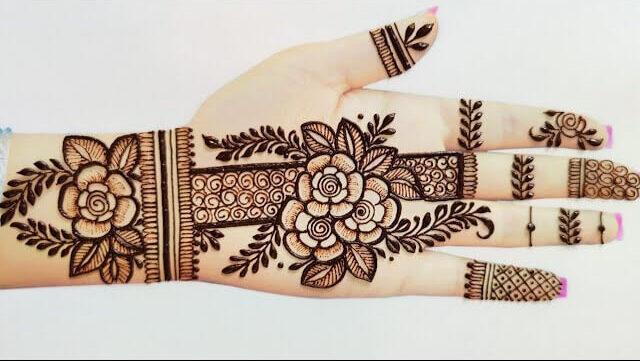
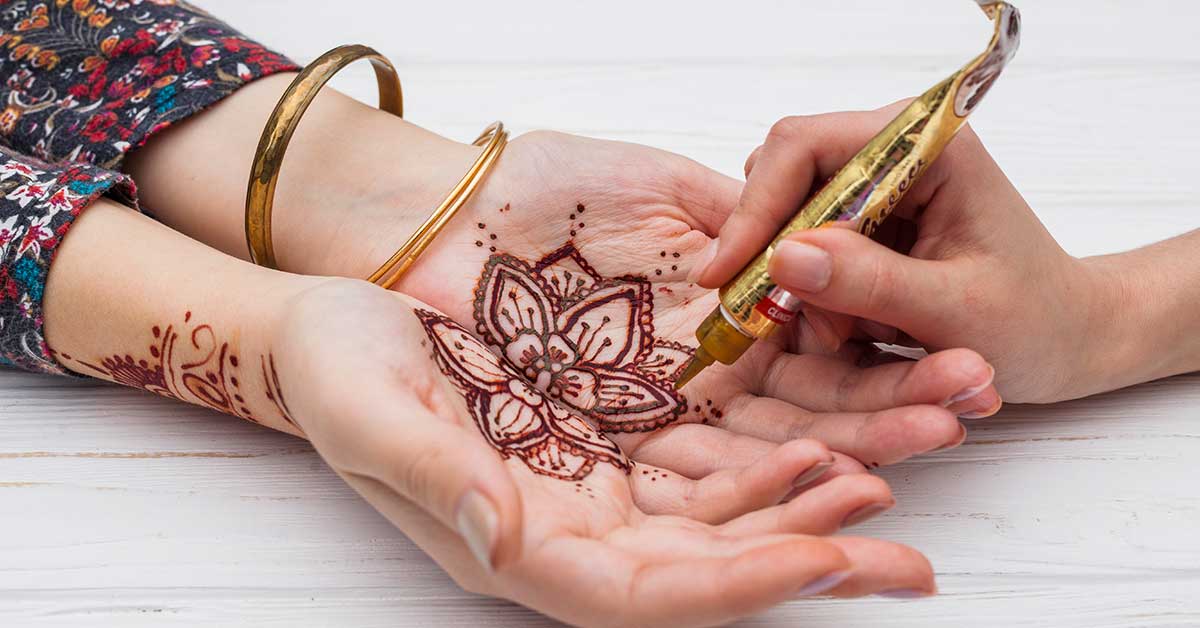
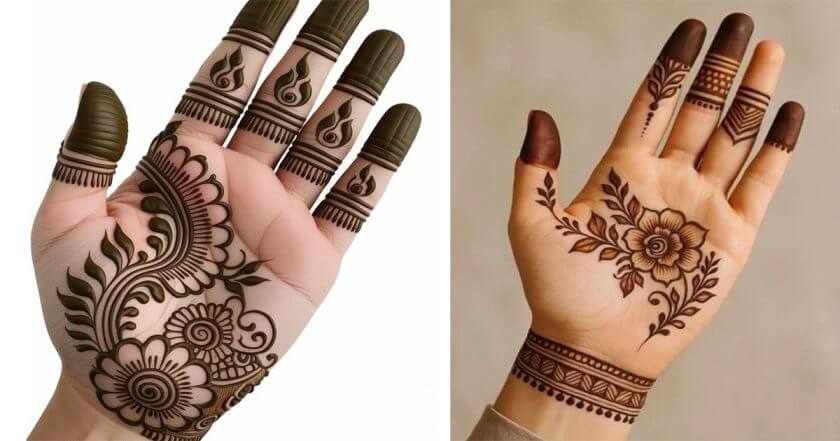
Simple flower mehndi design for front hand remains the most beloved pattern for beginners and experienced artists alike. A single large flower placed in the palm center creates instant elegance that looks professionally done even by beginners.
Draw a small circle in your palm center first, then add five rounded petals radiating outward from it. Surround the flower with small dots, tiny leaves, and delicate curved lines to complete the look beautifully.
Multiple small flowers arranged in clusters across the palm create a garden effect that looks intricate without being complex. Connect these flowers with thin trailing vines for a cohesive complete design that covers the palm beautifully.
Flower designs suit every occasion from casual festivals to formal bridal ceremonies without ever looking inappropriate. Their universal beauty and timeless appeal make them the safest and most satisfying choice for any mehndi occasion.
Easy Arabic Mehndi Design Front Hand
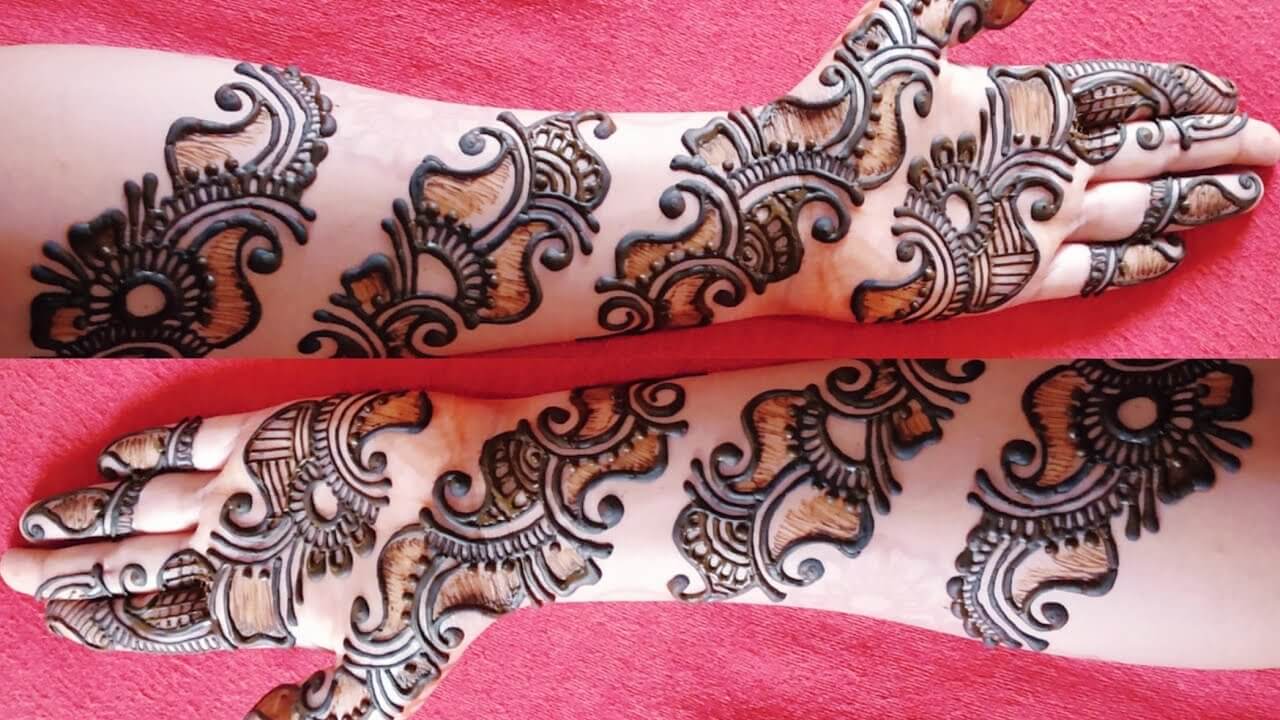
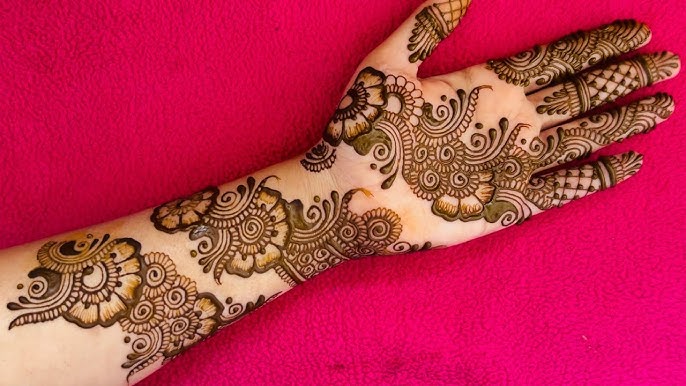
Easy Arabic mehndi design for front hand features bold flowing strokes and large floral motifs with generous negative space. These designs create stunning visual impact quickly without requiring the dense coverage of traditional Indian patterns.
The characteristic bold outlines of Arabic designs make them forgiving for beginners because thick strokes hide minor imperfections. You don’t need perfectly steady hands to create beautiful Arabic front hand patterns that look professional and artistic.
Arabic front hand designs typically start from the wrist area with large flower or leaf motifs flowing toward fingertips. The strategic empty spaces within the design create modern breathable aesthetics that suit contemporary fashion preferences perfectly.
In 2026, easy Arabic front hand designs include personalized touches like initials, small hearts, or meaningful symbols. These personal elements make standard Arabic patterns feel unique and special without adding significant complexity to the overall design.
Easy Mandala Mehndi Design Front Hand
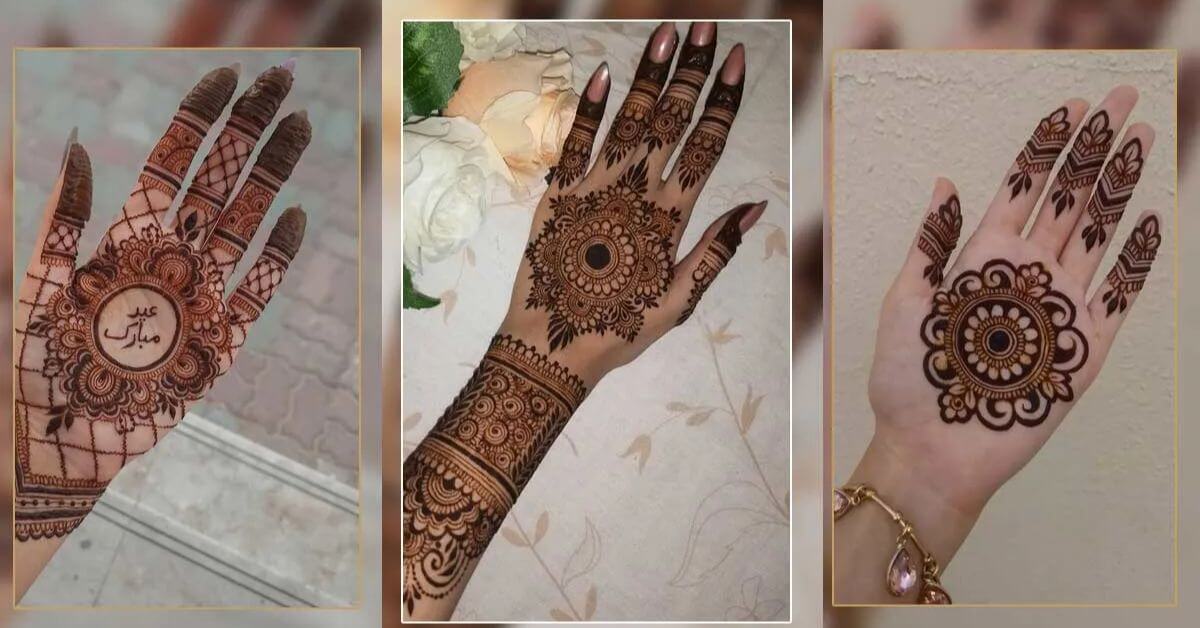
Easy mandala mehndi design for front hand creates mesmerizing circular patterns that look incredibly complex but are surprisingly simple. The mandala’s repetitive symmetrical structure means you draw the same basic shapes repeatedly in a circular arrangement.
Start with a small dot in the exact palm center, then draw circle after circle around it adding petals at each level. This systematic repetitive approach creates beautiful mandalas even when artistic skills are limited or undeveloped.
Half mandalas are even easier and equally stunning for front hand application in minimal time. Place the flat edge near your wrist and let the circular portion fill your palm for a sophisticated incomplete mandala effect.
Mandala designs hold deep spiritual significance, representing balance and harmony which makes them especially meaningful for brides. The spiritual depth combined with visual beauty makes mandala the most requested easy front hand design worldwide.
Easy Lotus Mehndi Design Front Hand
Easy lotus mehndi design for front hand captures natural beauty and spiritual purity in simple elegant patterns. The lotus flower symbolizes new beginnings, making it perfectly meaningful for brides starting their married life journey.
Draw a central oval shape representing the lotus bud, then add elongated petals radiating outward on all sides. Include small curved lines within each petal for added detail that looks intricate despite requiring minimal artistic skill.
Surround the lotus with small dots, gentle curved vines, and tiny leaf shapes to complete the design beautifully. This simple surrounding work frames the central lotus while filling the palm naturally without overcrowding the overall pattern.
The lotus design looks equally beautiful as minimal single motif or as part of larger decorative compositions. This versatility makes it perfect for both quick festival applications and slightly more elaborate wedding preparation sessions.
Easy Jharokha Mehndi Design Front Hand
Easy jharokha mehndi design for front hand features architectural window-inspired patterns that look royal and sophisticated. These lattice-style designs create stunning visual impact while being surprisingly easy to draw with basic cone control.
Draw a simple arched frame shape in your palm center mimicking a traditional Rajasthani window structure. Fill the inside with dots, small flowers, or geometric shapes and add decorative elements around the frame for completion.
Jharokha designs work wonderfully as standalone palm designs without requiring finger or wrist coverage simultaneously. This self-contained nature makes them ideal for quick application sessions where time is limited but stunning results are required.
The architectural heritage behind jharokha patterns adds cultural depth and storytelling to your mehndi beyond just decoration. Brides and women who appreciate cultural significance especially love these meaningful patterns with historical connections.
Easy Spiral And Swirl Front Hand Mehndi
Easy spiral and swirl mehndi designs create captivating abstract patterns on front hands without requiring artistic precision. The flowing nature of spirals means small imperfections blend naturally into the organic movement of the design.
Start from the palm center with a tight spiral that gradually expands outward in circular motion. Add additional smaller spirals near fingertips and along the wrist for a complete cohesive pattern that covers the hand beautifully.
Swirl designs combine multiple curved lines flowing in the same direction creating sense of movement and rhythm. These dynamic patterns look modern and contemporary while still maintaining the cultural aesthetic of traditional mehndi artistry.
Spiral and swirl patterns are particularly forgiving for shaky hands or beginners still developing cone control skills. The abstract nature means there are no specific shapes to get exactly right – flowing movement is the only requirement.
Easy Bridal Front Hand Mehndi Design
Easy bridal front hand mehndi design provides brides with stunning henna without the 6-8 hour traditional application marathon. Modern brides are discovering that strategic simple patterns create equally beautiful results in a fraction of the time.
Focus on the palm center with a beautiful mandala or floral motif surrounded by minimal supporting elements. Add delicate wrist details and light finger work to create complete bridal coverage without overwhelming heavy patterns anywhere.
Many modern brides choose semi-minimal approaches that combine one elaborate palm focal point with simple surrounding work. This balance delivers bridal richness while maintaining the comfort and practicality needed for long wedding celebrations.
Simple bridal front hand mehndi showcases engagement rings and bridal jewelry without competition from heavy patterns. The clean elegant aesthetic complements expensive bridal accessories while maintaining the traditional significance of wedding mehndi beautifully.
Easy Geometric Mehndi Design Front Hand
Easy geometric mehndi design for front hand brings modern artistic sensibility to traditional henna art beautifully. Clean triangles, diamonds, hexagons, and chevrons create sophisticated contemporary looks that appeal to young fashion-conscious women.
Draw basic geometric shapes in the palm center then repeat and connect them in organized patterns radiating outward. The structured systematic nature of geometry makes these designs especially easy for beginners who struggle with organic flowing shapes.
Geometric front hand mehndi photographs exceptionally well, creating high-contrast images perfect for social media sharing. The bold lines and precise angles deliver maximum visual impact in photographs and Instagram stories that brides love.
Combining geometric shapes with small flower details creates beautiful fusion designs bridging modern and traditional aesthetics. These mixed-style patterns appeal to contemporary brides wanting innovation while still honoring henna tradition meaningfully.
Easy Cuff Style Front Hand Mehndi
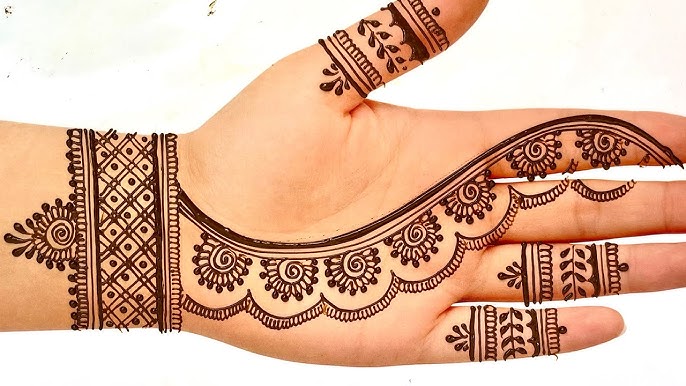
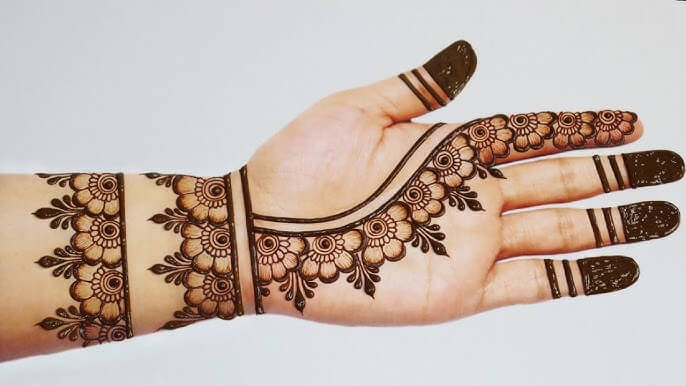
Easy cuff style mehndi creates the illusion of beautiful jewelry drawn across the palm and wrist area beautifully. These designs function as decorative bands that frame the hand elegantly while remaining quick and simple to apply.
Draw a decorative band across the lower palm connecting both sides with flowers, geometric shapes, or flowing vines. Extend small elements upward toward fingers and downward across the wrist for a complete cuff effect that looks stunning.
Cuff designs work wonderfully as standalone patterns without requiring full palm or finger coverage simultaneously. This minimal approach delivers maximum elegance in minimal application time – perfect for busy women and modern celebrations.
Many women choose cuff designs specifically to highlight beautiful bangles and bracelets worn alongside henna. The jewelry-inspired mehndi creates stunning layered visual effects when combined with actual metal accessories and wedding jewelry pieces.
Easy Paisley Mehndi Design Front Hand
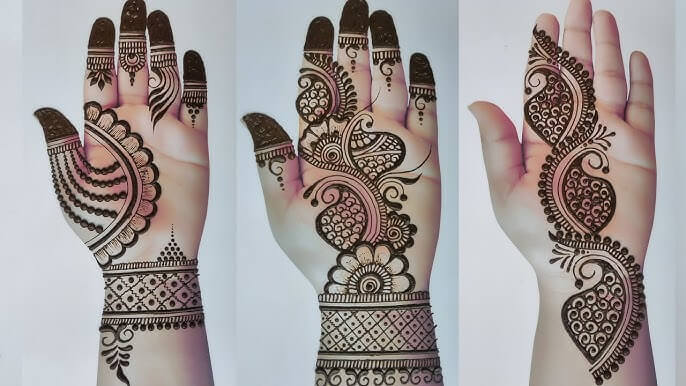
Easy paisley mehndi design creates classic teardrop patterns that are fundamental to traditional South Asian henna art. These curved shapes are among the simplest mehndi elements to draw while delivering authentic traditional aesthetic appeal.
Draw a basic teardrop shape and add a curved hook at the pointed end to create a classic paisley. Fill the inside with dots, small lines, or leave it empty, depending on how detailed you want the overall design to be.
Multiple paisleys arranged in circular patterns around the palm create beautiful complete designs without complex techniques. The repetitive nature of paisley arrangements makes them ideal for beginners practicing consistent shape creation and spacing.
Paisley designs carry centuries of cultural heritage in South Asian and Middle Eastern decorative traditions. Choosing paisley mehndi connects you to this rich artistic history while creating beautiful contemporary henna decoration simultaneously.
Step-by-Step Easy Front Hand Mehndi Guide
Learning easy front hand mehndi through step-by-step guidance builds confidence and produces beautiful consistent results.
Step 1 – Prepare your hand: Clean your front hand thoroughly with mild soap removing all oil, lotion, and dirt completely. Dry hands are essential for proper henna adhesion and achieving the darkest possible color staining results.
Step 2 – Plan your design: Decide on your central motif – flower, mandala, lotus, or geometric shape before starting application. Having a clear mental plan prevents hesitation and creates more confident flowing strokes throughout the design.
Step 3 – Start from palm center: Begin drawing your central motif in the palm center working outward toward edges systematically. Starting from center ensures your focal point is properly positioned and proportioned on your hand.
Step 4 – Add supporting elements: Once your central design is complete, add surrounding dots, vines, and small leaves to frame it beautifully. These supporting elements complete the design while filling remaining empty palm spaces naturally.
Step 5 – Work toward fingers: Extend delicate vines or simple patterns from palm toward lower fingers for cohesive complete appearance. Keep finger designs lighter than palm work to maintain visual balance throughout the complete hand design.
Step 6 – Add wrist finishing: Complete your front hand design with a delicate wrist band or small trailing elements connecting palm to arm. This finishing touch creates polished professional appearance making the overall design feel intentionally complete.
Expert Tips For Easy Front Hand Mehndi
Using fresh high-quality natural henna cone is the most important factor determining your design’s final quality and color. Old or chemical-laden henna produces poor results regardless of how skilled your application technique might be.
Hold the cone like a pen between your thumb and forefinger for maximum control and natural movement. This familiar grip transfers your drawing instincts directly to henna application making patterns feel more natural and controlled.
Keep your elbow firmly supported on a stable flat surface while applying mehndi for steady consistent strokes. Unsupported arms create shaking and uneven lines that make even simple designs look amateurish and poorly executed.
Start every design element with light thin strokes that you can thicken and reinforce afterward if desired. Thin starting strokes give you corrective flexibility that thick heavy beginnings never allow once paste is applied to skin.
Practice your chosen design on paper multiple times before applying on skin for important occasions. Paper practice develops muscle memory and design familiarity that translates directly into more confident professional-looking skin application results.
Aftercare For Long-Lasting Front Hand Mehndi Color
Keeping mehndi paste on for a minimum 6-8 hours dramatically increases the final color depth and richness on front hands. Overnight application produces the darkest most vibrant results that last beautifully through entire wedding and festival seasons.
Apply lemon juice and sugar mixture gently on dried mehndi to seal the paste and enhance color development. This traditional aftercare trick has been used for generations and consistently produces darker, more lasting results effectively.
Avoid all water contact for 24 hours after removing dried paste to allow complete stain oxidation and darkening. The first 24 hours are crucial for color development – water exposure during this period significantly lightens final results.
Moisturize your front hand daily with coconut, olive, or mustard oil to maintain color vibrancy and design clarity. Natural oil moisturizing extends mehndi life significantly while keeping hands soft, smooth, and beautifully maintained throughout.
Conclusion
Easy mehndi design front hand patterns prove that stunning beauty never requires hours of complex application or professional expertise. These accessible patterns make gorgeous henna available to everyone regardless of skill level, available time, or artistic experience.
Whether you choose simple flowers, bold Arabic patterns, spiritual mandalas, or contemporary geometric designs, your front hand mehndi will be beautiful. The key is choosing patterns matching your comfort level while gradually building skills and confidence over time.
Start your easy front hand mehndi journey today by practicing basic shapes, investing in quality henna, and following proper aftercare. Beautiful decorated hands await you with just a little practice, patience, and the right design inspiration!
Explore all easy mehndi design front hand patterns now and discover gorgeous henna art that transforms your palm into a stunning canvas of tradition, beauty, and personal expression! 🌸
FAQ
Q: Which is the easiest front hand mehndi design for absolute beginners?
A: Single flower in palm center surrounded by dots is the absolute easiest. It requires only basic shapes – circle, petals, and dots – that anyone can draw with minimal practice.
Q: How long does easy front hand mehndi take to apply?
A: Easy front hand designs take 15-45 minutes depending on complexity. Ultra-simple single motifs take just 10-15 minutes while medium complexity designs take 30-45 minutes complete.
Q: How can I make my front hand mehndi color darker naturally?
A: Keep paste on 8+ hours, apply lemon-sugar solution, avoid water 24 hours after removal, and moisturize daily with coconut oil. These steps consistently produce the darkest natural color results.
Q: Can I apply easy front hand mehndi myself without professional help?
A: Absolutely! Easy designs are specifically suited for self-application. Practice on paper first, use quality fresh henna, support your elbow, and start with simple flower or mandala patterns.
Q: What’s the best easy front hand design for weddings?
A: Simple mandala, lotus flower, or jharokha design works beautifully for weddings. These patterns look bridal and sophisticated while applying in 1-2 hours instead of traditional 6-8 hours.
Q: Do easy front hand designs last as long as heavy designs?
A: Yes! Longevity depends on aftercare quality, not design complexity. Easy designs with proper care last 1-2 weeks identical to elaborate heavy coverage patterns on the same skin type.
Q: What materials do I need for easy front hand mehndi at home?
A: You need fresh natural henna cone, tissue for cleanup, lemon-sugar solution for sealing, and natural oil for aftercare. These four basic items enable beautiful professional-looking results at home.
Q: Which front hand design is trending most in 2026?
A: Minimal mandala, easy Arabic florals, geometric fusion, and personalized patterns are most trending. Modern women prefer strategic simple designs over traditional heavy full-coverage front hand mehndi.
Q: How do I choose between Arabic and Indian style front hand mehndi?
A: Arabic features bold strokes with negative space while Indian uses dense detailed patterns. Arabic suits modern minimalist preferences while Indian suits traditional cultural ceremonies and heavily embellished bridal looks.
Q: Is front hand or back hand mehndi better for beginners?
A: Both work for beginners but front hand offers flat palm canvas making pattern placement easier. You can also see your design clearly while applying, giving better control over the complete process.