
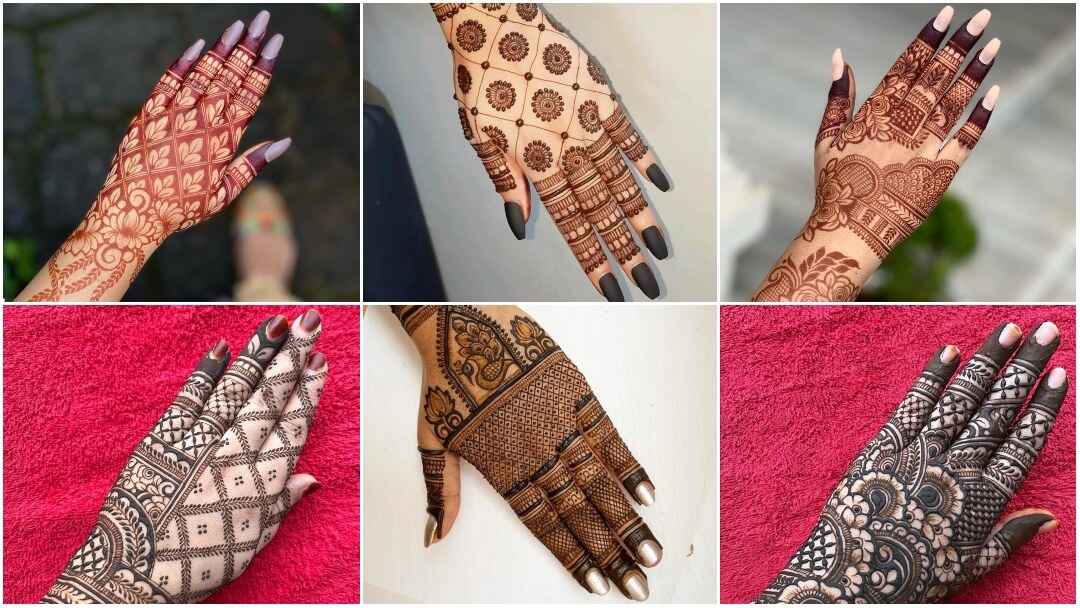
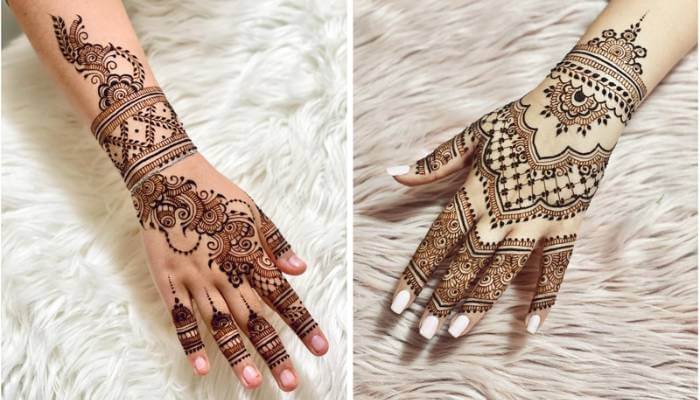
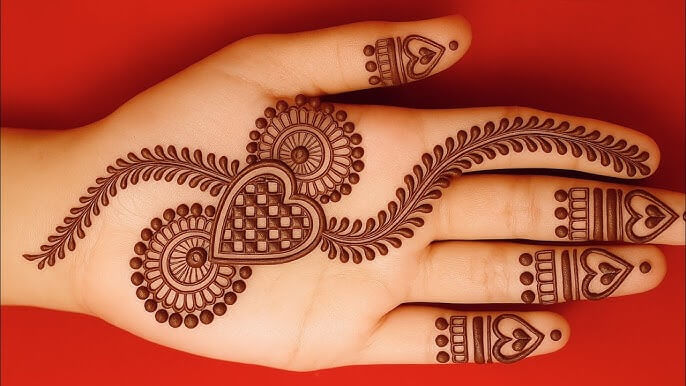
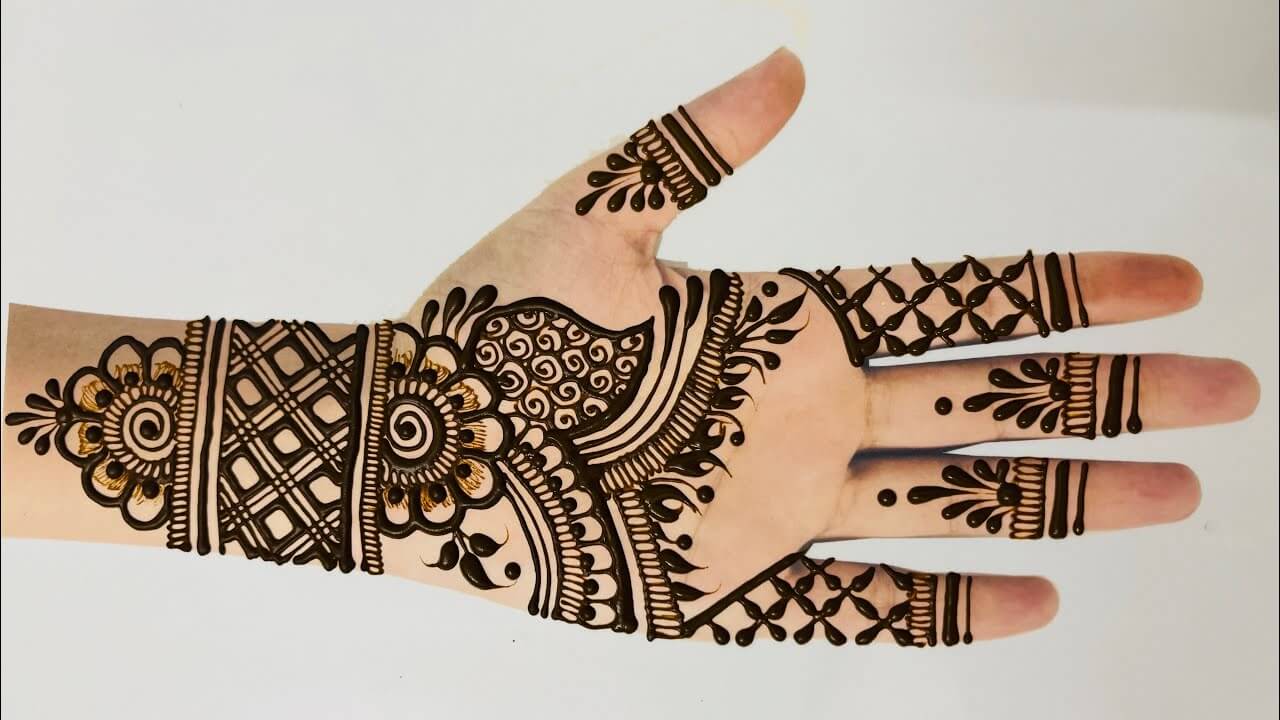
Introduction
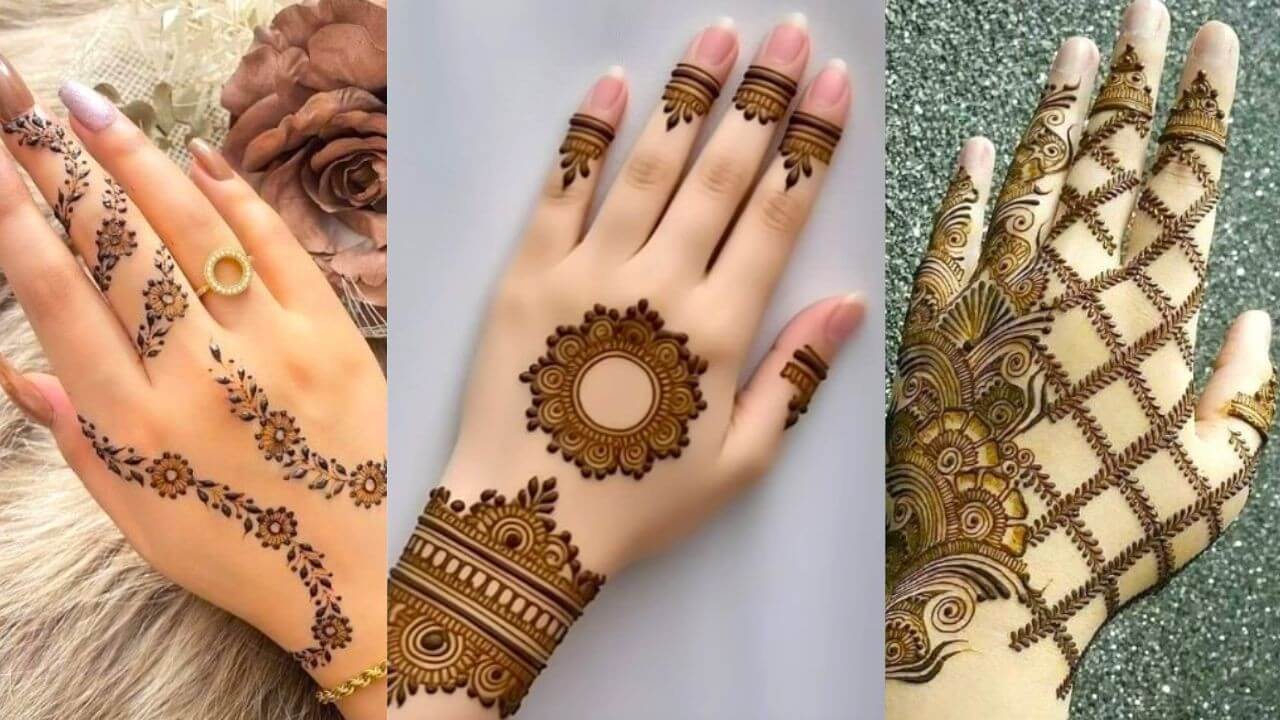
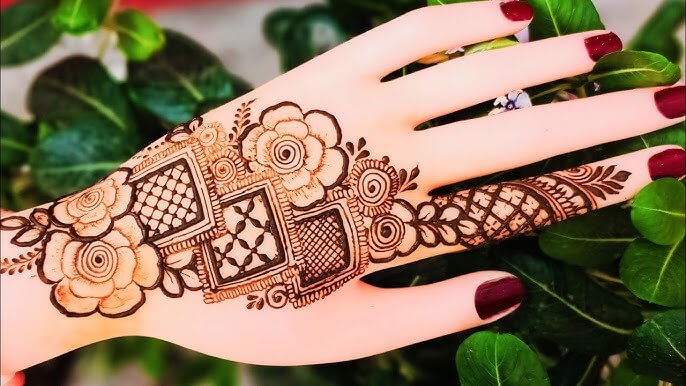
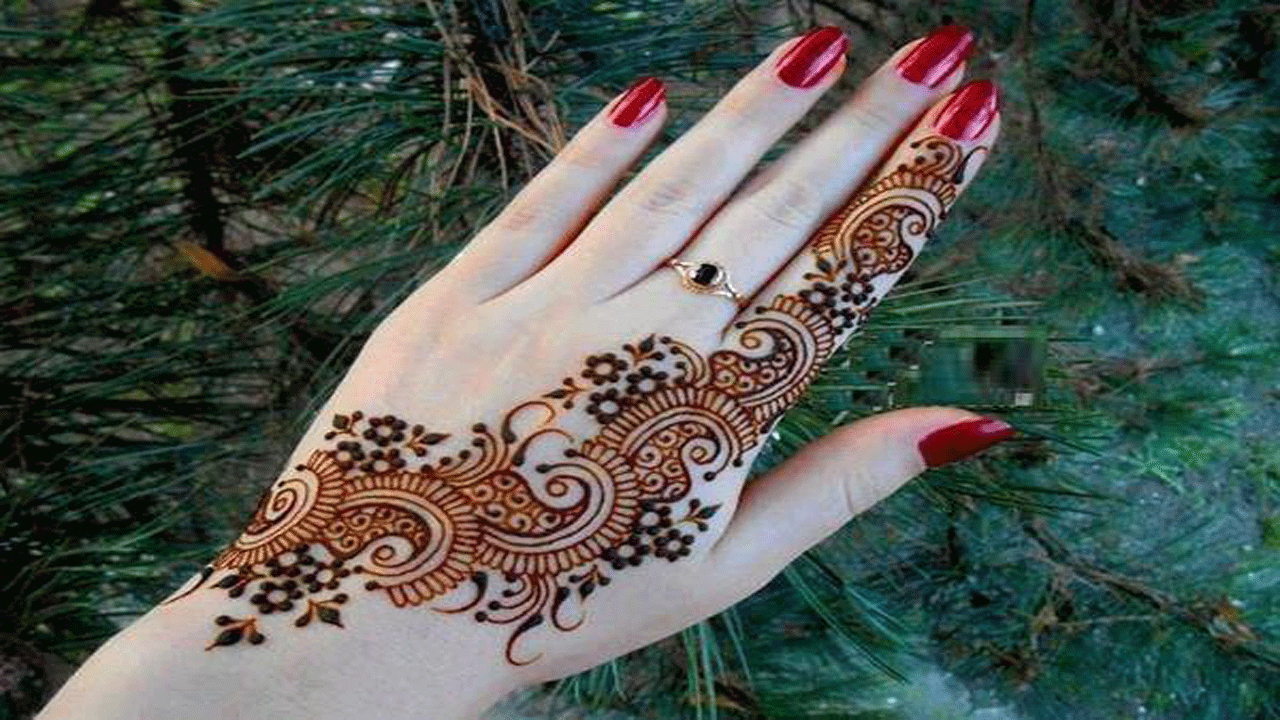
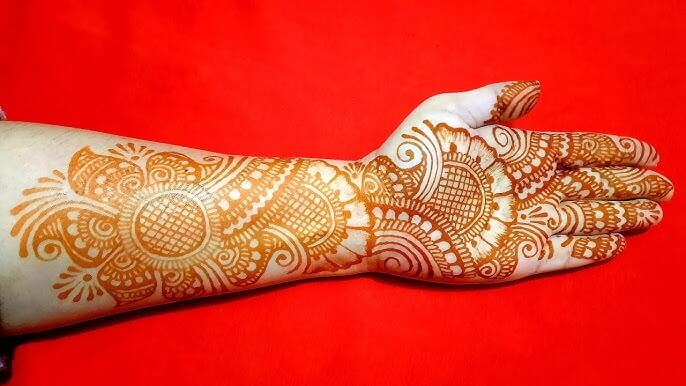
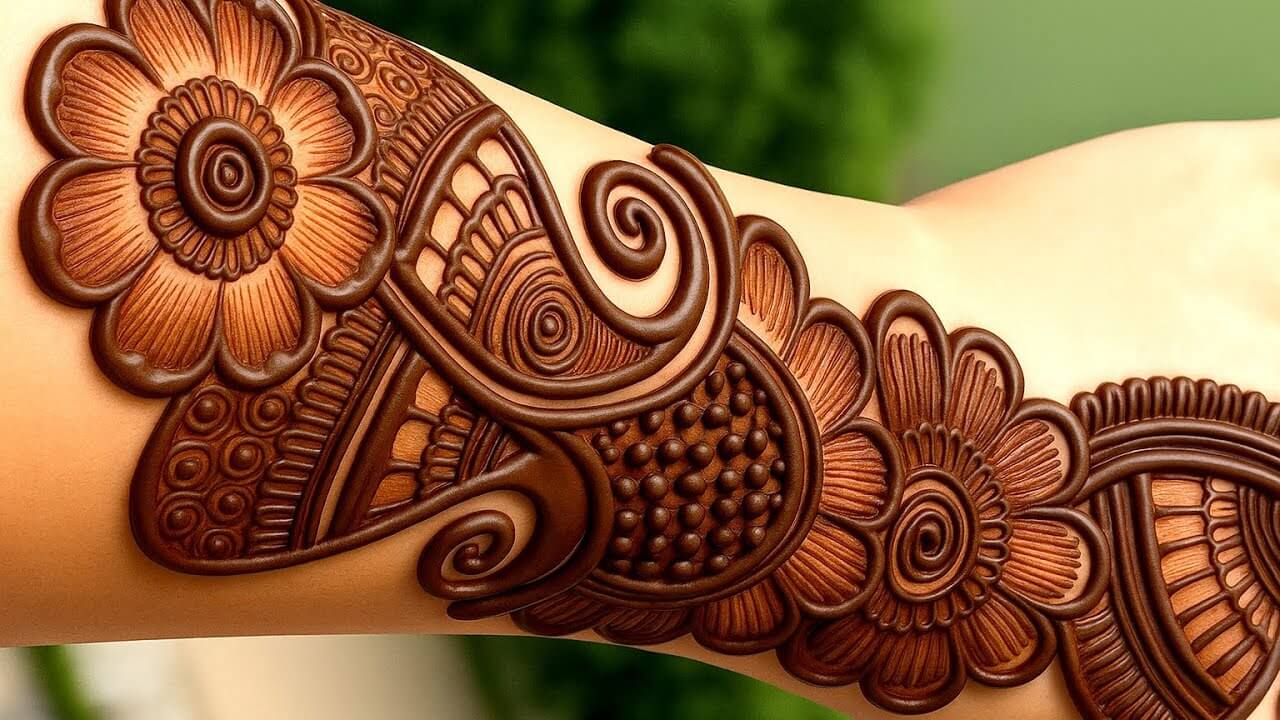
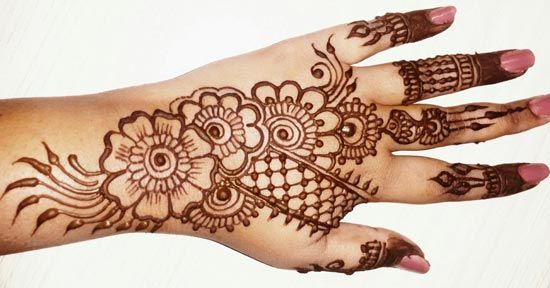
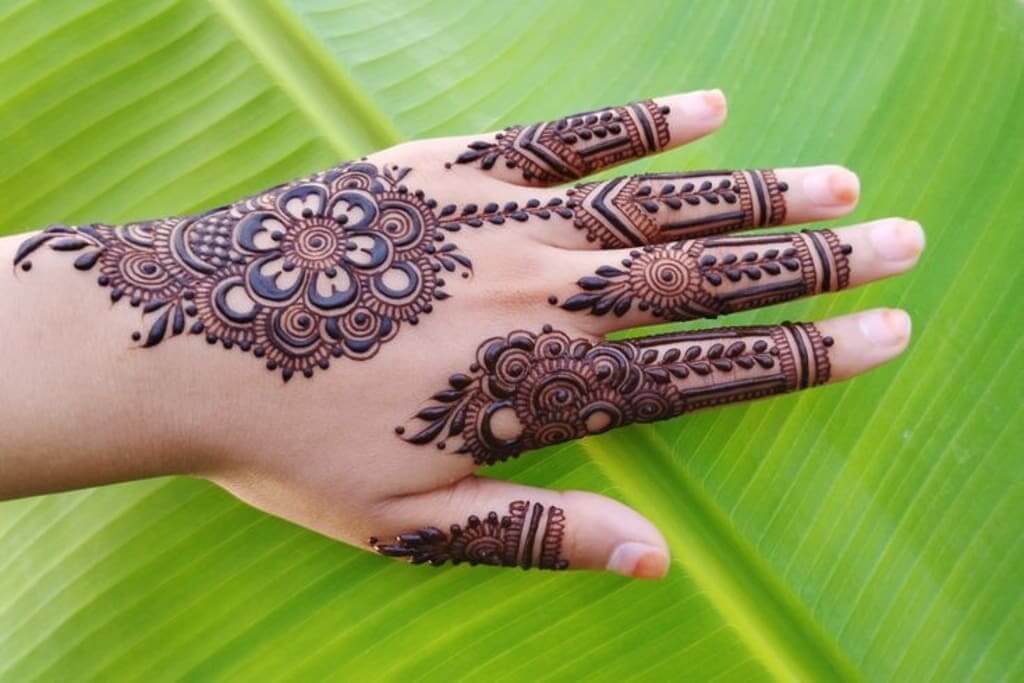
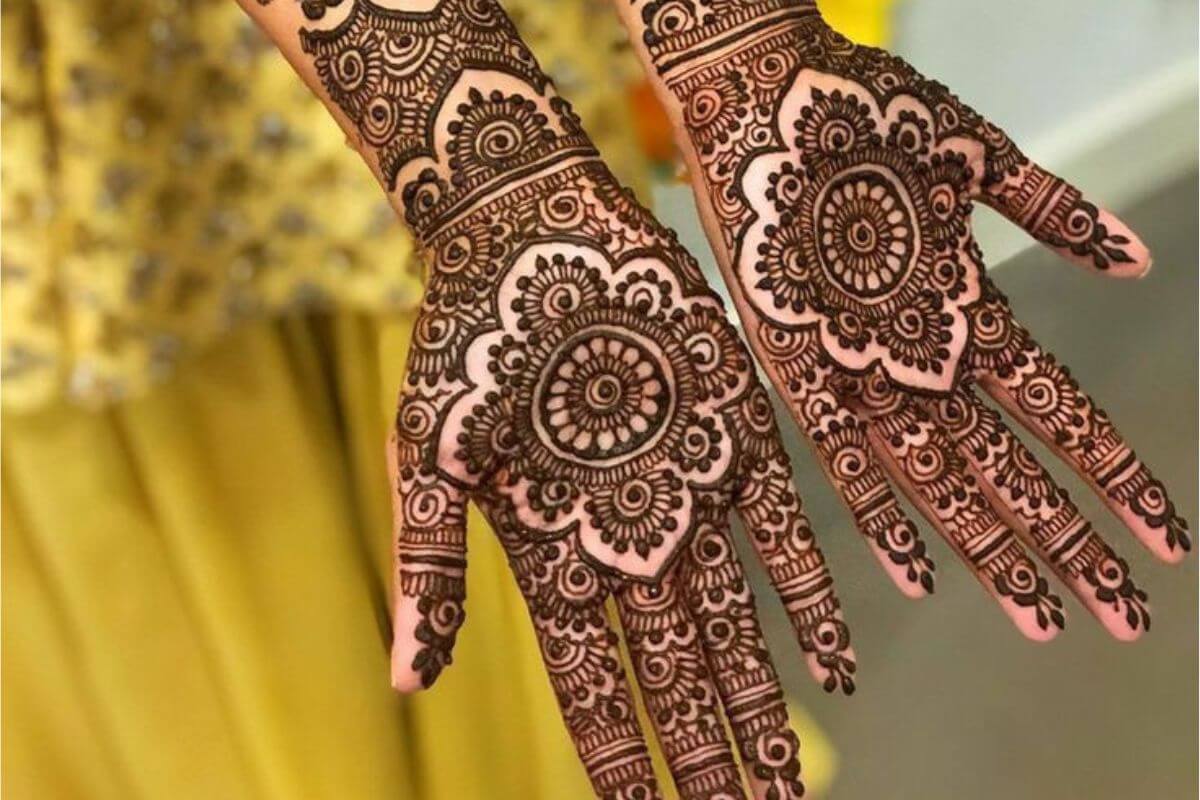
Indian mehndi designs represent the richest and most diverse tradition of henna artistry in the world, combining centuries of cultural heritage with endless creative innovation.
From the elaborate Rajasthani patterns covering brides’ fingertips to elbows to the delicate Marwari designs that tell stories through intricate symbols, Indian mehndi showcases unparalleled artistic complexity and cultural depth.
Whether you seek traditional bridal masterpieces for your wedding day, contemporary patterns for festive celebrations, or quick designs for casual occasions, this comprehensive guide presents over 30 Indian mehndi designs with complete cultural context and practical application techniques.
Explore regional variations, master traditional motifs, and discover how ancient Indian henna art continues evolving while maintaining its sacred cultural significance in 2026.
What Makes Indian Mehndi Designs Unique and Special
Indian mehndi designs stand apart from all other henna traditions through their characteristic density, intricate filling, and symbolic richness.
Unlike Arabic mehndi that embraces negative space or African designs featuring bold geometric patterns, Indian mehndi philosophy celebrates comprehensive coverage where no area remains undecorated.
The cultural significance embedded within Indian mehndi designs elevates them beyond mere decoration into sacred ritual art. Each motif carries meaning – paisley represents fertility, peacock symbolizes beauty, lotus signifies purity, and mango indicates prosperity.
Brides wearing traditional Indian mehndi literally wear blessings and well-wishes across their skin. The diversity of Indian mehndi designs reflects India’s vast cultural landscape, in which different regions developed distinctive styles over centuries.
Rajasthani traditions differ dramatically from Bengali preferences, while Gujarati patterns share little resemblance with South Indian customs, yet all remain unmistakably Indian in their complexity and symbolism.
Regional Indian Mehndi Design Styles Explained
Rajasthani Mehndi Designs Royal Traditional Patterns
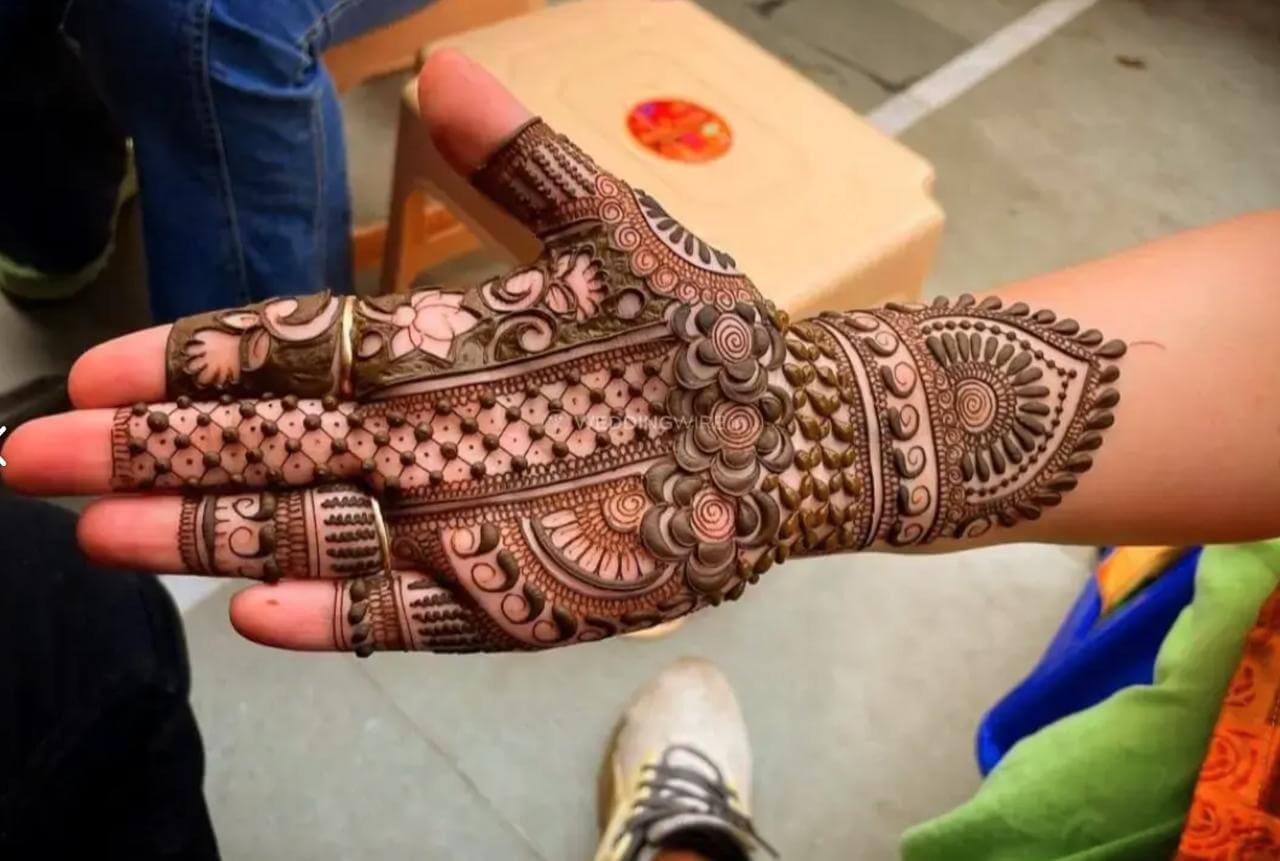
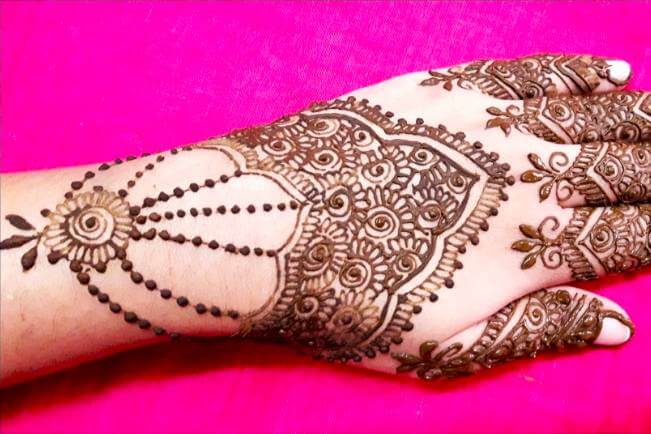
Rajasthani Indian mehndi designs embody royal grandeur through their elaborate patterns reflecting Rajput court traditions. These designs feature complete hand and arm coverage extending from fingertips to elbows, often continuing down the legs from toes past ankles, creating comprehensive henna tapestries.
Traditional Rajasthani motifs include kings and queens depicted on horseback, palace architecture, royal processions, puppet figures, mirror work representations, and elaborate paisleys symbolizing mango trees.
The density of these patterns leaves virtually no skin visible, demonstrating the artist’s skill and the bride’s patience through hours of careful application.
Modern Rajasthani Indian mehndi designs maintain traditional motif vocabulary while streamlining execution for contemporary time constraints. Brides might choose traditional coverage with simplified internal details, or select signature Rajasthani elements like puppet figures combined with quicker contemporary filling techniques.
Marwari Mehndi Designs Traditional Mango & Peacock
Marwari Indian mehndi designs center around two iconic motifs – the mango (representing fertility and prosperity) and the peacock (symbolizing grace and beauty). These traditional patterns have been perfected over generations within the Marwari community.
The basic mango shape provides a foundation that artists fill with countless internal patterns – dots, checks, loops, circles, and geometric arrangements create variety within standardized outlines. Similarly, peacock bodies follow mango shapes with added heads, beaks, eyes, and elaborate feather extensions decorated with characteristic peacock eye spots.
What makes Marwari Indian mehndi designs especially beginner-friendly is their forgiving nature – the repetitive mango and peacock motifs allow practice and mastery of core shapes while internal filling offers creative freedom. Mistakes blend naturally into the dense overall pattern.
Gujarati Mehndi Designs Garba & Festival Patterns
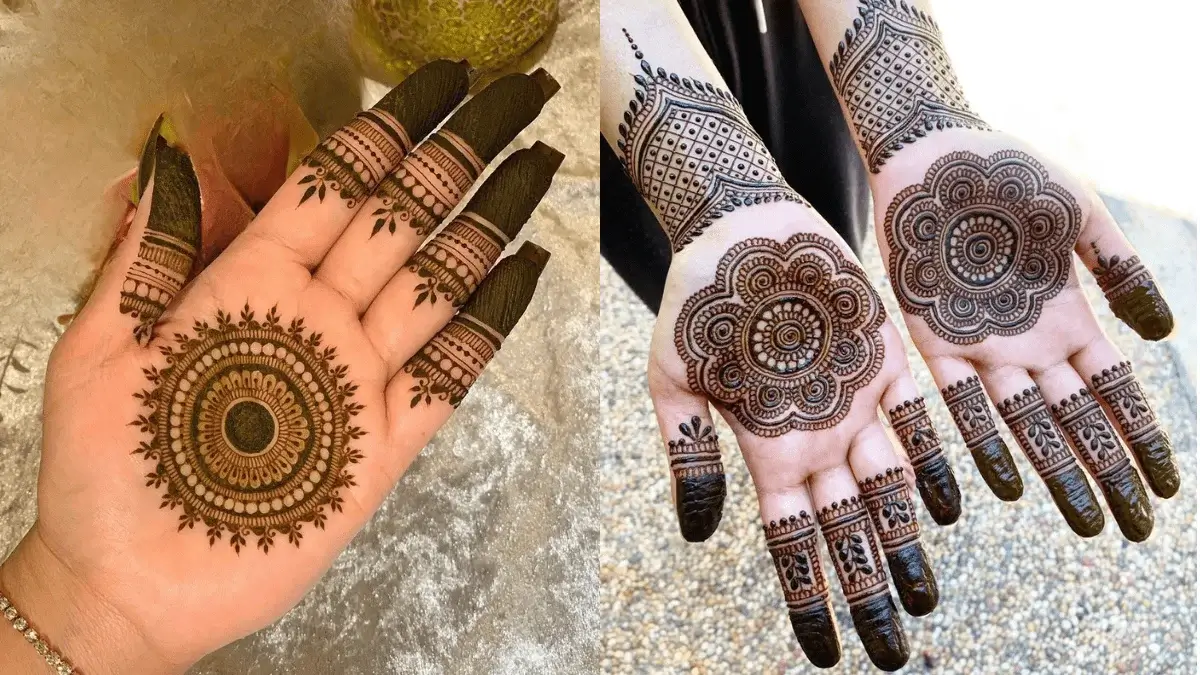
Gujarati Indian mehndi designs incorporate cultural elements from Gujarat’s vibrant festival traditions, particularly Navratri celebrations. Garba dancer poses, dandiya sticks, and circular mandala patterns reflecting garba circle dances appear prominently in these regional designs.
The characteristic open palm centers in Gujarati patterns differ from dense Rajasthani coverage, creating space for large central motifs surrounded by complementary border designs. This balance between filled and empty areas makes the Gujarati Indian mehndi designs photograph particularly well.
Bengali Mehndi Designs Alpana Inspired Patterns
Bengali Indian mehndi designs draw inspiration from alpana (rice paste floor art) traditions practiced during festivals and celebrations. These patterns feature fine lines, dot work, fish motifs symbolizing prosperity, and geometric arrangements reflecting the precision of traditional alpana artistry.
Fish, lotus, and conch shell symbols prevalent in Bengali culture find expression in these distinctive Indian mehndi designs. The delicate nature of Bengali patterns suits brides seeking elegant sophistication rather than overwhelming dense coverage.
South Indian Mehndi Designs Temple & Nature Motifs
South Indian mehndi designs incorporate temple architecture, coconut palm trees, Kathakali dancer figures, and traditional kolam (rangoli) patterns. These designs often feature bolder, thicker lines compared to the fine detail work characteristic of North Indian traditions.
The practical South Indian approach to Indian mehndi designs emphasizes quick application and clear visibility. While equally beautiful, South Indian patterns typically require less time than elaborate Rajasthani work, making them practical choices for busy modern brides.
Traditional Indian Mehndi Design Motifs and Their Meanings
Paisley and Mango Motifs
Paisley and mango motifs dominate Indian mehndi designs as fundamental building blocks appearing in virtually every traditional pattern. The distinctive teardrop shape symbolizes fertility, abundance, and the life-giving mango fruit celebrated across Indian culture.
Artists create endless variations by modifying paisley sizes, orientations, and internal filling patterns. Large paisleys anchor palm centers while smaller versions fill surrounding spaces, and connecting vines create cohesive overall compositions from individual paisley elements.
Peacock and Bird Designs
Peacock motifs in Indian mehndi designs celebrate India’s national bird while symbolizing beauty, grace, and spiritual awakening. The elaborate feather patterns provide perfect opportunities for demonstrating artistic skill through detailed decoration and symmetrical arrangement.
Beyond peacocks, parrots, swans, and other birds appear in Indian mehndi, representing freedom, joy, and connection between earthly and divine realms. Each bird species carriesa specific symbolic meaning within the rich iconography of Indian henna traditions.
Lotus and Floral Patterns
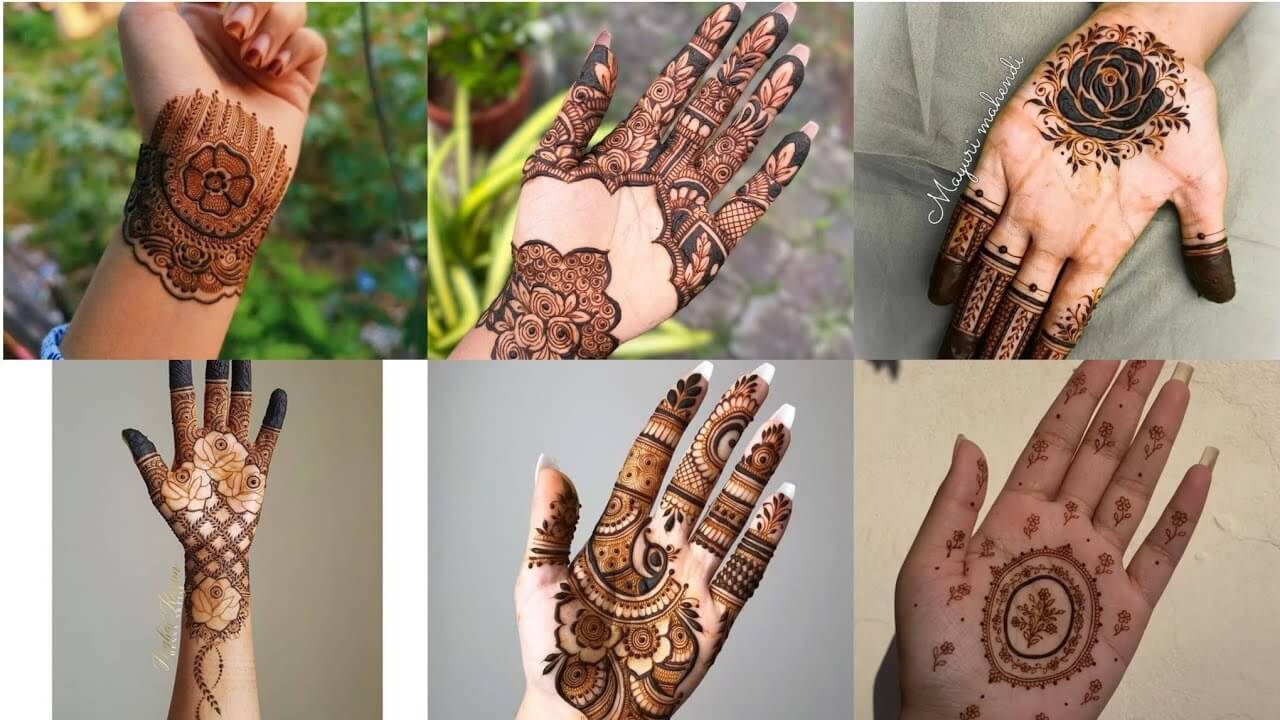
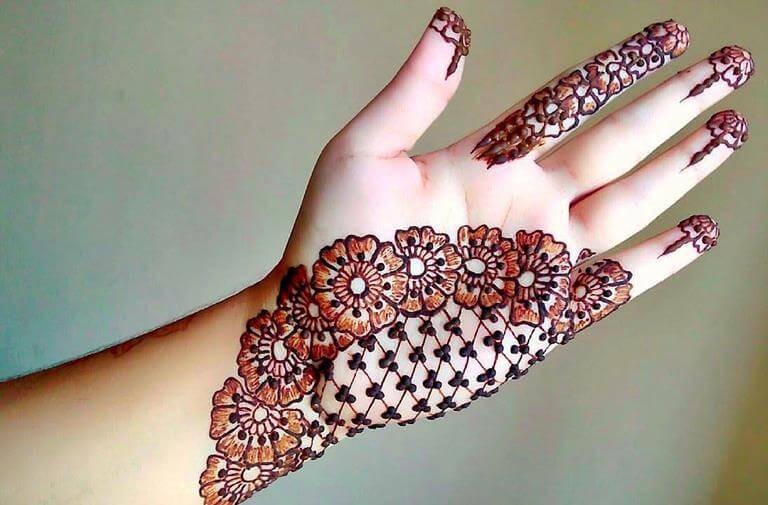
Lotus flowers hold supreme importance in Indian mehndi designs as sacred symbols representing purity, divine beauty, and spiritual enlightenment. The layered petals create natural opportunities for graduated shading and dimensional effects within henna art.
Roses, jasmine, marigolds, and numerous other flowers populate Indian mehndi designs, each carrying cultural associations and aesthetic appeal. The universal beauty of floral motifs makes them beloved elements, transcending regional style differences.
Mandala and Geometric Designs
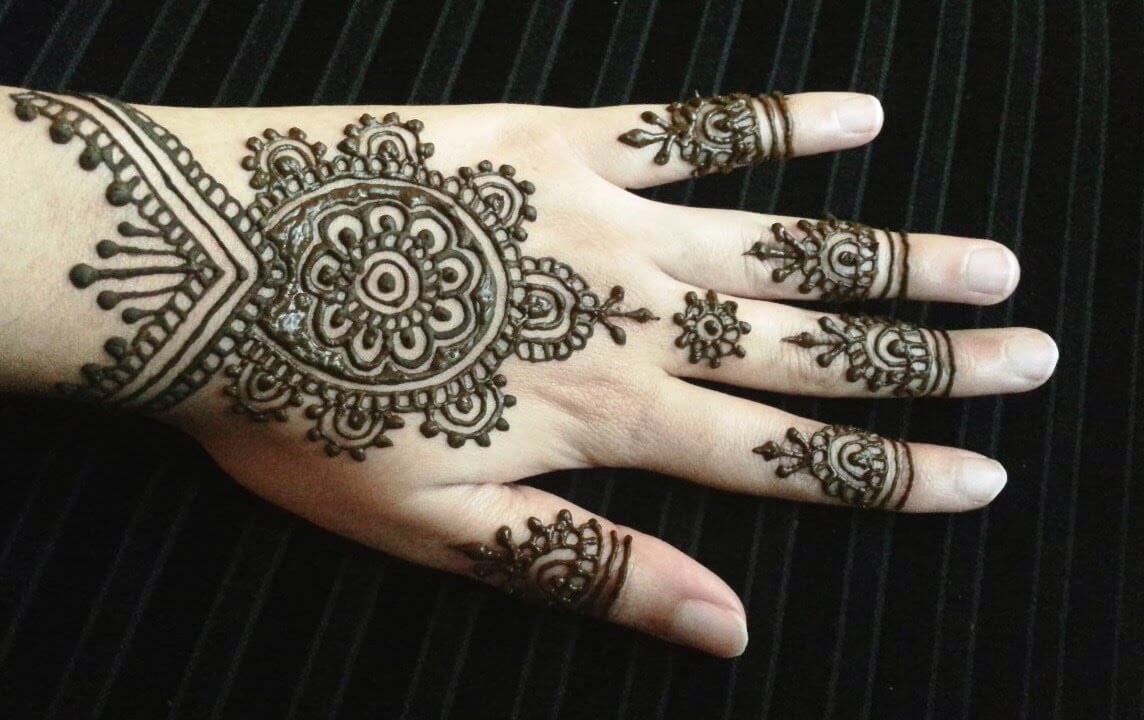
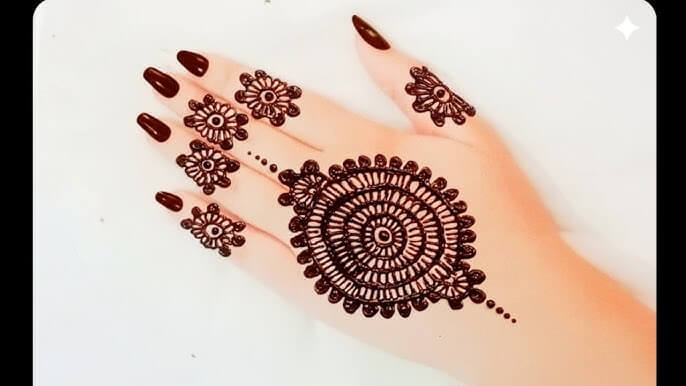
Mandala patterns in Indian mehndi designs represent wholeness, unity, and cosmic order through circular symmetrical arrangements. The repetitive rings radiating from central points create meditative beauty while demonstrating mathematical precision.
Geometric elements, including triangles, hexagons, squares, and checkered patterns, provide structural balance to organic floral elements. The interplay between curved natural forms and angular geometric shapes creates visual dynamis,m characterizing sophisticated Indian mehndi designs.
Bridal Indian Mehndi Designs for Weddings
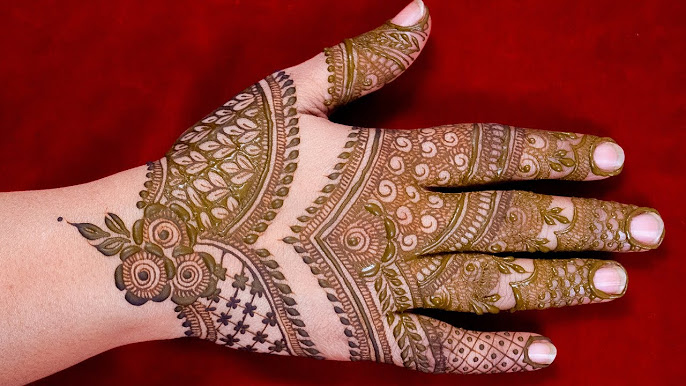
Bridal Indian mehndi designs represent the pinnacle of henna artistry, where artists demonstrate complete mastery through elaborate patterns covering hands, arms, feet, and legs. These wedding masterpieces require 4-8 hours of careful application and equally patient sitting from the brides.
Traditional bridal motifs include dulha-dulhan (bride and groom) figures, doli (wedding palanquin), kalash (ceremonial pots), temple architecture, and countless paisleys and flowers filling every available space. Modern brides personalize these traditional elements by incorporating couple portraits, initials, wedding dates, and meaningful symbols unique to their relationships.
The mehndi ceremony typically occurs 1-2 days before the wedding, allowing optimal color development for the main event. According to traditional beliefs, darker mehndi color indicates deeper marital love and blessings, motivating brides to follow rigorous aftercare for maximum stain intensity.
Contemporary bridal Indian mehndi designs balance traditional comprehensiveness with modern time consciousness. Brides might choose full traditional coverage for one hand while opting for simpler contemporary patterns on the other, or select signature traditional motifs incorporated into quicker overall designs.
Modern Indian Mehndi Designs Trends 2026
Modern Indian mehndi designs in 2026 embrace minimalism, negative space, and contemporary aesthetics while maintaining a connection to traditional motifs and cultural meaning. Younger generations seek designs honoring heritage without appearing old-fashioned or overwhelming.
Indo-Arabic fusion represents the most popular modern category, combining Indian motif vocabulary with Arabic negative space philosophy and flowing lines. These hybrid designs satisfy desires for cultural authenticity alongside contemporary visual appeal.
Portrait and story designs push Indian mehndi innovation boundaries where skilled artists create detailed illustrations of couples, wedding scenes, and personalized narratives. These custom artistic expressions transform hands into unique storybook canvases celebrating individual love stories.
White henna accents, colored fills, glitter applications, and gem embellishments add dimensional effects to traditional Indian mehndi designs. These decorative enhancements work particularly well for evening events and photography sessions where extra sparkle creates magic under lighting.
How to Apply Indian Mehndi Designs Successfully
Successfully applying Indian mehndi designs requires quality natural henna paste, proper preparation, a systematic approach, and patient execution. Begin by sourcing fresh organic henna without chemical additives from reputable suppliers committed to purity and quality.
Prepare skin by washing thoroughly with soap to remove all oils and lotions, preventing henna absorption. Create comfortable sitting arrangements supporting steady hand positions for extended periods since Indian mehndi application often requires 2-6 hours, depending on complexity.
Start with central palm motifs, establishing anchor points guiding overall design flow. Work outward systematically, adding surrounding elements while maintaining balance and symmetry. Allow sections to dry slightly before adding adjacent details, preventing smudging that compromises finished appearance.
Practice basic Indian motifs like mango, peacock, and lotus on paper before attempting skin application. Mastering these fundamental shapes builds confidence and muscle memory essential for smooth execution. Remember that even master artists began as beginners working through identical learning processes.
Indian Mehndi Aftercare for Darkest Color
Achieving the darkest possible color with Indian mehndi designs requires meticulous aftercare beginning from application completion. Keep henna paste on skin for a minimum of 8-12 hours, ideally overnight, before gently scraping it off without any water contact.
Apply lemon-sugar mixture every hour during the wearing period, dabbing gently onto dried paste to seal the design and promote deeper staining. This traditional technique, proven over generations, significantly enhances final color intensity and longevity.
After removing dried paste, avoid washing the mehndi area with water for 12-24 hours. Apply natural oils like coconut, mustard, or olive oil regularly to moisturize the design and protect the developing stain. The color continues darkening for 24-48 hours post-removal through oxidation.
Minimize water exposure throughout the following days by wearing gloves during dishwashing, avoiding prolonged baths, and protecting hands from excessive moisture. These precautions extend Indian mehndi life from one week to potentially three weeks of beautiful decoration.
Simple Indian Mehndi Designs for Beginners
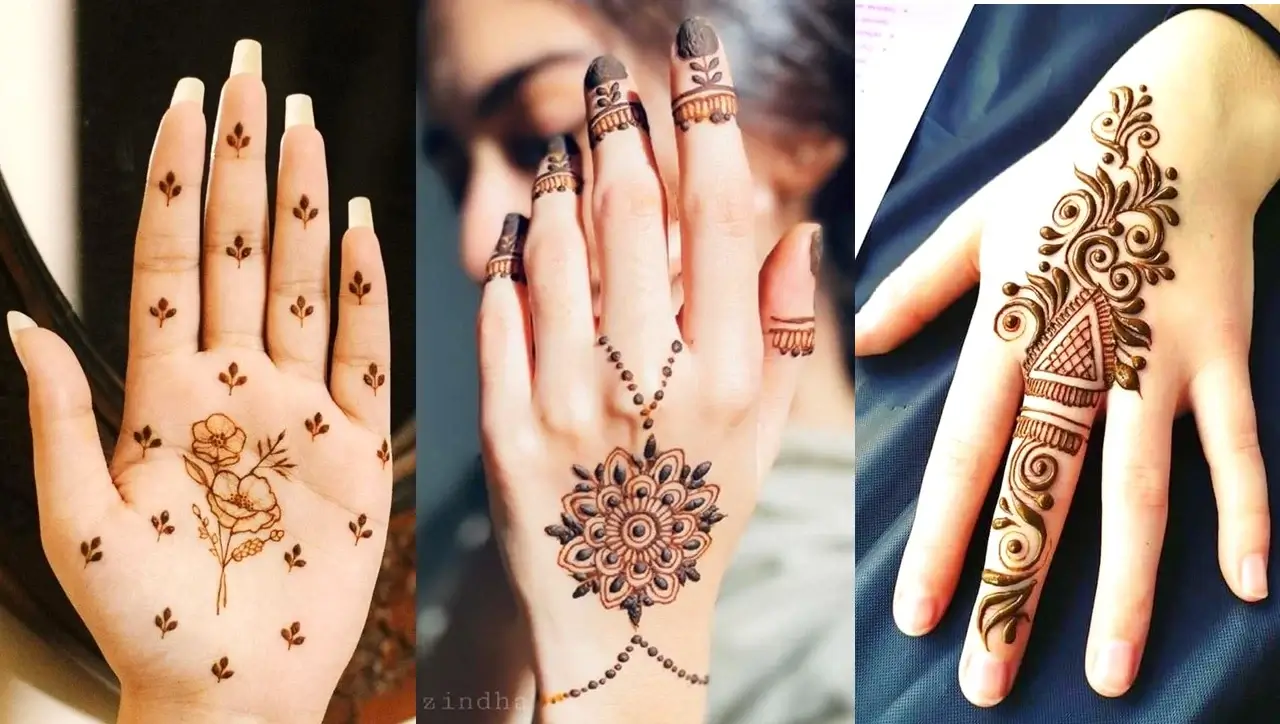
Simple Indian mehndi designs make the rich tradition accessible to beginners through scaled-down patterns, maintaining cultural authenticity while accommodating developing skills. Start with basic tikki (circular) designs – small circles placed on the palm centers and fingertips filled with simple internal patterns.
Single mango or lotus motifs on the palm, surrounded by minimal vines and leaves, create a complete look without overwhelming complexity. These simplified Indian mehndi designs teach fundamental shapes while producing satisfying results that build confidence for attempting more elaborate patterns.
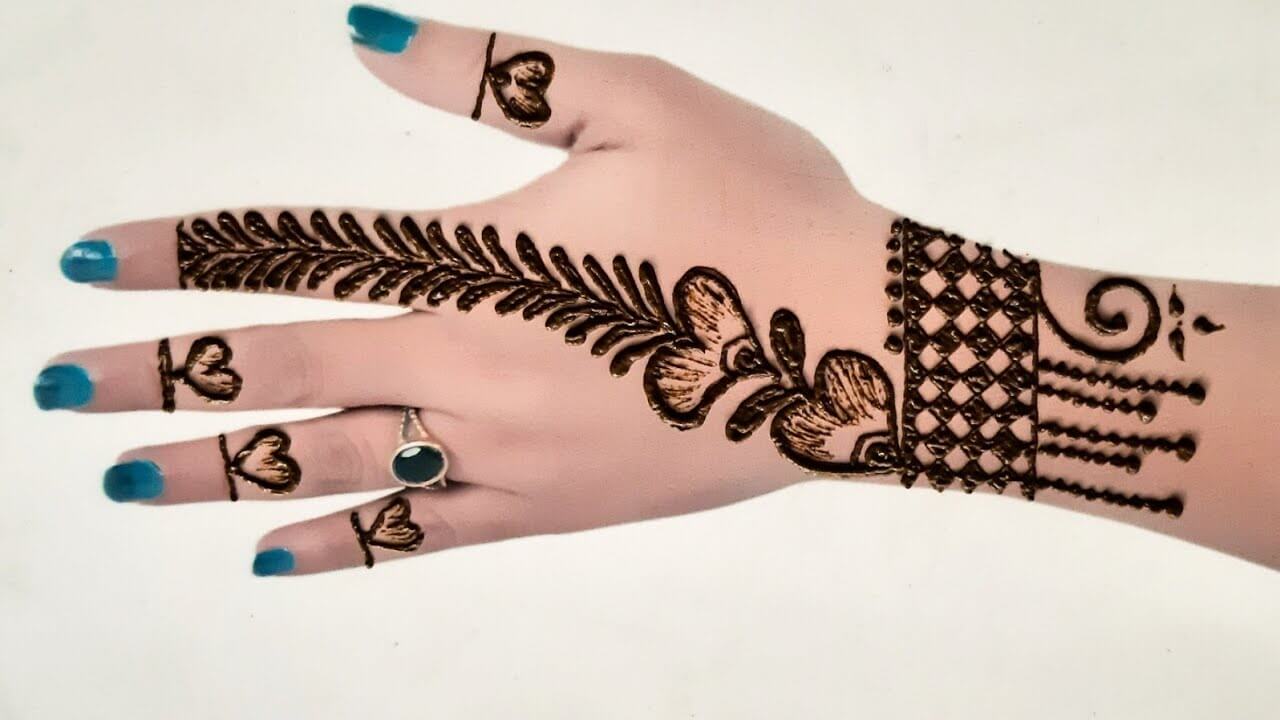
Wrist bands, finger trails, and simple floral arrangements represent beginner-friendly Indian mehndi options requiring 30-60 minutes rather than hours. These quick designs suit casual occasions, festival celebrations, or practice sessions, developing skills before attempting bridal masterpieces.
Cultural and Spiritual Significance of Indian Mehndi
Indian mehndi designs carry profound cultural and spiritual significance extending far beyond aesthetic decoration. The practice connects to ancient Ayurvedic traditions, recognizing henna’s cooling medicinal properties, beneficial for body temperature regulation in hot climates.
Wedding mehndi specifically symbolizes marital commitment, family blessings, and auspicious beginnings. Traditional beliefs hold that darker mehndi color indicates deeper love between spouses and favorable mother-in-law relationships, motivating brides toward optimal color development.
The social bonding aspect of Indian mehndi application creates meaningful connections between women across generations. Mothers, daughters, sisters, aunts, and friends gather for mehndi ceremonies, sharing stories, songs, and traditions while beautifying each other’s hands, strengthening family and community ties.
Festival mehndi during Karwa Chauth, Diwali, Teej, and other celebrations marks a sacred time, purifies participants spiritually, and invokes divine blessings. The temporary nature of henna art teaches philosophical lessons about impermanence, while the beauty created brings joy and celebration to special occasions.
Finding Professional Indian Mehndi Artists
Selecting skilled Indian mehndi artists ensures beautiful results and safe application practices. Research local artists through Instagram, Facebook, and Pinterest, examining portfolios specifically for Indian-style work demonstrating mastery of traditional motifs and regional variations.
Schedule consultations discussing your vision, preferred regional style, and any specific motifs or personalization elements desired. Professional artists should demonstrate cultural knowledge, explaining symbolism behind traditional patterns while offering creative suggestions based on expertise.
Verify that artists use only natural henna without harmful chemical additives, particularly avoiding black henna containing dangerous para-phenylenediamine. Read reviews from previous clients focusing on final color results, design quality, and overall satisfaction with the mehndi experience.
Book early for weddings and major festivals when demand peaks and top artists become fully reserved months in advance. Early booking secures preferred artists and time slots while allowing adequate planning for complex bridal Indian mehndi designs requiring extended application sessions.
Conclusion
Indian mehndi designs represent a living artistic heritage connecting modern celebrants to centuries of cultural tradition and spiritual practice. From Rajasthani royal patterns to Marwari mango motifs, from Bengali alpana-inspired delicacy to South Indian temple architecture, the diversity within Indian henna artistry reflects the subcontinent’s rich cultural tapestry.
Whether you choose elaborate traditional bridal designs or contemporary minimalist interpretations, Indian mehndi offers patterns suited to every preference and occasion. The symbolic richness embedded within traditional motifs adds meaningful depth, transcending mere decoration, making mehndi participation a conscious connection to cultural roots and spiritual values.
As you explore the magnificent world of Indian mehndi designs, remember that this ancient art form continues evolving while maintaining its essential character. Modern innovations honor tradition rather than replace it, ensuring Indian mehndi remains vibrant, relevant, and cherished across generations.
Embrace this beautiful heritage, choose designs resonating with your spirit, and let your hands tell stories of love, celebration, and cultural pride through the timeless art of Indian mehndi.