

Introduction
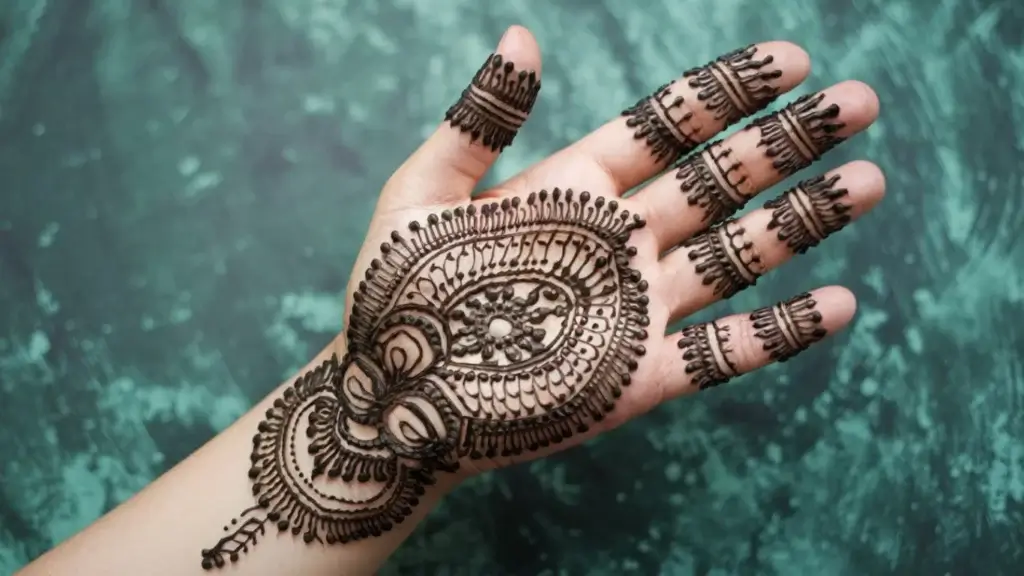
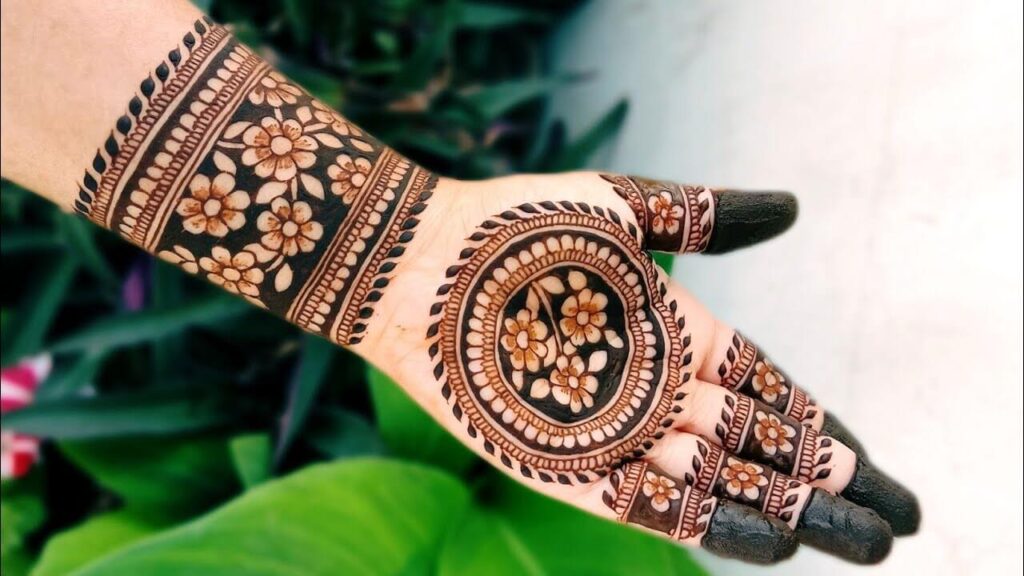
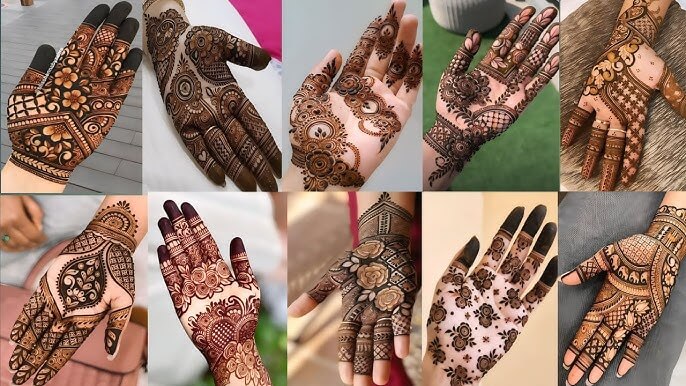
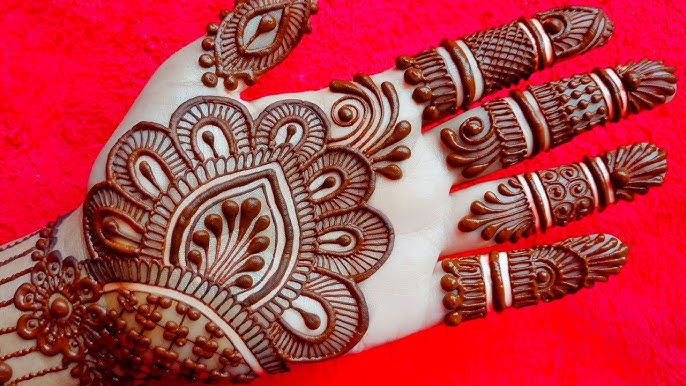
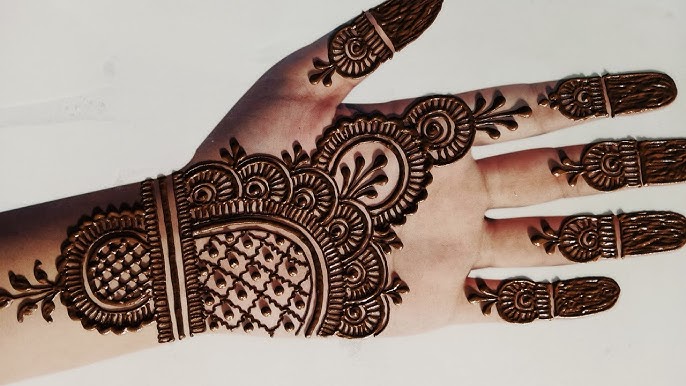
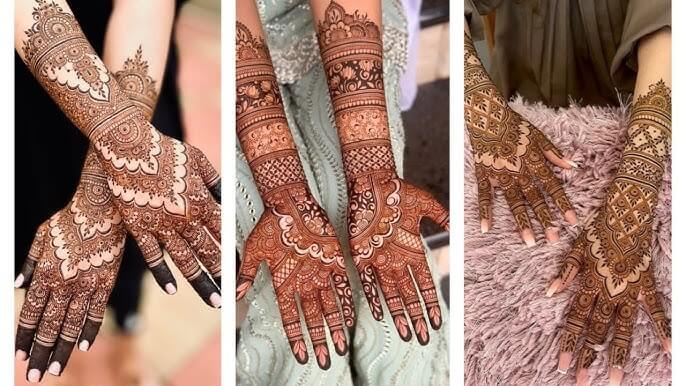
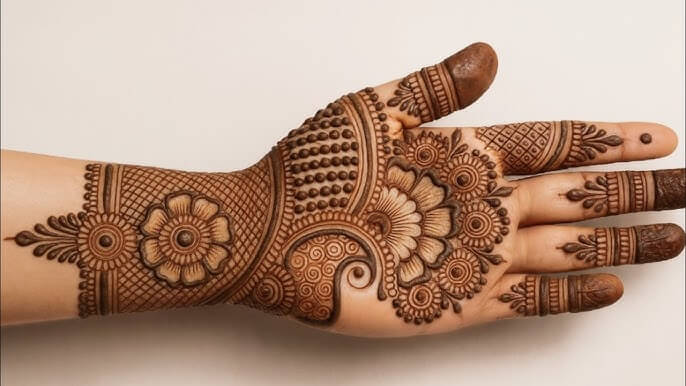
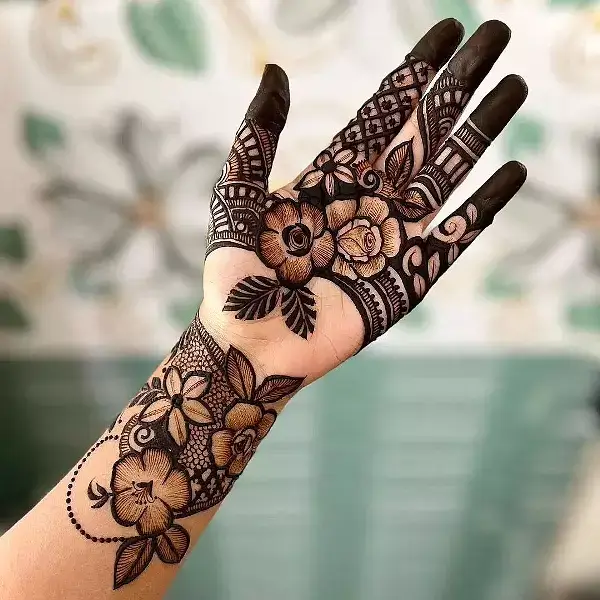
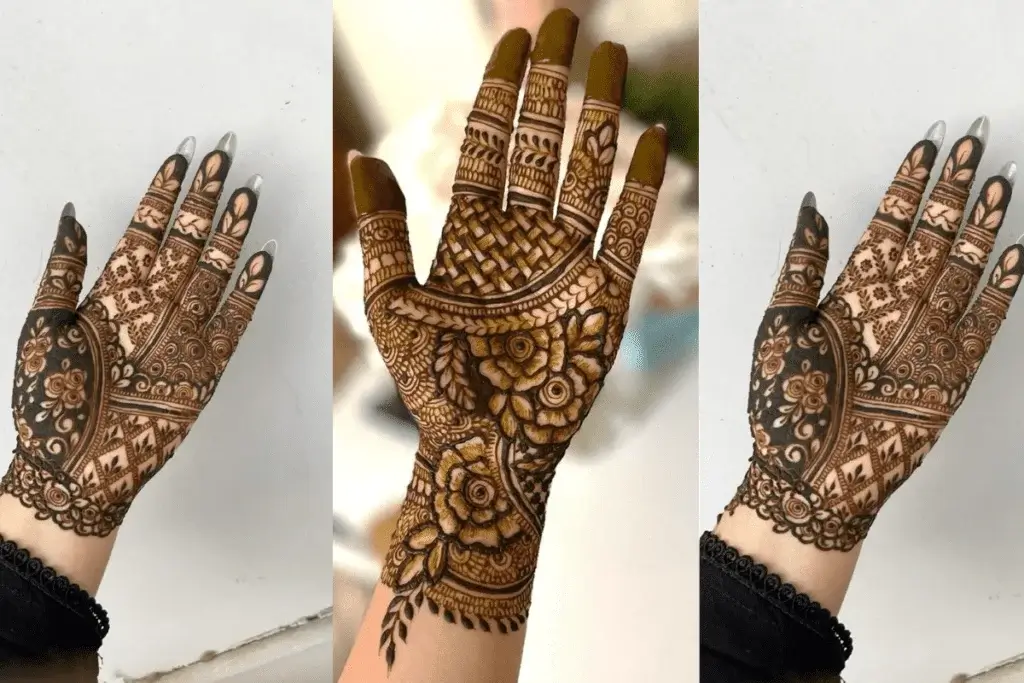
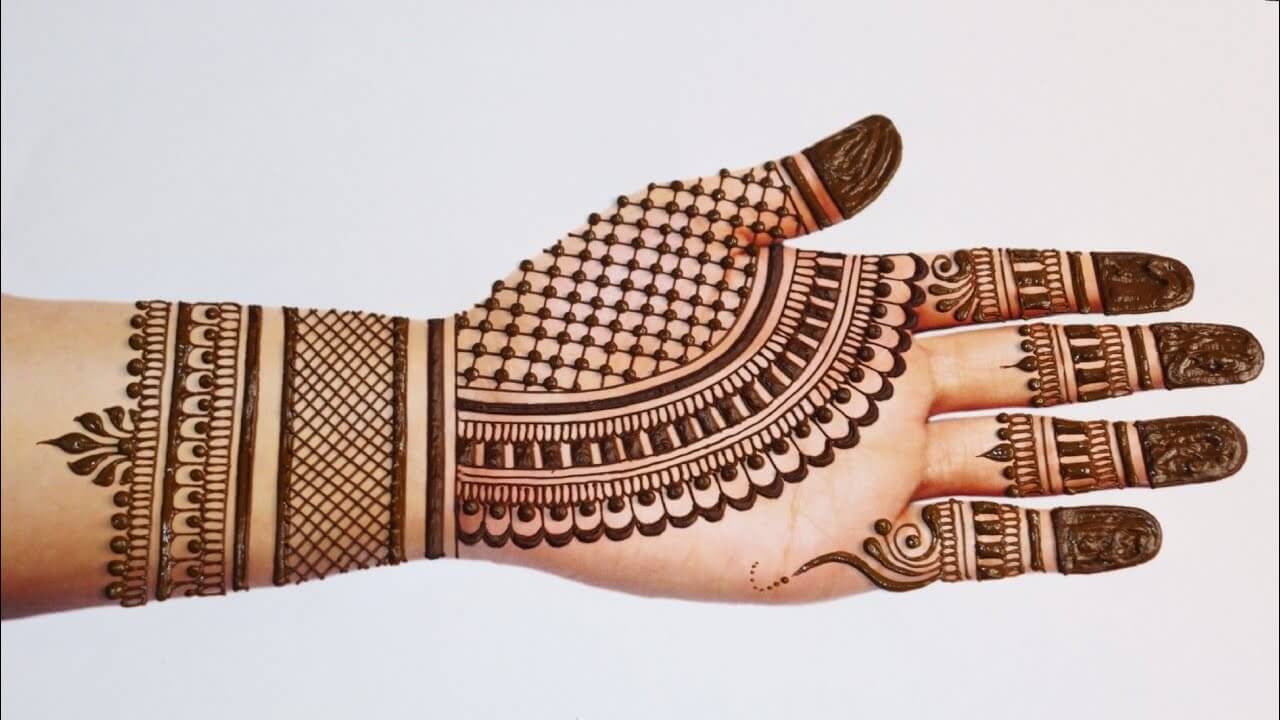
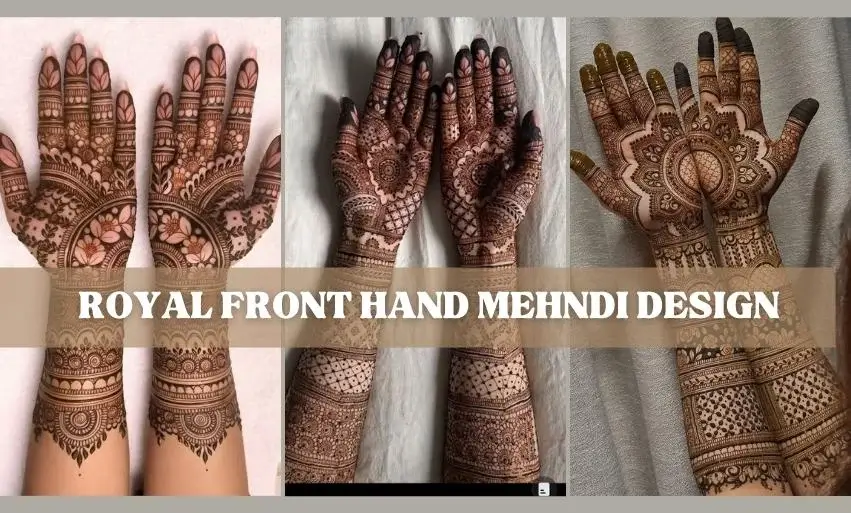
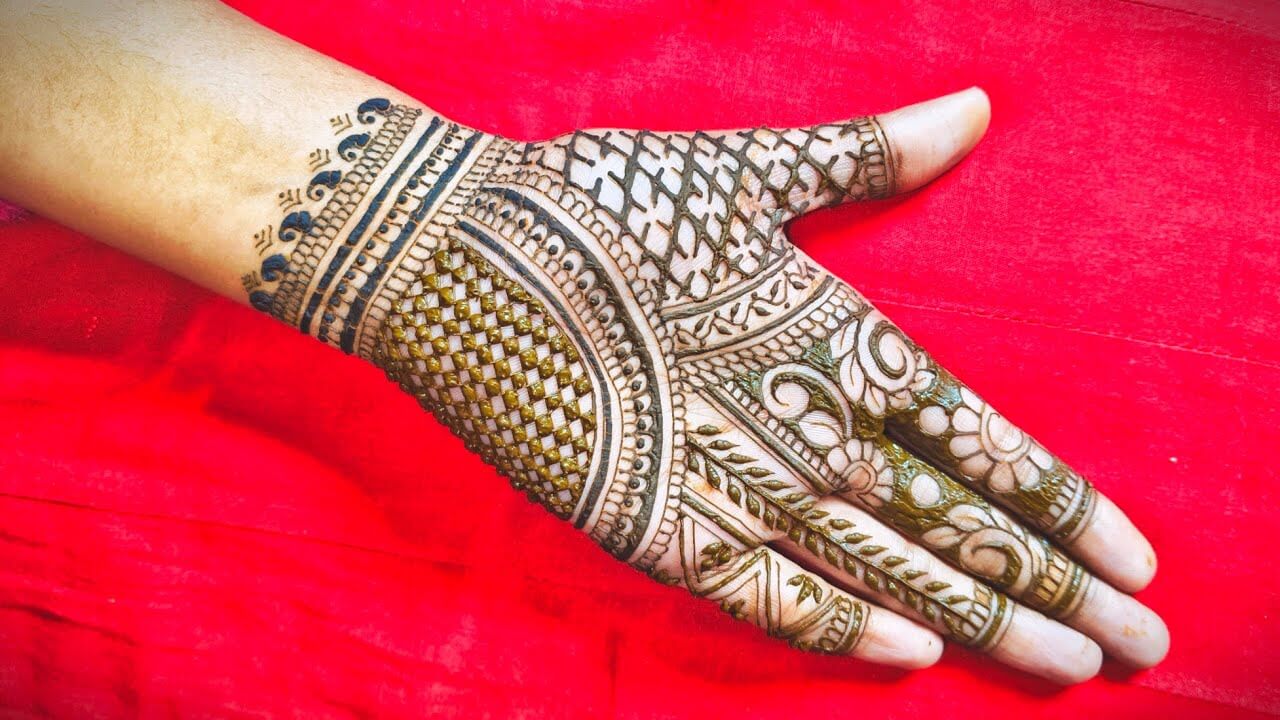
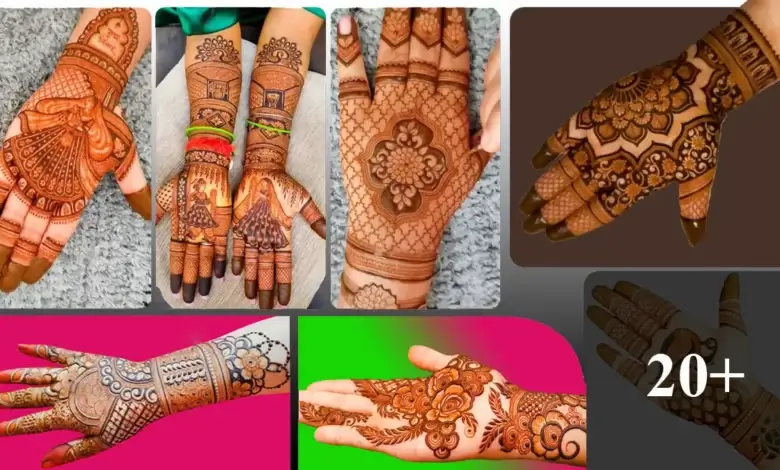
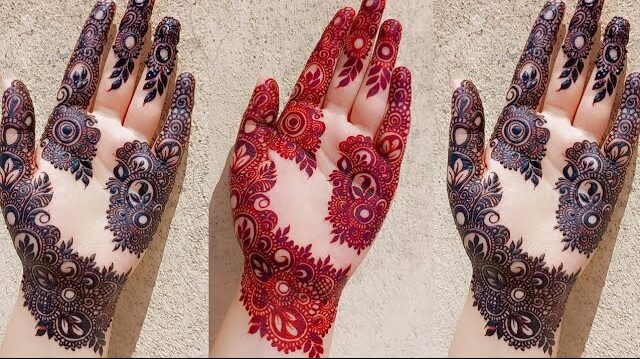
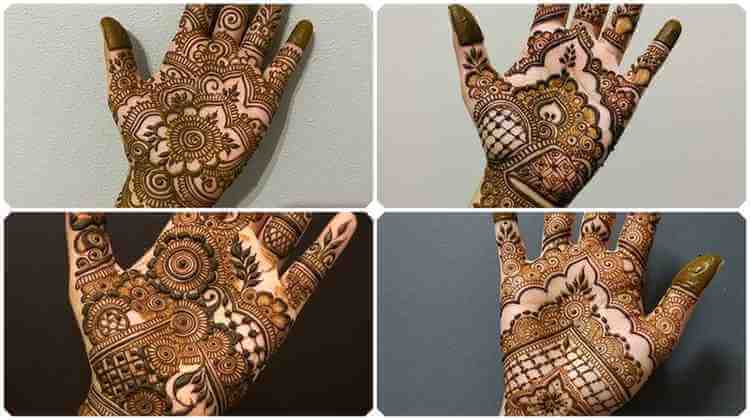
Royal front hand mehndi design transforms your palms into stunning works of art that showcase elegance and tradition. These magnificent patterns make you feel like royalty with their intricate details, bold motifs, and timeless beauty.
Whether you’re a bride planning your dream wedding or attending a special festival, royal mehndi designs create unforgettable impressions. This complete guide reveals the most beautiful patterns, expert application tips, and trending styles that will make your hands the center of attention.
What Makes Royal Front Hand Mehndi Design So Special?
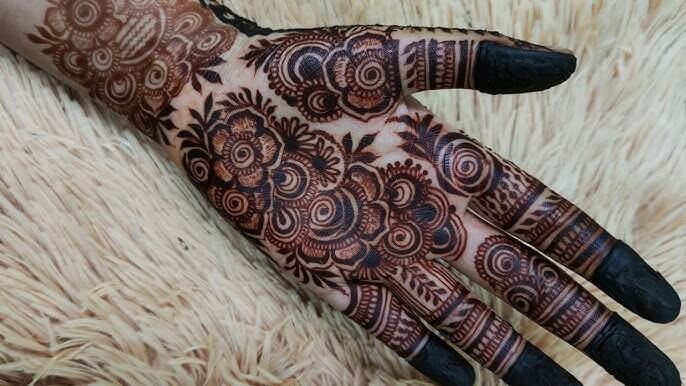
Royal front hand mehndi design features elaborate patterns inspired by palace architecture and traditional royal weddings. These designs include detailed peacock motifs, mandalas, floral arrangements, and cultural symbols that represent luxury and grace.
The “royal” element comes from the complexity, symmetry, and artistic excellence of these patterns. They’re designed to make you feel like a queen with every gesture and photograph.
Why Choose Royal Mehndi for Your Front Hand?
Front hand mehndi is the most visible part of your henna art. When you greet guests, hold flowers, or pose for photos, your palms naturally draw attention.
Royal designs ensure your front hands look spectacular from every angle. The elaborate patterns photograph beautifully and create lasting memories of your special occasions.
Different Types of Royal Front Hand Mehndi Design
1. Traditional Bridal Royal Mehndi
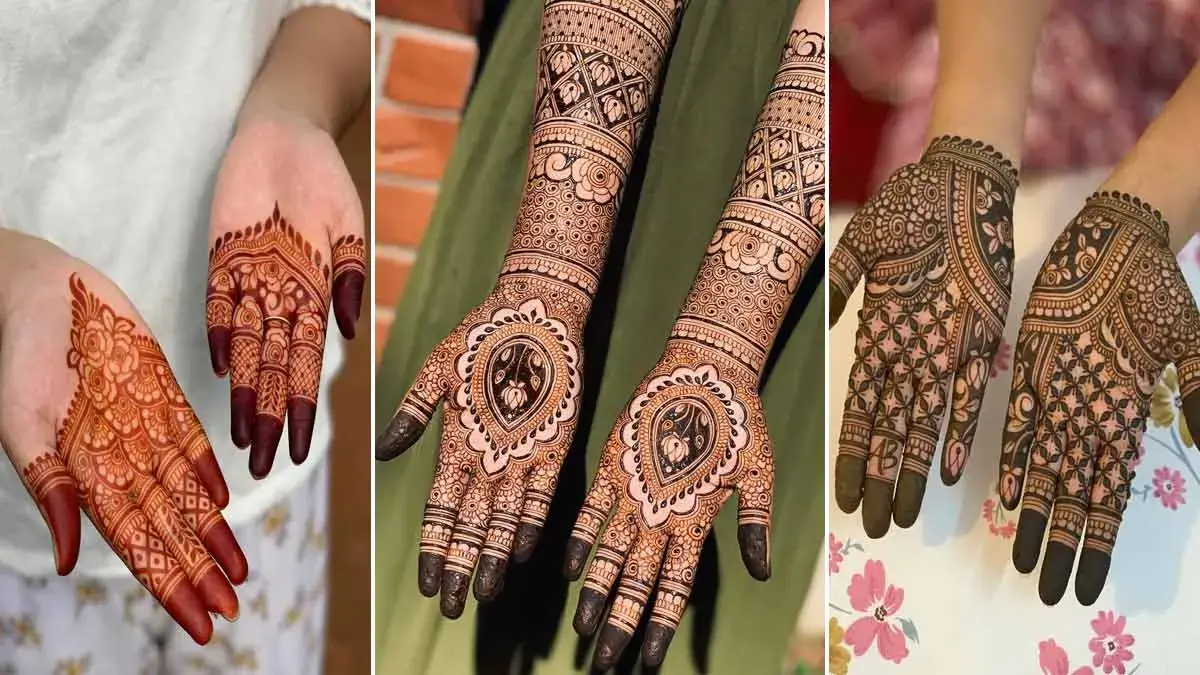
Traditional bridal royal front hand mehndi design covers the entire palm with dense, intricate patterns. These designs feature peacocks, paisleys, elephants, jhumkas, and bride-groom motifs symbolizing marital bliss.
Bridal designs often hide the groom’s initials within patterns for playful discovery later. The complete coverage represents prosperity, fertility, and eternal love in Indian wedding traditions.
2. Arabic Royal Front Hand Design
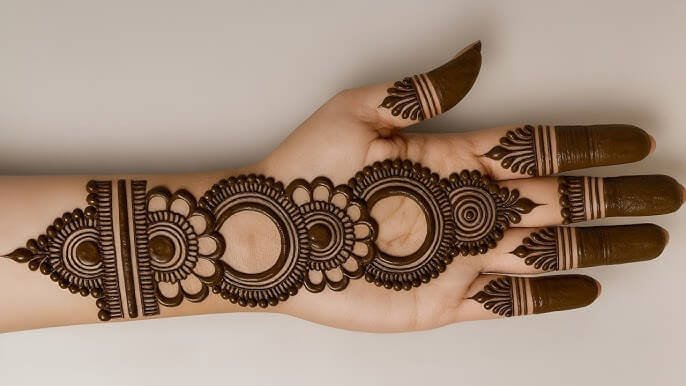
Arabic royal front hand mehndi design combines bold outlines with strategic negative space. These patterns feature oversized floral motifs, thick vines, and large leaves flowing diagonally across palms.
The Arabic style creates a dramatic visual impact with less application time than traditional designs. Modern brides love this contemporary approach to royal elegance.
3. Rajasthani Royal Mehndi Patterns
Rajasthani royal front hand mehndi design showcases heritage art forms like miniature paintings and architectural elements. These designs include jharokha (window) patterns, elephants in processions, and intricate jaali work.
The Rajasthani style tells visual stories through mehndi with cultural symbols and narrative elements. These patterns represent royal Rajput traditions and palace grandeur.
4. Mandala-Based Royal Designs
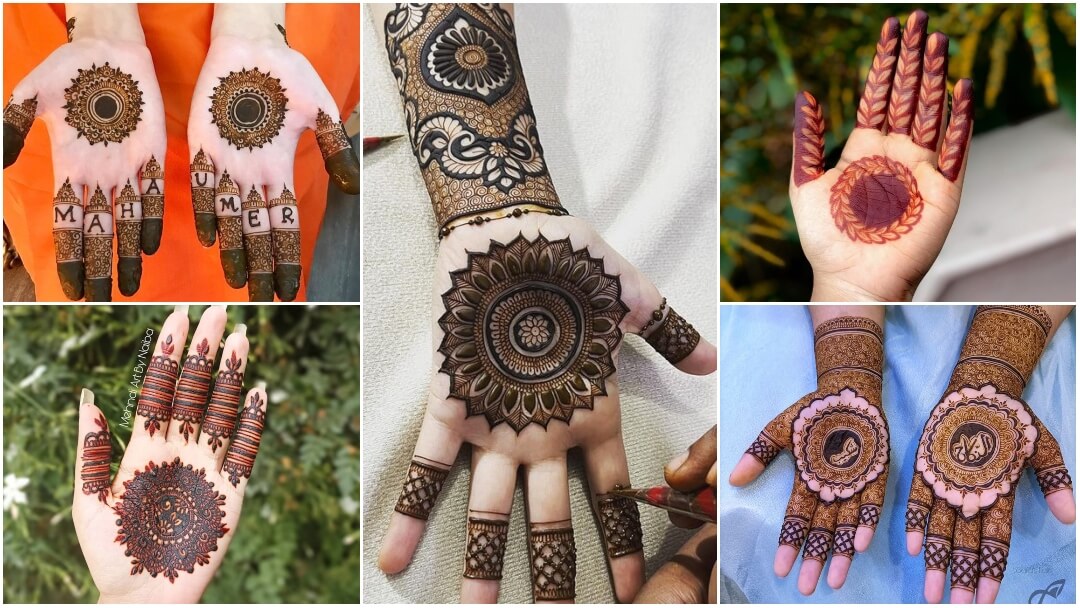
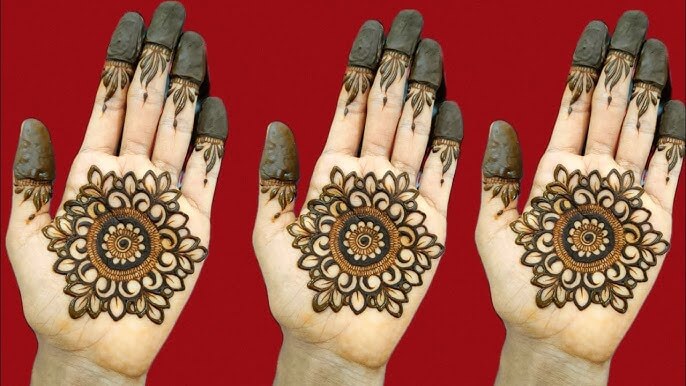
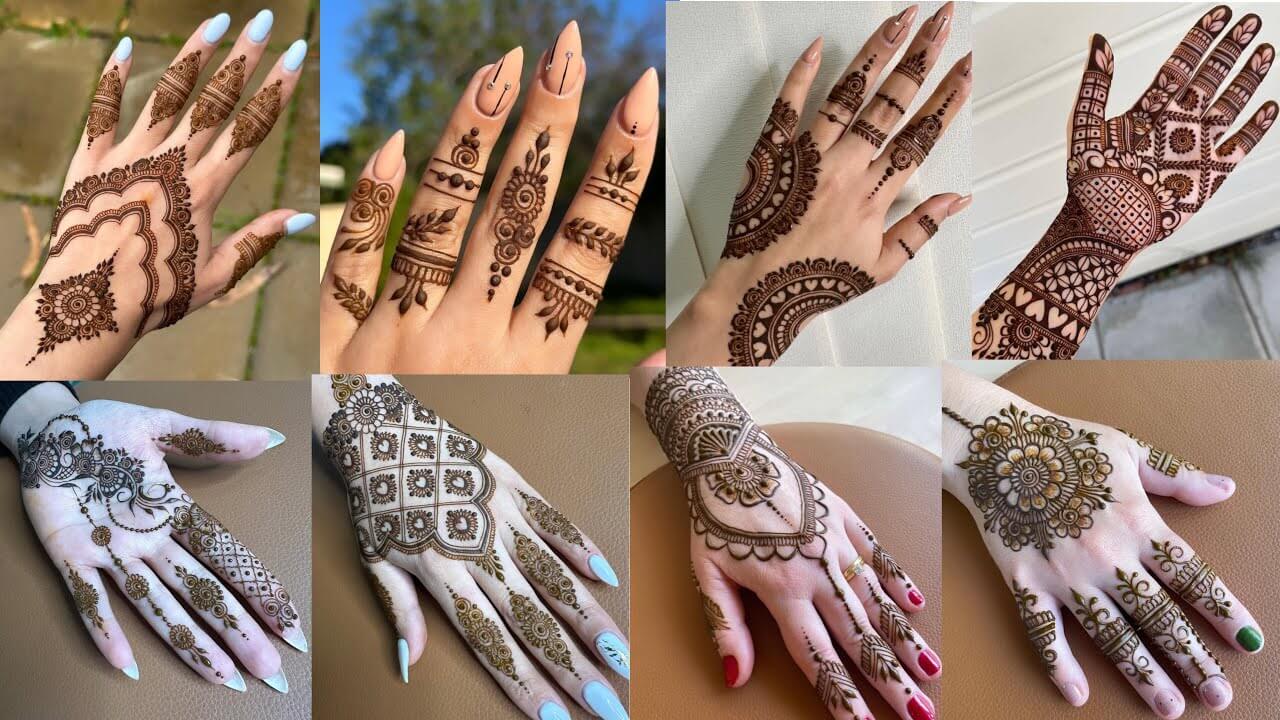
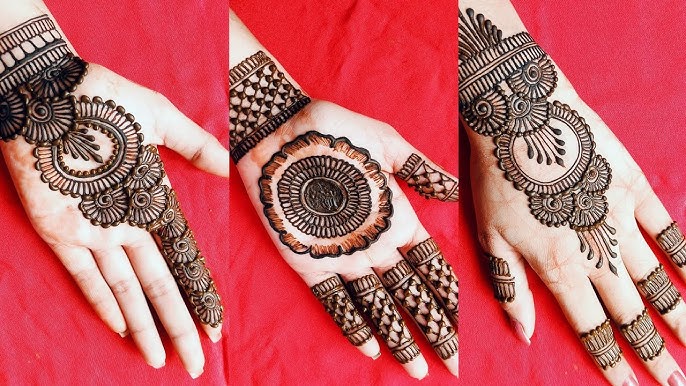
Mandala royal front hand mehndi design features circular, symmetrical patterns radiating from the palm center. These spiritual symbols represent the universe, harmony, and inner peace with geometric precision.
Mandalas combine beautifully with floral borders and finger detailing for balanced compositions. The repetitive circular elements create mesmerizing visual effects that photograph gorgeously.
5. Mughal-Inspired Royal Patterns
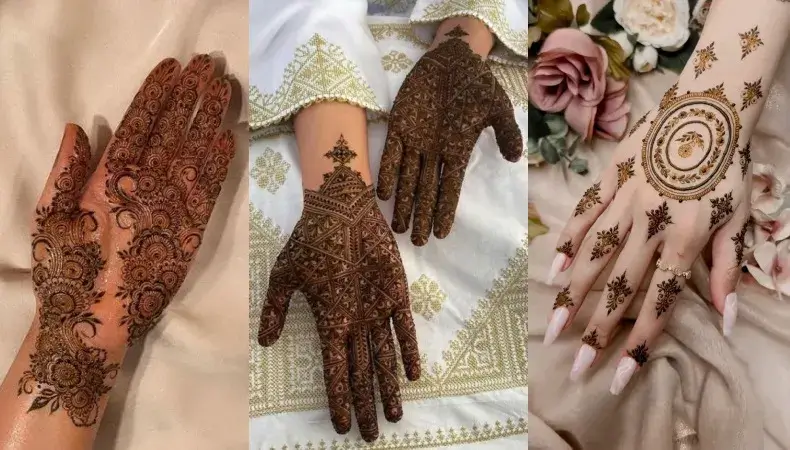
Mughal royal front hand mehndi design draws inspiration from Islamic art and Persian motifs. These patterns feature dome shapes, archways, delicate filigree work, and arabesque designs.
The Mughal influence adds sophistication and architectural beauty to traditional mehndi. These designs represent the golden era of Indian art and royal aesthetics.
Popular Motifs in Royal Front Hand Mehndi Design
Peacock Designs (Mor Pattern)
Peacock royal front hand mehndi design symbolizes beauty, grace, and royalty throughout Indian culture. The detailed feather work showcases the artist’s skill with intricate lines and shading techniques.
Peacocks are especially popular in bridal mehndi because they represent love, joy, and fidelity. The majestic bird creates stunning focal points on palms with elaborate tail feather displays.
Lotus Flower Patterns (Kamal)
Lotus royal front hand mehndi design represents purity, spiritual awakening, and divine beauty. The sacred flower features prominently in traditional Indian and Buddhist symbolism.
Lotus patterns work beautifully as central palm motifs or border elements throughout designs. The layered petals provide opportunities for detailed shading and artistic expression.
Elephant Motifs (Hathi)
Elephant royal front hand mehndi design symbolizes wisdom, strength, good luck, and prosperity. These gentle giants appear in ceremonial processions or as standalone decorative elements.
Elephants adorned with ornate coverings and jewelry add royal grandeur to mehndi designs. They’re especially meaningful in South Indian and Rajasthani wedding traditions.
Paisley Patterns (Mango/Ambi)
Paisley royal front hand mehndi design features teardrop-shaped motifs representing fertility and abundance. These versatile patterns fill spaces beautifully and create flowing compositions.
Traditional artists combine paisleys with vines, flowers, and leaves for elaborate designs. The curved shapes follow the hand’s natural contours gracefully.
Jharokha (Window) Elements
Jharokha royal front hand mehndi design incorporates architectural window frames from Rajasthani palaces. These ornate frames often contain miniature scenes depicting love stories or cultural symbols.
The window elements add depth, dimension, and storytelling aspects to traditional mehndi. They represent looking into the future with hope and celebration.
Royal Front Hand Mehndi Design for Special Occasions
Wedding Bridal Mehndi
The wedding royal front hand mehndi design requires the most elaborate and detailed patterns possible. Brides typically choose full coverage designs that extend from fingertips past the wrist.
The application session lasts 4-8 hours for a complete bridal mehndi artwork. Traditional beliefs say a darker mehndi color indicates deeper love and a blessed married life.
Engagement Ceremony Patterns
Engagement royal front hand mehndi design balances elegance with moderate complexity and coverage. These patterns look sophisticated without requiring the full commitment of bridal mehndi.
Many brides choose engagement designs that preview elements of their wedding mehndi. The medium-coverage patterns suit the semi-formal nature of engagement celebrations perfectly.
Festival Celebration Designs
Festival royal front hand mehndi design works beautifully for Diwali, Eid, Karwa Chauth, and Teej. These designs feature traditional motifs with moderate application time for busy celebration schedules.
Festival patterns let you honor traditions while maintaining practicality for multiple events. They photograph beautifully without requiring hours of sitting still during application.
Mehendi Night Special
Mehendi night royal front hand mehndi design can be elaborate since this function focuses entirely on mehndi. Brides often experiment with trendy patterns or personalized elements during this pre-wedding celebration.
The relaxed atmosphere allows for creative additions like glitter, stones, or colored henna. Friends and family also get beautiful mehndi during these special gatherings.
Simple Royal Front Hand Mehndi Design for Beginners
Starting with Basic Royal Elements
Beginners can create simple royal front hand mehndi design using basic motifs like single flowers and mandalas. Start with a central palm circle and add simple petals radiating outward.
Practice drawing peacock feathers, paisleys, and leaves on paper before applying to skin. These fundamental elements form the building blocks of all royal patterns.
Easy Application Techniques
Hold your mehndi cone at 45-degree angle and apply consistent pressure for uniform lines. Start from the palm center and work outward toward fingers for natural flow.
Allow each section to dry slightly before adding adjacent patterns to avoid smudging. Take breaks when needed since detailed work requires focus and steady hands.
Quick 30-Minute Royal Designs
Quick royal front hand mehndi design includes simplified mandala centers with minimal finger detailing. Focus on bold outlines rather than intricate filling for time-saving beauty.
Single large floral motifs with basic leaf borders create royal impressions without complexity. These streamlined designs work perfectly for last-minute occasions or casual celebrations.
Common Beginner Mistakes
Avoid overcrowding your royal front hand mehndi design with too many competing elements. Leave strategic negative space for clean, professional appearance even in simple designs.
Don’t rush the drying process or your beautiful patterns will smudge and blur. Patience during application and drying determines the quality of final results.
Latest Royal Front Hand Mehndi Design Trends 2026
Minimalist Royal Patterns
Minimalist royal front hand mehndi design focuses on clean lines and strategic negative space. These contemporary patterns use single bold motifs with elegant simplicity, replacing dense coverage.
Modern brides appreciate the sophisticated look that photographs beautifully without overwhelming the hand. Minimalism proves that less can indeed be more in royal mehndi art.
Geometric Royal Designs
Geometric royal front hand mehndi design features triangles, diamonds, hexagons, and straight lines. These architectural patterns create contemporary royal aesthetics with precision and symmetry.
Geometric elements combine beautifully with traditional florals for fusion styles. They appeal to fashion-forward women wanting unique royal mehndi expressions.
Personalized Royal Mehndi
Personalized royal front hand mehndi design includes names, initials, wedding dates, or meaningful quotes. Couples incorporate their love story elements into bridal mehndi for unique artistic expressions.
Custom designs make every application memorable and deeply personal for wearers. Professional artists are mastering personalization techniques to meet growing demand.
Fusion Cultural Styles
Fusion royal front hand mehndi design blends elements from different cultural traditions together. These creative combinations might mix Arabic boldness with Indian intricacy or add Moroccan geometric touches.
Fusion styles represent modern multicultural beauty standards and personal heritage celebrations. They offer endless creative possibilities for contemporary royal mehndi art.
Colored and White Mehndi
Colored royal front hand mehndi design adds vibrant hues beyond traditional brown-red tones. White mehndi creates stunning contrast, especially on darker skin tones, for dramatic effects.
Glitter, rhinestones, and decorative elements enhance traditional royal patterns for parties. Always ensure colored products are skin-safe before application to avoid reactions.
How to Apply Perfect Royal Front Hand Mehndi Design
Preparation Steps for Best Results
Clean hands thoroughly with soap and exfoliate gently to remove dead skin cells. Avoid oil-based moisturizers or lotions on application day as they prevent henna absorption.
Ensure hands are completely dry before beginning your royal front hand mehndi design. Proper preparation significantly impacts the final color darkness and pattern clarity.
Choosing Quality Henna Paste
Use only fresh, natural henna paste without harmful chemical additives for safe application. Quality henna creates darker colors and smoother application than old or cheap alternatives.
Test your mehndi cone on paper first to check consistency and flow. Premium natural henna provides best results for royal mehndi designs.
Application Best Practices
Start with the main central motif in your royal front hand mehndi design. Build outward from this focal point toward fingers and wrist for balanced composition.
Maintain consistent pressure and angle throughout application for uniform line thickness. Work slowly and steadily especially during detailed sections requiring precision.
Drying and Setting Process
Allow your royal front hand mehndi design to dry completely for minimum 3-4 hours. The longer henna stays on skin, the darker the final color becomes.
Avoid touching water for 12-24 hours after removing dried paste. Heat exposure from steam or clove smoke helps darken mehndi naturally.
Making Your Royal Mehndi Darker and Long-Lasting
Pre-Application Skin Care
Exfoliate your hands 1-2 days before applying royal front hand mehndi design. Clean, smooth skin accepts henna better for uniform, vibrant color development.
Avoid chemical exfoliants or harsh scrubs that might irritate skin before application. Gentle natural exfoliation works best for mehndi preparation.
Natural Color Enhancement Techniques
Apply the lemon-sugar mixture on drying mehndi before removing the paste completely. This traditional technique helps seal and darken your royal front hand mehndi design.
Exposure to mild heat through clove smoke or steam enhances color development naturally. Be careful not to burn yourself during these enhancement processes.
Aftercare for Maximum Longevity
After removing dried henna, apply natural oils like coconut, mustard, or eucalyptus regularly. Oil creates protective barrier preventing premature fading from washing and environmental exposure.
Avoid chlorinated water, harsh soaps, and excessive hand washing that fade designs quickly. Gentle care extends the life of your beautiful royal mehndi patterns.
Protection During Daily Activities
Wear gloves while doing dishes or household chores involving water and chemicals. Protective measures significantly extend royal front hand mehndi design lifespan.
Pat hands dry gently rather than rubbing after washing. Rough treatment causes designs to fade faster and lose their beautiful definition.
Professional vs DIY Royal Front Hand Mehndi Design
When to Hire Professional Artists
Complex royal front hand mehndi design for weddings requires professional expertise and years of experience. Special occasions deserve investment in skilled artists who guarantee flawless execution.
Professionals bring creative vision, technical precision, and knowledge of latest trends. They ensure symmetrical, balanced designs that photograph beautifully throughout your celebration.
Benefits of Learning DIY Skills
DIY royal front hand mehndi design saves money and offers complete creative control. You can experiment freely with different patterns and styles without cost concerns.
Learning mehndi art provides valuable skills for personal use during festivals and casual occasions. Simple royal designs are achievable with practice and patience.
Finding Quality Mehndi Artists
Research artist portfolios thoroughly before booking for important royal front hand mehndi design applications. Look for specialists excelling in royal styles with proven track records.
Read client reviews and testimonials to assess reliability and artistic skill levels. Schedule trial sessions for bridal mehndi to ensure complete satisfaction before the big day.
Cost Considerations and Budgeting
Professional royal front hand mehndi design services vary based on complexity and artist reputation. Bridal packages typically cost significantly more than festival or party designs.
DIY mehndi only requires purchasing quality henna cones and practice time investment. Consider your budget and occasion importance when deciding between professional and DIY approaches.
Royal Front Hand Mehndi Design Style Guide
For Different Hand Sizes
Small hands look beautiful with proportionate royal front hand mehndi design elements. Avoid oversized motifs that overwhelm the palm’s natural dimensions and proportions.
Large hands provide excellent canvas space for elaborate royal patterns with multiple focal points. Use this advantage to create stunning comprehensive designs.
Matching with Bridal Outfits
Coordinate your royal front hand mehndi design style with wedding outfit aesthetics and colors. Traditional attire pairs perfectly with intricate cultural royal patterns.
Modern fusion outfits work beautifully with contemporary minimalist or geometric royal designs. Consider your wardrobe when choosing pattern styles and coverage levels.
Complementing Jewelry Choices
Your royal front hand mehndi design should complement rather than compete with hand jewelry. Consider how rings, bracelets, and bangles will appear alongside mehndi patterns.
Some brides prefer jewelry-inspired mehndi that creates ornament illusions without wearing actual accessories. These creative designs photograph beautifully and stay comfortable throughout long celebrations.
Photography Considerations
Choose royal front hand mehndi design patterns that photograph well from multiple angles. Detailed work shows beautifully in close-up shots while bold outlines work in wider frames.
Discuss photography plans with your mehndi artist for designs optimized for pictures. Clear, contrasting patterns create the most photogenic results for lasting memories.
Regional Variations of Royal Front Hand Mehndi Design
North Indian Royal Styles
North Indian royal front hand mehndi design features dense coverage with traditional motifs. Peacocks, paisleys, and elaborate jharokha patterns dominate these regional styles.
The designs often tell stories through sequential imagery and cultural symbolism. North Indian patterns represent the heartland of traditional mehndi artistry.
South Indian Royal Patterns
South Indian royal front hand mehndi design includes temple architecture, gopuram designs, and goddess motifs. These patterns reflect the region’s rich spiritual heritage and artistic traditions.
The designs often feature more geometric elements and temple-inspired borders. South Indian brides value these culturally significant patterns for wedding celebrations.
Rajasthani Royal Heritage
Rajasthani royal front hand mehndi design showcases palace architecture and miniature painting influences. These designs include elephants in processions, jharokha windows, and intricate jaali work.
The patterns represent royal Rajput heritage and warrior traditions with elaborate detailing. Rajasthani mehndi artists are renowned worldwide for their exceptional skills.
Gujarati Royal Designs
Gujarati royal front hand mehndi design features heavy coverage with distinctive regional motifs. The patterns often include folk art elements and traditional storytelling aspects.
Gujarati designs use unique filling techniques and shading methods. They represent the state’s vibrant cultural traditions and artistic excellence.
Tips for Photographing Your Royal Front Hand Mehndi
Best Lighting for Mehndi Photos
Natural daylight provides ideal lighting for royal front hand mehndi design photography sessions. Shoot near windows or outdoors during golden hour for soft, flattering illumination.
Avoid harsh direct sunlight that creates strong shadows obscuring delicate pattern details. Soft diffused light showcases royal mehndi patterns most beautifully and accurately.
Hand Posing Techniques
Display royal front hand mehndi design naturally without awkward stiff positioning or unnatural angles. Relax fingers slightly rather than spreading them unnaturally wide for photos.
Use props like flowers, jewelry, or traditional bangles complementing your royal designs. Natural relaxed poses create authentic beautiful photographs capturing the moment perfectly.
Background Selection Ideas
Choose simple clean backgrounds that don’t distract from your royal front hand mehndi design details. Solid colors or subtle textures work best for showcasing intricate patterns clearly.
Consider cultural elements like traditional fabrics or wedding decor as photography backdrops. Backgrounds should enhance rather than compete with your beautiful royal mehndi artwork.
Capturing Fine Details
Take close-up shots highlighting intricate royal front hand mehndi design details and artistic elements. Macro photography showcases the artist’s exceptional skill and pattern complexity beautifully.
Include wider shots showing overall composition and hand positioning within frame. Variety in photographic shots creates complete collections documenting your royal mehndi experience.
Maintaining Royal Mehndi During Multi-Day Celebrations
Protection Strategies for Weddings
Multi-day wedding celebrations require careful royal front hand mehndi design maintenance and protection. Apply coconut oil before bathing to create waterproof barrier around patterns.
Wear gloves during any water-based activities or household tasks between wedding events. Gentle handling preserves your beautiful royal mehndi throughout extended celebration periods.
Touch-Up Techniques
Minor touch-ups can refresh royal front hand mehndi design areas that fade faster. Focus on finger tips and palm centers that experience maximum friction exposure.
Professional artists can add strategic enhancement elements between celebration events. Touch-ups help maintain fresh appearance throughout multi-day wedding festivities.
Dealing with Premature Fading
If royal front hand mehndi design fades faster than expected, increase oil application frequency. Natural oils slow down fading process by creating protective moisture barriers.
Avoid harsh soaps and excessive washing that strip protective oil layers away. Gentle care helps extend even moderately faded royal mehndi design longevity.
Seasonal Considerations for Royal Mehndi
Summer Application Tips
Summer heat accelerates royal front hand mehndi design drying but may cause discomfort. Apply mehndi in air-conditioned environment for comfortable extended application sessions.
Light royal patterns with open space work better for hot weather comfort. Summer designs should balance beauty with practical heat tolerance considerations.
Monsoon Weather Adaptations
Monsoon humidity affects royal front hand mehndi design drying time and color development. Apply mehndi indoors in controlled environment during rainy seasons for best results.
Protect fresh mehndi from unexpected rain exposure with careful planning and covering. Moisture control is essential for achieving dark royal mehndi colors during monsoon.
Winter Perfect Conditions
Winter provides ideal conditions for elaborate royal front hand mehndi design applications. Cold weather doesn’t interfere with drying process or cause application discomfort.
Extended application sessions work comfortably when you can keep hands still longer. Winter festivals provide perfect opportunities for detailed intricate royal mehndi artwork.
Conclusion
Royal front hand mehndi design represents the pinnacle of traditional henna artistry and cultural expression. These magnificent patterns transform your hands into stunning canvases showcasing elegance, heritage, and personal style.
Whether you choose elaborate bridal designs or simple festival patterns, royal mehndi adds special meaning to celebrations. The ancient art form continues to evolve while honoring timeless traditions that connect generations.
Start with basic patterns and gradually explore more complex royal designs as confidence grows. Remember that every royal front hand mehndi design tells your unique story through beautiful traditional artwork.
FAQs
1. How long does a royal mehndi application take?
Royal front hand mehndi design application typically takes 2-8 hours, depending on complexity levels. Simple royal patterns require 2-3 hours while elaborate bridal designs need 6-8 hours.
Plan adequate time without rushing to ensure quality results and proper drying. The time investment is worthwhile for stunning, detailed royal mehndi artwork.
2. What makes mehndi color darker?
Fresh quality henna, longer application time, and proper aftercare create darker royal front hand mehndi design stains. Body heat, skin chemistry, and natural oils also affect color intensity significantly.
Avoiding water for 24 hours and applying lemon-sugar mixture develops deeper colors. Traditional beliefs suggest happiness and love darken bridal mehndi naturally.
3. Can I shower with fresh royal mehndi?
Avoid water contact completely for minimum 12-24 hours after removing dried royal front hand mehndi design paste. Water exposure immediately after removal prevents proper color development and darkening.
Once color develops fully, gentle washing won’t significantly damage royal mehndi patterns. Use mild cleansers and avoid harsh scrubbing that causes premature fading.
4. Is royal mehndi safe during pregnancy?
Pure natural henna is generally safe during pregnancy when applied to hands. Avoid black henna containing harmful chemical additives like PPD completely at all times.
Consult your doctor before applying royal front hand mehndi design if concerns exist. Natural henna has been used safely for centuries across cultures worldwide.
5. How to remove royal mehndi quickly?
Soak hands in warm water mixed with salt or baking soda for faster removal. Gently scrub with lemon juice or use oil-based makeup removers systematically.
Exfoliation gradually removes royal front hand mehndi design patterns faster than waiting. Remember that some natural fading is inevitable and actually attractive.