

Introduction
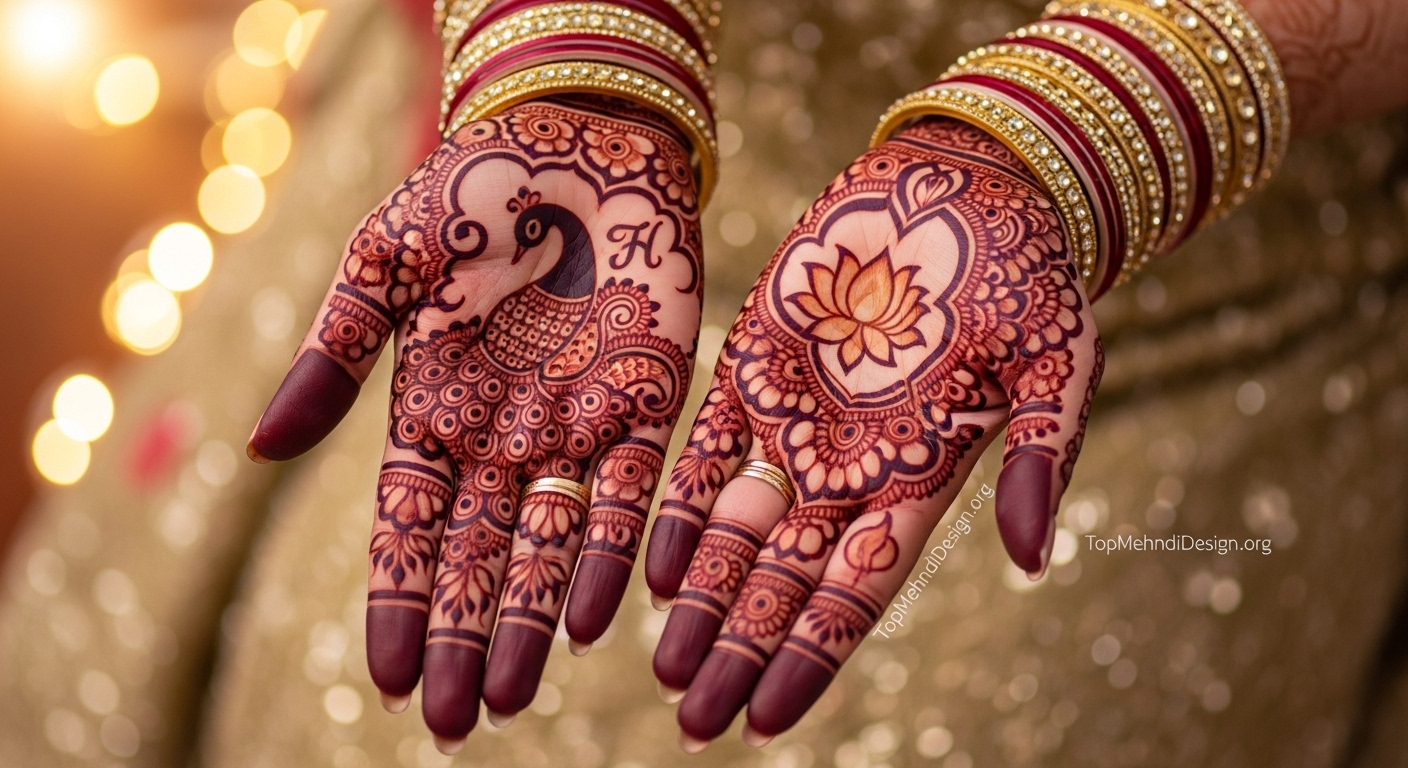
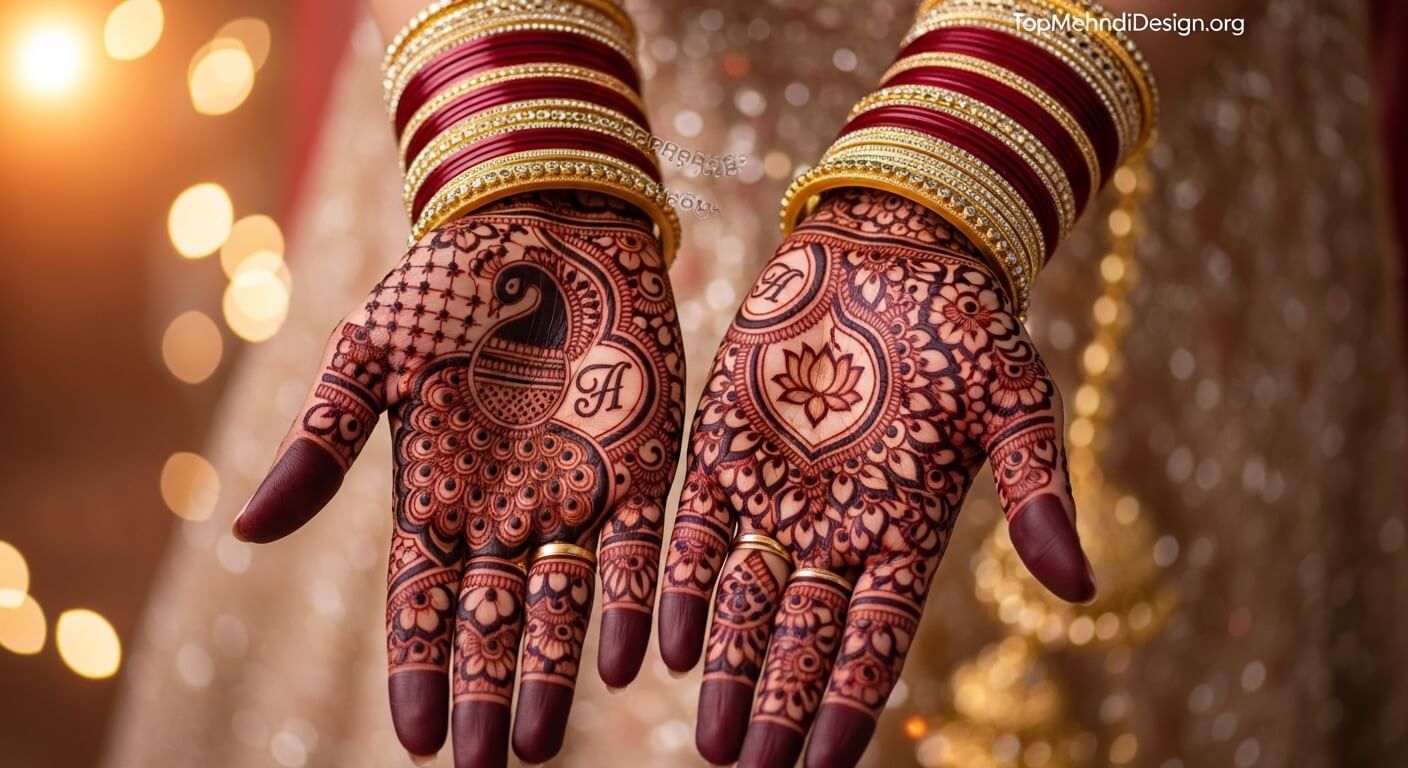
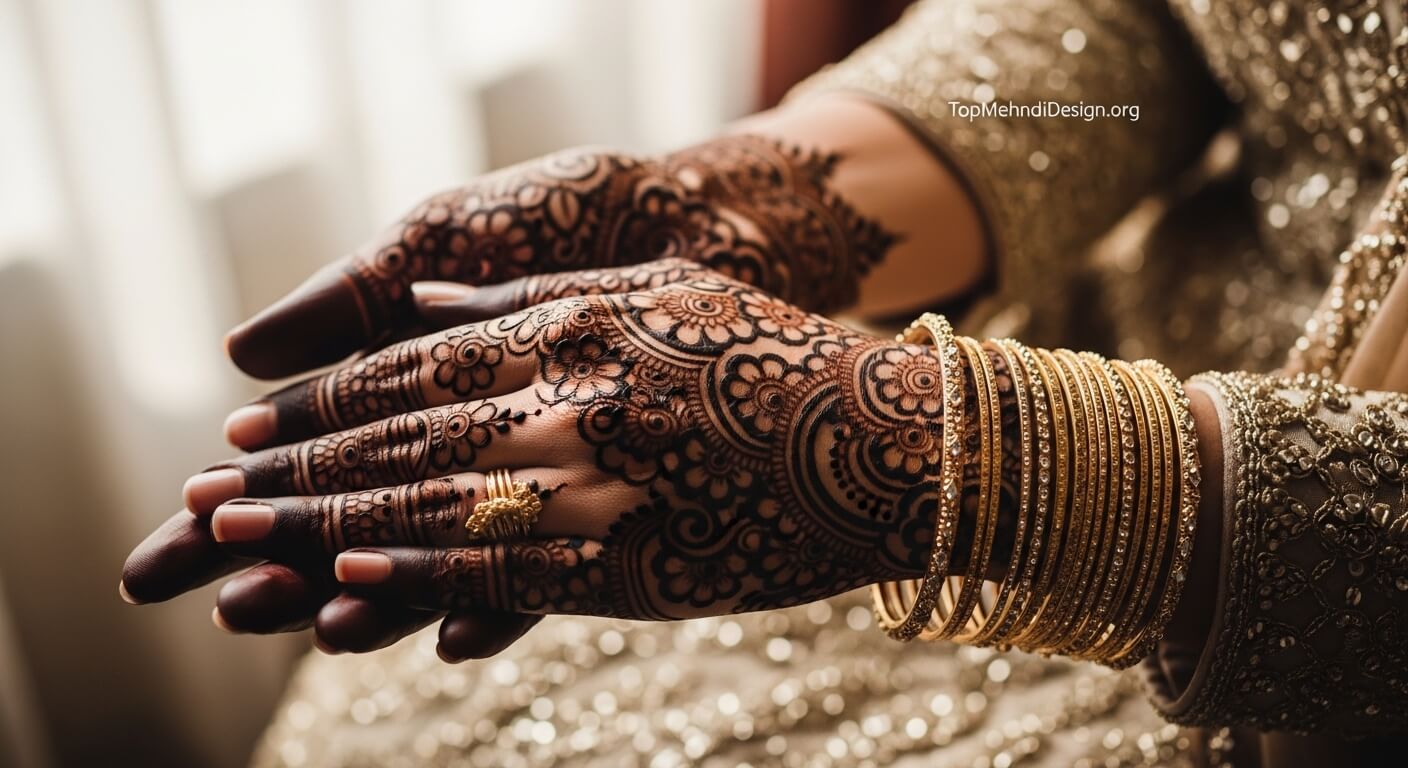
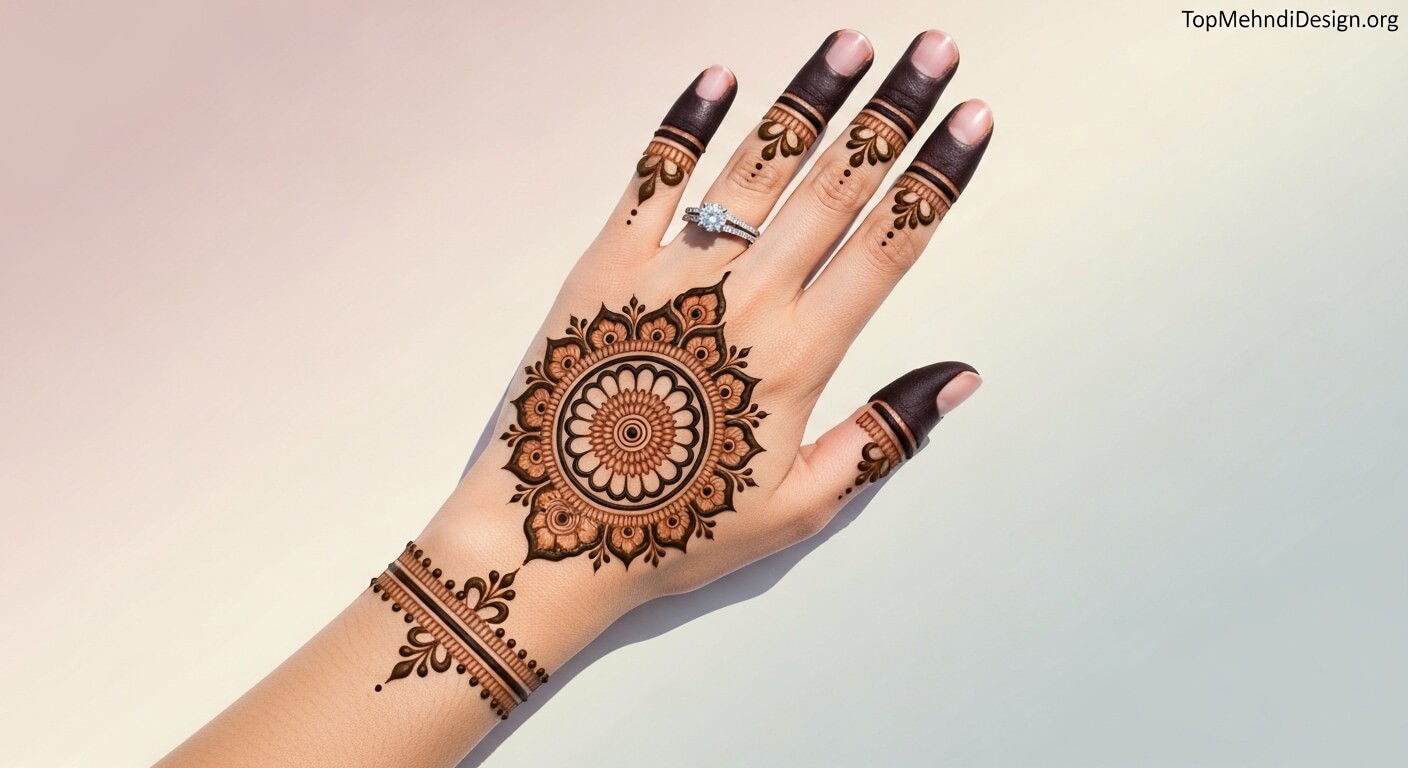
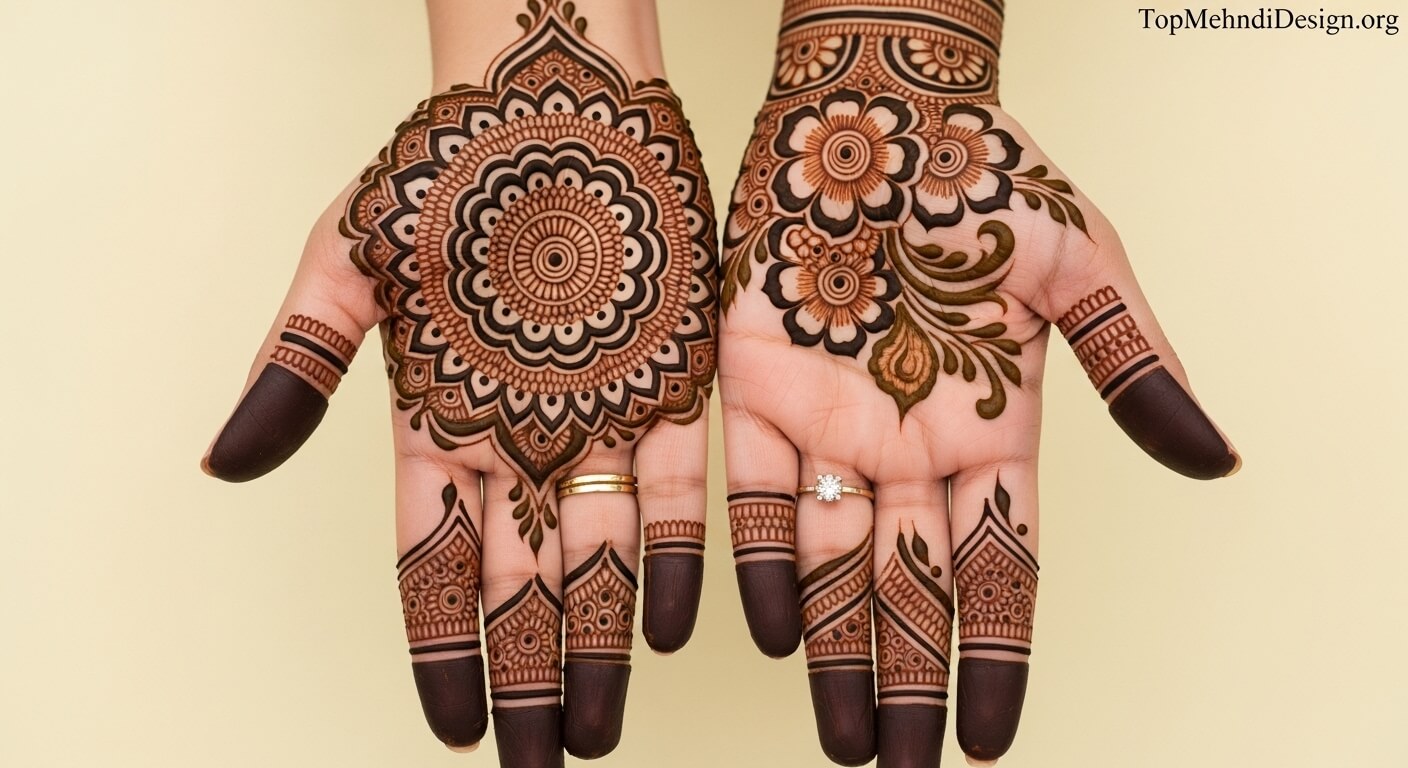
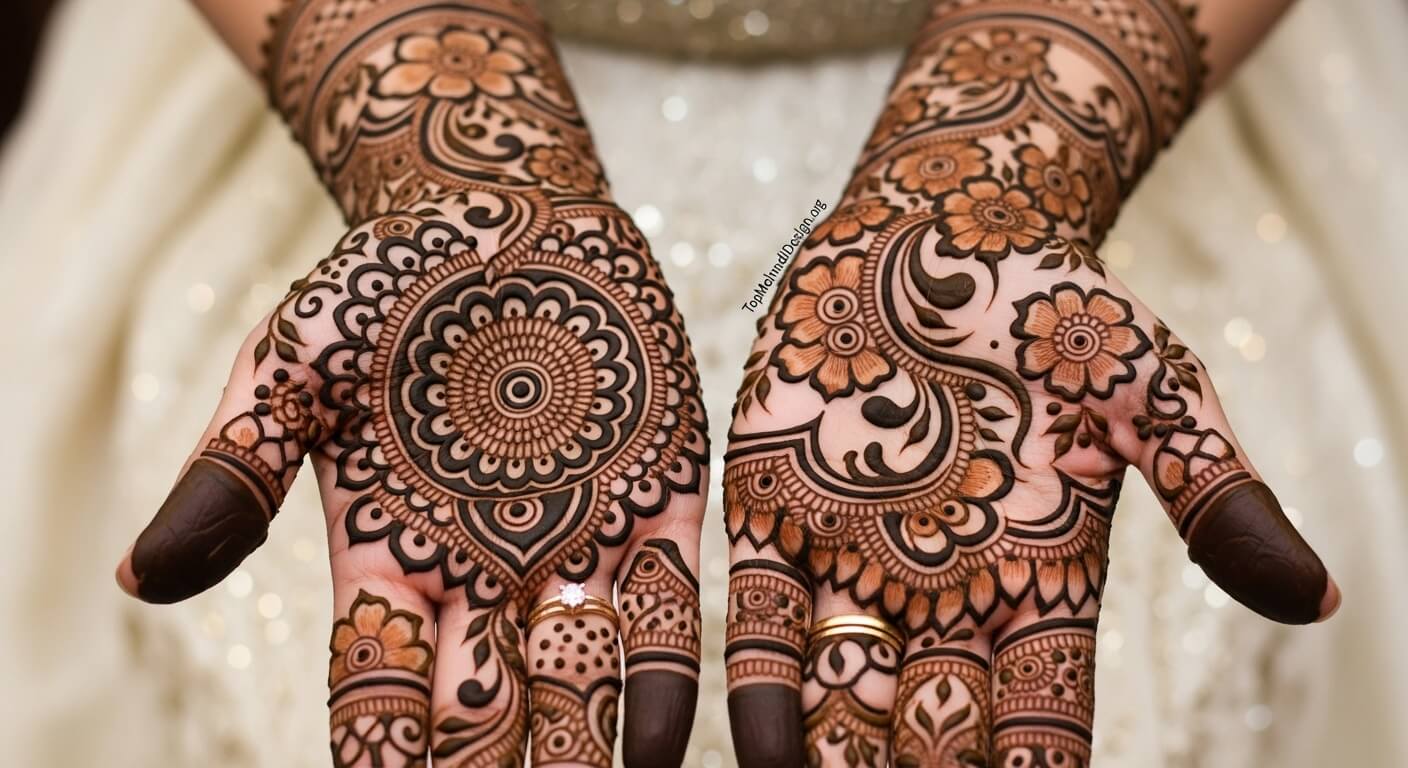
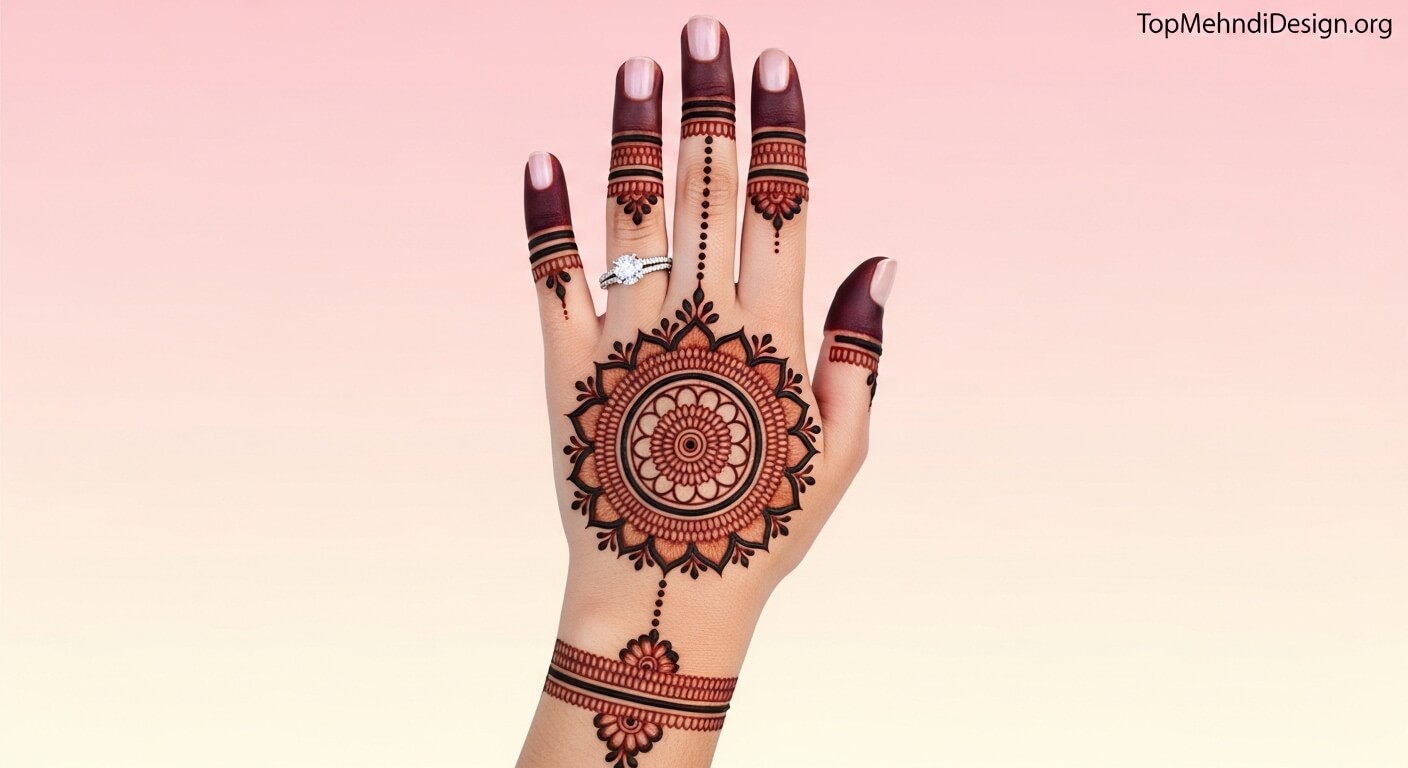
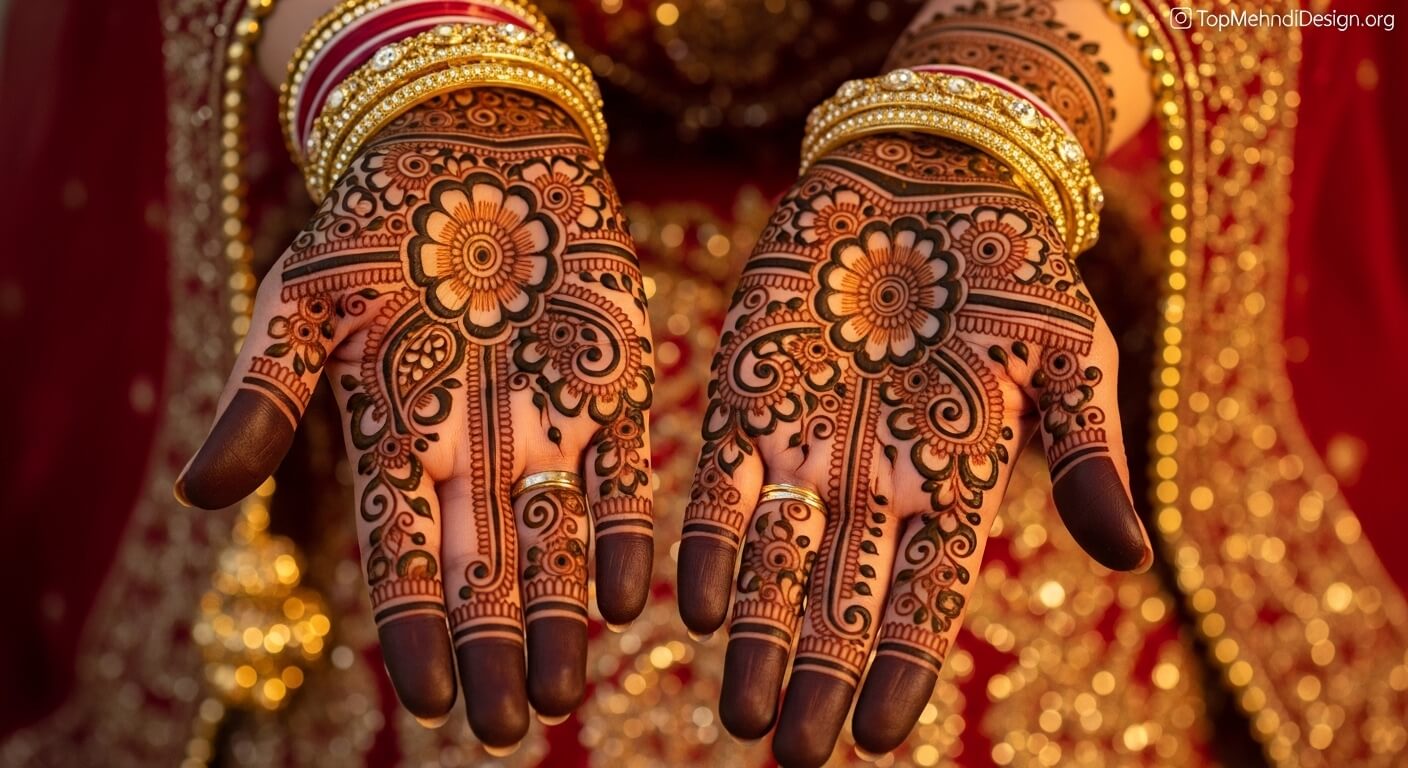
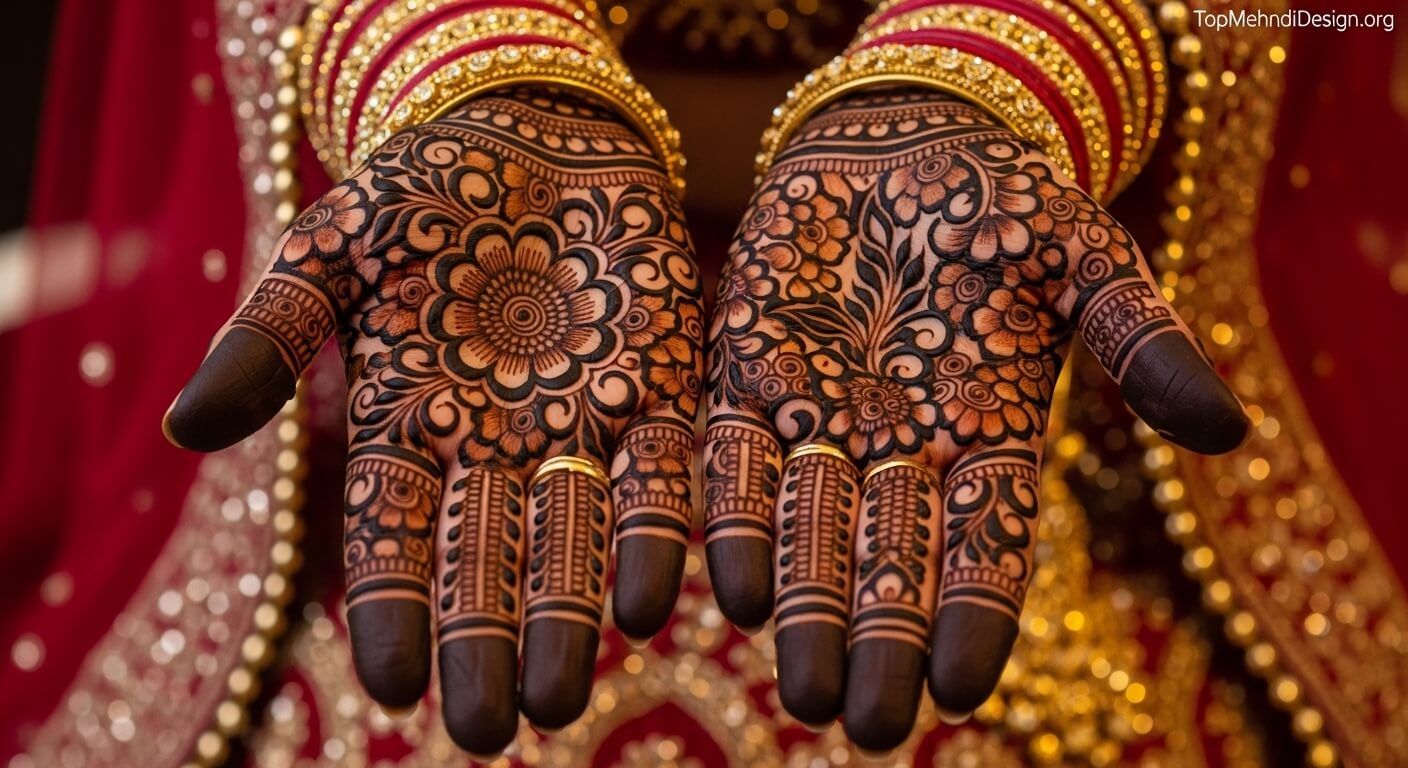
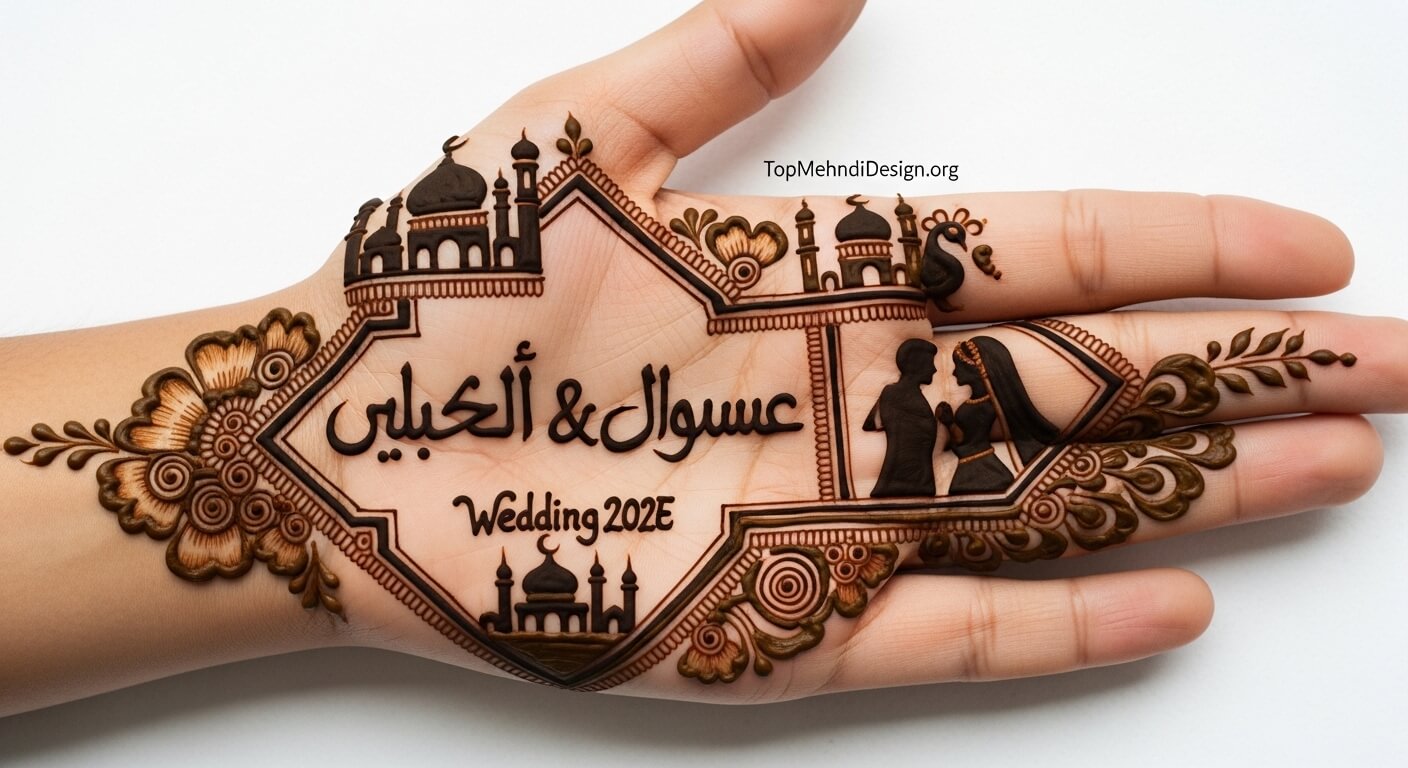
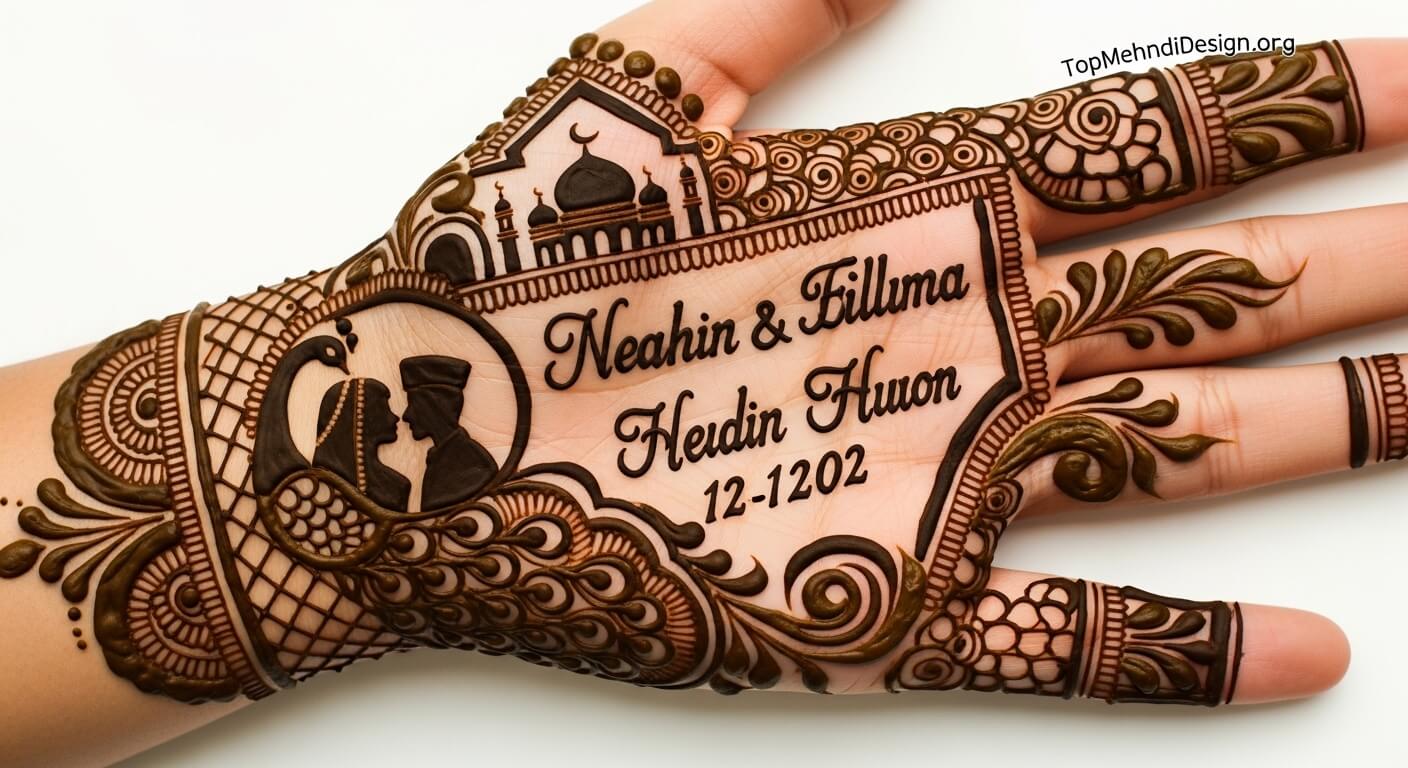
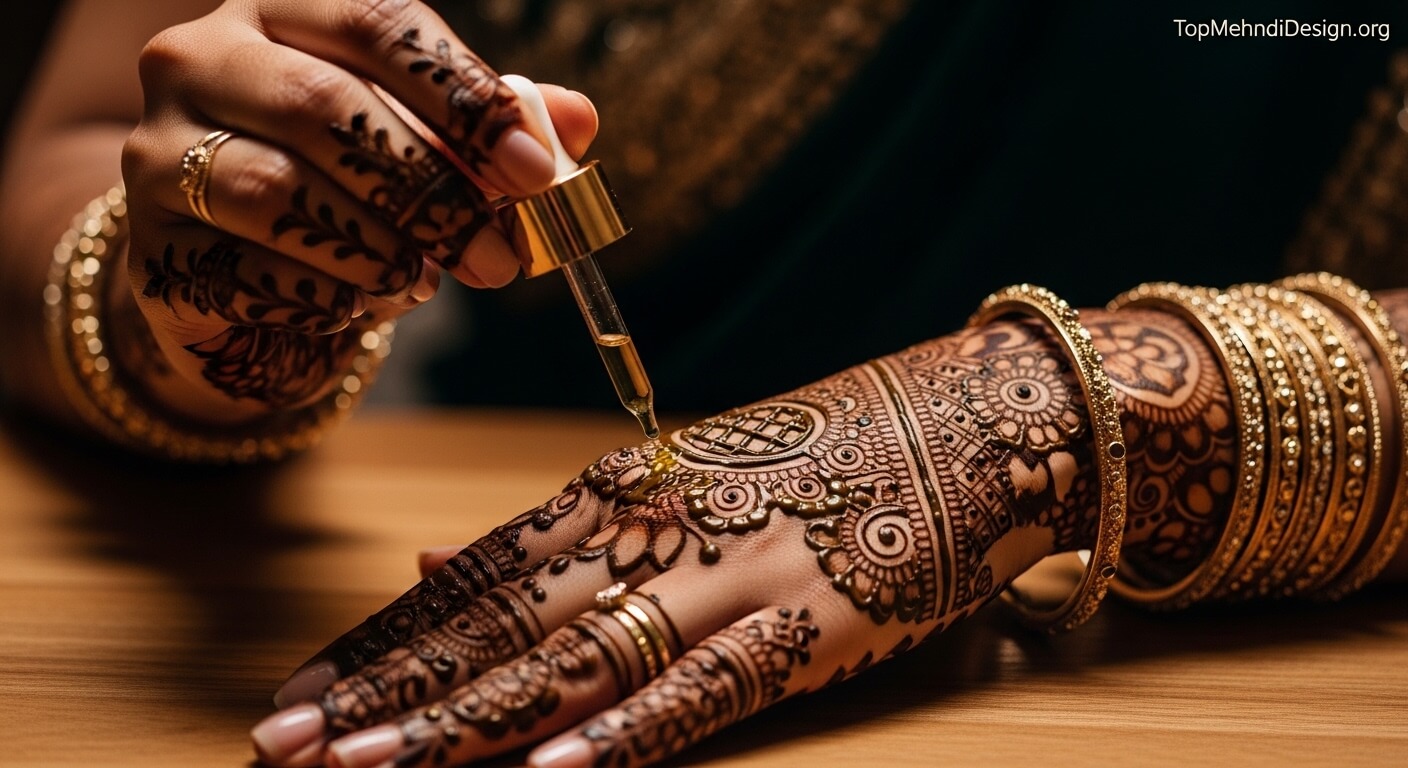
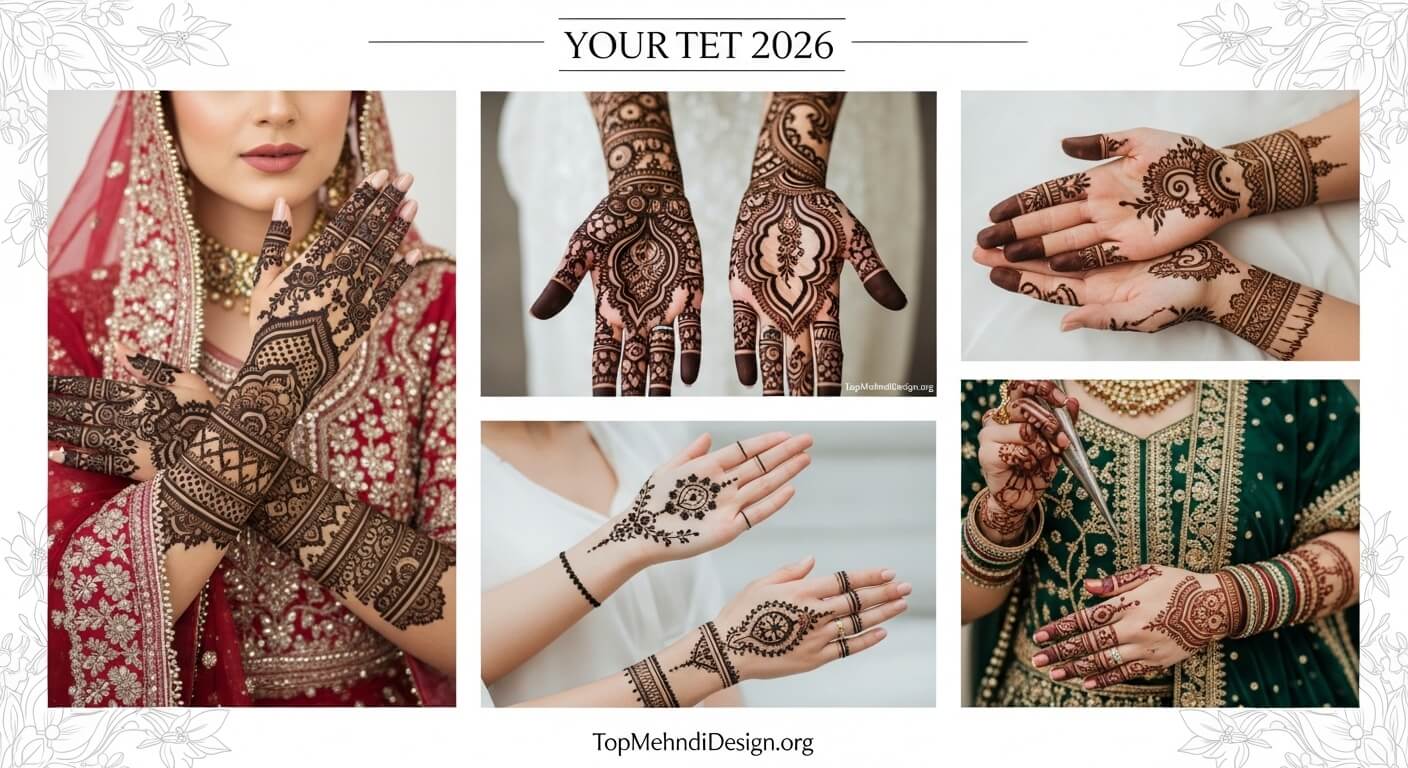
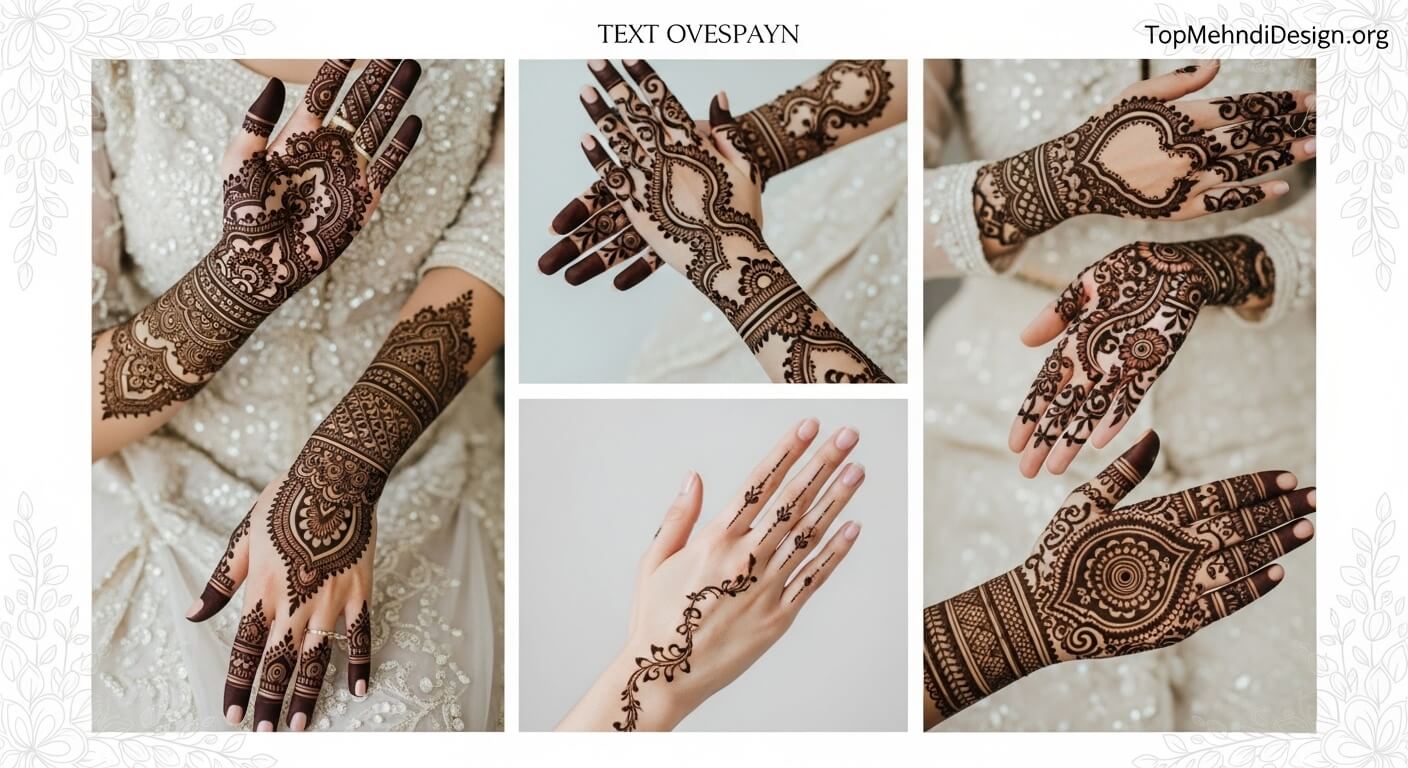
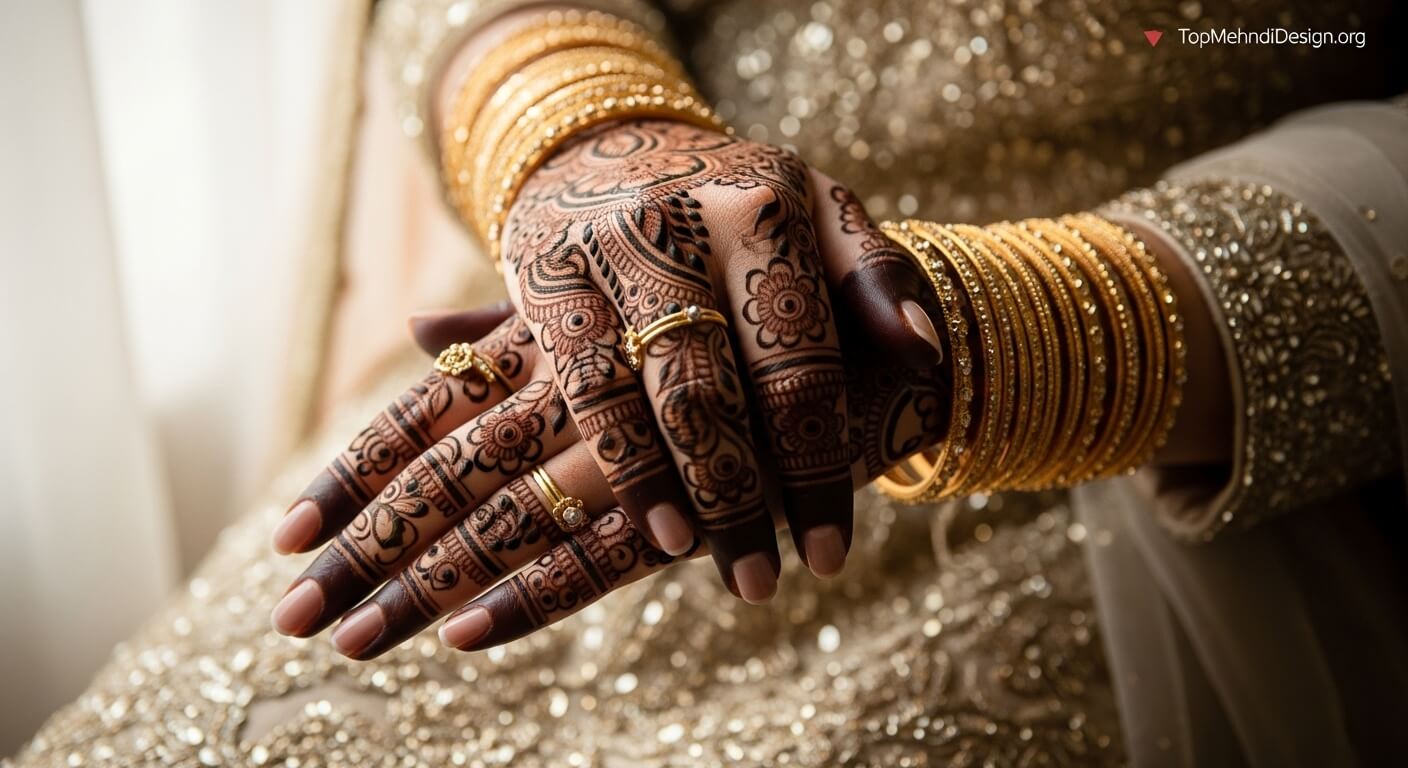
Your wedding day is the most beautiful day of your life and your mehndi design tells your love story on your own hands. In 2026, wedding mehndi design has evolved beyond simple patterns into deeply personal, artistic masterpieces that every bride deserves.
Whether you are a bride in Pakistan dreaming of a rich full-hand bridal design, an Indian bride wanting traditional motifs woven with modern elegance, or a bride anywhere in the world looking for inspiration this is the most complete guide to wedding mehndi design 2026 you will find.
We have gathered 80+ of the most beautiful, most trending, and most meaningful bridal mehndi patterns organized by style, occasion, and coverage so you can walk into your mehndi ceremony knowing exactly what you want.
Why Wedding Mehndi Design Matters More Than Ever in 2026
Mehndi is not decoration. For brides across South Asia, the Middle East, and the global Pakistani and Indian diaspora, the mehndi ceremony (called Mehndi Raat or Haldi Mehndi) is one of the most emotionally significant rituals of the entire wedding.
In 2026, two powerful shifts have transformed how brides approach their wedding mehndi design:
⦁ The move from ‘maximum coverage’ to ‘intentional beauty’ modern brides choose every motif deliberately, creating designs that breathe and photograph brilliantly.
⦁ The rise of personalized storytelling mehndi your wedding venue, your love story, your initials, your wedding date, all embedded within the henna patterns on your hands.
The result? Wedding mehndi designs that are more emotionally meaningful, more visually stunning, and more truly yours than any generation before.
The 8 Most Popular Wedding Mehndi Design Styles for 2026
Full Bridal Mehndi Design: The Classic Royal Choice
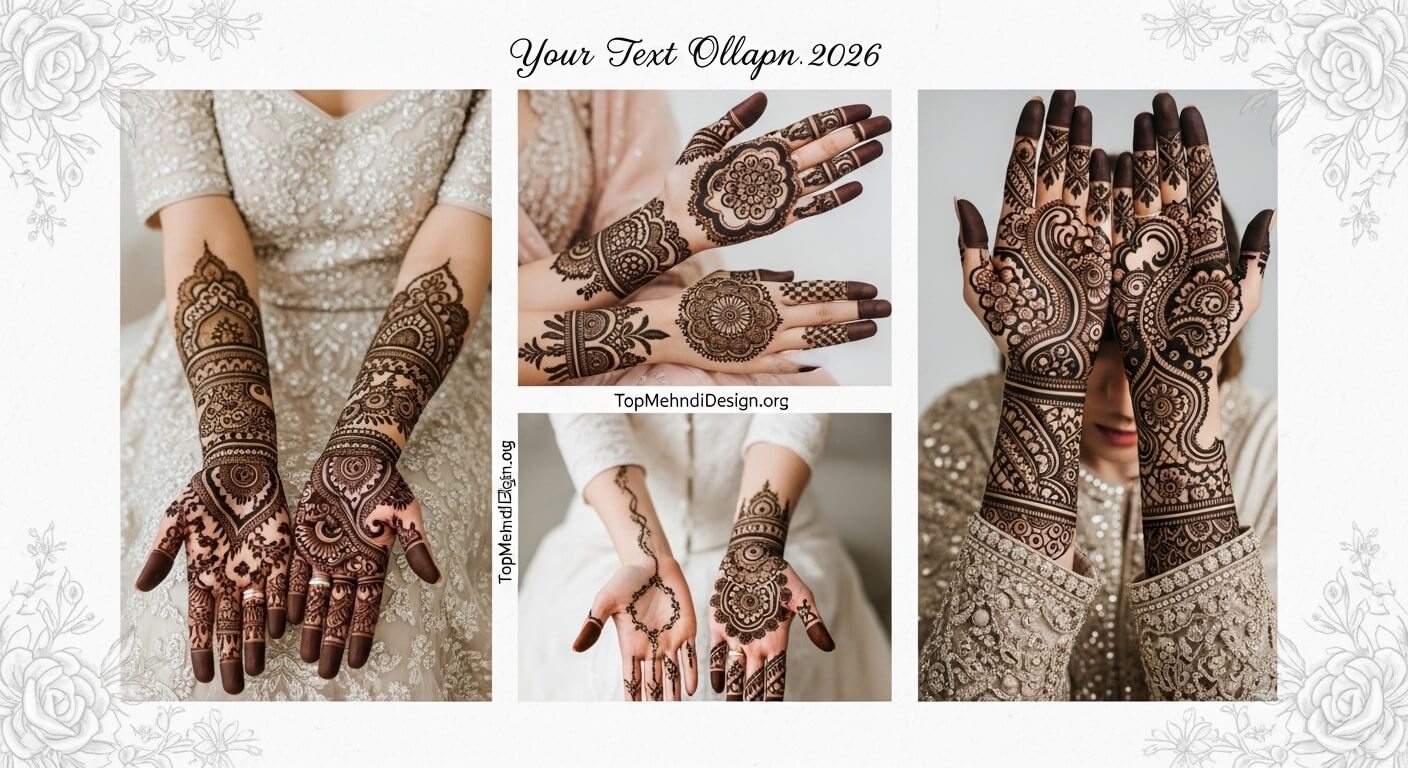
Complete bridal mehndi design remains the most beloved choice for brides who want the complete traditional experience. This style covers both hands from fingertip to elbow, and both feet from toe to knee, with dense, intricate patterns that take 4 to 8 hours to apply.
What it includes: Peacocks, paisleys, lotus flowers, elephant motifs, hidden groom’s name, wedding date, and elaborate floral borders. Every inch tells a part of your story.
Best for: Grand weddings, Barat ceremonies, traditional Pakistani and Indian brides who want the full royal experience.
Application time: 4 to 8 hours. Book your mehndi artist at least 2 weeks before your wedding.
💡 Pro Tip: Ask your mehndi artist to hide your groom’s initials or name inside the design. Finding it together on your wedding night is one of the sweetest traditions in bridal mehndi culture.
Arabic Wedding Mehndi Design Bold, Dramatic, and Modern
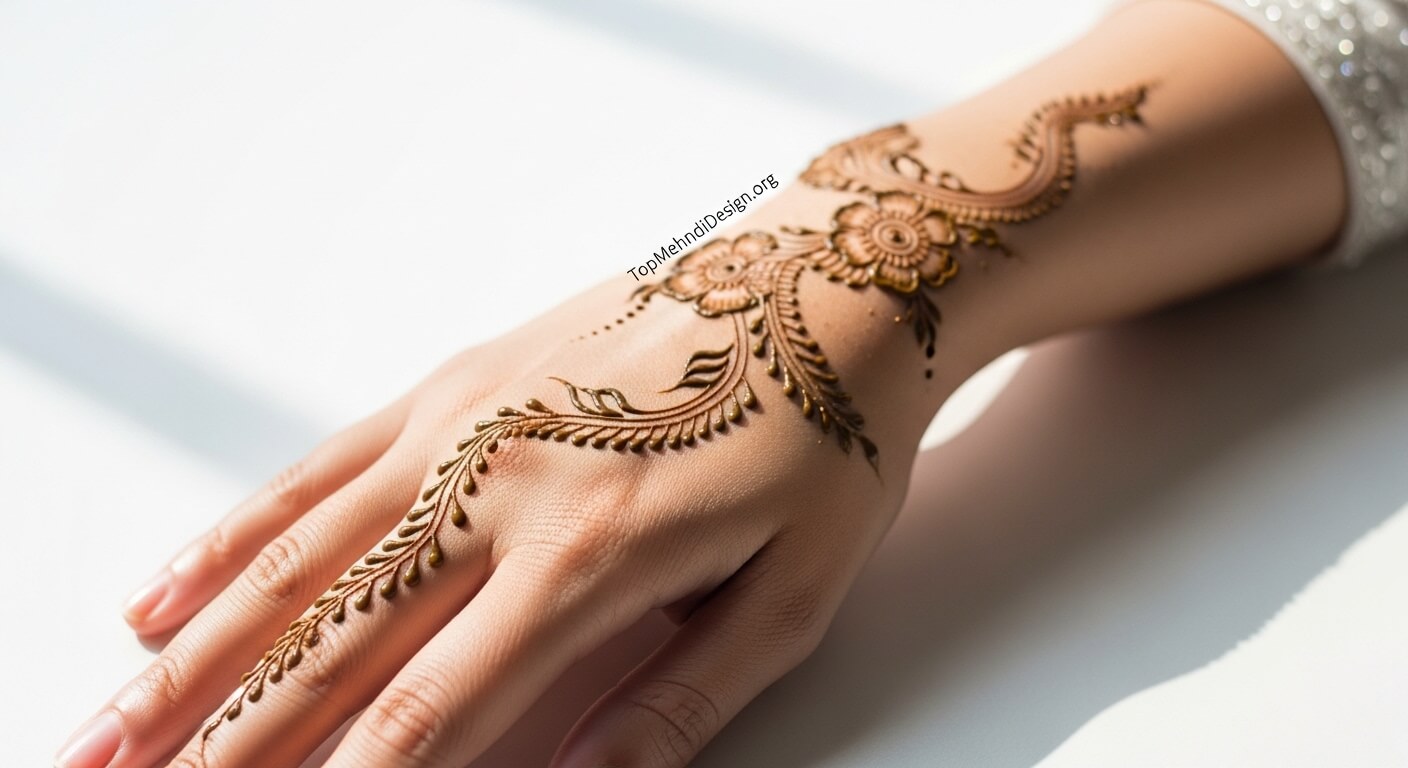
Arabic wedding mehndi design is the fastest-growing bridal style of 2026. Its defining feature is large, bold floral motifs set against generous empty space creating dramatic contrast that looks absolutely stunning in photographs.
What makes Arabic bridal mehndi unique: Where traditional Indian bridal mehndi fills every inch, Arabic wedding mehndi uses empty space as part of the design. The result looks cleaner, more modern, and photographs beautifully in both natural and studio light.
Key motifs: Oversized roses, flowing leaf trails, geometric lattice borders, single-stroke bold vines, and crescent accents.
Best for: Modern brides, destination weddings, brides who want to remain comfortable throughout their wedding day without the heaviness of full-coverage designs.
Application time: 2 to 3 hours perfect for brides with busy wedding schedules.
Indo-Arabic Fusion Wedding Mehndi The Best of Both Worlds
The Indo-Arabic fusion wedding mehndi design combines the density and cultural richness of traditional Indian bridal mehndi with the dramatic open spaces and bold florals of Arabic style. This is the most requested bridal style of 2026 across Pakistan and India.
The fusion approach gives you the best of both traditions: the intricate detail and cultural symbolism of Indian mehndi, layered with the modern visual drama of Arabic design. The palm features dense mandala or traditional patterns, while the back of the hand and arms feature flowing Arabic-style florals with beautiful negative space.
💡 Pro Tip: Indo-Arabic fusion works best when you maintain consistency in line thickness throughout the design. Ask your artist to use a single cone size for the entire design to keep the style unified.
Mughal Jali Wedding Mehndi Design Architectural Elegance
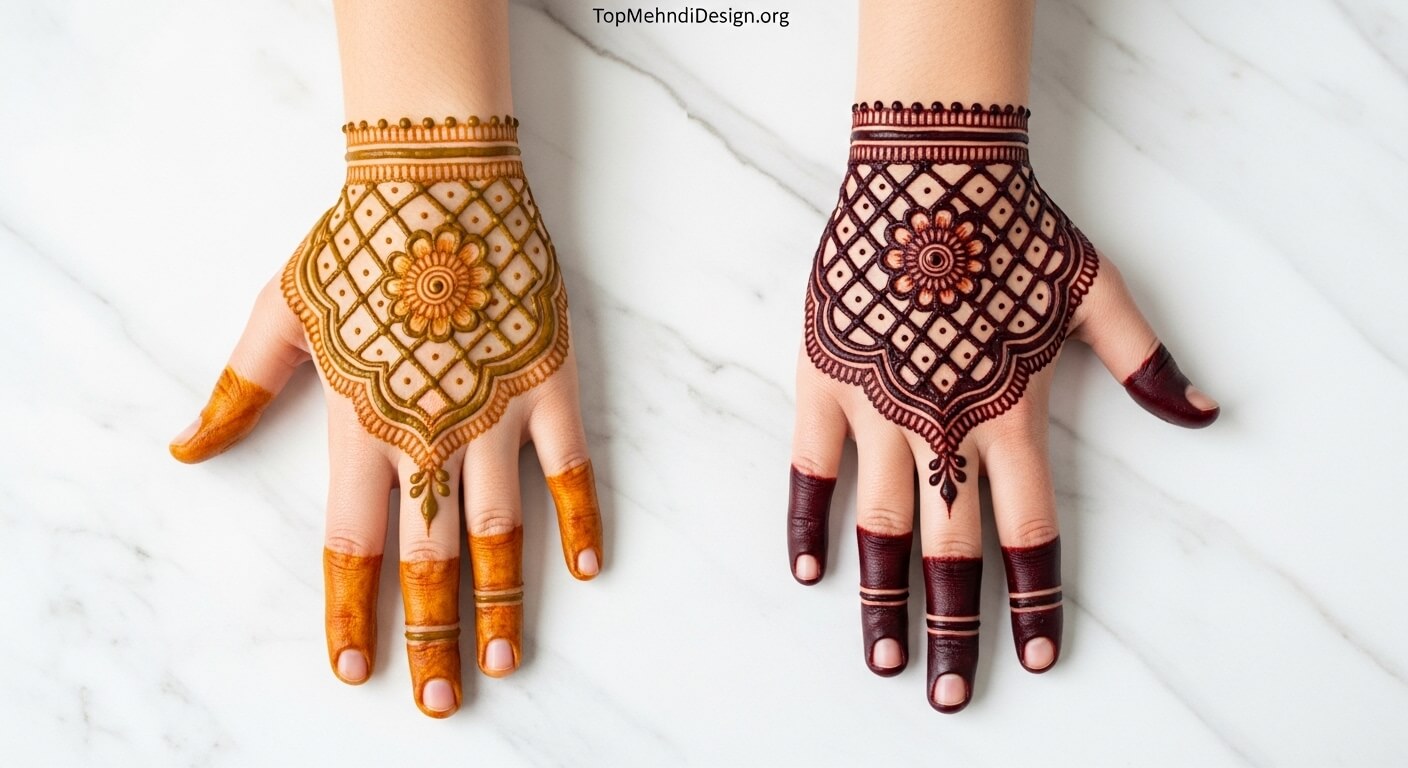
Inspired by the intricate lattice patterns of Mughal architecture think the Taj Mahal’s marble jali screens this 2026 bridal trend creates geometric grid patterns filled with tiny floral motifs. The result is breathtakingly detailed and deeply historical.
Signature look: Fine geometric lattice as the base structure, filled with roses, dots, and leaf motifs. Creates an almost lace-like effect on the skin.
Best for: Brides who love architecture, history, and intricate precision work. Also stunning for Nikah ceremonies.
Simple Wedding Mehndi Design Minimalist Bridal Elegance
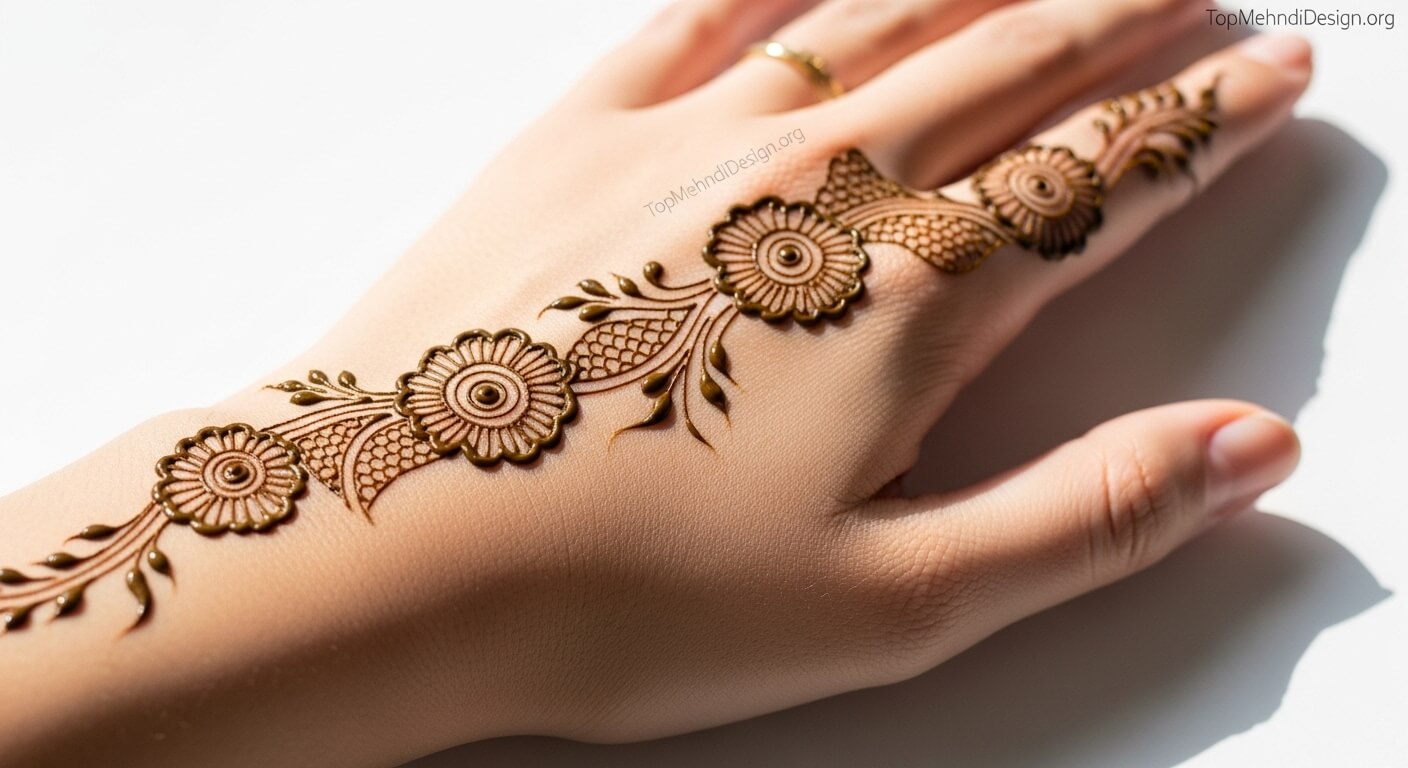
Not every bride wants full coverage and in 2026, simple wedding mehndi design has earned its place as a genuinely bridal choice, not a compromise. Clean lines, strategic negative space, and one or two bold central motifs create designs that look intentionally modern and effortlessly beautiful.
Why simple wedding mehndi works beautifully: It photographs cleanly, remains comfortable throughout a long wedding day, dries faster, and allows your bridal jewellery to shine without competing with heavy patterns.
Popular choices: Single large mandala on the palm, delicate bracelet design with finger extensions, peacock centerpiece with minimal border, and geometric wrist patterns with floral tips.
Pakistani Bridal Mehndi Design Rich Cultural Heritage
Pakistani bridal mehndi has its own distinct identity richer and denser than Arabic style, with a stronger emphasis on floral motifs and geometric borders, but less dense than traditional Indian mehndi. Pakistani bridal designs in 2026 incorporate Mughal-era patterns, traditional Sindhi and Punjabi motifs, and contemporary Arabic influences into a uniquely beautiful fusion.
⦁ Signature Pakistani bridal elements: Large central flower on the palm, dense finger coverage with vertical patterns, elaborate wrist boundaries, and flowing arm extensions with alternating dense and open sections.
⦁ Regional variations: Karachi brides often prefer bold Arabic-influenced designs; Lahore brides traditionally choose denser, more coverage-heavy patterns; and brides from the northern regions often incorporate geometric Kashmiri-inspired elements.
Personalized Story Wedding Mehndi Your Love Story in Henna
The most emotionally meaningful wedding mehndi trend of 2026 is personalized storytelling henna. Your wedding mehndi design becomes a wearable autobiography of your love story completely unique, impossible to replicate, and deeply personal.
What modern brides are incorporating into their wedding mehndi designs:
⦁ The wedding venue illustrated in miniature a mosque, mandir, beach, or palace rendered in tiny henna strokes
⦁ Proposal location coordinates hidden inside geometric elements
⦁ Bride and groom portrait silhouettes embedded within floral patterns
⦁ Both names in elegant Arabic calligraphy woven through the design
⦁ Meaningful dates encoded within geometric borders
⦁ Shared hobbies represented through custom symbols a couple who loves travel might have tiny planes or suitcases hidden in the design
⦁ Pet portraits, yes, brides are including their beloved pets in their wedding mehndi!
💡 Pro Tip: To commission a personalized wedding mehndi design, meet your artist at least one month before your wedding. Bring photographs of your venue, a picture of both of you, and a list of meaningful symbols you want included. This planning time is what makes personalized bridal mehndi truly extraordinary.
Khafif (Light) Bridal Mehndi Design: Delicate and Wearable
Khafif means ‘light’ in Arabic, and this style uses ultra-fine lines and minimal coverage to create designs that look like delicate lace drawn on skin. For brides who want to be part of the celebration rather than an exhibit in a corner, Khafif bridal mehndi design is the 2026 answer.
Key technique: Very fine cone tips, deliberate empty spaces, and a focus on line quality over coverage quantity. The design gains its beauty from precision and restraint, not density.
Wedding Mehndi Design by Ceremony: Which Style for Which Event
Mehndi Ceremony (Mehndi Raat)
This is where the full bridal experience belongs. Go all out with your most elaborate, most personal, most coverage-heavy design. This is the night your hands become art.
Nikah / Nikkah Ceremony
The Nikah is a sacred, spiritually significant occasion. Mughal jali patterns, subtle Arabic florals, or elegant geometric designs are perfect — beautiful enough to honor the moment, refined enough to feel appropriately sacred.
Barat / Wedding Day
By Barat day, your mehndi should be fully dark and developed. The design you chose for Mehndi Raat is now at its most beautiful — deeply colored, photographically stunning, and ready to accompany you through the most important day of your life.
Walima / Reception
Walima designs can be slightly lighter than Barat — elegant Arabic patterns or simple Indo-Arabic designs that look fresh and beautiful for your reception celebration.
How to Choose Your Perfect Wedding Mehndi Design: A Step-by-Step Guide
1. Consider your wedding outfit color. Dark mehndi stains look most stunning against lighter colored bridal outfits. Your artist can advise on design density to complement your lehenga or gharara.
2. Think about your jewellery placement. If you are wearing heavy bangles, rings, or bracelets, consider leaving slight gaps in your design to allow your jewellery to rest comfortably and be visible in photos.
3. Match the mehndi style to your overall bridal aesthetic. A grand traditional wedding calls for full bridal mehndi; a minimalist modern wedding might be perfectly served by a clean Arabic design.
4. Book your artist in advance. For bridal mehndi, book at least 4 to 6 weeks before your wedding — the best artists fill up months in advance, especially during wedding season.
5. Do a patch test first. Always test henna on a small skin area at least 48 hours before your mehndi session to rule out any allergic reactions.
6. Schedule your mehndi session strategically. Apply wedding mehndi 1 to 2 days before your Barat so the stain reaches its deepest, most beautiful color on the day itself.
Making Your Wedding Mehndi Stain Dark: Expert Secrets
A deeply dark mehndi stain is every bride’s dream. Here is exactly how to achieve it:
Before Application
⦁ Exfoliate your hands and feet gently the evening before your mehndi session.
⦁ Avoid applying moisturizer or oil on the day of application — clean, dry skin absorbs henna most effectively.
⦁ Wear comfortable, loose clothes so nothing rubs against your fresh mehndi.
During Application
⦁ Ask your artist to use fresh henna paste henna prepared within the past 24 to 48 hours gives the darkest results.
⦁ Sit still and keep your hands warm. Body heat accelerates the dye release process.
⦁ If possible, apply mehndi indoors away from fans and air conditioning, which dry the paste too quickly.
After Application The Most Critical Phase
⦁ Leave the dried paste on your skin for a minimum of 6 to 8 hours. Overnight application gives the deepest, richest stain.
⦁ Never wash the paste off with water. Gently scrape it off once fully dry, using the edge of a butter knife or the back of a spoon.
⦁ Apply a mixture of lemon juice and sugar to the dried design before scraping — this seals the stain and deepens the color significantly.
⦁ Avoid water contact for at least 12 hours after removal. Your mehndi continues to darken for 24 to 48 hours — this is completely normal.
⦁ Apply coconut oil or mustard oil to the design twice daily to protect and deepen the stain.
💡 Pro Tip: The palms and soles of the feet develop the darkest mehndi stains because the skin is thickest in these areas. For the most dramatically dark bridal mehndi, focus the most intricate elements on your palms.
Wedding Mehndi Design Care: Making Your Bridal Henna Last
Your wedding mehndi design should look beautiful throughout your entire wedding celebration. Here is how to protect it:
⦁ Keep your hands out of water as much as possible during the first 24 hours after paste removal.
⦁ Wear gloves when washing dishes or cleaning for the first week.
⦁ Avoid swimming pools and saunas — chlorine is the fastest way to fade mehndi stains.
⦁ Skip harsh soaps and hand sanitizers on your designed areas. Use mild, natural cleansers instead.
⦁ Apply coconut or mustard oil daily before bed — this extends your mehndi’s life and keeps the stain rich and dark.
⦁ Stay away from sun exposure on your hands — UV rays fade mehndi stains prematurely.
With proper care, your wedding mehndi design will remain beautiful for 2 to 3 weeks — lasting through every wedding celebration, every photograph, and every precious memory.
FAQS
How far in advance should I apply bridal mehndi?
Apply your wedding mehndi 1 to 2 days before your Barat or main wedding ceremony. This allows the stain to reach its peak dark color exactly on the day you need it most. Do not apply it more than 3 days before, as the stain begins to fade.
How long does bridal mehndi take to apply?
Depending on the style, full bridal mehndi takes 4 to 8 hours. Arabic bridal mehndi takes 2 to 3 hours. Simple or khafif bridal designs take 1 to 2 hours. Always book a longer session than you expect you will need — rushing a bridal mehndi artist affects the quality of your design.
Is black henna safe for wedding mehndi?
Never use black henna for your wedding. Black henna contains para-phenylenediamine (PPD), a chemical dye that can cause severe allergic reactions, blistering, and permanent skin scarring. Always use 100% natural henna (which stains reddish-brown) for your wedding day. If a product promises a black stain, refuse it.
How much does professional bridal mehndi cost in Pakistan?
Professional bridal mehndi in Pakistan ranges from PKR 3,000 to PKR 50,000+ depending on the artist’s reputation, your city, and the complexity of the design. Top-tier bridal mehndi artists in Lahore and Karachi charge premium rates, especially during wedding season. Budget accordingly and book early.
Can I design my own wedding mehndi pattern?
Absolutely. Bring reference images of motifs you love, elements you want included (initials, dates, venue), and your jewellery to your consultation. The best mehndi artists will combine your personal vision with their professional expertise to create a design that is uniquely yours.
Your Perfect Wedding Mehndi Design Awaits
Your wedding mehndi design is more than henna on your hands. It is the most personal, most beautiful, and most meaningful form of bridal adornment in South Asian and Middle Eastern tradition. In 2026, every bride deserves a wedding mehndi design that tells her own story in her own style with her own symbols woven into every deliberate stroke.
Browse our complete gallery of 80+ wedding mehndi design images, from full bridal to simple Arabic to personalized storytelling designs, and find the pattern that feels like it was made for you. Because on your wedding day, your hands deserve nothing less than perfection.
SITE: TopMehndiDesign.org